


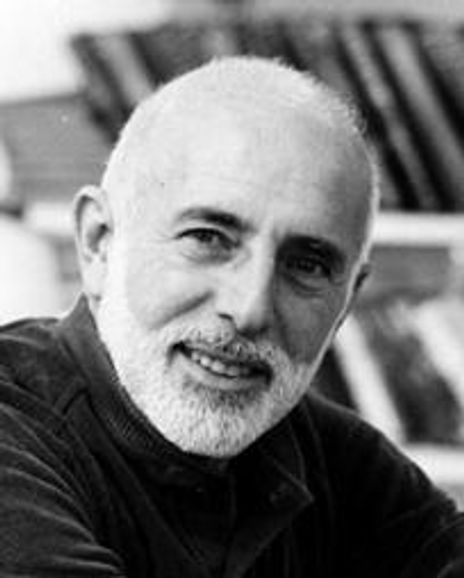
Jerome Robbins
Birth Place: New York, NY, USA
Kansas City Ballet Unveils 2026–2027 Season Featuring THE WIZARD OF OZ, ROMEO & JULIET, And PULSE (Mar 7, 2026)
JUST IN TIME On Broadway To Welcome Debbie Gravitte & Carrie St. Louis This Spring (Mar 4, 2026)
Ryan Tomash Elevated to Principal Dancer at New York City Ballet (Mar 3, 2026)



BIO
JEROME ROBBINS (born 11 October 1918 in New York City) was the younger of two children of Harry Rabinowitz, who emigrated to America from Poland in 1904, and his wife Lena Rips. Rabinowitz was at first a shopkeeper with a delicatessen on the Upper East Side of Manhattan; in the 1920’s he moved the family to Jersey City and then to Weehawken, New Jersey, where he and a brother-in-law established the Comfort Corset Company. Young Jerome, who showed an early aptitude for music, dancing, and theatrics, attended schools in Weehawken and graduated from Woodrow Wilson High School in 1935. Intending to study either chemistry or journalism, he matriculated at New York University in the autumn of 1935; but the Depression took a turn for the worse in 1936 and his family could no longer support his education — especially considering that he was, by his own account, failing two courses (math and French) out of five. Unwilling to work in the corset factory, he tried to find employment in some form of show business; and through his sister Sonia, who had already danced professionally with Irma Duncan and Senya Gluck-Sandor’s Dance Center, he got an apprenticeship with Sandor’s company.
Gluck-Sandor was a hybrid as a choreographer — ballet-trained, dedicated to modern dance, but also a veteran of Broadway, burlesque, and vaudeville — and his expressive, theatrical style attracted Robbins from the outset. But the fledgling dancer — who like other members of his family took the surname of Robbins for work in the theater — also studied ballet with Ella Daganova and in 1937 appeared in the Yiddish Art Theatre production of The Brothers Ashkenazi, directed by and starring Maurice Schwartz, for which Sandor did the choreography. In the summer of 1937 Robbins began dancing and choreographing at Tamiment, a progressive-movement resort in Pennsylvania’s Pocono mountains which featured a resident singing-acting-dancing troupe and weekend revues starring emerging talents like Danny Kaye, Imogene Coca, and Carol Channing. His work from this period consisted mainly of burlesque-like blackout sketches on the one hand and dramatic works with strong social content, like Death of a Loyalist or Strange Fruit, (set to Abel Meeropol’s song about a lynching) on the other. But he was beginning to gain an audience: some of his dances were performed under the auspices of the Theatre Arts Committee at New York’s 92nd Street YMHA and others as part of The Straw Hat Revue, which Tamiment producer Max Liebman opened on Broadway in 1939.
Robbins spent three summers at Tamiment and taking on one-shot roles in ballet performances at Jones Beach, the New York World’s Fair, and elsewhere; he found work during the regular theater season in the Broadway choruses of Great Lady (1938), Stars in Your Eyes (1939), and Keep Off the Grass (1940) — the last-named choreographed by George Balanchine. In the summer of 1940 he was accepted into the recently-formed Ballet Theatre, where he soon advanced from the corps de ballet to solo roles which showed off the taut fluidity with which he compensated for his lack of heroic classical technique: the Young Man in Agnes De Mille’s Three Virgins and a Devil, an apple-munching Hermes in Helen of Troy, and — the role which made him famous — the tragic puppet in Petroushka.
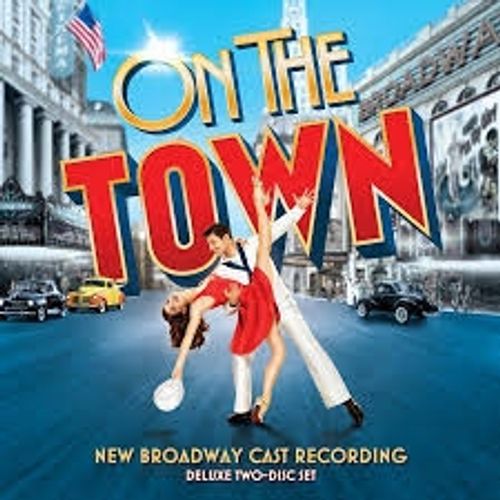
He had been burning to choreograph a ballet himself for the company, preferably one with an American theme, to American music; but all his ideas were too grandiose for the perennially strapped company to consider. Encouraged to “think small” he came up with the idea for a ballet about three sailors on shore leave in New York City. To write the score he sought out the services of a young unknown composer named Leonard Bernstein, and Ballet Theatre’s Oliver Smith agreed to design the scenery. On April 18, 1944, Fancy Free premiered at the Metropolitan Opera House to a raucous two dozen curtain calls; and in December of that year On the Town, a musical comedy based on the ballet, with music by Bernstein, dances by Robbins, sets by Smith (who also produced), and book and lyrics by a pair of Bernstein’s cabaret buddies named Betty Comden and Adolph Green, had a fairy-tale opening on Broadway. From that moment until his death more than fifty years later Robbins’s primacy on Broadway and in ballet was assured; but he did more than reach the top in his two spheres of influence. He changed each of his worlds from the inside out.
On Broadway he quickly established himself as the choreographer of the moment at a time when musical comedies were evolving out of the stylish but contentless song-and-dance anthologies that had showcased the talents of the Gershwins and Cole Porter and Rodgers and Hart. Robbins shows — and as he began to direct as well as create ideas and dances for them, they truly were Robbins shows — had, or aimed to have, a story, characters, a point.
So the Roaring Twenties musical, Billion Dollar Baby (1946 — with book and lyrics by Comden and Green and music by Morton Gould), revolved around a gold-digging bathing beauty who serially married for money; 1947’s High Button Shoes (his first collaboration with composer Jule Styne) was a nostalgic romp set in New Jersey in 1913 and featuring a Keystone Kops ballet. And 1948’s Look, Ma, I’m Dancin’ (which he co-directed with George Abbot, and for which he received the credit “conceived by Jerome Robbins”) was the autobiographical backstage story of a super-ambitious dancer-choreographer’s collision with the brewery heiress backing his ballet company; his changed character is mirrored in the two ballets he creates — the first a brash, over-complicated expression of youthful hubris, the second altogether subtler, more thoughtful and human.
Look, Ma was succeeded by one of Robbins’s rare flops, a show called That’s the Ticket (1948), which Robbins directed but did not choreograph. An overly whimsical mishmash, it closed in Philadelphia after ten days. But at this point Robbins made a life altering career-change.
At Ballet Theater he had followed Fancy Free with a series of dances that integrated the classic vocabulary with modern subject matter: among them the be-bop ballet Interplay (1945) and Facsimile (1946), an angst-ridden exploration of a love triangle with a new score by Bernstein. But in 1949 he left Ballet Theater to join George Balanchine’s new-born New York City Ballet, where he was almost immediately named Associate Artistic Director. He danced numerous quasi-dramatic roles for Balanchine — including Prodigal Son, Tyl Eulenspiegel and as a principal opposite the glamorous Tanaquil Le Clercq in Bourrée Fantasque — before retiring from performance in the mid 1950’s; but it was as a choreographer that he made his mark. Ballets like The Guests (1949, score by Marc Blitzstein), Age of Anxiety (1950, to Bernstein), and the terrifying fable The Cage (1951, to Stravinsky), showcased his flair for drama, his all-American sass and energy, and his affinity for modern music. And his association with Balanchine gave him a security and sense of kinship that nourished his genius.
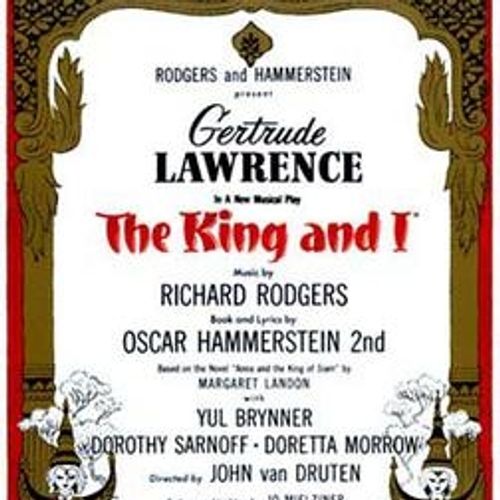
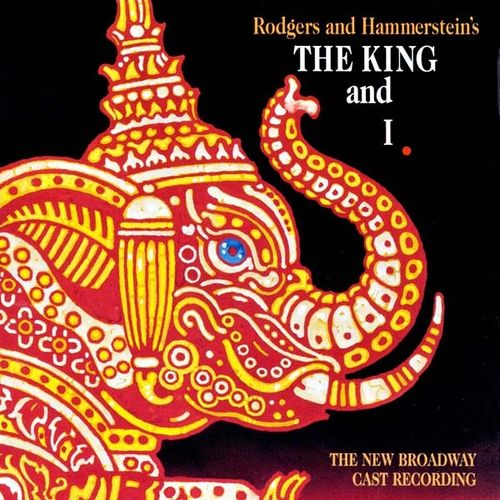
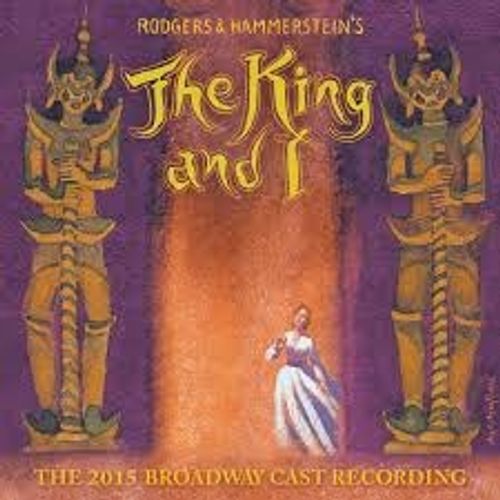
Robbins continued to work on Broadway, as the choreographer of two Irving Berlin shows, Miss Liberty (1949) and Call Me Madam (1950), Rodgers and Hammerstein’s The King and I (1951), and Two’s Company (1952), a revue starring Bette Davis. But in 1953 he stunned the theatrical community, if not the world at large, by appearing before the House Un-American Activities Committee, where he admitted to membership in the Communist Party during the 1930’s and named eight individuals who he said had also been members.
His testimony was denounced by many (including some of his family) for whom McCarthyism was only steps from Nazism, but Robbins refused to justify or explain himself beyond his public statement that he had “made a great mistake… in entering the Communist Party.” His decision haunted him, however, and ultimately he placed it at the center of an autobiographical drama, The Poppa Piece, which he experimented with in workshops during the early 1990’s.
Ironically, his career seemed to take on added luster in this troubled time. He staged the all-American Ford 50th Anniversary Show (1953) for television with Ethel Merman and Mary Martin; co-directed The Pajama Game (1954) on Broadway; conceived, directed, and choreographed Peter Pan (1954) starring Mary Martin; directed Aaron Copland’s opera The Tender Land (1954); directed and co-choreographed Bells Are Ringing (1956) starring Judy Holliday; and choreographed the film version of The King and I (1956). Meanwhile at New York City Ballet he created two masterpieces, the lyrical Afternoon of a Faun (1953) and the hilarious send-up, The Concert (1956), among other works.
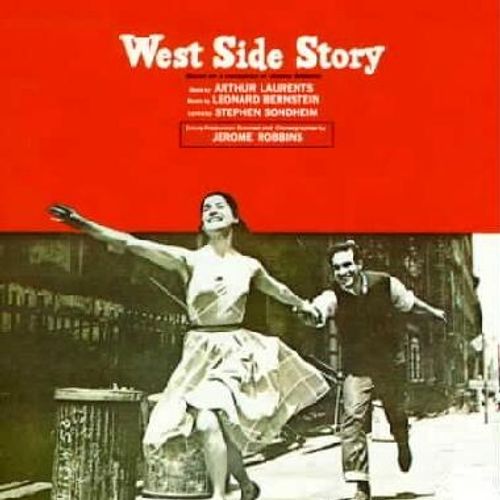
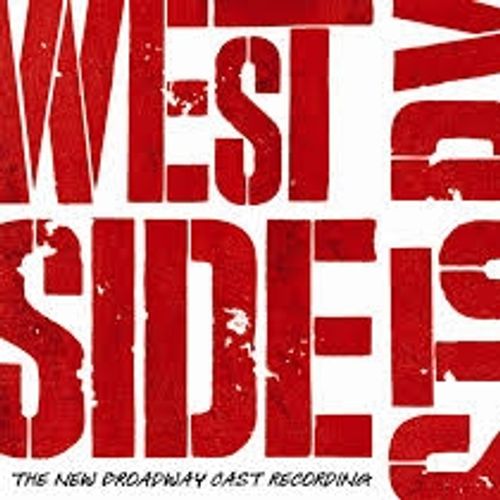
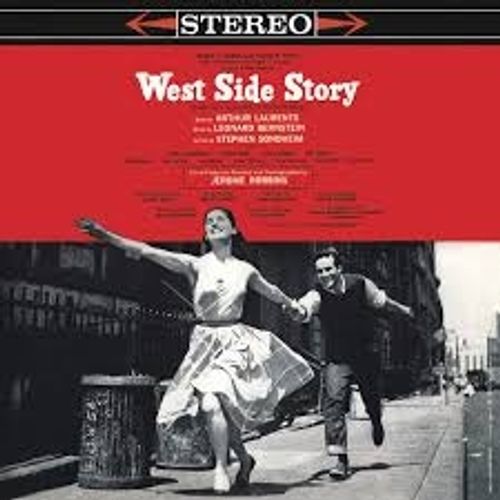
In 1957 he teamed up once again with Leonard Bernstein on a musical he had been discussing with him and playwright Arthur Laurents for some years: West Side Story, a retelling of Romeo and Juliet set against a background of gang warfare in New York’s Puerto Rican ghetto. Directed by Robbins, with his electrifying street-smart choreography integrated into the action, West Side Story was arguably the first “concept musical”; it broke the mold of the Broadway show and also established Robbins’s reputation as a perfectionistic, difficult taskmaster — a reputation that was one factor in his dismissal as director of the 1961 film version. He won an Academy Award for his direction nonetheless — sharing the Oscar with co-director Robert Wise — as well as one for choreography.
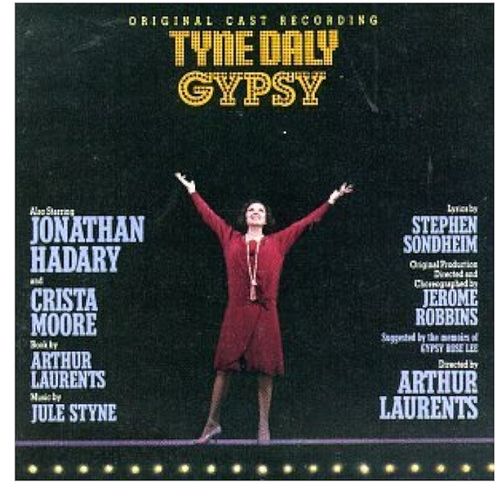
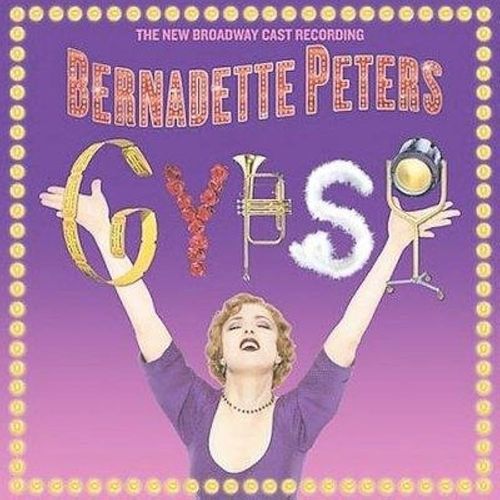
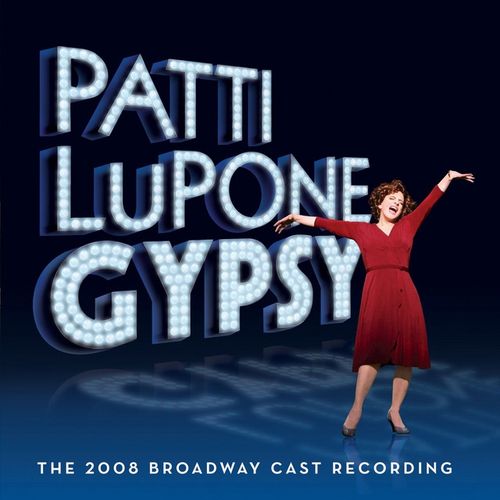
After West Side Story Robbins left New York City Ballet for a time and formed his own company, Ballets: USA, to appear at the Festival of Two Worlds in Spoleto, Italy. For it he made the explosive New York Export: Opus Jazz (1958), a ballet without music called Moves (1959), and other works; the company toured extensively in Europe but — despite enthusiastic notices and even an appearance at the Kennedy White House — it failed to find an ongoing audience in the United States and was disbanded in 1961. In the meantime Robbins had also directed the ultimate backstage musical, Gypsy (1959) with Ethel Merman, and now he began to branch out into non-musical theater. In 1962 he directed the American premiere of Arthur Kopit’s mordant mother-son comedy, Oh, Dad, Poor Dad, Mama’s Hung You In the Closet and I’m Feelin’ So Sad and in 1963 a production of Brecht’s Mother Courage and Her Children starring Anne Bancroft.
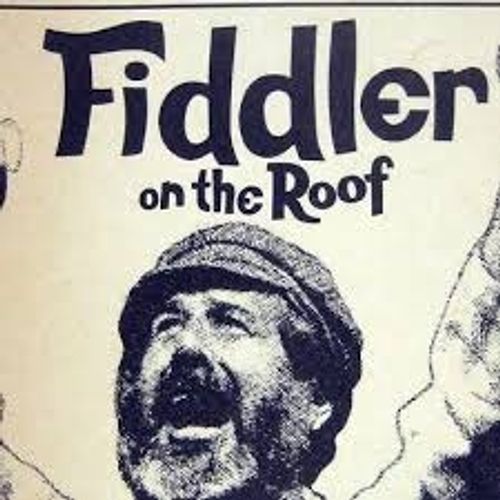
Two Broadway hits followed — both shows he had originally agreed to direct, then withdrew from, and finally returned to when each seemed in danger of shipwreck during out-of-town tryouts. But although reviews for A Funny Thing Happened on the Way to the Forum (1962) didn’t mention his name, and although for Funny Girl (1964) he was listed only as “production supervisor,” he reshaped both those musicals radically. He got full credit and then some, however, for Fiddler on the Roof (1964), the musical setting of Sholem Aleichem stories which he choreographed and directed, bringing to life as an organic musical whole the lost world of the Russian shtetl.
He accomplished a similar feat with his mammoth staging of Stravinsky’s Les Noces (1965) for American Ballet Theatre, but then retreated from the pressures of huge collaborative productions. Broadway was moving in the direction of rock spectacles like Hair and Jesus Christ, Superstar, and Robbins didn’t want to move with it. With the help of a 1966 grant from the National Endowment for the Humanities, he established the American Theatre Lab to explore experimental music-theater techniques, from dance to Noh drama, with a small handpicked company in a workshop setting for a period of two years.
Seemingly re-charged from this work, he re-emerged at City Ballet with Dances at a Gathering (1969), a poignant and playful celebration of youth and love which was widely hailed as a masterpiece. There followed a fertile creative period in which Robbins made such vastly different works as the moonlit, expressive In the Night (1970), The Goldberg Variations (1971), which explored Bach’s thematic geometry, and Watermill (1972), a Noh-like meditation on the passage of a man’s life. In addition he collaborated with Balanchine, with whom he now shared the title of Ballet Master, on dances for Firebird (1970) and Pulcinella (1972) — a demonstration of the collegiality and mutual respect that had always marked their relationship. As Balanchine once said to him, speaking of the legendary Russian ballet master Marius Petipa: “Very few people can do. Petipa, you, me — we can do.”
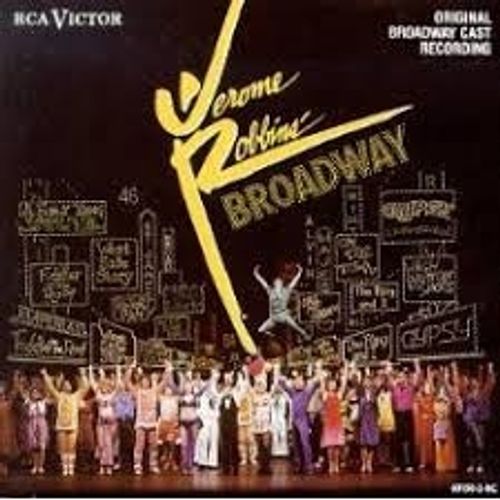
Robbins never really left City Ballet again, except for a leave of absence in 1989 and forays into the theater for workshops of an adaptation of Brecht’s The Exception and the Rule (1987) and of The Poppa Piece (1991), and the triumphant staging of his anthology show, Jerome Robbins’ Broadway (1989), for which he won his fifth Tony Award. Increasingly his work seemed to move in a more and more abstract direction, away from the character-driven dances of his youth — a process reflected in the changes he made in his last collaboration with Bernstein. Premiered as Dybbuk (1974) and based on the S. Anski play, it was first revised as The Dybbuk Variations (1974) and then as A Suite of Dances (1980), a ballet-in-progress which Robbins kept trying to reduce to its essence.
Essence did not mean homogeneity, however: Robbins’s work was still as protean as ever, from the sensuous and jazzy lyricism of In G Major (1975) and the opera-house pyrotechnics of Four Seasons (1979) to the spiky Opus 19: The Dreamer (1979) and the elegiac In Memory of… (1985). He was still experimenting with contemporary music, with ballets to Philip Glass (Glass Pieces, 1983) and Steve Reich (Octet, 1985), but it was Bach who spoke most clearly to him in his last decade, when he made the spare, poetic A Suite of Dances (1994) for Mikhail Baryshnikov to Bach’s suites for unaccompanied cello; the deceptively simple Two- and Three-Part Inventions (1994) for the students of the School of American Ballet, and the exuberant Brandenburg (1997) for City Ballet.
By then he was in fragile health, following a bicycle accident in 1990 and heart-valve surgery in 1994; in 1996 he began showing signs of a form of Parkinson’s disease and his hearing was poor; yet he insisted on staging Les Noces for City Ballet (1998). It was the last thing he did; two months later he suffered a massive stroke, and he died at his home in New York on July 29, 1998.
Robbins had already been made Chevalier of the French Legion of Honor, and had won 5 Donaldson Awards, 5 Tony Awards, 2 Academy Awards, 1 Emmy Award, the Kennedy Center Honors, and numerous other prizes; on the evening of his death, the lights of Broadway were dimmed for a moment in tribute. In the more than sixty years in which he had been active in the theater, he had transformed it because he never stopped asking questions. “Why can’t we do ballets about our own subjects, meaning our life here in America?” he asked before making Fancy Free. And, speaking of the collaboration that made West Side Story, “Why couldn’t we, in aspiration, try to bring our deepest talents together to the commercial theater?” His own work answered both questions in the affirmative.
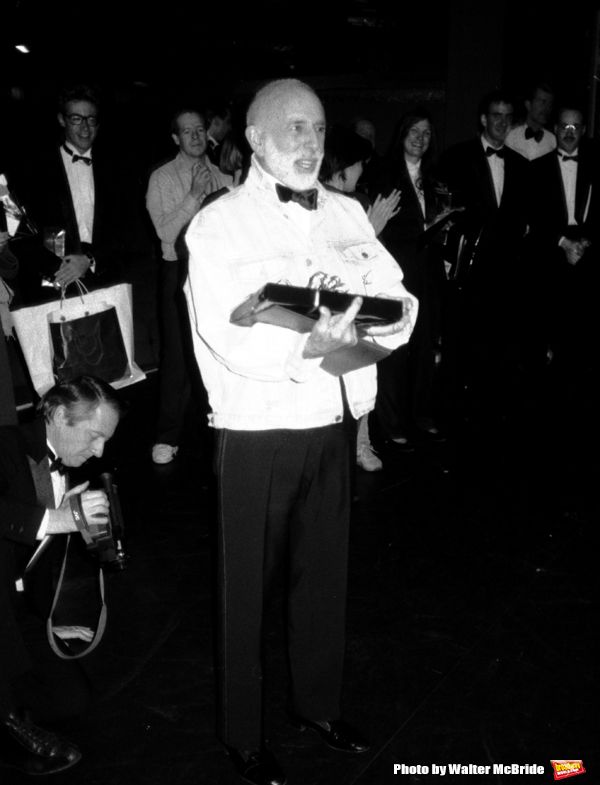
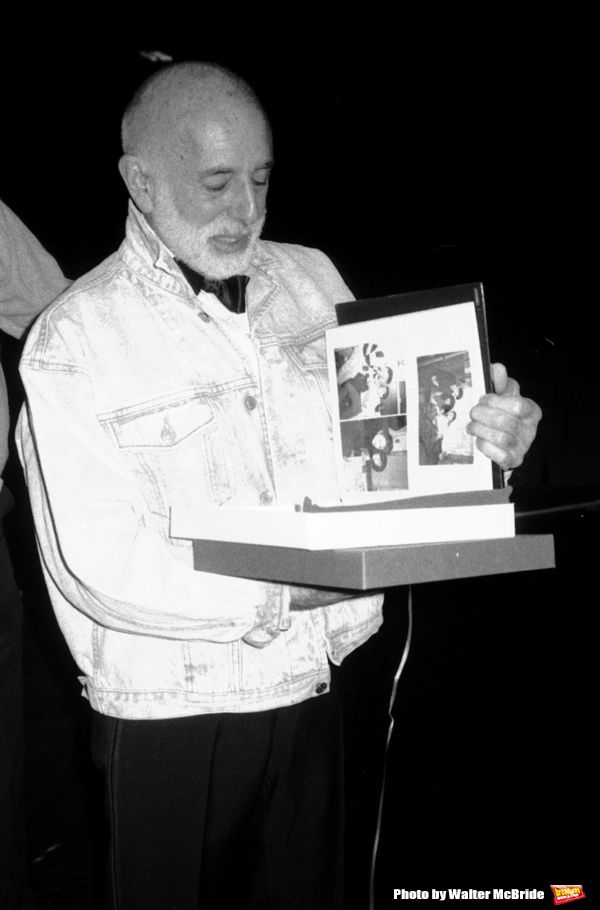
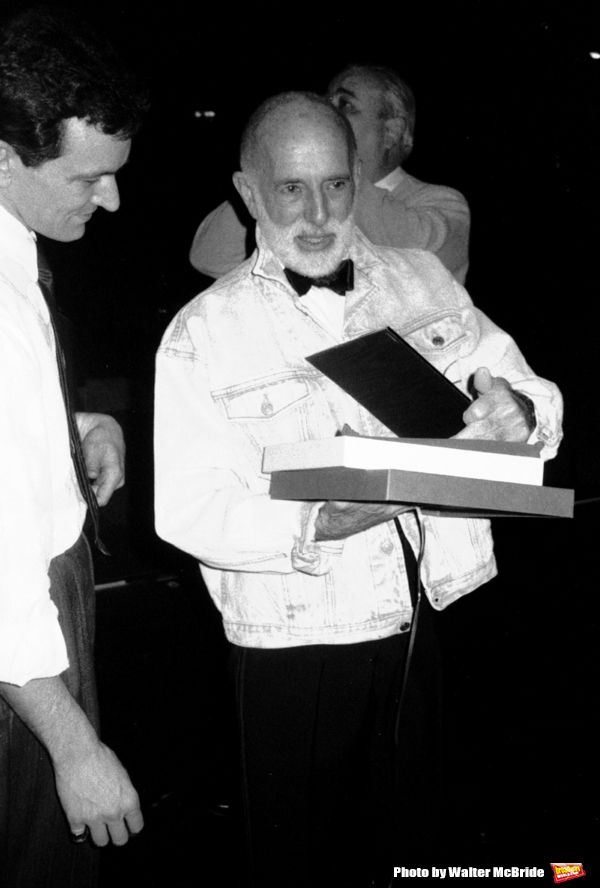
Photos
STAGE CREDITS
Productions








Writing
Awards and Nominations

winner
Jerome Robbins, Jerome Robbins
winner
Jerome Robbins , Jerome Robbins' Broadway
Jerome Robbins
winner
Jerome Robbins, Fiddler on the Roof
winner
Jerome Robbins, Fiddler on the Roof
Jerome Robbins, Mother Courage and Her Children
Jerome Robbins, Gypsy
winner
Jerome Robbins, West Side Story
winner
Jerome Robbins, High Button Shoes
Videos
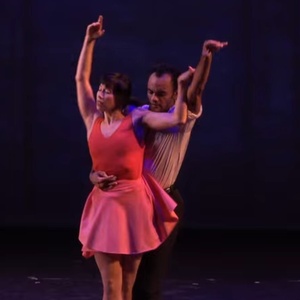 Video: First Look At GOTTA DANCE With American Dance Machine At The York Theatre
by A.A. Cristi - 2025-12-16 23:04:25
Video: First Look At GOTTA DANCE With American Dance Machine At The York Theatre
by A.A. Cristi - 2025-12-16 23:04:25
 Video: New York City Ballet Reflects on Fall Season With Latest Super8 Mixtape
by Stephi Wild - 2025-12-15 08:47:54
Video: New York City Ballet Reflects on Fall Season With Latest Super8 Mixtape
by Stephi Wild - 2025-12-15 08:47:54
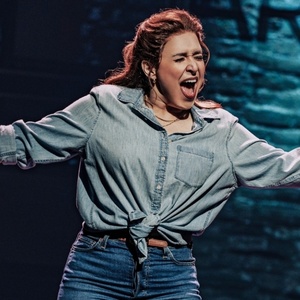 Video: Jessica Vosk Departs HELL'S KITCHEN With An Explosive 'Pawn It All'
by A.A. Cristi - 2025-12-01 21:34:50
Video: Jessica Vosk Departs HELL'S KITCHEN With An Explosive 'Pawn It All'
by A.A. Cristi - 2025-12-01 21:34:50
 Video: FIDDLER ON THE ROOF at Atlanta Opera & Alliance Theatre
by Joshua Wright - 2025-09-12 12:54:49
Video: FIDDLER ON THE ROOF at Atlanta Opera & Alliance Theatre
by Joshua Wright - 2025-09-12 12:54:49
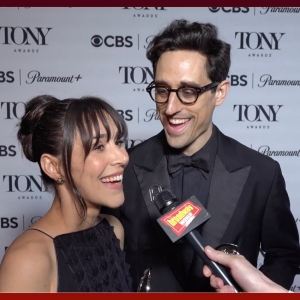 Video: Justin Peck and Patricia Delgado Respond to Tony Win for Best Choreography
by Joey Mervis - 2025-06-08 20:43:24
Video: Justin Peck and Patricia Delgado Respond to Tony Win for Best Choreography
by Joey Mervis - 2025-06-08 20:43:24

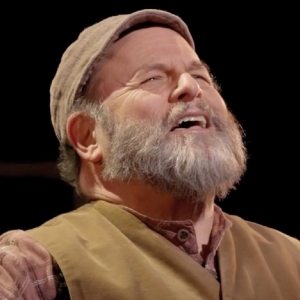
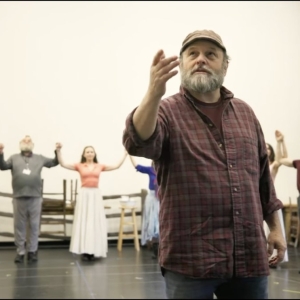 Video: Jason Alexander in Rehearsal for FIDDLER ON THE ROOF
by Blair Ingenthron - 2024-10-25 20:55:46
Video: Jason Alexander in Rehearsal for FIDDLER ON THE ROOF
by Blair Ingenthron - 2024-10-25 20:55:46
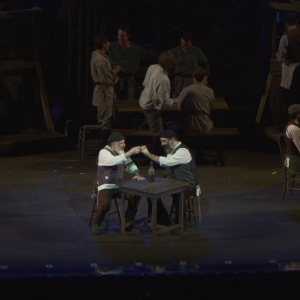
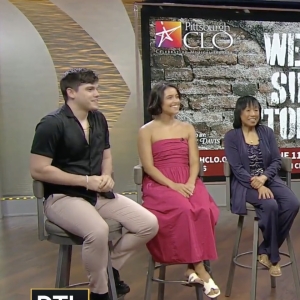 Video: Director Baayork Lee On Taking On WEST SIDE STORY At Pittsburgh CLO
by Joshua Wright - 2024-06-12 13:01:59
Video: Director Baayork Lee On Taking On WEST SIDE STORY At Pittsburgh CLO
by Joshua Wright - 2024-06-12 13:01:59
 Video: How to Spend a Theatre-Filled Day at the New York Public Library for the Performing Arts
by Joey Mervis - 2024-05-25 16:00:20
Video: How to Spend a Theatre-Filled Day at the New York Public Library for the Performing Arts
by Joey Mervis - 2024-05-25 16:00:20
 Video: Trailer For NYC Ballet's 2024 Spring Performance THE FUTURE
by Joshua Wright - 2024-03-18 11:57:18
Video: Trailer For NYC Ballet's 2024 Spring Performance THE FUTURE
by Joshua Wright - 2024-03-18 11:57:18
 Video: Watch Paper Mill's GUN AND POWDER Discussion at Works & Process
by Blair Ingenthron - 2024-03-10 13:42:58
Video: Watch Paper Mill's GUN AND POWDER Discussion at Works & Process
by Blair Ingenthron - 2024-03-10 13:42:58
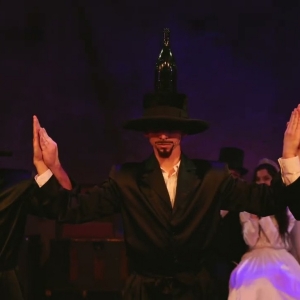 Video: The Bottle Dance from San Diego Musical Theatre's FIDDLER ON THE ROOF
by Joshua Wright - 2024-02-29 17:14:59
Video: The Bottle Dance from San Diego Musical Theatre's FIDDLER ON THE ROOF
by Joshua Wright - 2024-02-29 17:14:59
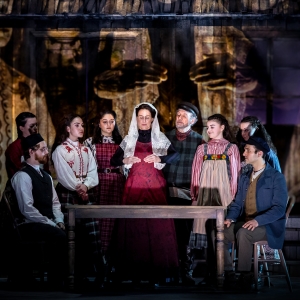 Photos/Video: First Look At FIDDLER ON THE ROOF At Drury Lane Theatre
by A.A. Cristi - 2024-02-06 23:49:55
Photos/Video: First Look At FIDDLER ON THE ROOF At Drury Lane Theatre
by A.A. Cristi - 2024-02-06 23:49:55
 Video: NYC Ballet Presents 75 Years of the Extraordinary with Patricia McBride
by Joshua Wright - 2024-02-05 13:02:15
Video: NYC Ballet Presents 75 Years of the Extraordinary with Patricia McBride
by Joshua Wright - 2024-02-05 13:02:15
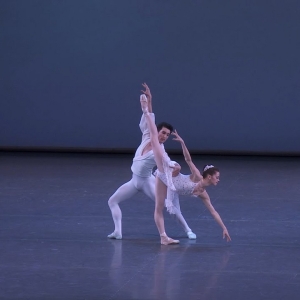 Video: NYCB's Megan Fairchild Discusses George Balanchine's BALLO DELLA REGINA: Anatomy of a Dance
by Blair Ingenthron - 2024-02-03 14:06:29
Video: NYCB's Megan Fairchild Discusses George Balanchine's BALLO DELLA REGINA: Anatomy of a Dance
by Blair Ingenthron - 2024-02-03 14:06:29
News

by A.A. Cristi - Mar 7, 2026
Kansas City Ballet Artistic Director Devon Carney has announced the company’s 2026–2027 season, which will feature a mix of classic ballet works, contemporary choreography, and family programming.
by A.A. Cristi - Mar 4, 2026
Just In Time on Broadway will welcome some new stars this spring! It was announced this morning that Tony and Grammy Award winner Debbie Gravitte will join the cast as Polly beginning Wednesday, April 1, 2026, with Carrie St. Louis joining in the role of Sandra Dee beginning Tuesday, April 21, 2026.
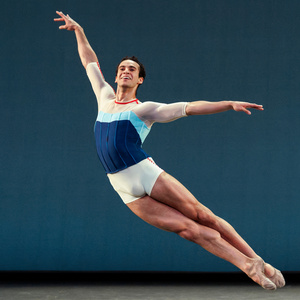
by A.A. Cristi - Mar 3, 2026
New York City Ballet has announced that Ryan Tomash has been promoted from Soloist to Principal Dancer. The promotion was made by NYCB Artistic Director Jonathan Stafford and Associate Artistic Director Wendy Whelan following the matinee performance on Saturday, February 28, in which Tomash danced a leading role in Jerome Robbins' Dances at a Gathering.

by Chloe Rabinowitz - Feb 25, 2026
Broadway performer Sondra Lee died of natural causes in her New York City apartment at age 97. Throughout her nine-decade career, Lee won awards as a dancer, actor, teacher, author, stage director, playwright, theatre and film consultant and painter.

by Chloe Rabinowitz - Feb 24, 2026
The Shawnee Playhouse will present a special adaptation of Fiddler on the Roof, Sr. featuring a cast of actors over fifty-five. This production, directed by Midge McClosky, stars seasoned talent from The Poconos.
by Stephi Wild - Feb 24, 2026
92NY Harkness Dance Center will present a masterclass workshop with renowned ballet dancer Megan Fairchild, offering an exclusive educational opportunity for dancers.
by Chloe Rabinowitz - Feb 20, 2026
Flamenco Festival New York celebrates its 25th anniversary with a special lecture and live performance honoring the legacy of La Argentinita, a pivotal figure in 20th-century Spanish art.

by A.A. Cristi - Feb 19, 2026
Karen Mason will celebrate her 75th birthday with a special concert at Birdland Jazz Club. Directed by Barry Kleinbort with music direction by Christopher Denny, the evening will feature Broadway favorites and personal stories from Mason’s award-winning career.

by A.A. Cristi - Feb 18, 2026
Saratoga Performing Arts Center (SPAC) has announced its 2026 NEW YORK CITY BALLET (NYCB) residency from July 8-11 as part of its celebratory 60th anniversary season.

by Stephi Wild - Feb 18, 2026
Saratoga Performing Arts Center has announced its 2026 NEW YORK CITY BALLET (NYCB) residency from July 8-11 as part of its celebratory 60th anniversary season.
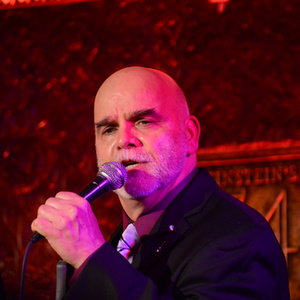
by Chloe Rabinowitz - Feb 17, 2026
Mark Manley, known for his roles in Broadway productions like Fiddler on the Roof has died at age 71 due to Alzheimer's Disease. He passed away in Danvers, Massachusetts, with his husband by his side.
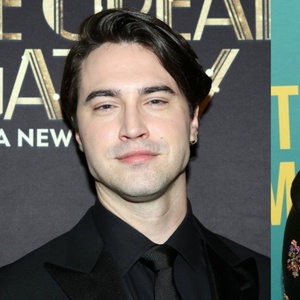
by Chloe Rabinowitz - Feb 16, 2026
Washington National Opera has revealed new venues and dates for its production of Bernstein's West Side Story, which will star Ryan McCartan and Shereen Pimentel.

by Jennifer Ashley Tepper - Feb 15, 2026
For the past two seasons, 14 or 15 new musicals have opened on Broadway. Even in the challenging first two seasons coming out of the pandemic, Broadway saw 8 or 9 new musicals opening. And in the last four full seasons prior to the pandemic, Broadway saw an average of 11 new musicals per season. What gives?
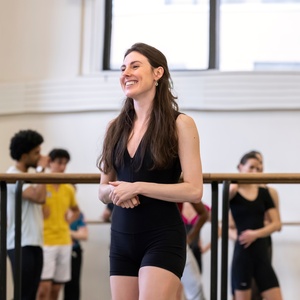
by Stephi Wild - Feb 13, 2026
On Thursday, May 7, 2026, New York City Ballet will present its 2026 Spring Gala, Set in Stone: Creation & Preservation, with a one-time only gala program featuring a World Premiere by choreographer and NYCB Principal Dancer Tiler Peck.

by Stephi Wild - Feb 12, 2026
Broadway star Jessica Vosk will grace the stage at bergenPAC on March 14, bringing her acclaimed vocal performance to Englewood, New Jersey. Learn more here!
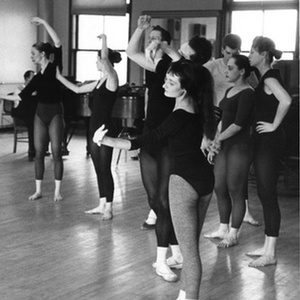
by A.A. Cristi - Feb 10, 2026
MTI Concert Dance, a division of Music Theatre International, has announced that the company has entered an agreement to exclusively license a series of works created by renowned choreographer José Limón to professional companies, the second choreographer's works to be included in the MTI catalogue.

by Elliot Lanes - Feb 9, 2026
Today’s subject Susan Jaffe is currently living her theatre and dance lives as the Artistic Director of One the country’ finest dance companies American Ballet Theatre (ABT). She assumed the post in December of 2022. ABT is coming to town this week for a weeklong engagement of the Christopher Wheeldon choreographed The Winter’s Tale. The show performs in the Opera House at Kennedy Center from February 11th through 15th.
by Gillian Blum - Feb 9, 2026
Applications are now open for the 2026 Charlie Blackwell Symposium Scholarship for Stage Managers of Color. Recipients of the scholarships receive free registration to the Broadway Stage Management Symposium.
by Chloe Rabinowitz - Feb 5, 2026
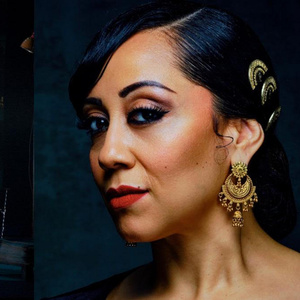
The Uptown Rhythm Dance Festival will return to Works & Process, co-presented with 92NY and Dormeshia's Ladies in the Shoe Tap Conference. The festival's closing performance features works by Kukai Dantza and Xianix Barrera.
by A.A. Cristi - Feb 4, 2026
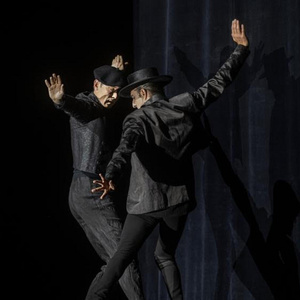
The Uptown Rhythm Dance Festival will showcase performances by Kukai Dantza and Naomi Funaki at the Guggenheim's Peter B. Lewis Theater on March 8, 2026.
FREQUENTLY ASKED QUESTIONS
Jerome Robbins has appeared on Broadway in 3 shows.
Jerome Robbins has not appeared in the West End
Jerome Robbins has been nominated for several awards throughout his career. These include Special Awards (Drama Desk Awards), Best Direction of a Musical (Tony Awards) for "Jerome Robbins' Broadway" and "Fiddler on the Roof," Outstanding Achievement of the Year in Dance (Olivier Awards), Producer (Dramatic) (Tony Awards) for "Mother Courage and Her Children," and Best Choreography (Tony Awards) for "Fiddler on the Roof," "Gypsy," "West Side Story," and "High Button Shoes."
Jerome Robbins has won several awards throughout his career. He received Special Awards from the Drama Desk Awards. He won the Tony Award for Best Direction of a Musical for "Jerome Robbins' Broadway" and "Fiddler on the Roof." Additionally, he won the Tony Award for Best Choreography for "Fiddler on the Roof," "West Side Story," and "High Button Shoes."
Jerome Robbins has written 3 shows including On the Town (Source Material), Two's Company (Sketches), West Side Story (Source Material).
Videos