


Feature: 10 Questions with Director Naomi Wayne of SRING AWAKENING at PRISM Performing Arts
Now on stage through December 21st, 2025.
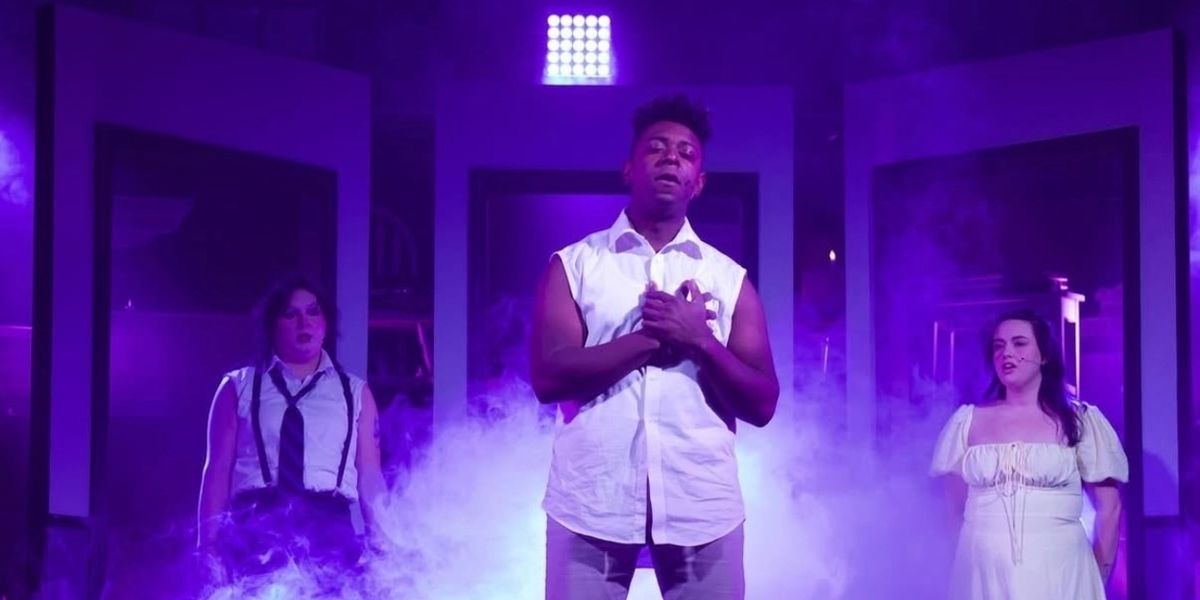
Naomi Wayne took some time to answer some questions about PRISM's inaugural production of Spring Awankening!
How do you think this show speaks to the times we are currently living in?
Much to my chagrin, we live in a culture that worships misinformation, lack of education, and a removal of agency. People are so frightened by a changing world that they will gladly look to someone charismatic and willful to tell them what to do, ignoring the consequences. The book of Spring Awakening directly critiques that, showing a community of frightened adults listening to a few loud, vicious voices while we watch their children bear the punishment for it.
It’s horrifying, but the show ends on quite a hopeful note despite the incredible hardships these young people have been through at the hands of those tasked with caring for them. I hope that it can help audiences confront their own fear and shame while still leaving them hopeful for a brighter future.
When did you first come to know the show, and when did you decide it was something you wanted to direct?
I was introduced to this show when its First National Tour was running. I was in higschool and during the Act I song My Junk my mother turned to me and whispered, “You should play that character,” pointing to Hanschen, one of the teenage boys. She must be a psychic, because a few years later I was cast as Hanschen in the University of Kentucky Theatre Dept’s production of Spring Awakening. When Tony Lewis approached me and asked if I was interested in directing the show, it was a pretty quick yes for me. I love the music and the story, and I also feel quite passionate about advocating for and taking care of the actors who are tackling this emotionally challenging material.
The music in the show is so vast and soul stirring, do you have a favorite number in the show? Either to watch or in general?
My favorite number to watch in our production is the Act II ballad Whispering. Grace Greenwell, our Wendla, sings it so beautifully and the scene work going on around her is deftly acted. That along with the incredible lighting design make it one of the most striking moments in the show to me.
What do you think makes your production stand out from the numerous productions that have come before?
I think having such a heavily femme leadership team helps illuminate parts of the story that are often lost. Spring Awakening is a story that uses the suffering of the women around the main character to prop up his growth and journey. While that definitely reflects a lot of people’s lived reality, I think productions often sideline the femme characters because they don’t question why these women are written like props for Melchior to learn from.
Here we have a trans woman directing, a black woman assistant directing, a woman choreographing, a gender queer person music directing, and multiple roles in the show typically cast as men reimagined in a more gender expansive way. Having a creative team and a cast with a fresh perspective allows us to illuminate the material without changing a single word or note.
As a director, can you describe your process?
Credit to my directing style goes to many people, but especially to the team at Actor’s Theatre of Louisville. I was cast in their most recent production of Kate Hammill’s Dracula and learned so much about how I wanted to treat my actors from that process. My goal is to have a strong visual plan that I can guide my actors into on stage while finding the right questions to ask them to bring out vital, interesting performances. I don’t cast actors to mold them into what I want, I cast them because what they bring to the table in auditions is so intriguing and makes me think about the material in a new light. Then my job is to show them they have agency to genuinely collaborate and bring their full selves to the final product. I hope I achieved that here.
What inspiration did you draw from for your production? Whether it’s from personal experience or other realms of pop culture?
I’ve worked with Drag Daddy Productions on many shows before and, even though this show is the first under the Prism Performing Arts banner, I still wanted it to live in the Drag Daddy world. I think there’s something quite powerful about having a through line from one production to another so your audience has a visual language they know and understand when they step into the theater.
Both myself and our choreographer Leigh Nieves used a lot of common Drag Daddy threads— strong religious imagery, a celebration of the irreverent, a fine balance of comedy and drama, as well as the use of colorful lighting and a scaled back set and costuming design. These are the things I wanted to reference so, while I was a guest director, the show remained true to what producer Tony Lewis has been cultivating for the last few years here in Louisville.
I think that’s slightly off from where your question was leading, but it’s the answer that feels most relevant to me!
Everyone’s answer is different, but what is your interpretation of what “Song of Purple Summer” means?
When I performed Spring Awakening at UK, we worked with Broadway rock coach Sheri Sanders who called the music of the show “faerie music.” What she meant was that the specifics of the lyrics are less important than the mood and feel of the song. Purple Summer is the greatest example of that in the show. Frankly, I have no idea what the lyrics really mean, but they touch on imagery of freedom, beauty, romance, and moving forward. Leigh Nieves brilliantly conceived the ending image of the show based on those ideas. I won’t spoil it for anyone who still hasn’t seen our production, but I hope this final song of the show elicits all of those feelings for you.
I feel everyone sees themselves somewhere in the show. Is there a character you identify with?
I think I feel the most like Frau Gabor, Melchior’s mother. I have grown up a marginalized person in the world who continues to find herself in positions of leadership. While I fight for people to be treated as whole and empowered, I often lose myself in the frustration of how hard that battle is. She is the one adult we see in the show who fights for her children’s futures but it is an uphill battle that we do not see her win in the context of the show. It’s heartbreaking and touches me every night. I couldn’t be more grateful for our actress Laura Krauser for portraying Frau Gabor, and all the adult women, with so much care and empathy.
What shows in the future would excite you to direct?
I want to direct a new work! I have looked at the cost of rights for theatrical productions and they are so prohibitively expensive in a world of inflation and capitalistic greed. The only way I think theatre will remain vital and expressive is if we foster new, scrappy work from voices that struggle to be heard through traditional means.
What do you hope audiences take away from this production?
The character Anna says it best in the show, “When I have children, I’ll let them be free. And they’ll grow strong and tall.” That’s what I want for every audience member, that they can feel free, empowered, and can hold their heads up proudly. We all deserve that.
SRING AWAKENING
RUNNING NOW - DEC 21st
PRISM PERFORMING ARTS at ART SANCTURAY
|
Heartbreak Hotel Derby Dinner Playhouse (8/12-9/27) |
|
Misery Ramsey Theatre Company (3/19-3/20) |
|
97.5 WAMZ Acoustic Jam The Louisville Palace (12/09-12/09) |
|
Golden Girls The Laughs Continue Paramount Arts Center (11/04-11/04) VIDEOS |
|
Disney Presents The Lion King Whitney Hall (11/12-11/29) |
|
The Rocky Horror Picture Show Spooktacular Tour with Nell Campbell The Louisville Palace (10/03-10/03) |
|
Leanne Morgan KFC Yum! Center (11/20-11/20) |
|
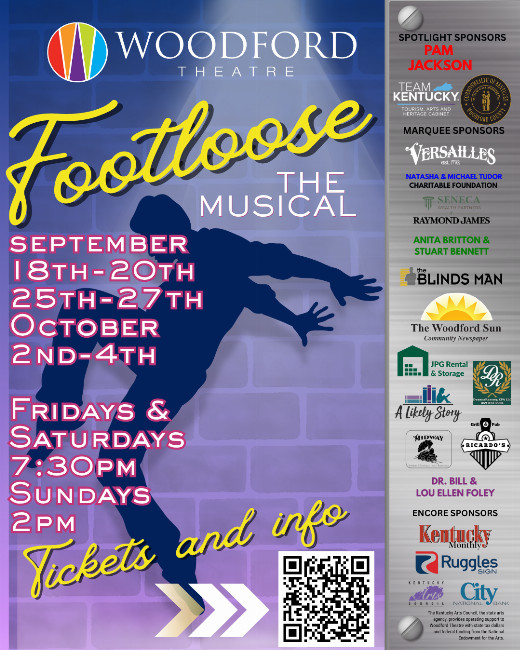
Footloose Woodford Theatre (9/18-10/04) |
|
Disney's The Little Mermaid Ramsey Theatre Company (6/26-6/27) |
|
The Rocky Horror Picture Show Spooktacular Tour with Nell Campbell SKYPAC (10/15-10/15) |