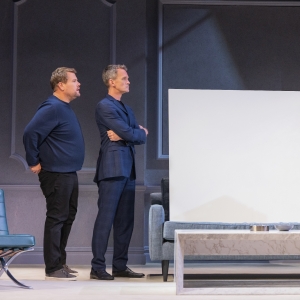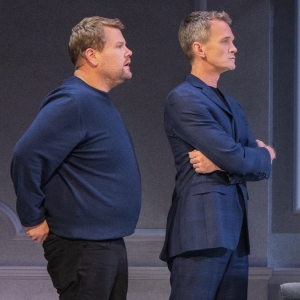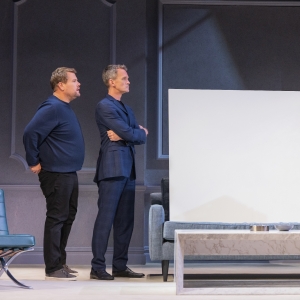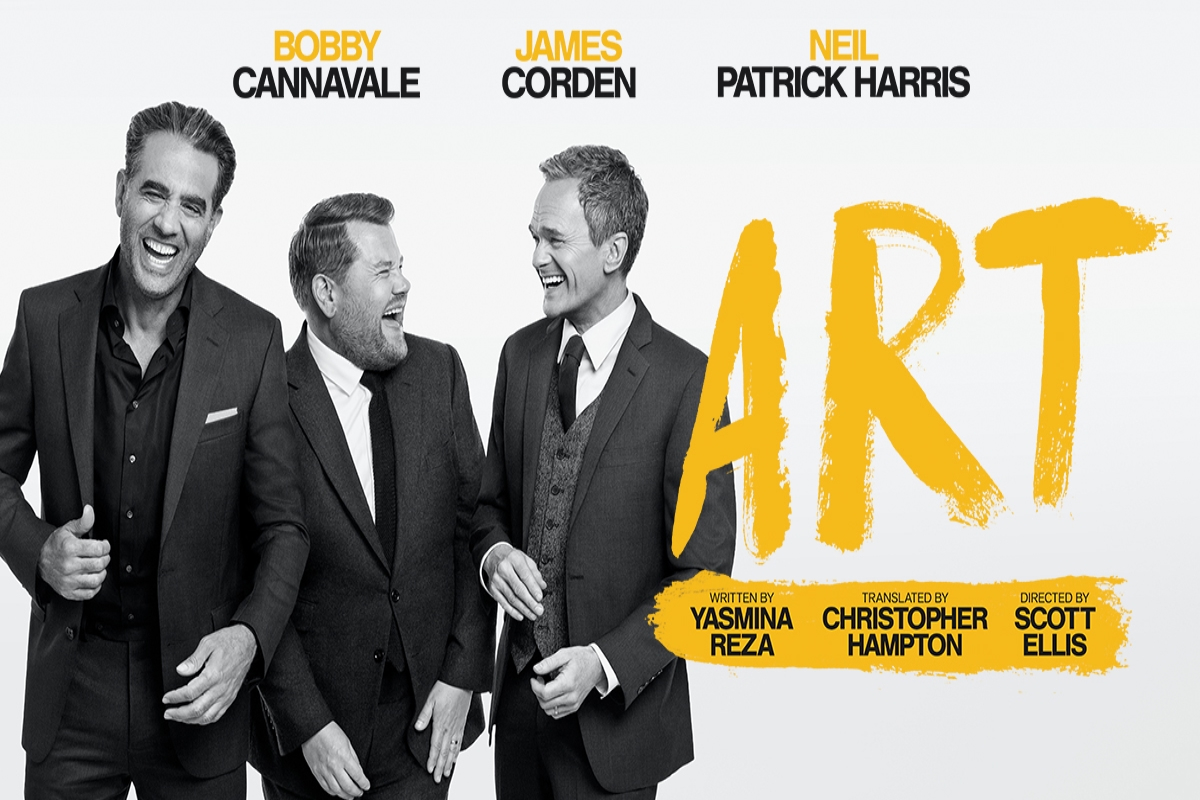



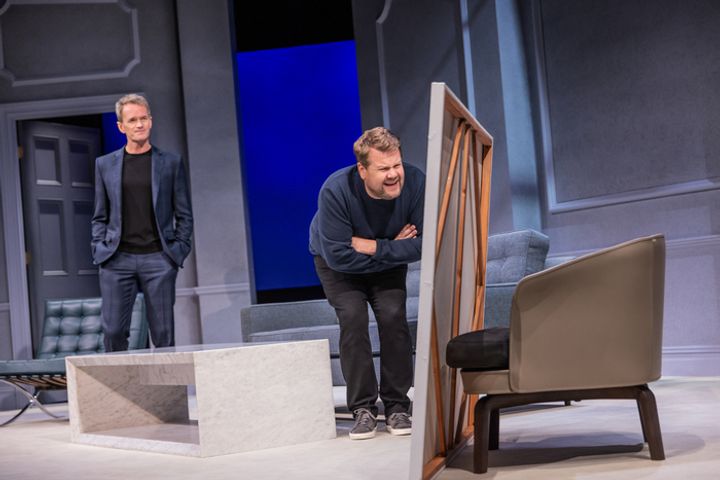
How much would you pay for a white painting? Would it matter who the painter was? Would it be art? One of Marc's best friends, Serge, has just bought a very expensive painting. It's about five feet by four, all white with white diagonal lines. To Marc, the painting is a joke, but Serge insists Marc doesn't have the proper standard to judge the work. Another friend, Ivan, though burdened by his own problems, allows himself to be pulled into this disagreement. Eager to please, Ivan tells Serge he likes the painting. Lines are drawn and these old friends square off over the canvas, using it as an excuse to relentlessly batter one another over various failures. As their arguments become less theoretical and more personal, they border on destroying their friendships. At the breaking point, Serge hands Marc a felt tip pen and dares him: "Go on." This is where the friendship is finally tested, and the aftermath of action, and its reaction, affirms the power of those bonds.
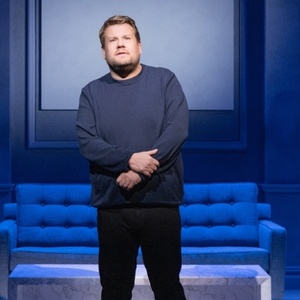
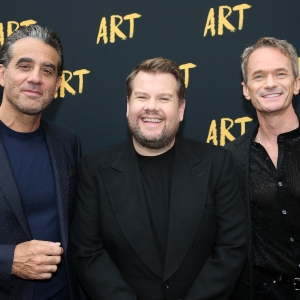
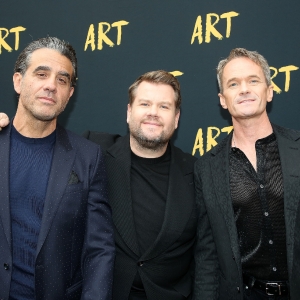
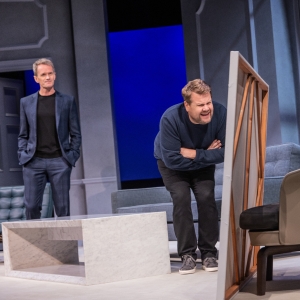
The three performers mesh together beautifully, with Harris providing just the right haughty snobbishness, Cannavale making comic exasperation into an art form, and Corden so lovable and vulnerable you can almost forget how nasty he can be to waiters in real life. Ellis keeps the proceedings moving like a Swiss watch, the precision of his staging well matched by David Rockwell chic set, Linda Cho’s casually elegant costumes, Jen Schriever’s modernistic lighting design, and Kid Harpoon’s subtle music score.
This review isn’t meant to slight Cannavale and Harris: The former is characteristically able to conjure smartest-guy-in-the-room umbrage, as if irritated to even be forced to explain himself, while the latter is at his best when preening over his new investment. (Just under the surface, Harris lets us understand, is a fear that there’s a joke he’s not quite getting.) But it’s Corden, who wraps up his scene of rage pallid and gasping in a manner that somehow doesn’t feel showy and unearned, who’s the standout. When he reaches a point beyond reason, it’s a moment that transforms, first, our sense of what the performer can do and, then, the play itself. Up to Corden’s breakdown, the play’s been in a tradition of talky comedies of manners that stretches from “Seinfeld” back to Wilde and Molière; after it, we’re on more treacherous ground, and, suddenly, anything seems possible. The play itself becomes a blank white space waiting for the actors to color it with something unexpected.
| 1998 | Broadway |
Original Broadway Production Broadway |
| 2016 | West End |
Old Vic London Revival Production West End |
| 2025 | Broadway |
Broadway |
Videos