


Review: SALOME at Wrocław Opera
If you’ve ever been afraid of opera, I have something for you.
The new production in Wrocław looks nothing like what you think opera looks like. Let me explain — and I promise that by the end of this text, you’ll be buying a ticket.
1. Not drawn to the classical aesthetics of opera? Perfect.
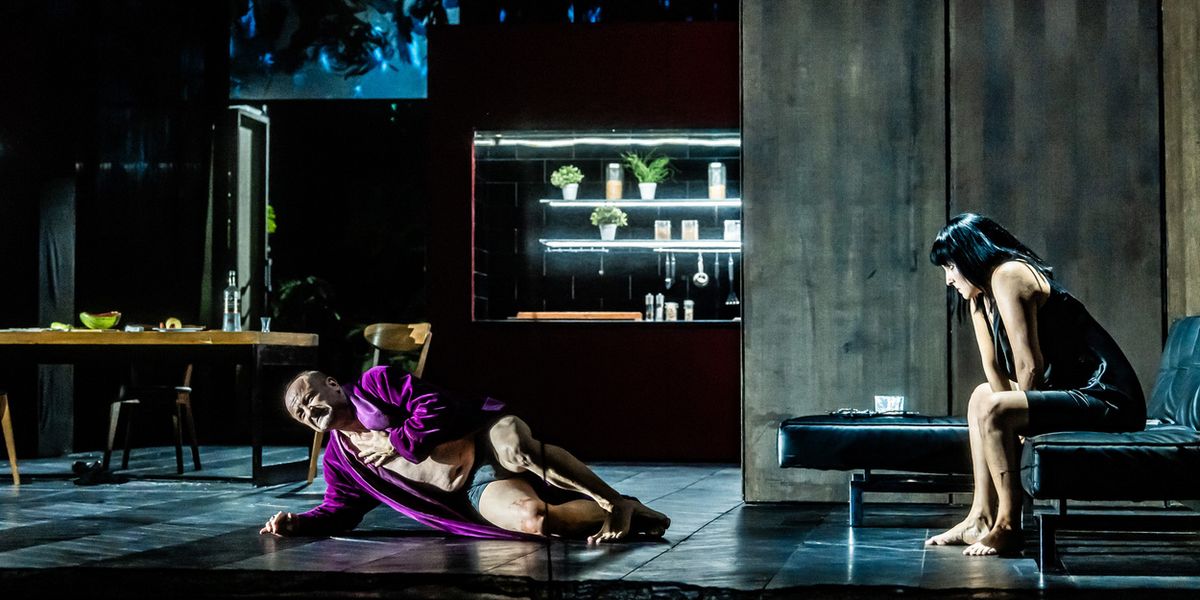
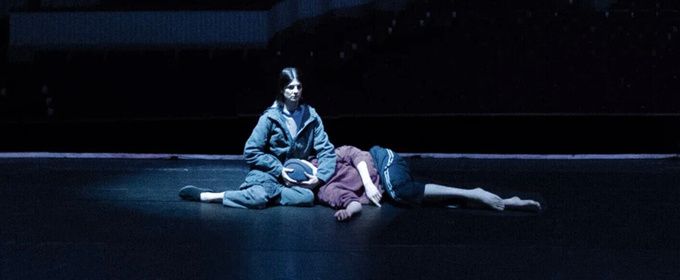
This Salome is modern, but in a very accessible way. Mariusz Treliński, an emblematic figure of contemporary opera direction, firmly anchors the biblical story in the present. Of course, one might expect palaces, crowns, and ancient robes… but you are invited into Herod’s kitchen instead. Singing takes place near a refrigerator in a bathrobe. Herodias eats yogurt. And yet, nothing seems out of place. That’s the beauty of this clever deconstruction of well-known symbols and meanings.
2. You won't be bored. Not for a single second.
Based on Oscar Wilde’s play, the libretto is packed with action, desire, tension, and death — but served in smart, digestible doses. It features a mysterious offstage voice, unexpected stage movements, exceptional lighting (Bogumił Palewicz), an atmosphere subtly reminiscent of The Shining, and yes… spiders (not my personal favorite, but very 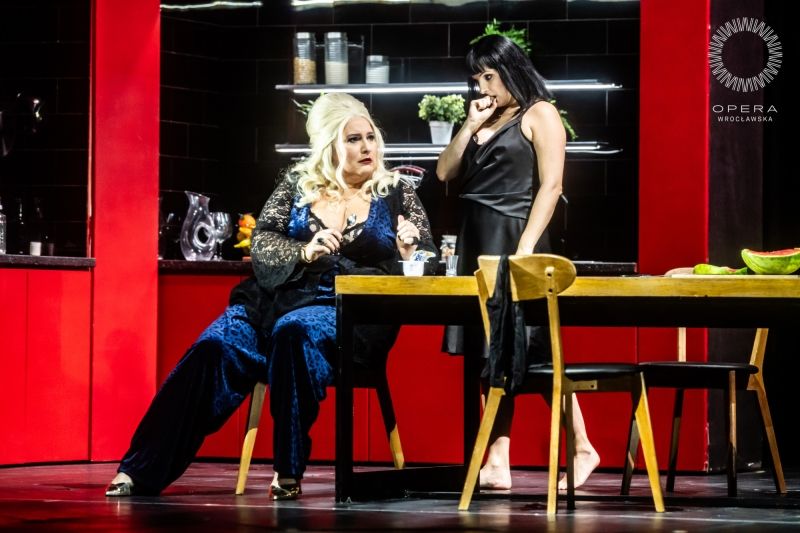 crucial to the action). The experience is less akin to a traditional opera and more to a perfectly paced psychological thriller, where every detail counts.
3. The decor won't overwhelm you; it will seduce you.
While admiring the sets designed by Boris Kudlička (currently director of the Grand Theatre – Warsaw National Opera), I found myself thinking, "I wish my house looked like this." Refined, elegant, with just the right touch of mystery and allure. A play of colors, textures, and space lends a multidimensional quality to the visual world, while Bartek Macias's projections subtly soften the overall effect.
4. Do you love movement? You're in luck.
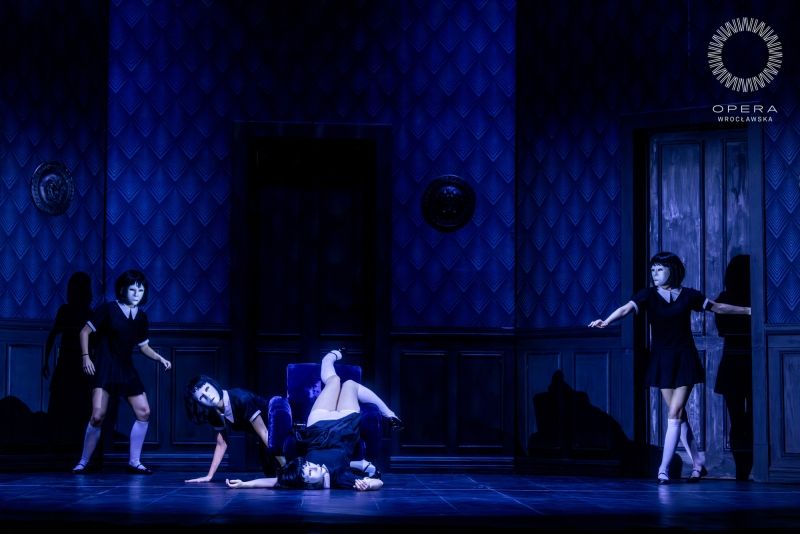 Tomasz Wygoda's stage movements (yes, the same Tomasz Wygoda from Dancing with the Stars) not only infuse the performance with movement but also with genuine psychological tension. There's something profoundly hypnotic about the faceless figures, the controlled choreography, the Hitchcockian suspense. And the Dance of the Seven Veils? Believe me, you've never seen it like this.
5. You came for the voices? Bingo!
Natalia Rubiś, as Salome, is breathtakingly fresh, intense, and honest—as if she were drawing her emotions from the very depths of her being, from her greatest vulnerability (her choices are questionable, but not her voice!). Norbert Ernst's Herod is sharp, unsettling, and deliciously cunning, a man you can't trust for a single second—and rightly so. Barbara Bagińska’s Herodias doesn’t ask for attention — she takes it. Cold, commanding, and gloriously dangerous.
6. And yes, it's short.
No need to commit for four hours. No test of lyrical endurance. These 100 minutes of 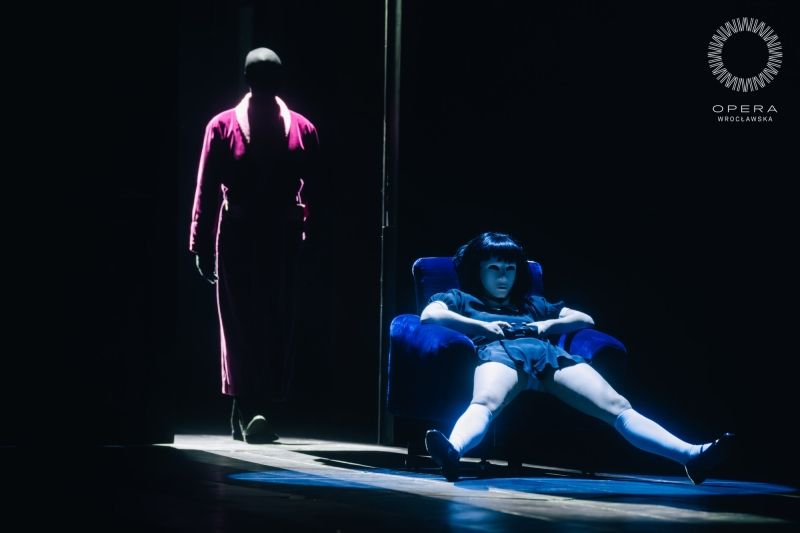 Salome won't exhaust you; on the contrary, they'll leave you craving more.
There is also a wonderful sense of continuity here. The premiere of Salome in Wrocław dates back to 1906 – the second production ever staged – and it was such a success that Richard Strauss himself attended. It was a triumph at the time, and more than a century later, the circle is complete.
This current production was created eleven years ago in Prague, and here's the best part: it hasn't aged a day. No dust, no patina – proof that when an opera is truly successful, time seems to stand still. Apparently, Salome knows how to stay young.
Photo: Karpati&Zarewicz
Otrzymuj wiadomości z Broadwayu na WhatsAppie
Otrzymuj najnowsze aktualności, wiadomości i ekskluzywne treści bezpośrednio w aplikacji.

Sign up for all the news on the Summer season, discounts & more...

Reader Reviews
To post a comment, you must register and login.