See the full schedule of January and February events at Carnegie Hall below!
ENSEMBLE CONNECT
Thursday, January 4 at 7:30 p.m.
(Paul Hall, The Juilliard School)
Ensemble Connect performs a free concert featuring Ligeti's Ten Pieces for Wind Quintet (1968); R. Strauss's Metamorphosen: A Study for 23 Strings (arr. Rudolf Leopold); and Beethoven's Piano Trio in E-flat Major, Op. 70, No. 2.
ROOMFUL OF TEETH
Thursday, January 11 at 7:30 p.m.
(Zankel Hall)
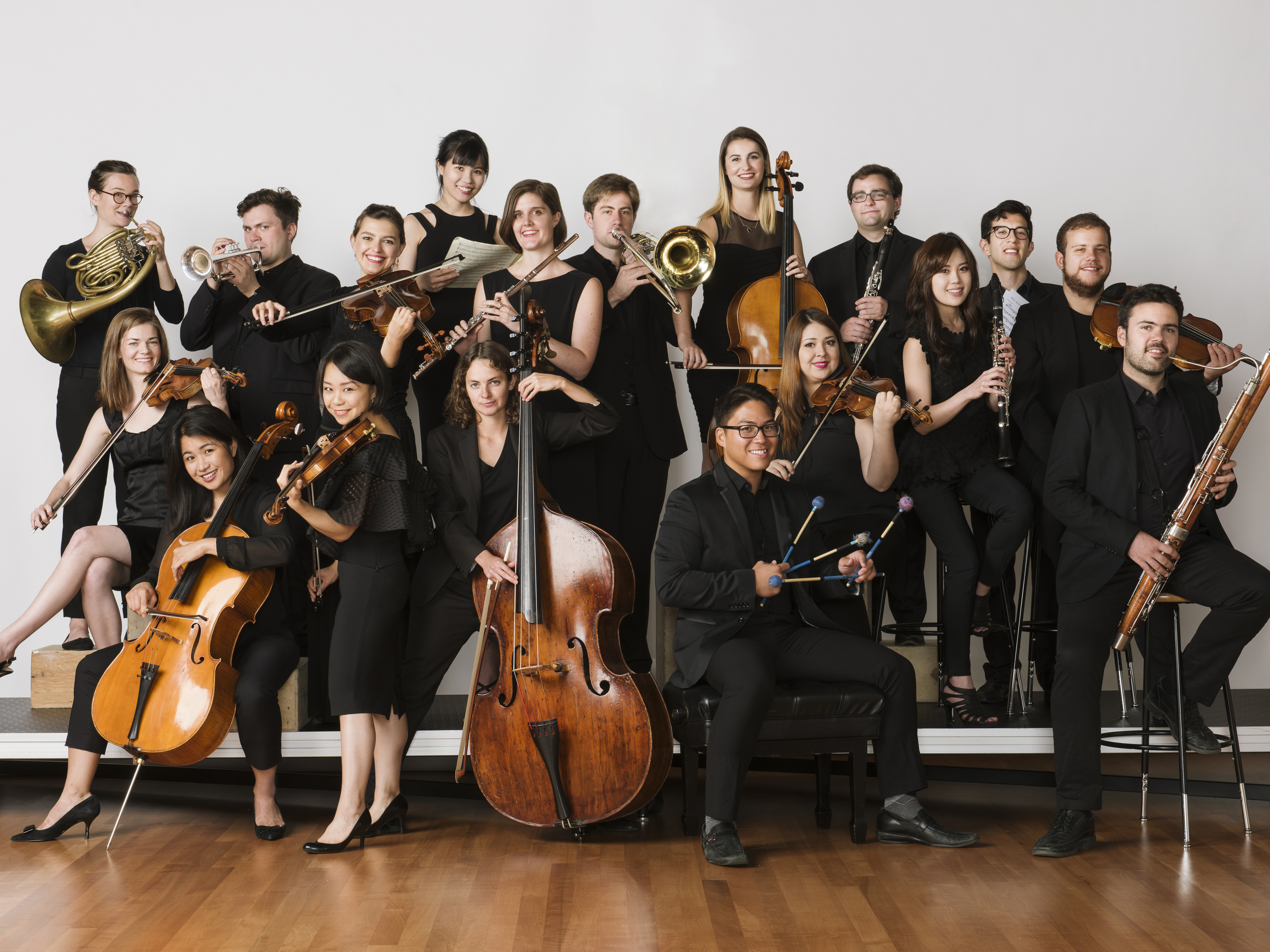
Grammy Award-winning ensemble Roomful of Teeth, under the direction of Artistic Director Brad Wells, is committed to exploring the expressive potential of the human voice by using vocal techniques from around the world. The ensemble presents two New York premieres for this performance: Tigran Hamasyan's Ser Aravote, co-commissioned by
Carnegie Hall as part of its 125 Commissions Project, and Ambrose Akinmusire's a promise in the stillness. Also on the program is Partita, the composition by composer and ensemble member Caroline Shaw for which she received the Pulitzer Prize. A pre-concert talk starts at 6:30 p.m. in Zankel Hall with Caroline Shaw and Tigran Hamasyan in conversation with Jeremy Geffen, Senior Director and Artistic Adviser,
Carnegie Hall .
ROYAL CONCERTGEBOUW ORCHESTRA
Wednesday, January 17 at 8:00 p.m.
Thursday, January 18 at 8:00 p.m.
(Stern Auditorium / Perelman Stage)
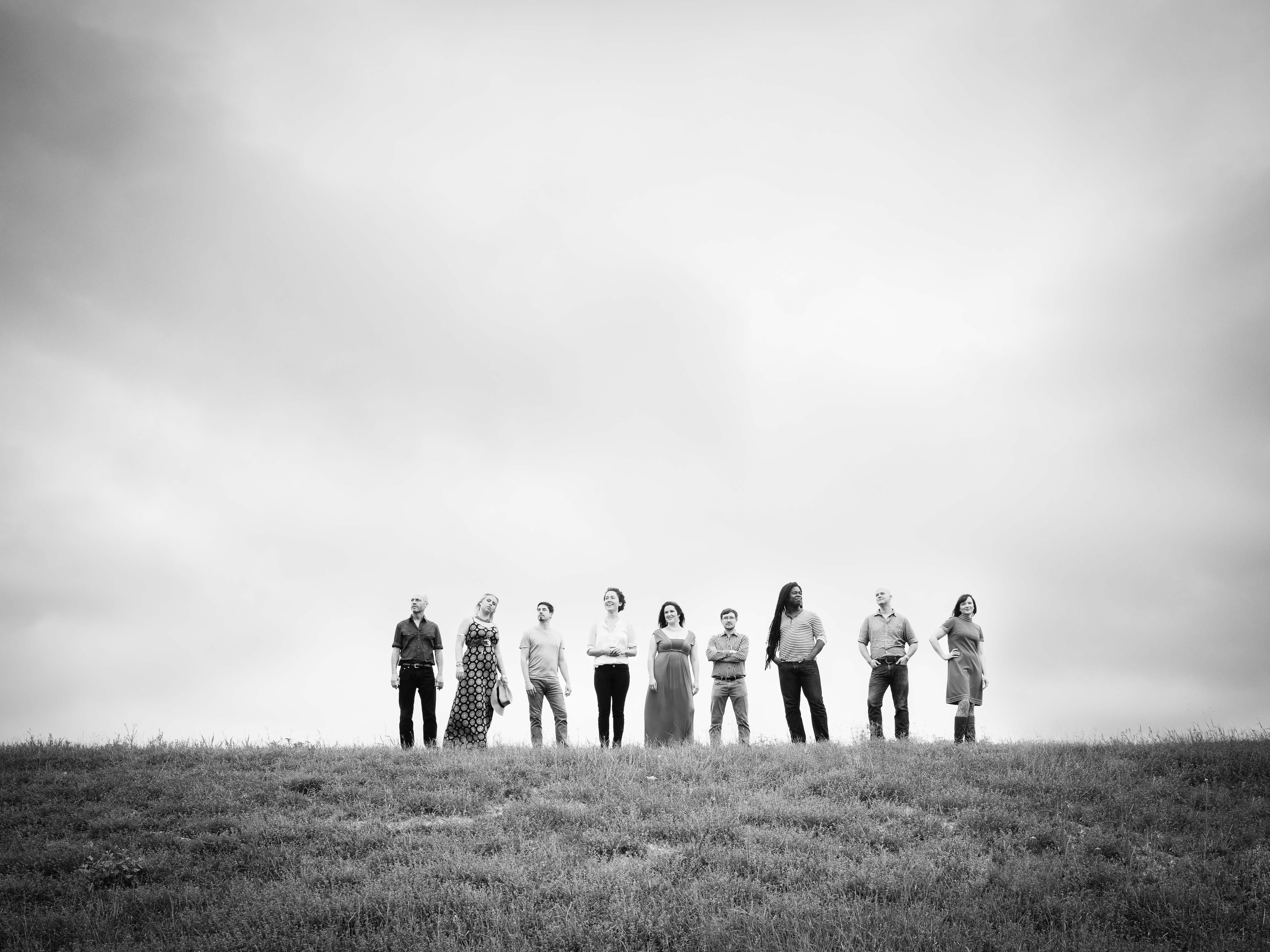
The Royal Concertgebouw Orchestra-under the baton of its newly appointed Chief Conductor Daniele Gatti-returns to
Carnegie Hall for two back-to-back concerts in January. For the first concert, on
Wednesday, January 17 at 8:00 p.m., the orchestra performs excerpts from the prelude to Act III of Wagner's final opera Parsifal, on a program that also includes Bruckner's final
Symphony No. 9 in
N*E*R*D Minor. The following evening, on
Thursday, January 18 at 8:00 p.m., celebrated Dutch violinist Janine Jansen-
Carnegie Hall's Perspectives artist this season-reunites with the orchestra for a performance of Bruch's beloved Violin Concerto No. 1. The second program concludes with a performance of Mahler's
Symphony No. 1 in
N*E*R*D Major. The January 18 performance will be broadcast live on WQXR 105.9 FM in New York and streamed online at
wqxr.org and
carnegiehall.org/wqxr.
THE SONG CONTINUES...
Wednesday, January 23 to Sunday, January 28
(Resnick Education Wing and Zankel Hall)
Renowned mezzo-soprano
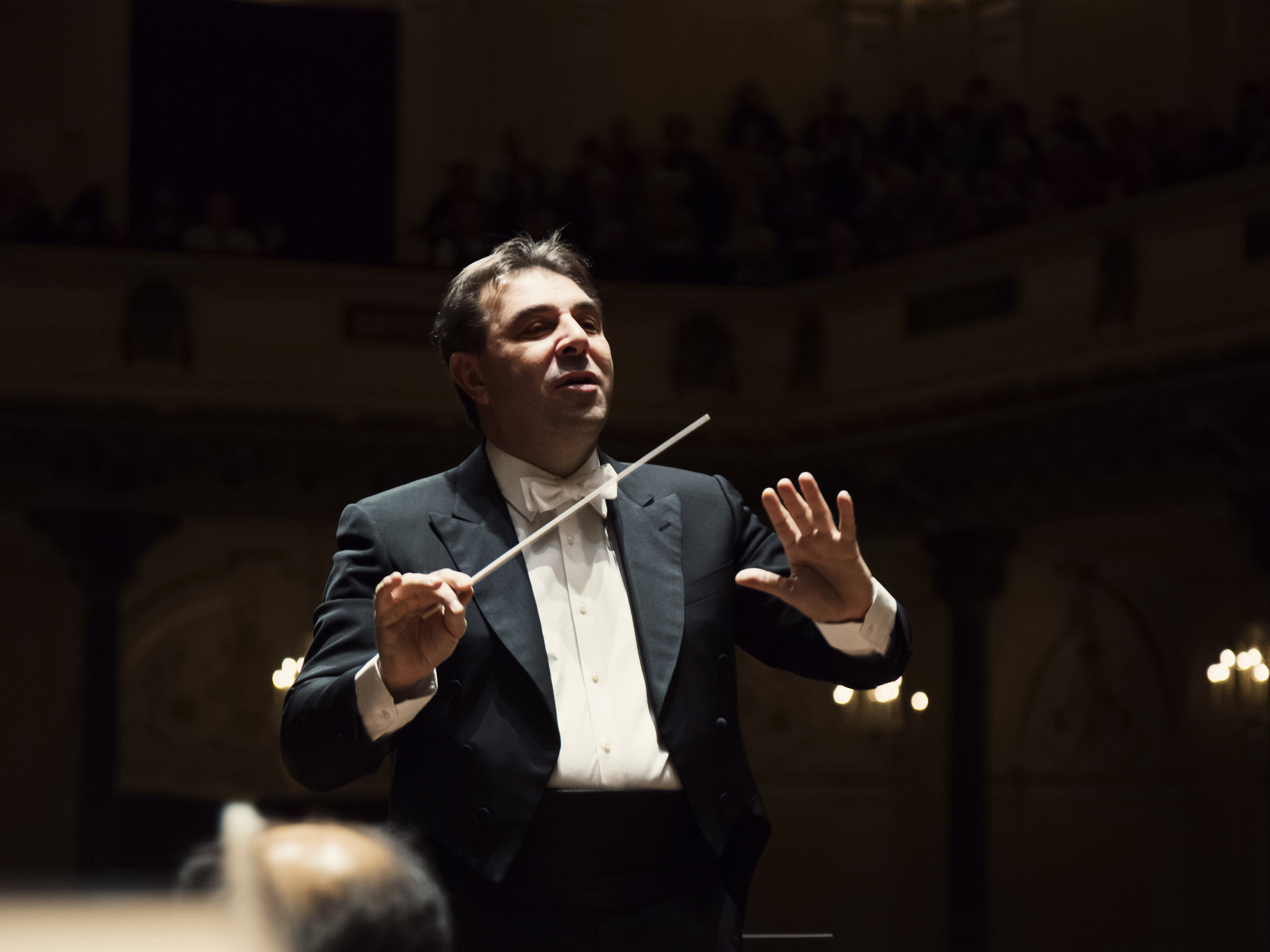
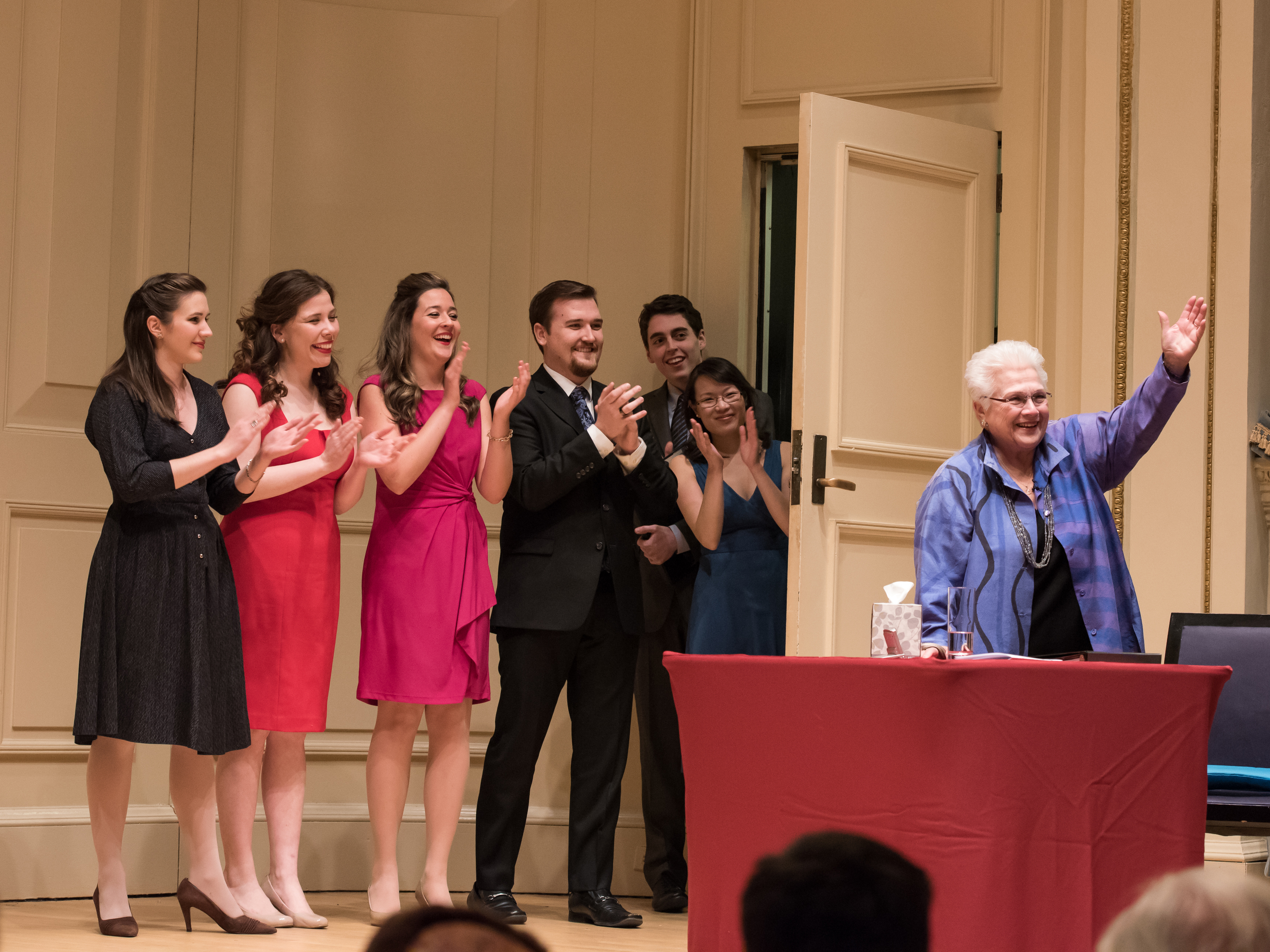
Marilyn Horne (pictured at right) brings The Song Continues-a series of workshops and concerts dedicated to the art of vocal recital-back to
Carnegie Hall from
January 23 to January 28 in her final season as Artistic Advisor before passing the torch to acclaimed soprano Renée Fleming, who will continue this beloved tradition in years to come. This year's programs, presented by
Carnegie Hall's Weill Music Institute, include:
• Three public master classes held in the Resnick
Education Wing, led by mezzo-soprano
Marilyn Horne on
Wednesday, January 24 at 7:30 p.m.; collaborative pianist
Graham Johnson on
Thursday, January 25 at 7:30 p.m.; and soprano Renée Fleming on
Friday, January 26 at 7:30 p.m.
• The legendary
Marilyn Horne-the dynamic, moving force behind The Song Continues-is celebrated in a very special concert, the
Marilyn Horne Song Celebration, which marks the end of her glorious tenure leading the series. Eight singers, who are currently enjoying brilliant careers and who have been mentored by Horne-as well as two magnificent pianists who have enjoyed long and fruitful associations with her-return for a festive evening to honor an inspirational giant of the vocal art. The concert will feature sopranos
Nicole Cabell and
SusannaA. Phillips, mezzo-sopranos Beste Kalender and
Isabel Leonard, tenors Leonardo Capalbo and
Russell Thomas, baritones
Lester Lynch and Edward Parks, and pianists
Warren Jones and Marin Katz.
DENIS MATSUEV
Friday, January 19 at 7:00 p.m.
(Stern Auditorium / Perelman Stage)
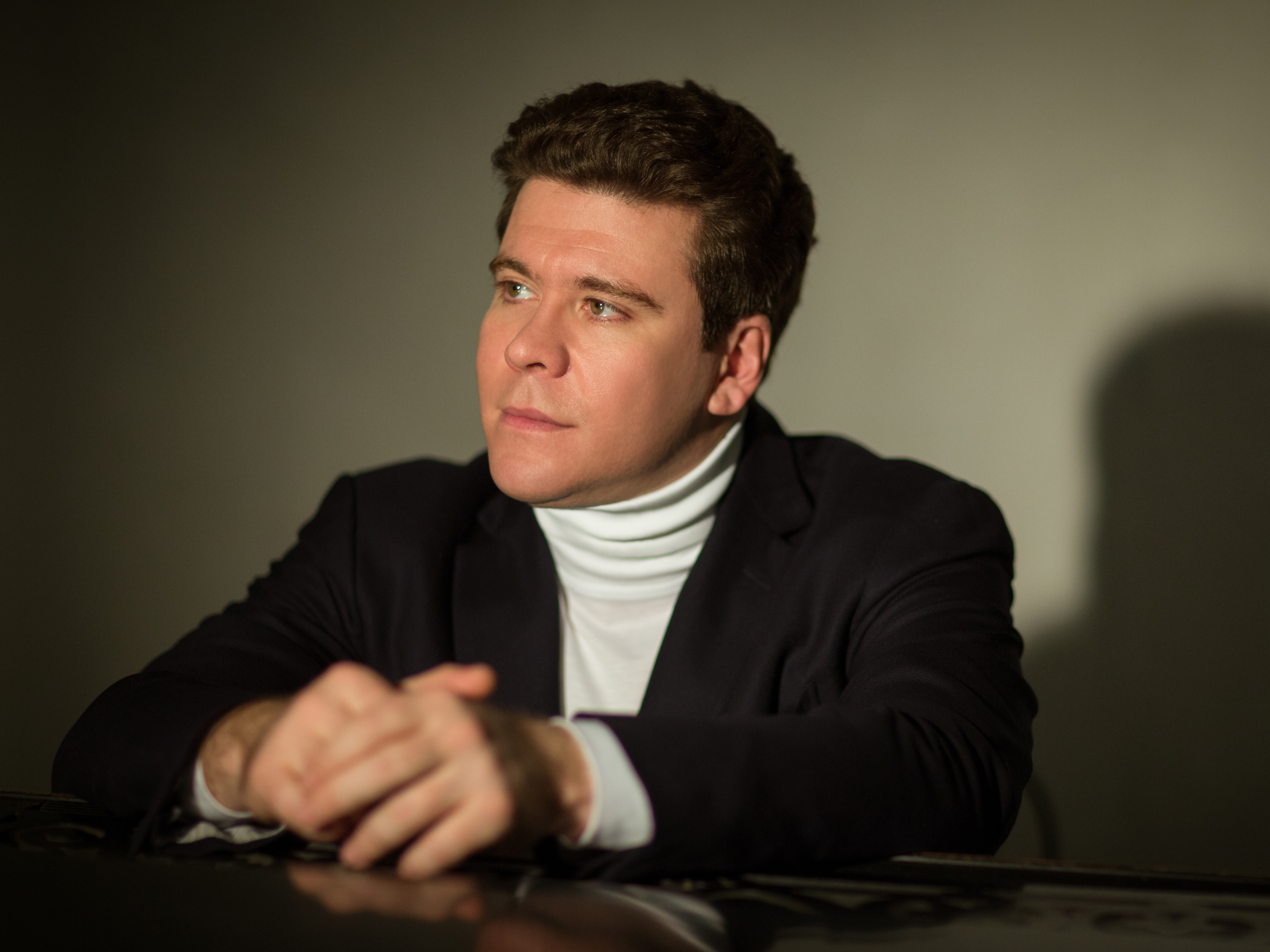
Pianist
Denis Matsuev gives a solo recital, playing Beethoven's Piano Sonata No. 31 in A-flat Major, Op. 110 and Piano Sonata No. 17 in
N*E*R*D Minor, Op. 31, No. 2, "The Tempest," as well as Tchaikovsky's Piano Sonata in G Major, Op. 37.
ROBERT MEALY AND FRIENDS
Friday, January 19 at 7:30 p.m.
(Weill Recital Hall)
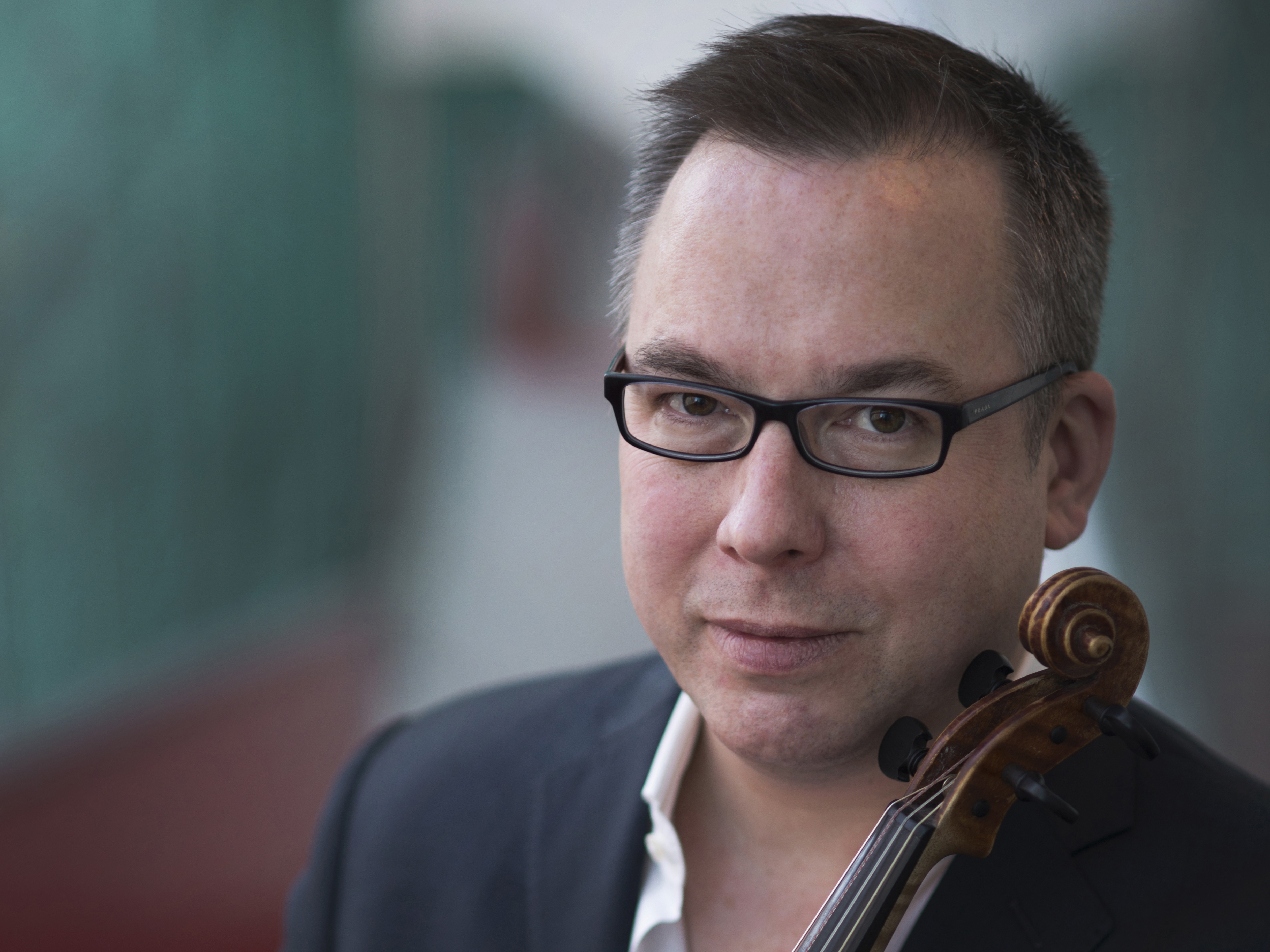
Robert Mealy-the preeminent American period instrument violinist-collaborates with longtime partners Beiliang Zhu (viola de Gamba), Avi Stein (organ and harpsichord), and Charles Weaver (theorbo and guitar) for a concert of virtuosic and extravagant music by such 17th-century innovators as Castello, Pandolfi, Erlebach, Biber, and Schmelzer.
KRONOS QUARTET
Friday, January 19 at 9:00 p.m.
(Zankel Hall)
The
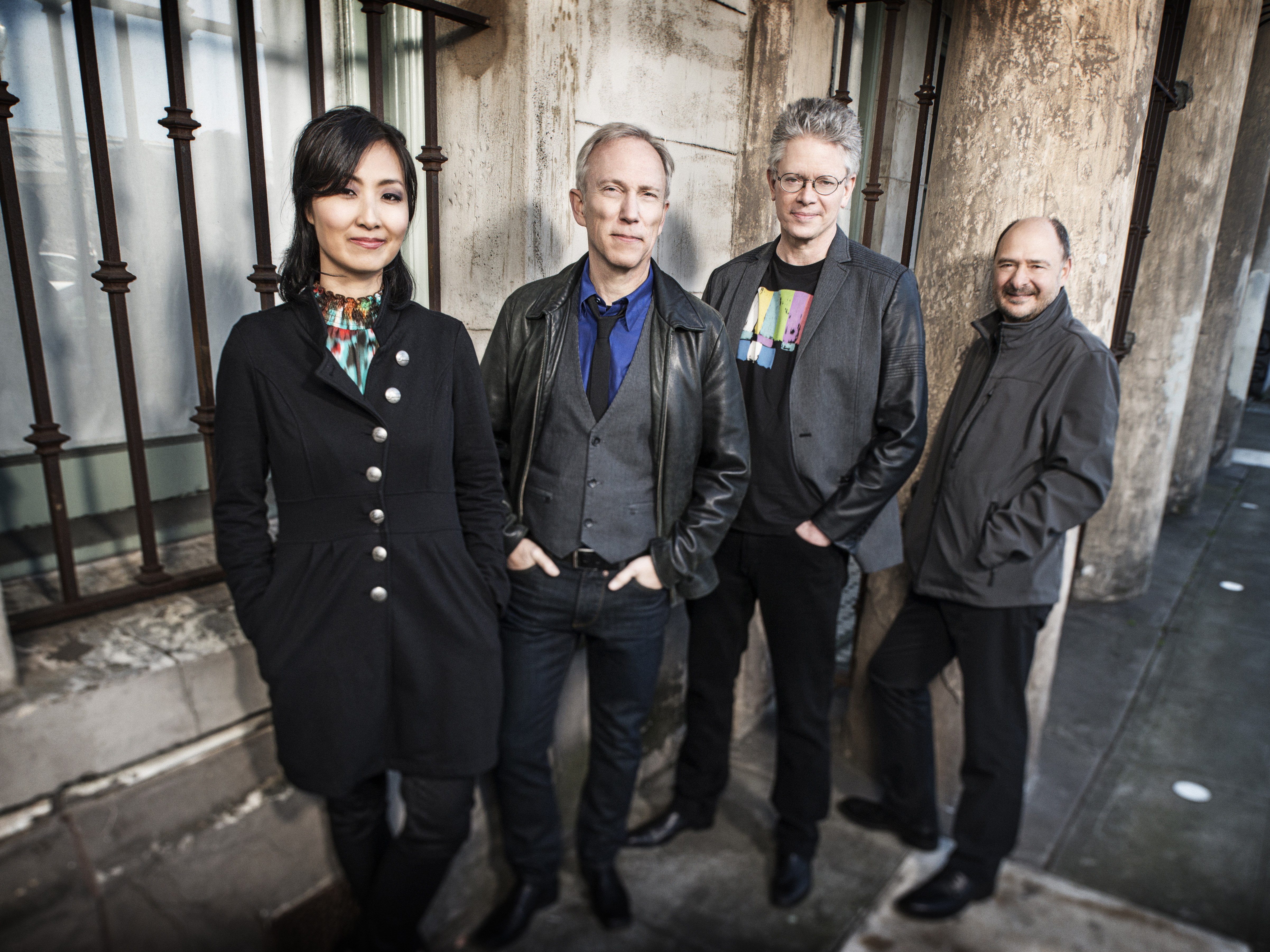
Kronos Quartet pays homage to
Jimi Hendrix,
Janis Joplin, and other iconic voices of the 1960s alongside world premieres of two works commissioned by
Carnegie Hall as part of its 125 Commissions Project. Zachary J. Watkins's Peace Be Till is inspired by the moment just before Dr.
Martin Luther King Jr. delivered his "I Have a Dream" speech, while Stacy Garrop's Glorious
Mahalia is rooted in the words and spirit of oral historian and activist
Studs Terkel. This concert is part of
Carnegie Hall's citywide festival: The '60s: The Years that Changed America.
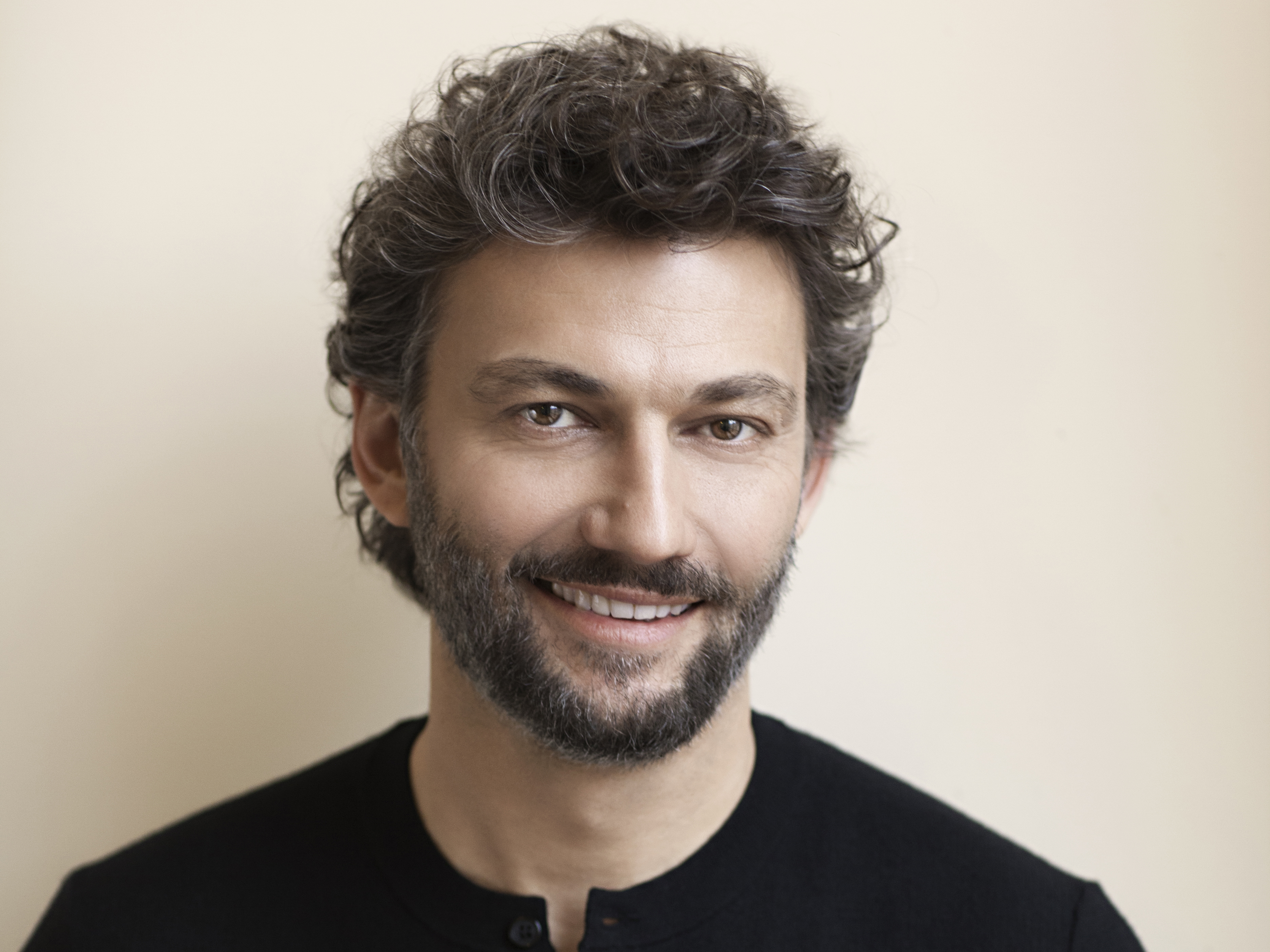
Jonas Kaufmann / HELMUT DEUTSCH
Saturday, January 20 at 8:00 p.m.
(Stern Auditorium / Perelman Stage)
World-renowned tenor
Jonas Kaufmann and pianist Helmut Deutsch return to
Carnegie Hall's Stern
Auditorium / Perelman Stage for a collaborative performance of Schubert's iconic song cycle Die schöne Müllerin. This performance marks Mr. Kaufmann's first appearance back at
Carnegie Hall after his triumphant recital debut in 2014, which was praised for its "poetic elegance and restraint" (The New York Times).
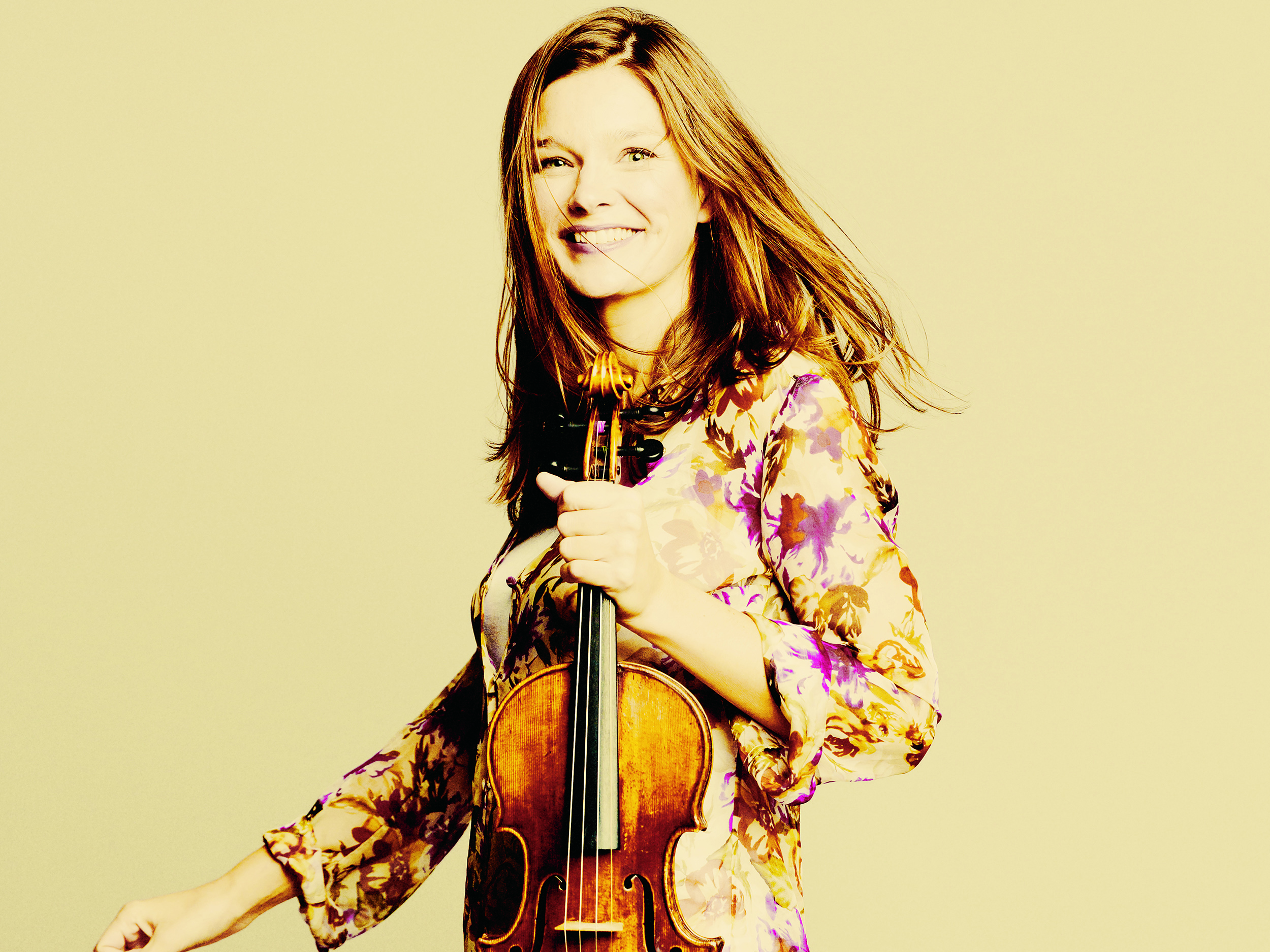
JANINE JANSEN / JEAN-YVES THIBAUDET
Sunday, January 21 at 2:00 p.m.
(Stern Auditorium / Perelman Stage)
Violinist and
Carnegie Hall's season-long Perspectives artist Janine Jansen makes her Stern
Auditorium / Perelman Stage recital debut, partnered with acclaimed pianist Jean-Yves Thibaudet, to perform violin sonatas by Debussy and Grieg, and is joined by the Dover Quartet for Chausson's rarely-performed Concert for Violin, Piano, and String Quartet.
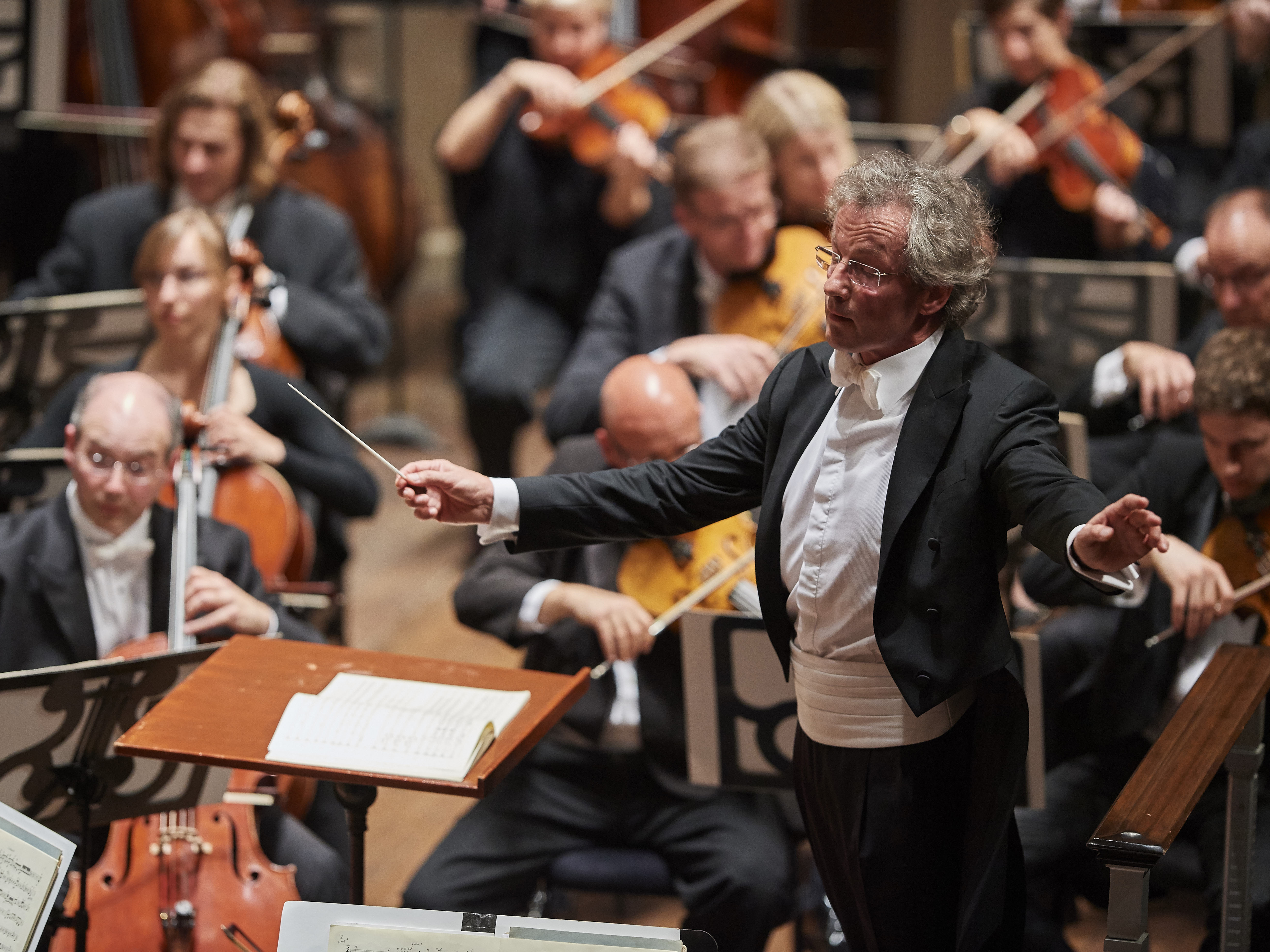
THE CLEVELAND ORCHESTRA
Tuesday, January 23 at 8:00 p.m.
Wednesday, January 24 at 8:00 p.m.
(Stern Auditorium / Perelman Stage)
Celebrating its centennial season in 2018,
The Cleveland Orchestra returns to
Carnegie Hall for two back-to-back concerts led by Music Director Franz Welser-Möst. For the first program, on
Tuesday, January 23 at 8:00 p.m., the orchestra gives the New York premiere of Johannes Maria Staud's Stromab (co-commissioned by
Carnegie Hall as part of its 125 Commissions Project) on a program that also includes Mahler's
Symphony No. 9. The following evening, on
Wednesday, January 24 at 8:00 p.m., the orchestra performs Haydn's oratorio
The Seasons featuring soprano Golda Schultz, tenor Maximilian Schmitt, baritone
Thomas Hampson, and
The Cleveland Orchestra Chorus (Lisa Wong, Acting Director).
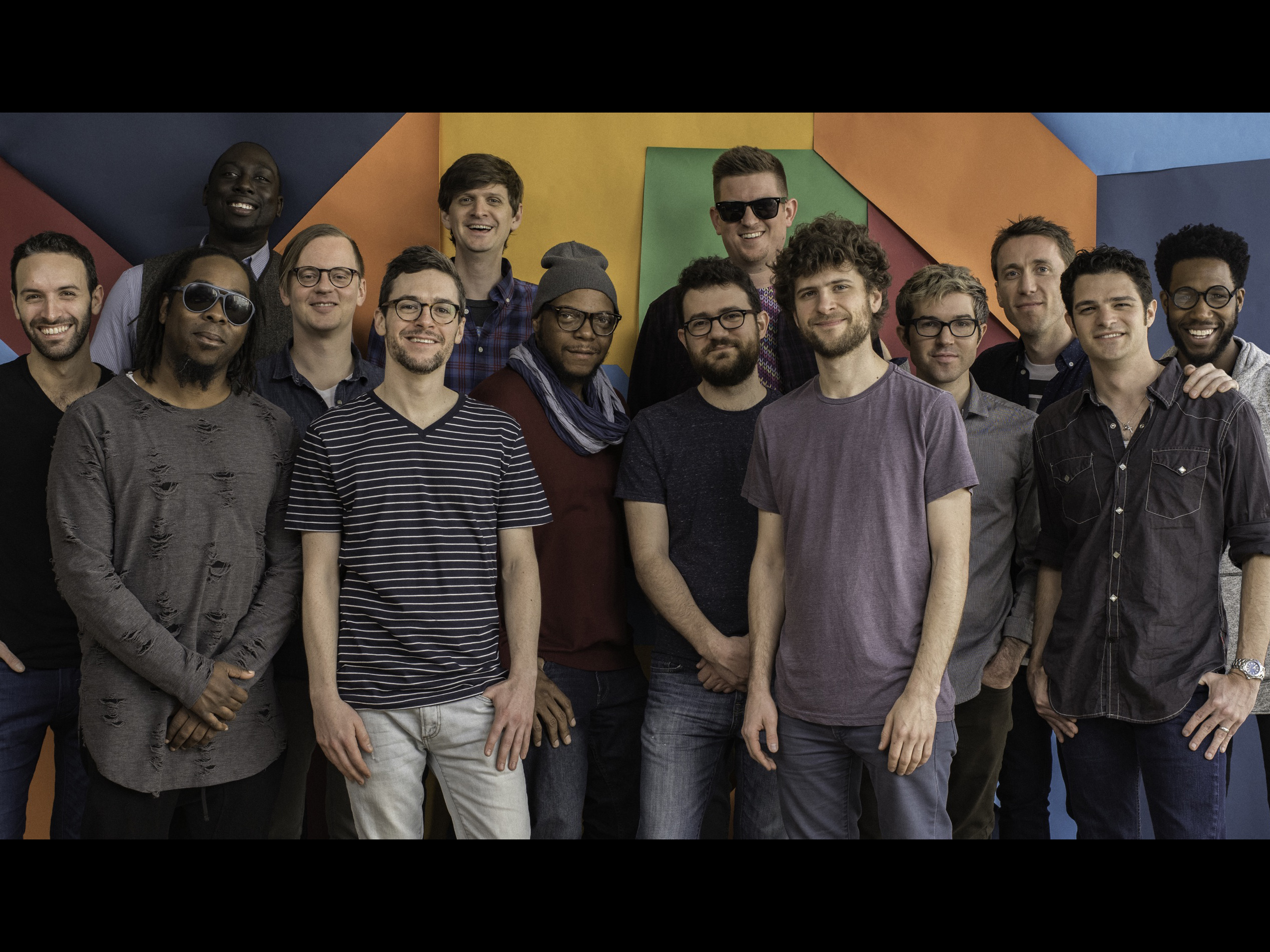
SNARKY PUPPY WITH David Crosby AND SPECIAL GUESTS
Thursday, January 25 at 8:00 p.m.
(Stern Auditorium / Perelman Stage)
Snarky Puppy-the eclectic Brooklyn-based band-spans genres from jazz, world music, and soul, to funk and pop. The three-time Grammy Award-winning group collaborates with legendary singer-songwriter and social activist
David Crosby and special guests, including Malian songstress Fatoumata Diawara, soulful vocalist and composer
Laura Mvula, and mandolin virtuoso and vocalist
Chris Thile for an evening of protest music from and inspired by the '60s as part of
Carnegie Hall's citywide festival: The '60s: The Years that Changed America.
PAOLO ANGELI
Friday, January 26 at 8:30 p.m.
(Zankel Hall)
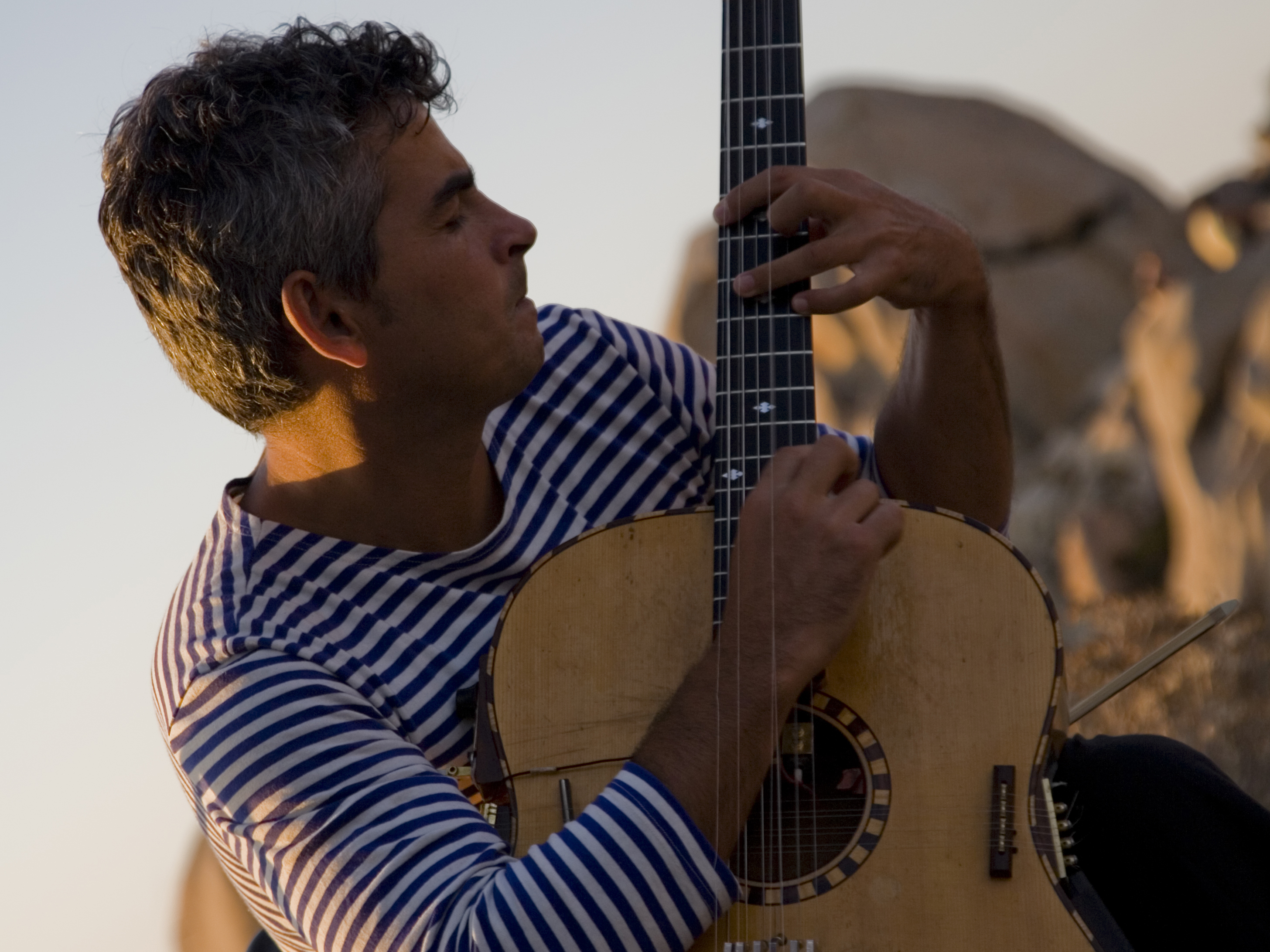
Sardinian guitarist and vocalist Paulo Angeli draws on the folk heritage of his homeland, adding elements of jazz, early music, and other genres to create an intriguing and unique sound. His instrument, a prepared guitar with multiple strings and pedal-controlled effects, becomes a veritable orchestra.
MATTHEW SHIPP TRIO / ROSCOE MITCHELL, SAXOPHONE
Saturday, January 27 at 9:00 p.m.
(Zankel Hall)
Jazz pianist
Matthew Shipp collaborates with saxophonist Roscoe Mitchell, one of the founding fathers of free jazz, for an evening of radically unfettered improvisation in the spirit of the trailblazing Association for the Advancement of Creative Musicians, formed in 1965. This concert is part of
Carnegie Hall's citywide festival: The '60s: The Years that Changed America.
STEPHEN HOUGH
Tuesday, January 30 at 8:00 p.m.
(Stern Auditorium / Perelman Stage)
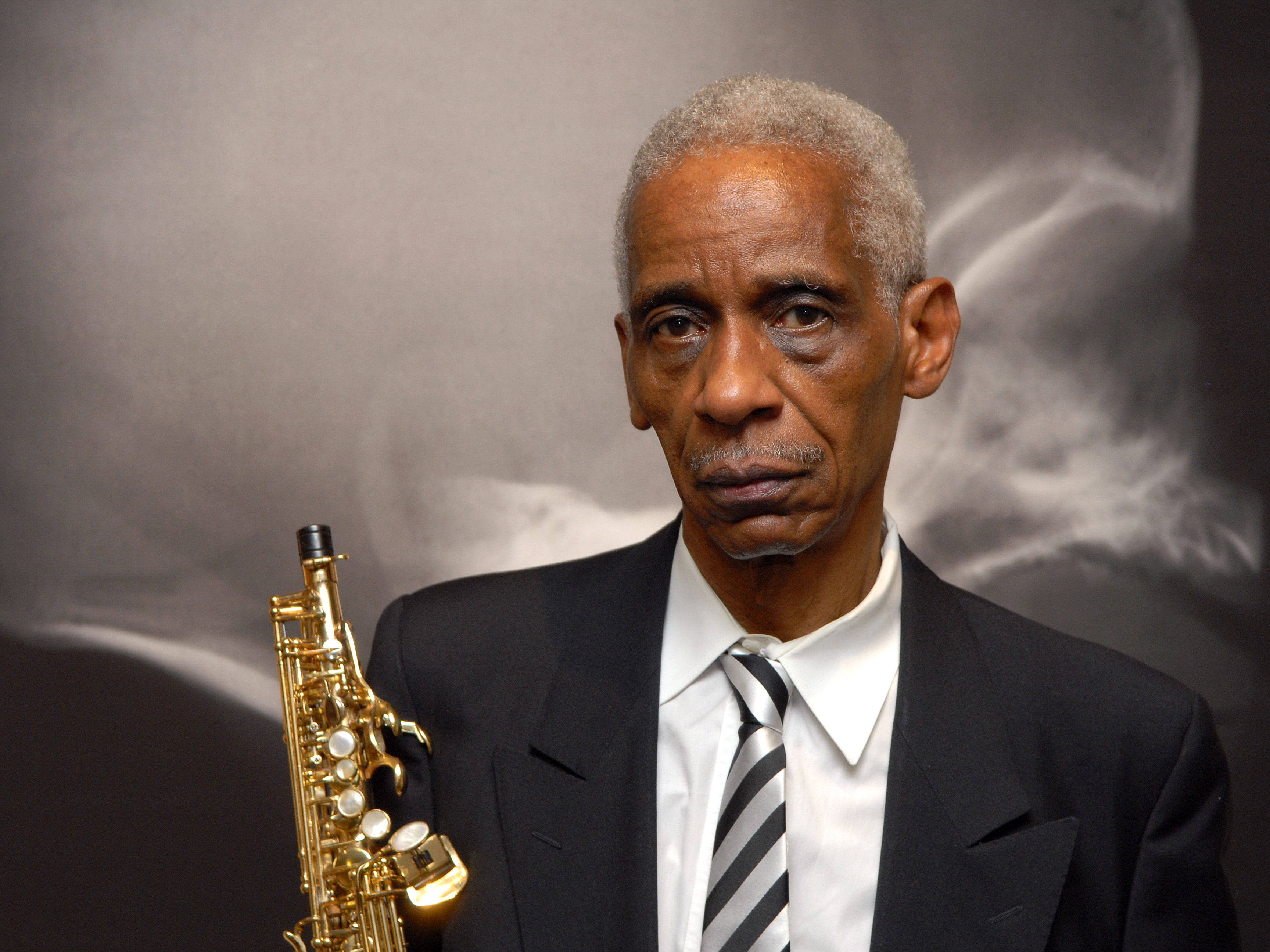
Pianist
Stephen Hough plays music by Debussy, Schumann, and Beethoven.
THE NEW YORK POPS
Friday, February 2 at 8:00 p.m.
(Stern Auditorium / Perelman Stage)
Music Director and Conductor
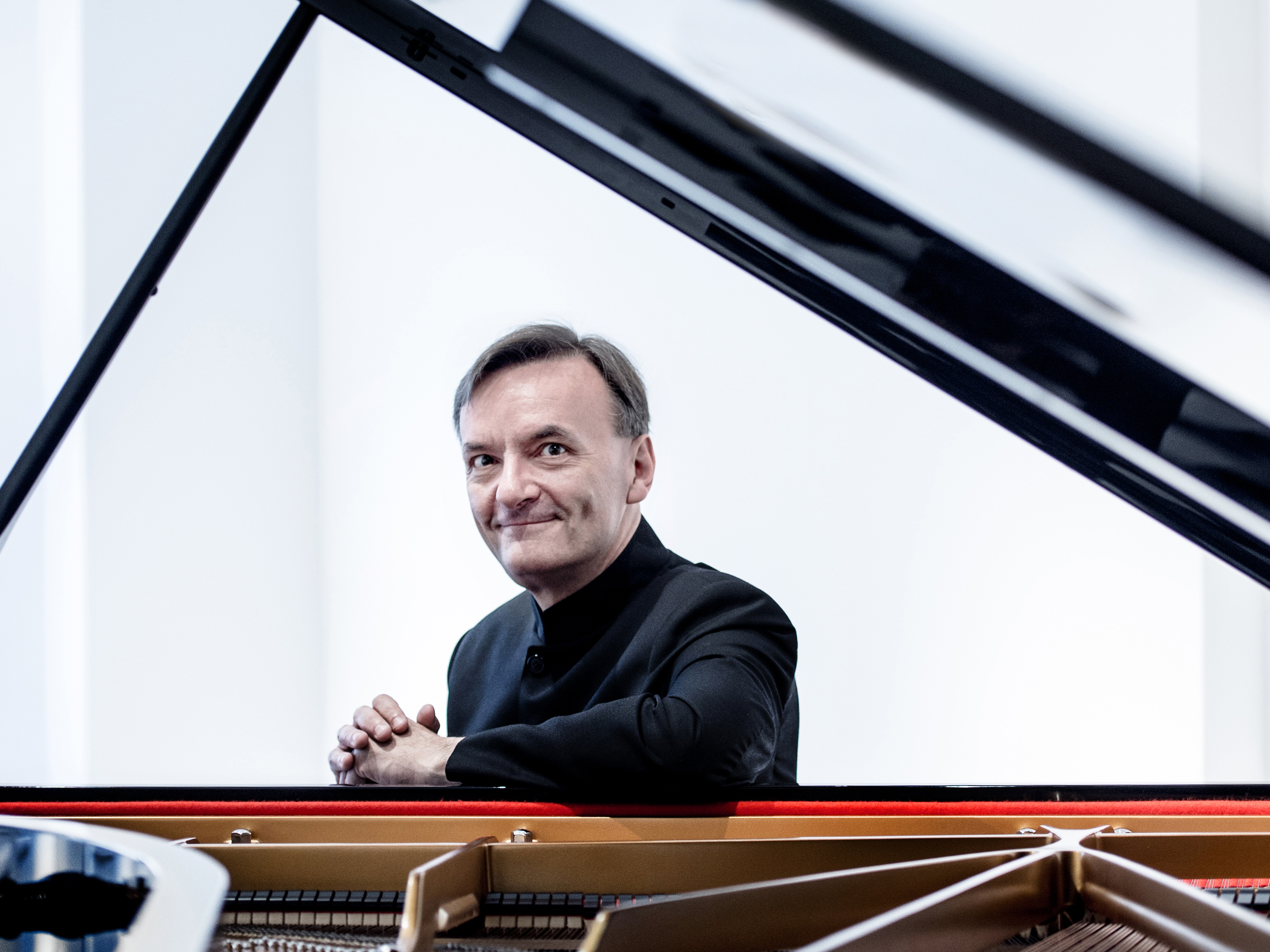
Steven Reineke leads The New York Pops in Heart and Soul, a concert that spans the history of R&B, featuring guest artists Tony Award winner
James Monroe Iglehart (currently starring in Hamilton) and
Capathia Jenkins (Newsies the Musical) and hits by some of the most celebrated names in the genre including
Al Green ("Let's Stay Together"),
Whitney Houston ("I'm Every Woman"),
John Legend ("Ordinary People"), and
Marvin Gaye and Tammi Tarrell ("You're All I Need to Get By").
SOUNDS OF CHANGE
Monday, February 5 at 8:00 p.m.
(Stern Auditorium / Perelman Stage)
Music Director
Ray Chew curates an evening that takes a journey to the crossroads of music, justice, and social change as part of
Carnegie Hall's citywide festival The '60s: The Years that Changed America. Folk, rock, soul, and R&B stars-including
Anthony Hamilton,
Otis Redding III, Vernon Reid,
Dionne Warwick, and Naturally 7-sing the anthems that defined an era.
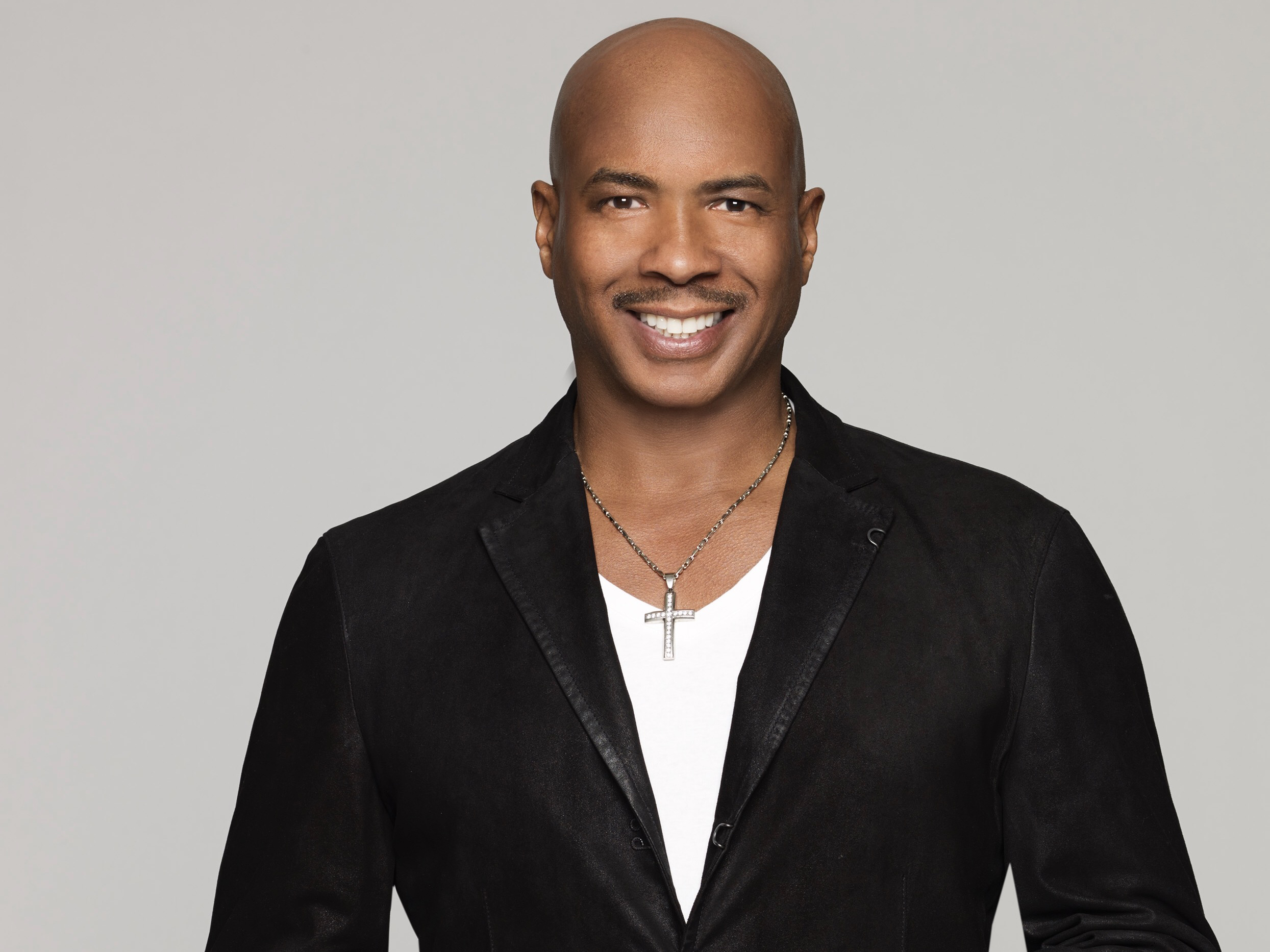
MATTHIAS GOERNE / DANIIL TRIFONOV
Tuesday, February 6 at 8:00 p.m.
(Stern Auditorium / Perelman Stage)
Baritone
Matthias Goerne collaborates with season-long Perspectives artist
Daniil Trifonov for a performance of Schumann's Dichterliebe, Op. 48 on a program that includes Berg's Four Songs, Op. 2; Hugo Wolf's Three Poems of Michelangelo; Shostakovich's Selections from Suite, Op.145; and Brahms's Vier ernste Gesänge, Op. 121.
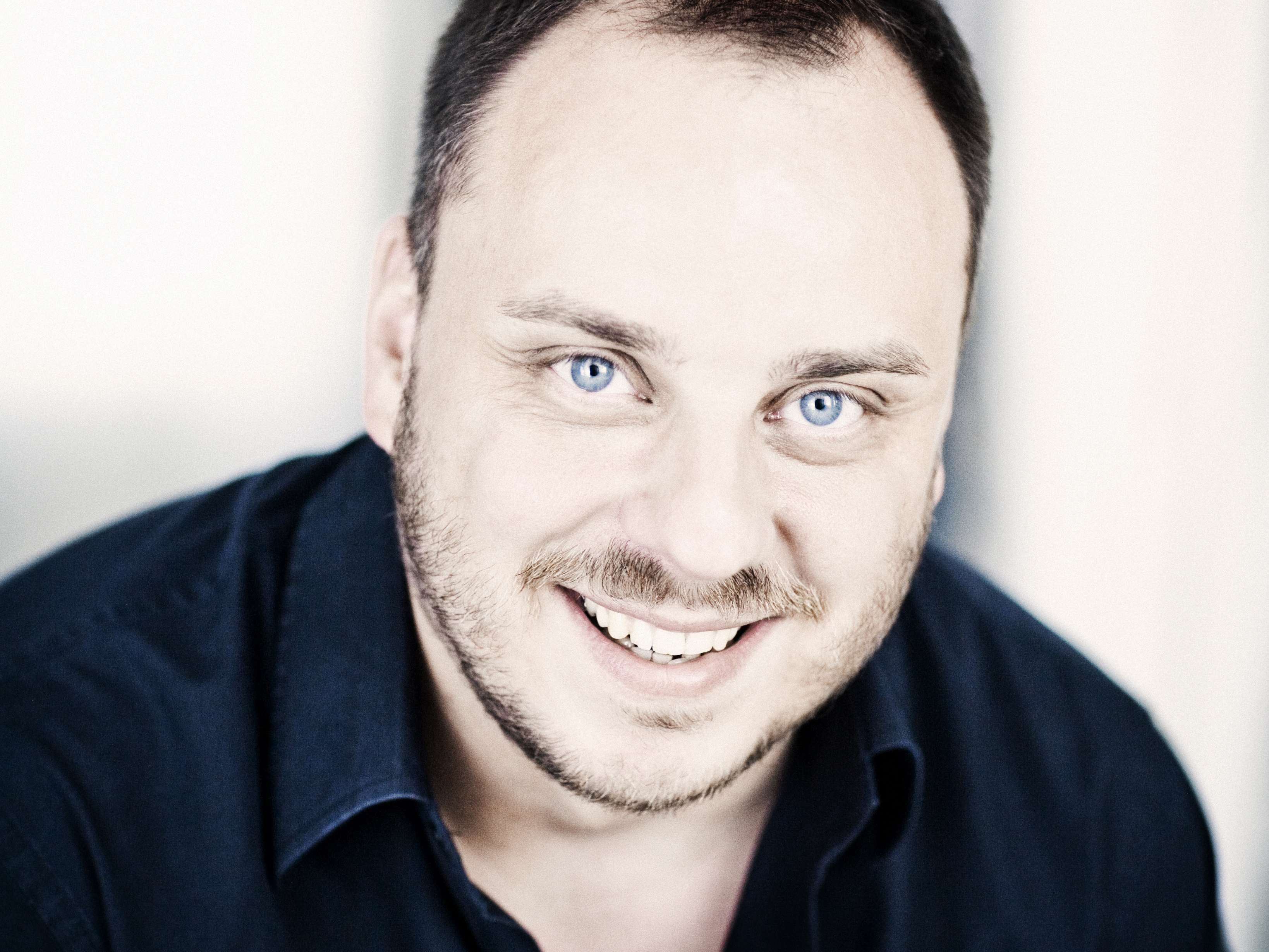
Joshua Bell / Jeremy Denk
Wednesday, February 7 at 8:00 p.m.
(Stern Auditorium / Perelman Stage)
Violinist
Joshua Bell partners with pianist
Jeremy Denk for The Annual
Isaac Stern Memorial Concert, playing Mozart's Violin Sonata in B-flat Major, K. 454; R. Strauss's Violin Sonata in E-flat Major, Op. 18; Janá?ek's Sonata for Violin and Piano; and Schubert's
Fantasy in C Major, D. 934. This performance will be broadcast live on WQXR 105.9 FM in New York and streamed online at
wqxr.org and
carnegiehall.org/wqxr.
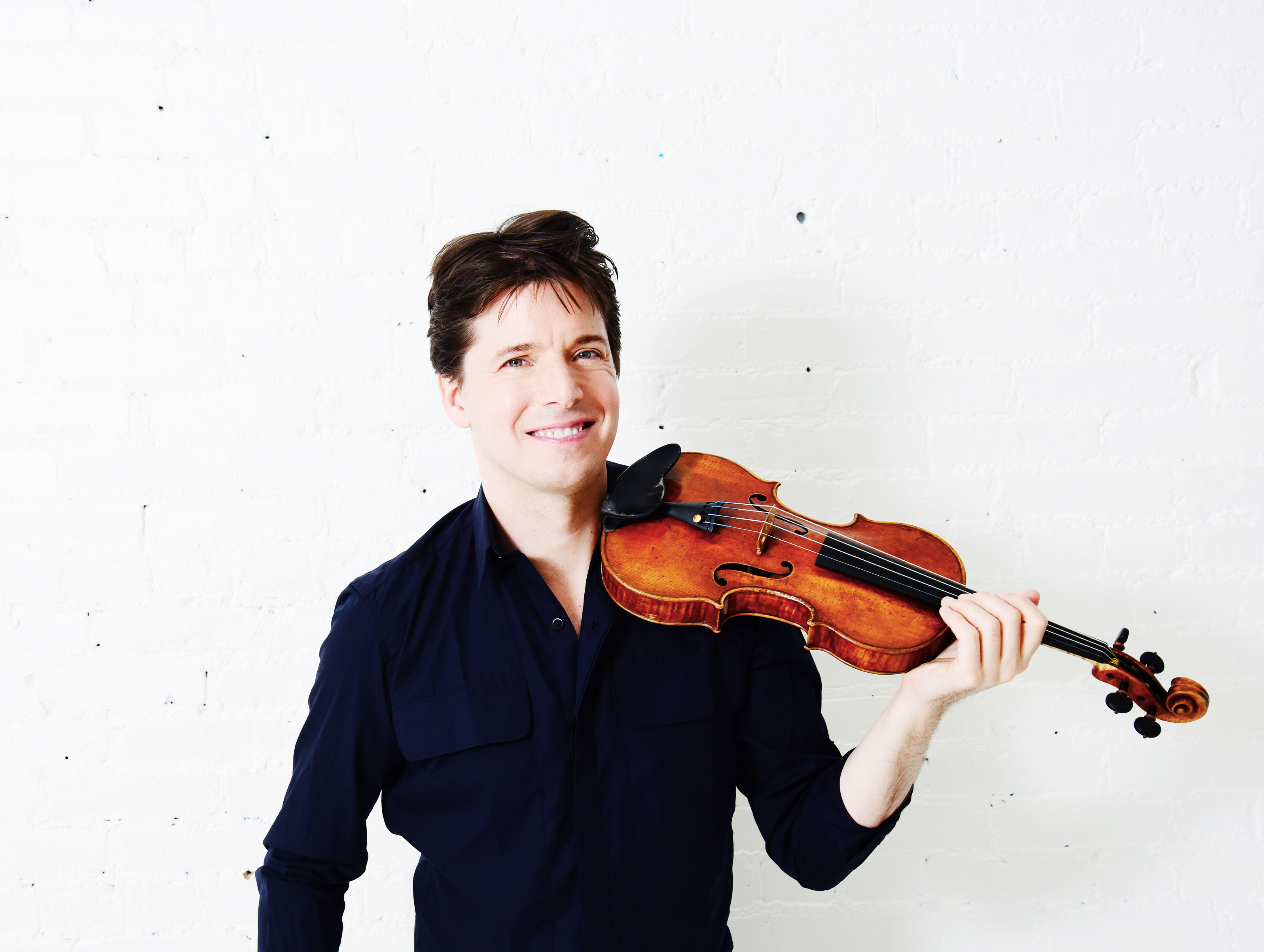
Nico Muhly AND FRIENDS INVESTIGATE THE GLASS ARCHIVE
Thursday, February 8 at 7:30 p.m.
(Zankel Hall)
This program features world premieres of
Philip Glass's songs, as arranged by composer and collaborator
Nico Muhly. Glass, holder of the holder of the 2017-2018 Richard and
Barbara Debs Composer's Chair at
Carnegie Hall, has written countless pieces of music over his long career for his ensemble: a band of his friends and close collaborators, performing them with his own community of musicians. In these brand-new arrangements, commissioned by
Carnegie Hall for its 125 Commissions Project, Muhly brings together a new community of innovative musicians to perform some of Glass's lesser-known music. A pre-concert talk starts at 6:30 p.m. in Zankel Hall with composer
Nico Muhly in conversation with Jeremy Geffen, Senior Director and Artistic Adviser,
Carnegie Hall.

CHICAGO SYMPHONY ORCHESTRA
Friday, February 9 at 8:00 p.m.
Saturday, February 10 at 8:00 p.m.
(Stern Auditorium / Perelman Stage)
Music Director Riccardo Muti and the
Chicago Symphony Orchestra return to
Carnegie Hall for two performances. On
Friday, February 9 at 8:00 p.m., the orchestra gives the New York premiere of Jennifer Higdon's Low Brass Concerto featuring soloists Jay Friedman (trombone), Michael Mulcahy (trombone), Charles Vernon (bass trombone), and Gene Pokorny (tuba). Also on the program is Chausson's Poème de l' amour et de la mer with mezzo-soprano Clémentine Margaine; Stravinsky's Scherzo fantastique, Op. 3; and Britten's Four Sea Interludes from Peter Grimes, Op. 33a. The following evening, on
Saturday, February 10 at 8:00 p.m., the orchestra performs the New York premiere of
Samuel Adams's many words of love in addition to Verdi's I vespri Siciliani Overture and Brahms's
Symphony No. 2 in
N*E*R*D Major, Op. 73.
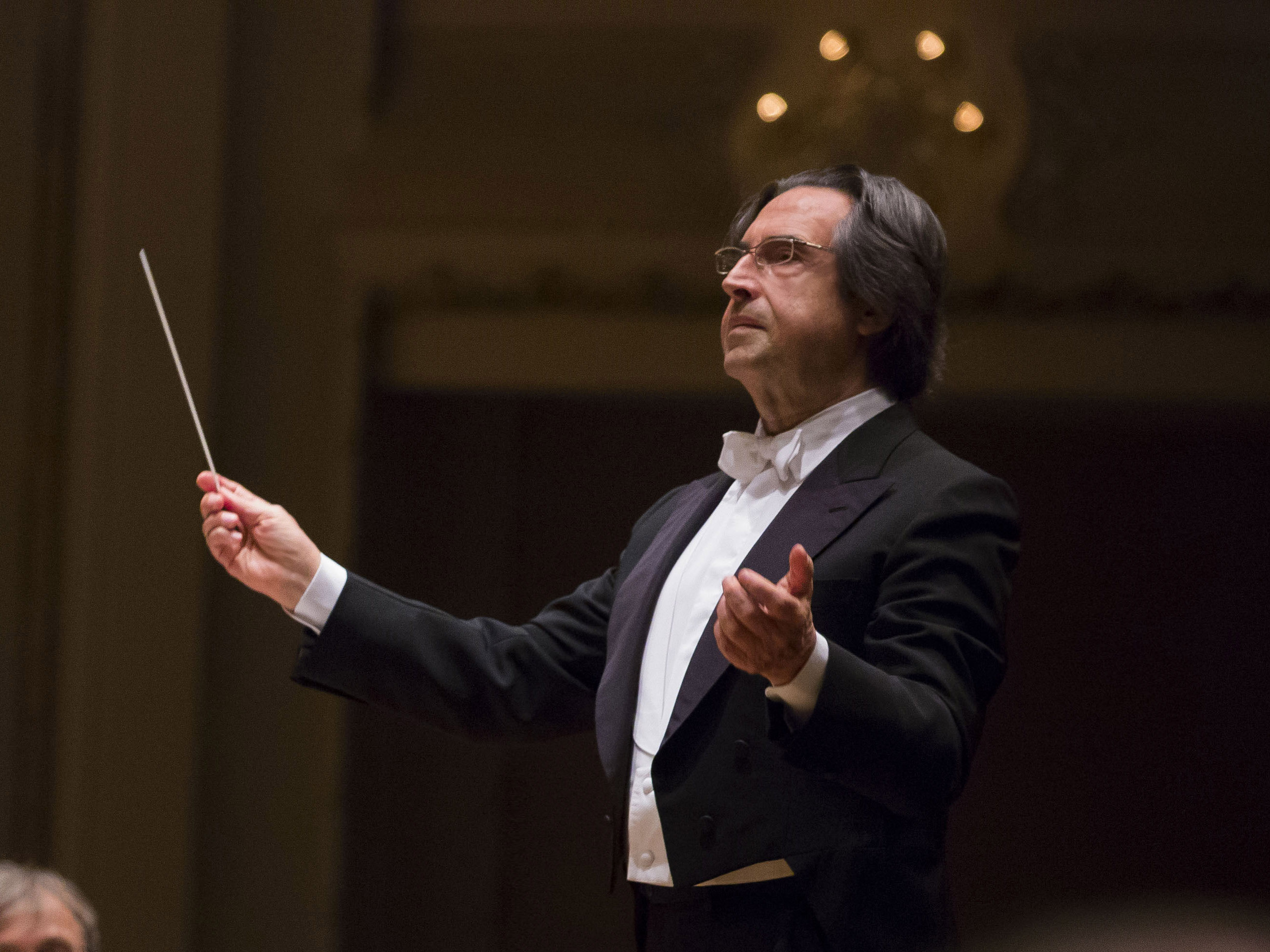
MÚM
Saturday, February 10 at 10:00 p.m.
(Zankel Hall)
Echoes of 1960s psychedelia, Sigur Rós, and Björk resonate throughout múm's music. These Icelandic pop experimentalists use electronic effects, innovative sampling, delicate vocals, and traditional and unconventional instruments to create unique, otherworldly soundscapes. This concert is part of
Carnegie Hall's citywide festival: The '60s: The Years that Changed America.
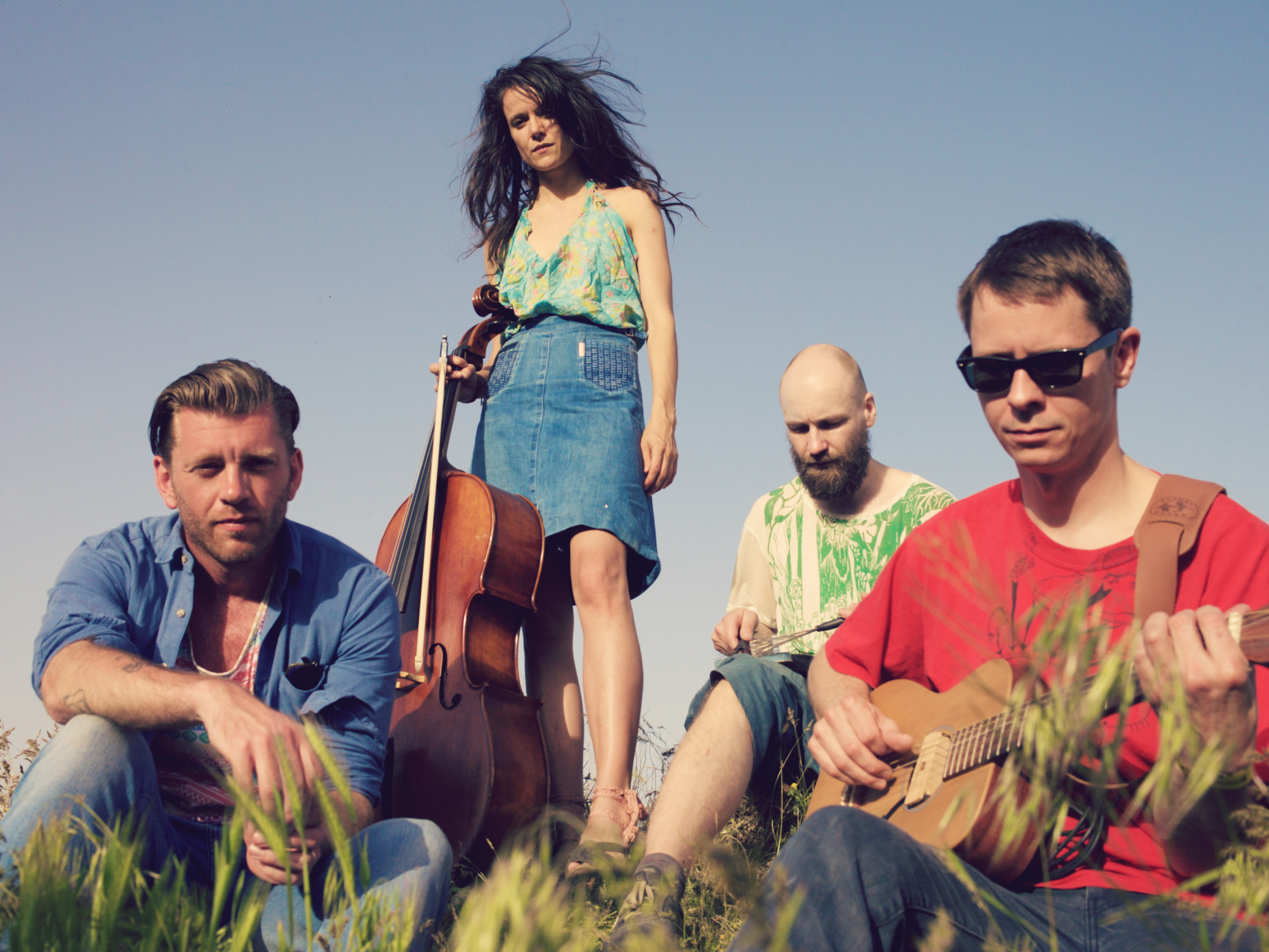
DOROTHEA RÖSCHMANN / MALCOLM MARTINEAU
Tuesday, February 13 at 7:30 p.m.
(Zankel Hall)
Soprano Dorothea Röschmann is joined by pianist
Malcolm Martineau for a recital of music by Schubert, Mahler, Schumann, and Wagner.

STANDARD TIME WITH Michael Feinstein
Wednesday, February 14 at 7:30 p.m.
(Zankel Hall)
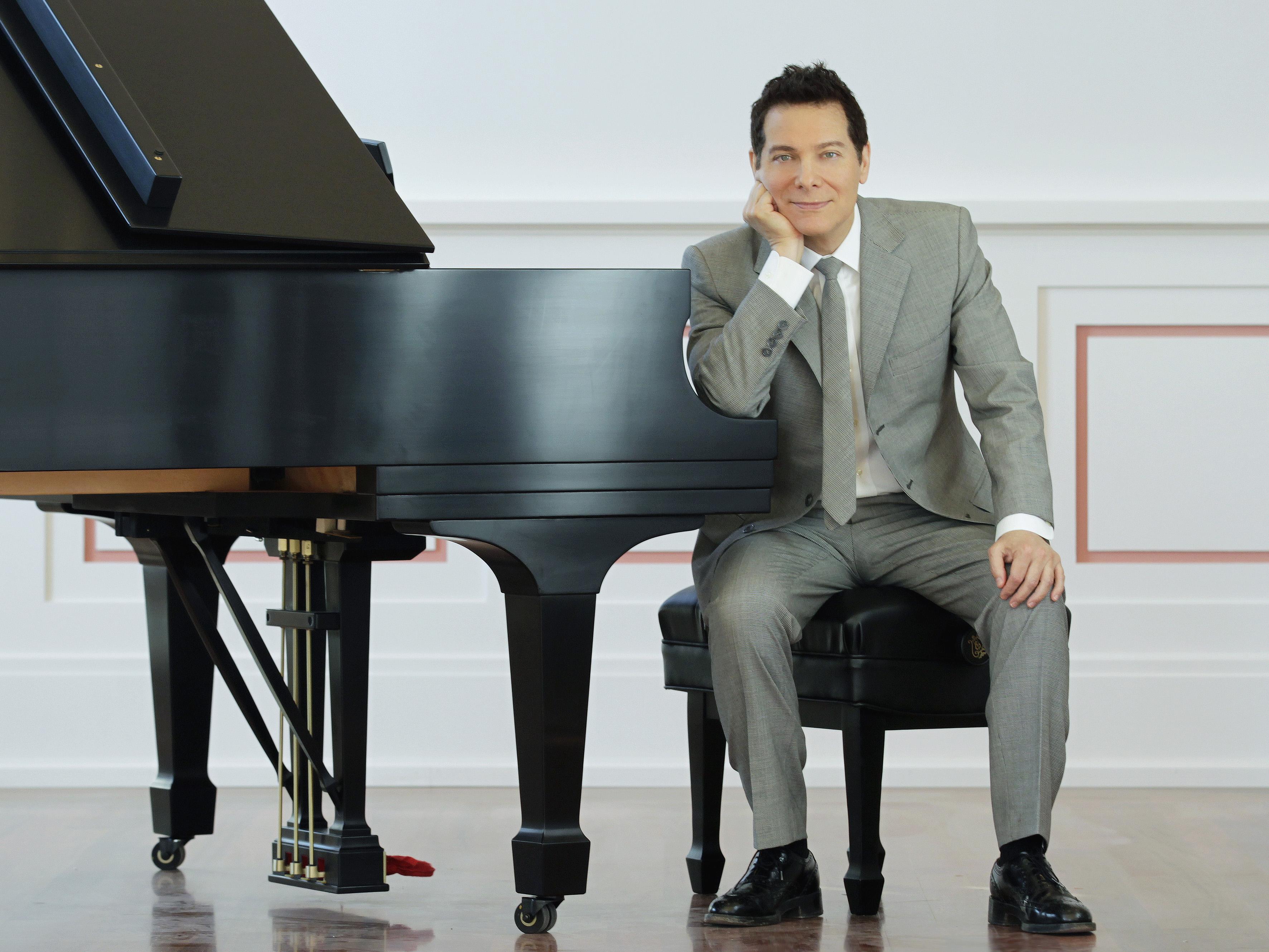
Five-time Grammy Award-nominated singer, pianist, and renowned interpreter of the Great American Songbook
Michael Feinstein presents his annual
Carnegie Hall series, Standard Time with
Michael Feinstein, performing a program entitled That's Entertainment: The MGM Years.
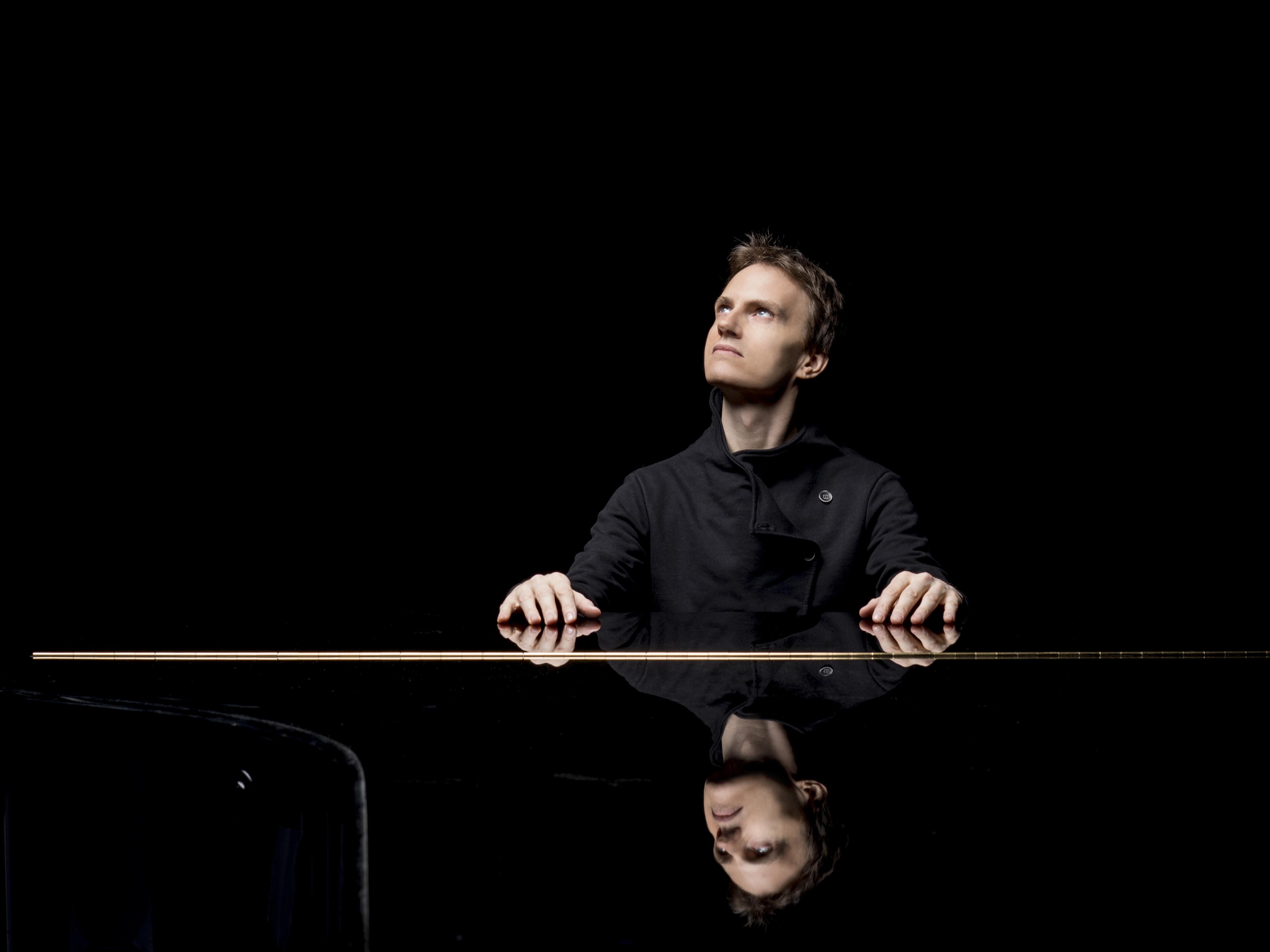
ALEXANDRE THARAUD
Thursday, February 15 at 7:30 p.m.
(Zankel Hall)
Pianist
Alexandre Tharaud performs a solo recital playing J.S. Bach's Goldberg Variations, BWV 988, one of the pinnacles of keyboard literature.
ORCHESTRA OF ST. LUKE'S
Thursday, February 15 at 8:00 p.m.
(Stern Auditorium / Perelman Stage)
The Orchestra of St. Luke's, led by conductor Robert Spano, presents the world premiere of Bryce Dessner's Voy à Dormir (commissioned by
Carnegie Hall as part of its 125 Commissions Project) featuring mezzo-soprano Kelley O'Connor, as well as Mozart's
Symphony No. 40 in G Minor, K. 550, and Beethoven's Piano Concerto No. 5 in E-flat Major, Op. 73, "Emperor" with pianist
Jeremy Denk.
ENSEMBLE CONNECT
Friday, February 16 at 7:00 p.m.
(Arthur Zankel Music Center, Helen Filene Ladd Concert Hall)
Monday, February 19 at 7:30 p.m.
(Weill Recital Hall)
Ensemble Connect plays a free concert featuring the world premiere of
Gabriel Kahane's bright and fair featuring the composer on vocals (commissioned by
Carnegie Hall as part of its 125 Commissions Project) as well as music by Mozart and Schubert. Three evenings later, on
Monday, February 19 at 7:30 p.m., the ensemble performs the same program in Weill Recital Hall.
APOLLON MUSAGÈTE QUARTET
Friday, February 16 at 7:30 p.m.
(Weill Recital Hall)
The Apollon Musagète Quartet returns, playing Sibelius's Andante festive; Mozart's String Quartet in C Major, K. 465, "Dissonance"; and Grieg's String Quartet in G Minor, Op. 27.
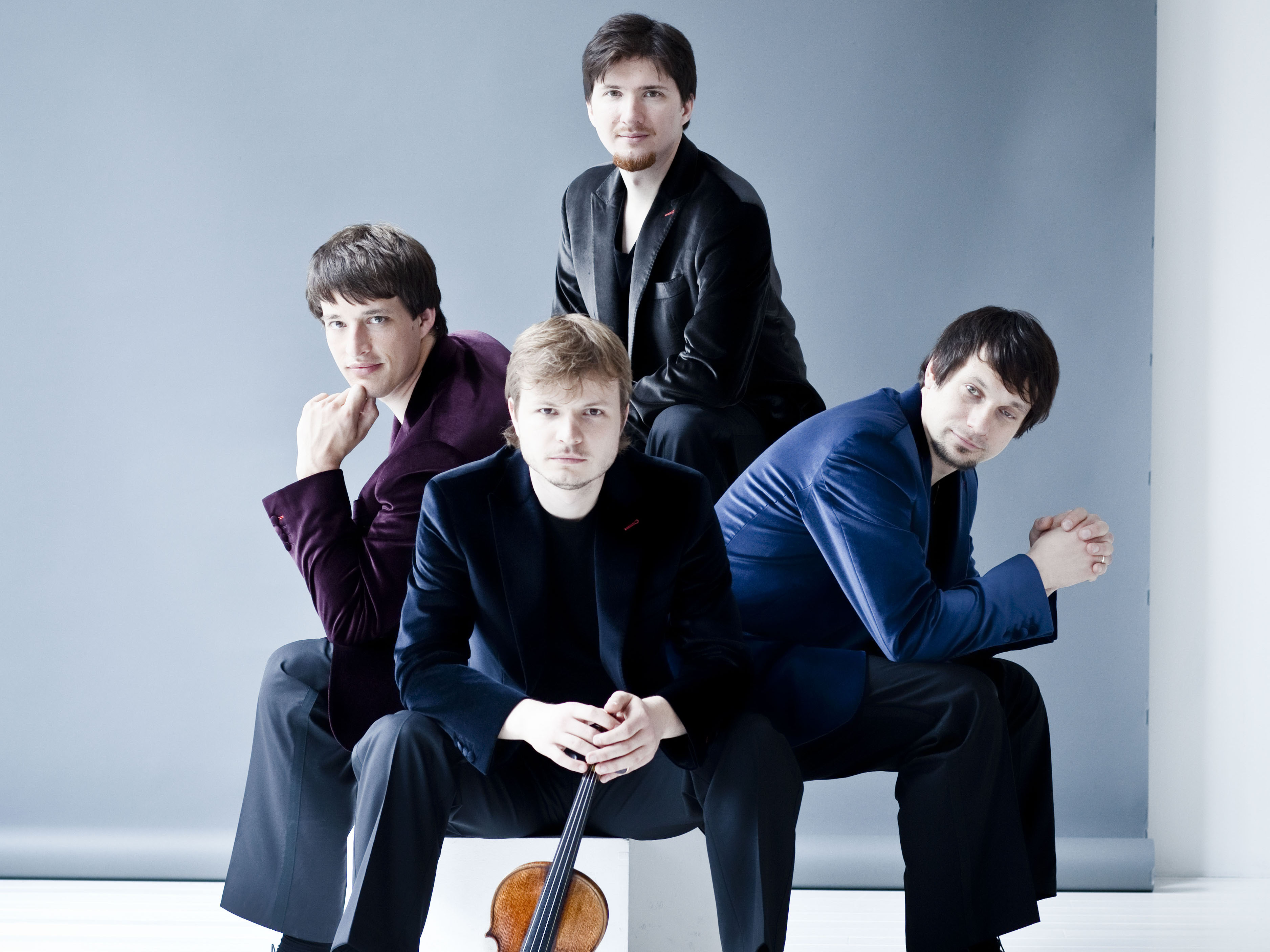
Philip Glass ENSEMBLE: MUSIC WITH CHANGING PARTS
Friday, February 16 at 8:00 p.m.
(Stern Auditorium / Perelman Stage)
Philip Glass, holder of the holder of the 2017-2018 Richard and
Barbara Debs Composer's Chair at
Carnegie Hall, and the
Philip Glass Ensemble, led by Michael Riesman, return to
Carnegie Hall after more than a decade for a performance in Stern
Auditorium / Perelman Stage. Joined by the San Francisco Girls Chorus and students from the San Francisco Conservatory of Music, they perform Glass's seldom-performed early masterpiece, Music with Changing Parts, as part of
Carnegie Hall's citywide festival: The '60s: The Years that Changed America.
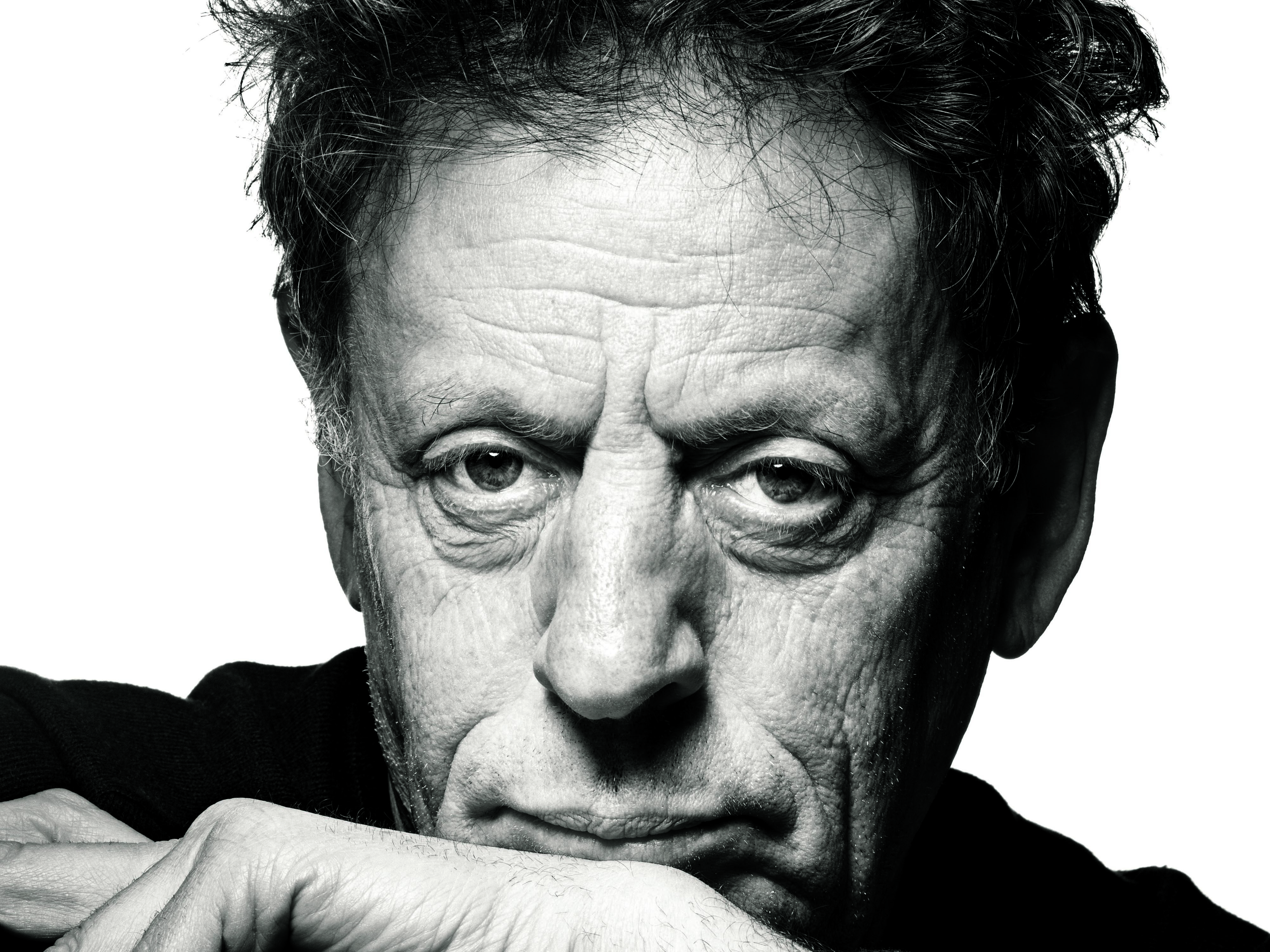
EMANUEL AX / LEONIDAS KAVAKOS / Yo-Yo Ma
Thursday, February 22 at 8:00 p.m.
(Stern Auditorium / Perelman Stage)
Pianist Emanuel Ax, violinist Leonidas Kavakos, and cellist
Yo-Yo Ma collaborate on Brahms's three trios for violin, cello, and piano.
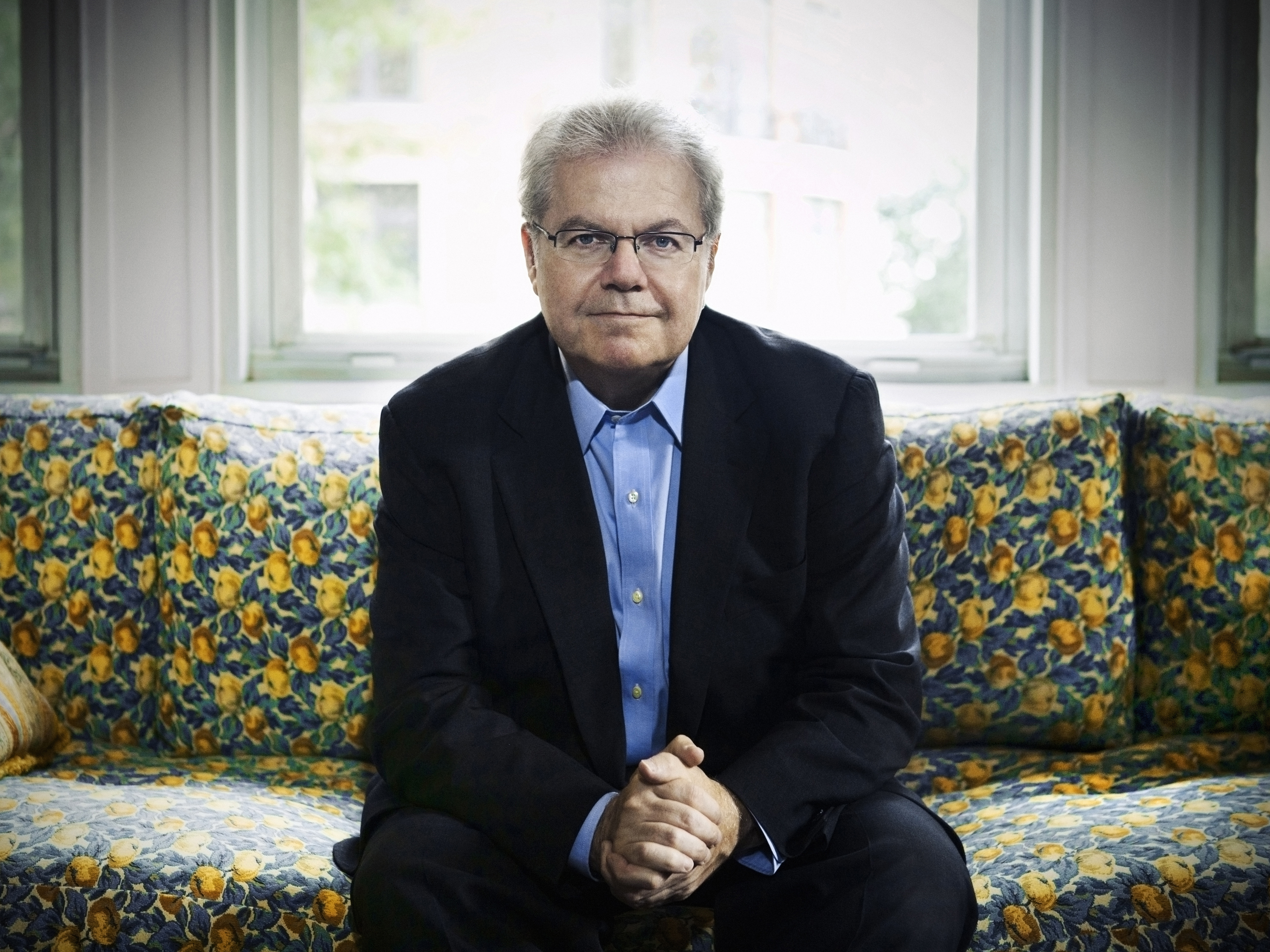
YING FANG / KEN NODA
Friday, February 23 at 7:30 p.m.
(Weill Recital Hall)
Soprano Ying Fang, a member of the
Metropolitan Opera's prestigious Lindemann Young Artist Development Program, sings music by Mozart and Schubert with pianist Ken Noda.
VIENNA PHILHARMONIC ORCHESTRA
Friday, February 23 at 8:00 p.m.
Saturday, February 24 at 8:00 p.m.
Sunday, February 25 at 2:00 p.m.
(Stern Auditorium / Perelman Stage)
Conductor
Gustavo Dudamel leads the Vienna Philharmonic Orchestra in three consecutive nights of concerts. On February 23, the orchestra performs an all-Brahms program. The following evening, on February 24., the orchestra takes on Mahler's unfinished Adagio from
Symphony No. 10 in F-sharp Major in addition to Berlioz's Symphonie fantastique, Op. 14. For their final concert, on February 25, the orchestra gives a performance of Ives's
Symphony No. 2 and Tchaikovsky's
Symphony No. 4 in F Minor, Op. 36. A pre-concert talk starts at 1:00 p.m. in Stern
Auditorium / Perelman Stage with Jan Swafford, author and composer prior to the February 25 performance.
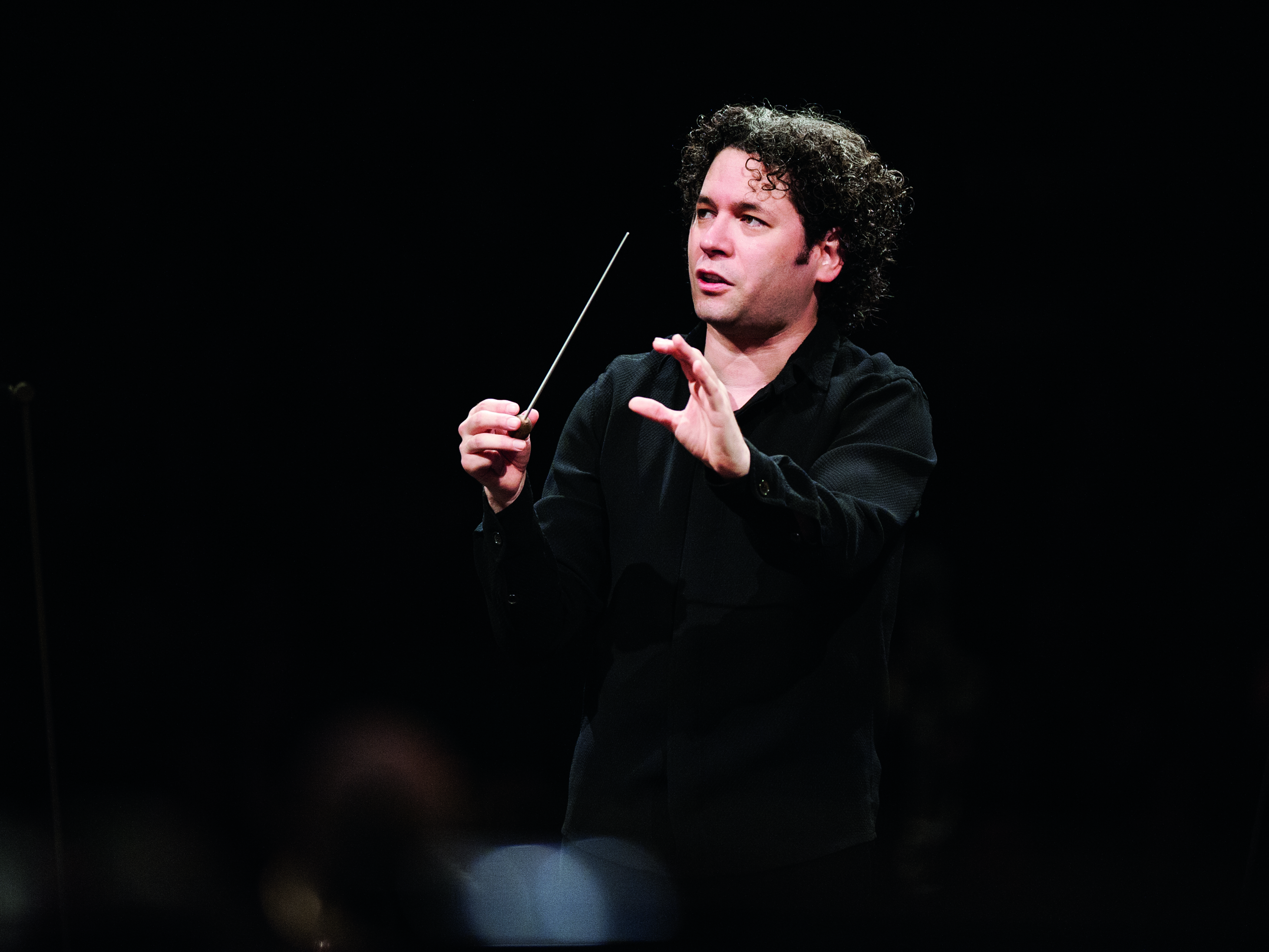
MITSUKO UCHIDA
Monday, February 26 at 8:00 p.m.
(Stern Auditorium / Perelman Stage)
Pianist Mitsuko Uchida launches a survey of Schubert's piano sonatas (to be performed over two consecutive seasons), performing his Sonata in C Minor, A Major, and G Major.
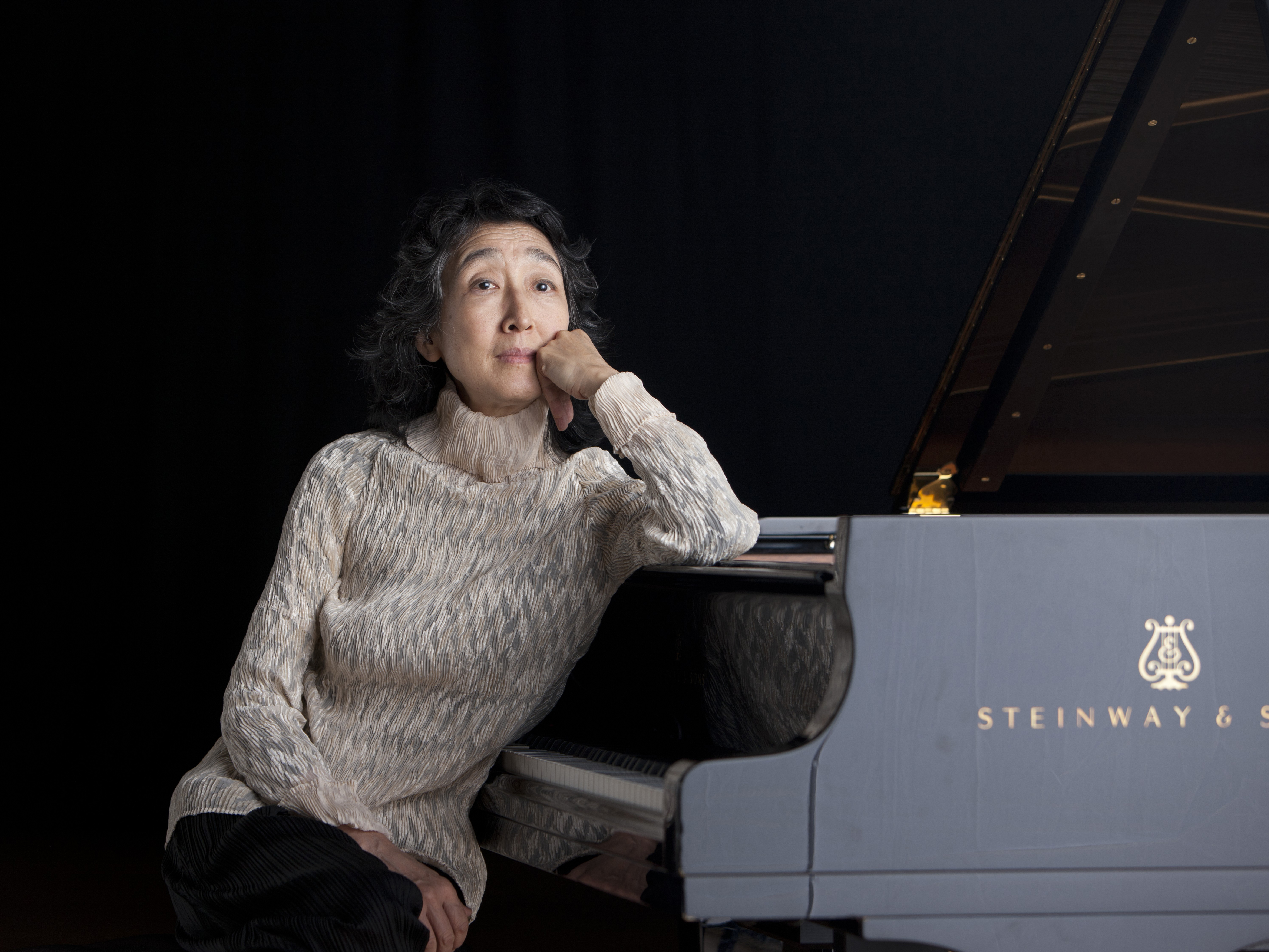
LOUISIANA PHILHARMONIC ORCHESTRA
Tuesday, February 27 at 8:00 p.m.
(Stern Auditorium / Perelman Stage)
The
Louisiana Philharmonic Orchestra make their
Carnegie Hall debut with a concert inspired by exotic locations and an unconventional concerto.
Philip Glass's Days and Nights in Rocinha is an evocative tribute to the largest favela in Brazil, while La noche de los Mayas-a suite drawn from a score the Mexican composer Revueltas composed to a film that is now lost-is inspired by Mayan culture, culminating in a blaze of pulsing rhythms and wild percussion. There are more fireworks in Glass's Concerto
Fantasy for Two Timpanists and Orchestra, a thrilling showcase requiring Olympian virtuosity from the two soloists Jim Atwood and Paul Yancich--who play nine timpani between them. This concert is part of Glass's season-long Richard and
Barbara Debs Composer's Chair residency.
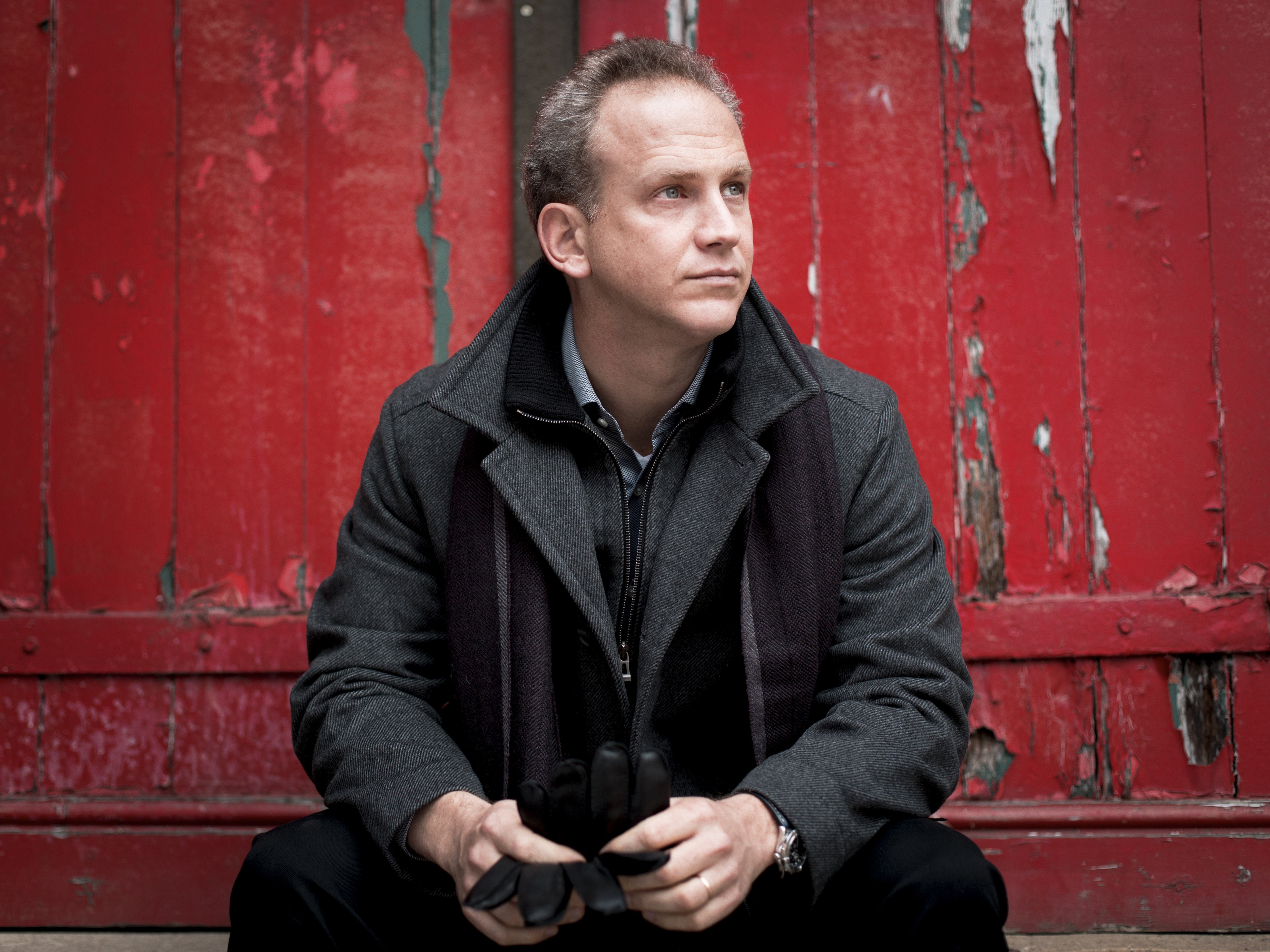
NICOLAS ALTSTAEDT / FAZIL SAY
Wednesday, February 28 at 7:30 p.m.
(Weill Recital Hall)
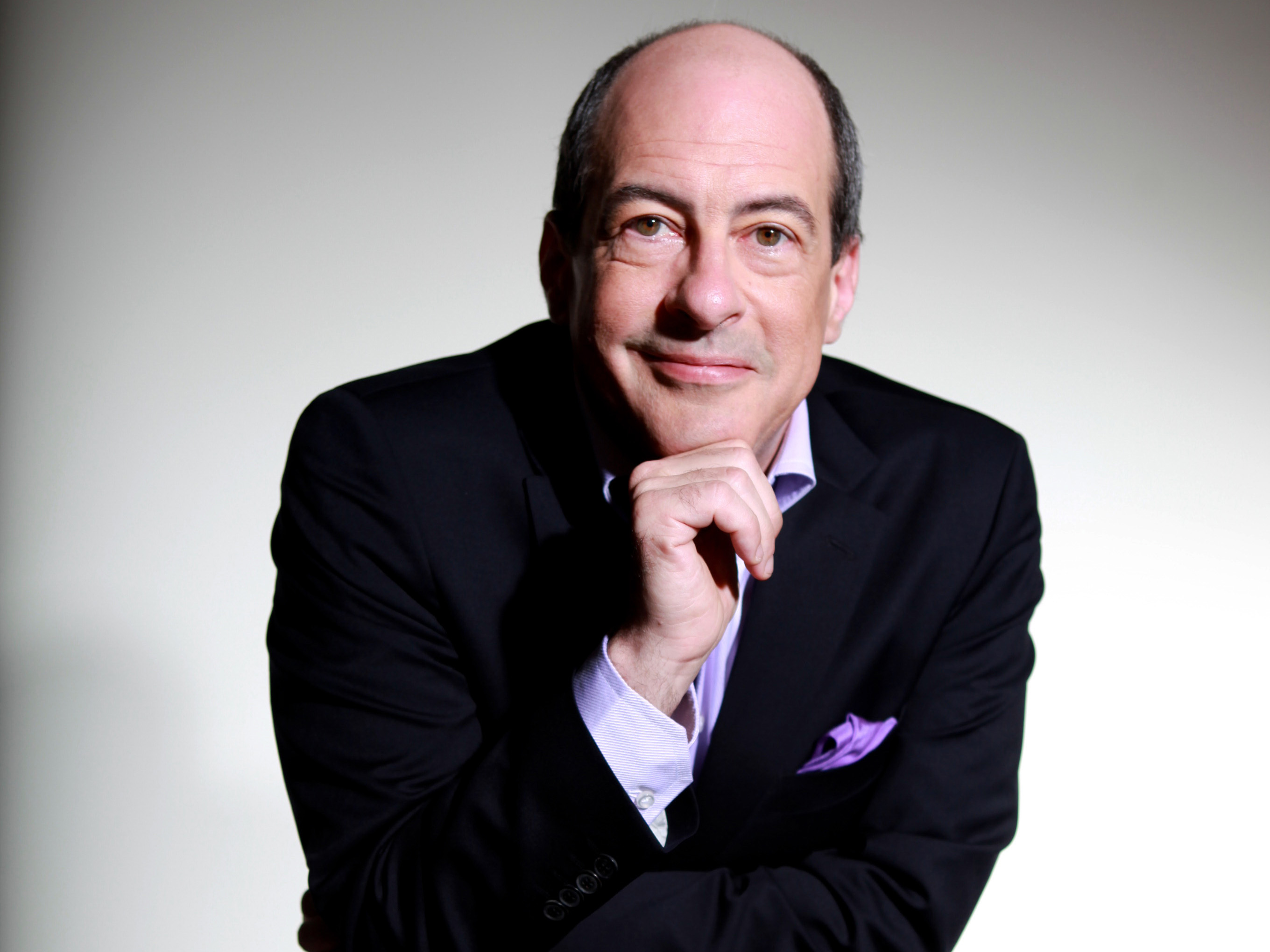
Cellist Nicolas Altstaedt partners with Fazil Say, one of the most notable pianist-composers of our day, playing music by Debussy, Janá?ek, and Shostakovich; the duo also performs Say's own composition Dört ?ehir (Four Cities), Op. 41.
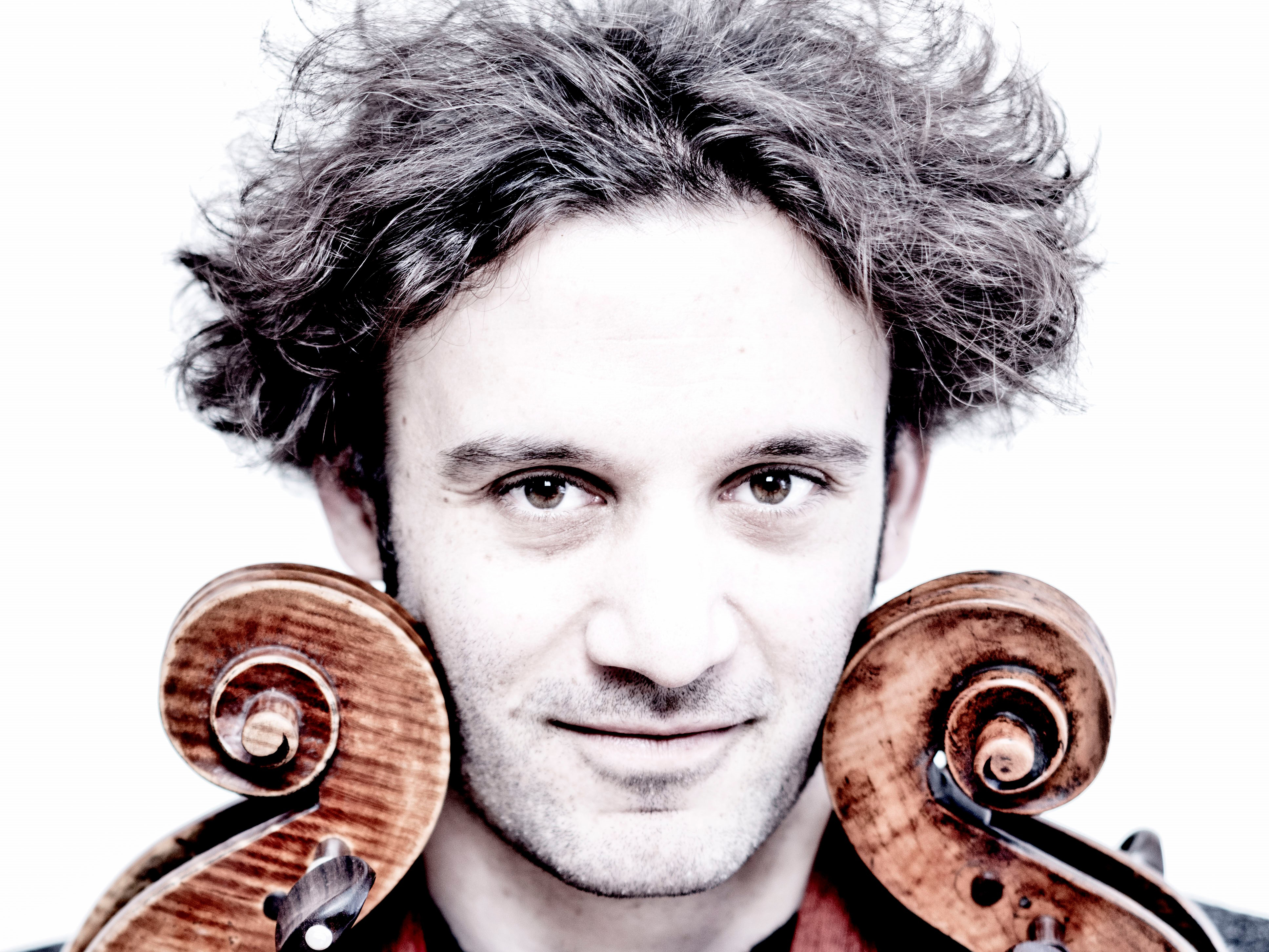
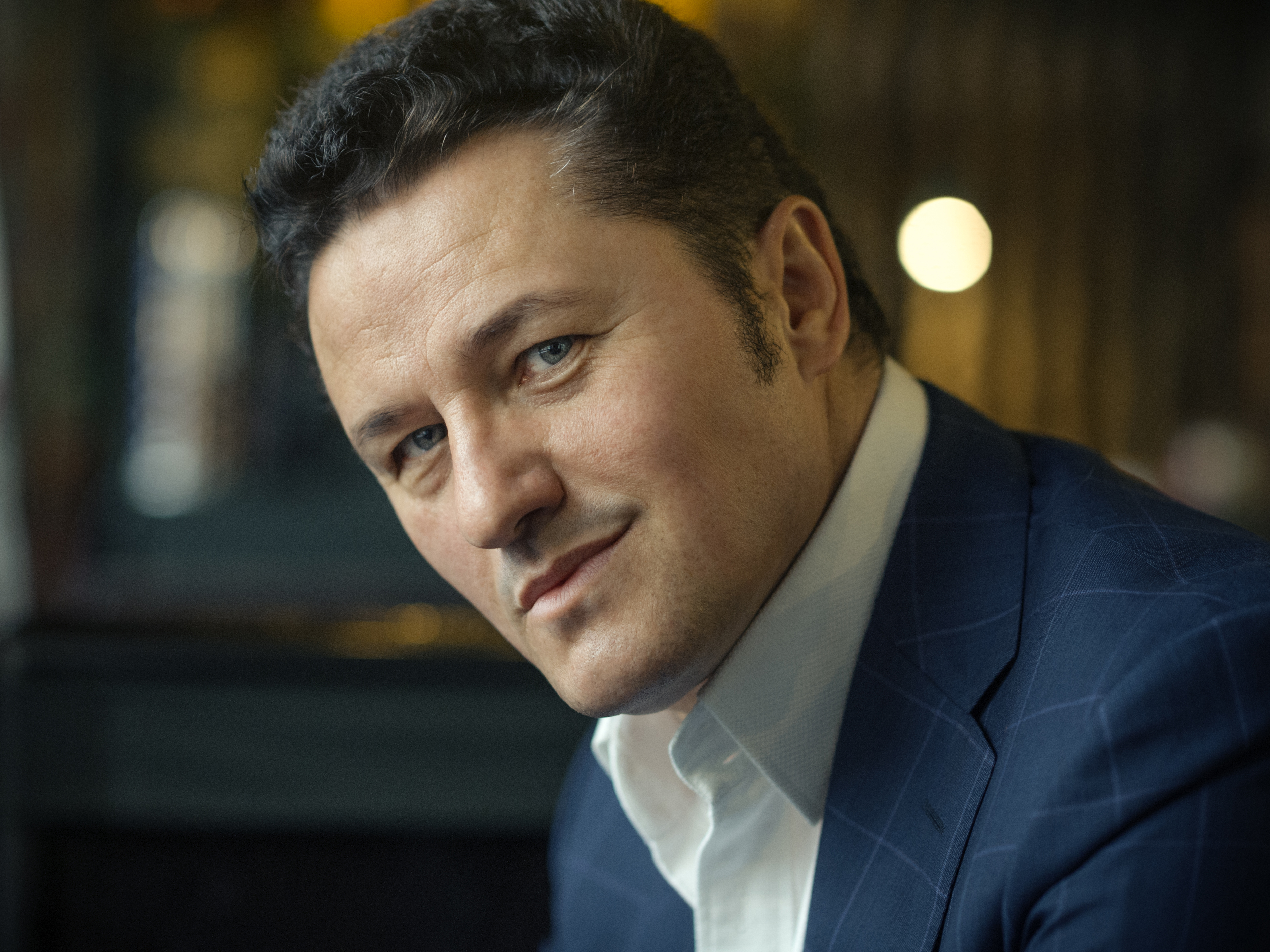
Piotr Beczala / MARTIN KATZ
Wednesday, February 28 at 8:00 p.m.
(Stern Auditorium / Perelman Stage)
Tenor Piotr Becza?a, alongside pianist Martin Katz, returns to
Carnegie Hall for a recital of music by Stefano Donaudy,
Ermanno Wolf-Ferrari,
Ottorino Respighi, Paolo Tosti, Karol Szymanowski, and Mieczys?aw Kar?owicz.
Bank of America is the Proud Season Sponsor of Carnegie Hall.