


BWW Q&A: Eli-Leon Harvey Talks HEAD OVER HEELS at Shifted Lens Theatre Company
Performances run May 24t through June 8th, 2025.
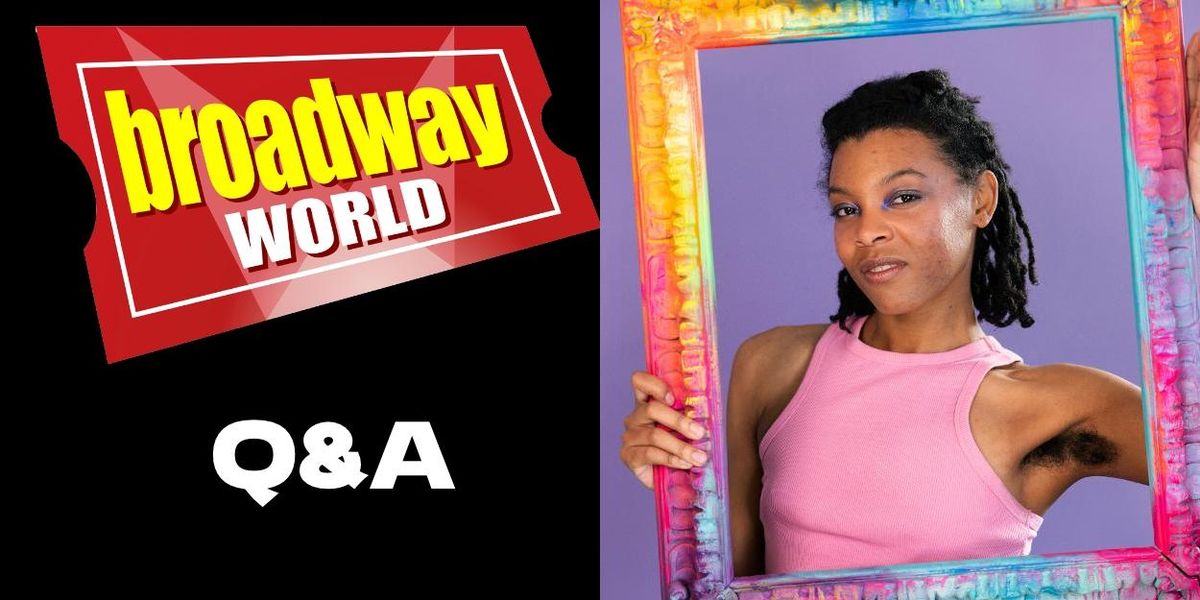
Get ready to groove with Head Over Heels, the electrifying jukebox musical set to the music of the iconic all-female rock band, The Go-Go’s! This hilarious and heartwarming show is a high-energy mash-up of a 16th-century romantic farce and timeless pop hits like “We Got the Beat,” “Vacation,” and, of course, “Head Over Heels.”
Follow the royal family of Arcadia as they embark on a journey of self-discovery, love, and acceptance to save their kingdom from an ancient prophecy. With bold twists, dynamic choreography, and unforgettable tunes, this vibrant production celebrates individuality and inclusivity in a way that will leave you dancing in your seat.
Eli-Leon Joie Harvey (they/them, he/him) is an African-American, queer teaching artist that lives in Denver, Colorado. Their two main passions are theater and education. Eli-Leon has graduated with a Bachelor of Music in Musical Theater from the University of Colorado Boulder, and has since gone on to perform in many different theaters and companies across the central/northern region of the state. Recent past credits include Ensemble (Delta Nu Chorus) in Legally Blonde at Parker Arts, originating two roles inside of two different original works and Ensemble in Guys & Dolls at Vintage Theater. When they are not performing, you can catch Eli writing, reading, drawing, or prepping for their next lesson.
How does being a queer teaching artist influence your approach to theater?
Being queer influences everything, because it’s not something that I can really turn off! Like my blackness, or my neurodivergence, being queer is more than just a choice, or a “lifestyle”, it affects the way I think and how I navigate. Being non-binary trans masculine, I am forever in conversation with my gender and my presentation, which also affects how I approach characters within a piece of work. I like playing around with descriptions of characters, are they jovial, or mean? Intense or laid back? I use these to inform my physicality, rather than trying to “act masculine” or “act feminine”. I will always be grateful to a director of mine who pushed me towards that direction, rather than trying to “act like a man”, I just… act. As a teacher, it’s a little different. Working with kids and teens who are learning about theater, in comparison to being an adult in theater allows for me to think about shows differently. As a director, I have learned that the role of an actor is to worry about the small pieces of the story, their one track (or multiple, depending on the role). As an actor, I have learned that the role of a director is to worry about the big picture, to be the audience before the audience is there to make sure all the smaller pieces make sense within the whole of the work. It made me better understand what directors think about when they think about choices, and it made me better understand how to work with performers to make different choices, and what a “different choice” means. Overall, I feel as though I’ve expanded my approach because I have been able to have different perspectives on the same craft!
Can you share some insights into your process of preparing for a role?
I love being able to read through the script to get a better understanding of the character within the context of the show. If I’m unable to find the script/receive one early, I get online and read a show synopsis as well so I can better understand the events if it’s one I’m unfamiliar with. I also enjoy being able to watch shows as well, seeing how others have portrayed the role gives me a better understanding of physicality and what sort of presence the character has. I’ve come to love the research part of the show. Getting a better understanding of the whole picture gives me a better perspective of the individual characters' arc throughout the story, and what their thought process is as it continues.
How has your Bachelor of Music in Musical Theater from the University of Colorado Boulder shaped your career?
In so many ways! I don’t believe you need a degree in theater in order to be a working artist, there are plenty within my community that learned everything they know about theater through experience alone. But I loved being able to get a broader scope of the craft and delve into different aspects of what theater can be. It also gave me great music training, especially in regards to being in the ensemble. I have never been a huge choir person growing up, but what choir does is teach you how to blend well. I never did choir while in school (high school OR college, despite my high school teacher asking me to join every year haha), but the way our ensemble’s music rehearsals were run was very choir-like. I do think the most valuable thing that my time at CU Boulder gave me was collaborative time with my peers. Many people think of networking as a vertical affair, but vertical networking doesn’t connect you to those that are around you, just those above you. Theater is all about community, and you can’t be in community with people you don’t know! There are many within my community who are my age who are making amazing shows, performing awesome works, and even directing! Being able to work with my peers while in college to create hour-long shows, or showcases, or performing scenes gave me better insight on how to work with others in collaboration, which I think is the most important part of being in theater.
Can you tell us about your experiences originating two roles in different original works?
It was a lot of hard work and patience both times. The first show I was in, “Banned: The Musical”, was a show that was about finding and accepting yourself. We previewed the show in Colorado before we took it to the Edinburgh Fringe Festival. The character I played, Ana, went through a lot of renditions before I landed on a characterization that felt real to me. I played with her being extremely timid, I played with her being extremely anxious, and I ended up landing on “judgemental, but trying their best”. Ana was originally written as a trans woman, which is an experience that is very different from my own, and so I had to really work with what her story is, and what about her story is important. The second work, titled, “The Android’s New Soul” premiered in Colorado at The Bug Theater. That character, Cassie, was a supporting role, but one I loved dearly. Because of the nature of the show, and how long the characters were in development, I didn’t need to work much to figure out who Cassie was. I played a lot with different motivations, and played with different ages, since Cassie was supposed to be a teenager, but that specific age of teenager was nebulous. I fell in love with the character of Cassie, and her excitement of discovering the first Android in many years. In both works, I loved being able to work closely with the creative team to talk about the worlds we were creating from scratch. It’s not easy creating a new piece of work, because everything you’re working with has never been done before, so there can be no point of reference to what you want to do. But that creative process always gives ways to new discoveries and ideas that breathe so much joy and life into the work. My favorite part, in both works, was seeing people recognize how much we put in, and receiving that energy back from the audience makes the whole thing worth it. I would create and work on a million original works if I could!
How do you balance your time between performing and your other passions, such as writing and teaching?
Lots of schedulers, calendars and planners. In all seriousness, it’s scheduling. I have multiple calendars and planners where I put everything, I plan out my weeks, and the tasks for the week, and see when I can work on things. I’m grateful that not everything that I do in relation to art is “work”. I write for fun, and so do that when I have free time and thoughts rattling in my head. I also draw for fun, and will do that as a way to decompress and meditate. Sometimes, my days can be up to 12-18 hour days. Sometimes, my days are only about 8 hours, it just depends on the schedule of the day and what I need to do.
How does working on a piece about self-acceptance resonate with you, especially in our current climate?
It means everything to me. As a black, queer person especially, so much about my very existence is politicized, and I feel it. Every day, I wake up, and someone is creating a new think piece on whether or not I deserve rights, or to live, just because of who I am. I have learned that my joy, all on its own, is a radical act, because there are people in this world that exist that would much rather that I don’t exist at all. As an educator, I think it’s even more powerful. The kids I teach and work with are queer, trans, neurodivergent, diverse and absolutely brilliant. I know that they’re connected to the larger world, and they know what adults are saying about them. I can visibly see how this current climate affects these kids, because it affected me when I was their age. Showing up, loving myself, and being joyful is the best thing I can do. It is imperative that I show up for my kids, because they need to see the joy of queerness, and the joy of living your truth, not what others think you should be.
Can you tell us more about your role in "Head Over Heels" and how you prepared for it?
My role is Pythio the Oracle, and a lot of what I did was reading the script to get a better understanding of what they did throughout the show. I also managed to watch a recording of a few other Pythio’s to get a better understanding of the physicality. Peppermint’s version of Pythio is Iconic, because Peppermint is iconic. She is a powerful vocalist and performer, and everytime she was on stage, she commanded it. I am not Peppermint, and could never be her, but I am me! And I’m iconic in my own wonderful ways. I took the things that I could from Peppermint’s performance, her energy and her presence, then added in the missing ingredient, me! Pythio, as a character, is so much fun for me. They have so much story that happens before the show even begins. Pythio during “Head Over Heels” is already intensely confident, regal, and powerful, and is no longer afraid of that side of themselves. They’re role in the show is to cause every single problem, then pull out some popcorn, sit back and watch it all play out, and so I decided to lean into the mischievous/trickster aspect of their character. My younger self is maniacally laughing, for they finally get to play the Puck-type character of their dreams!
How do you believe the music of The Go-Go's contributes to the narrative and emotional impact of "Head Over Heels"?
I think it gives the entire audience something to latch onto. The textual language in “Head Over Heels” is what many would consider “Shakespearian”. There are many words and phrases within it that a casual audience member might not be able to fully understand. With the music from the Go-Go’s, it allows everyone in the audience to follow the show, making the story more accessible. Emotionally, it adds to the camp! One thing I love about musicals is that everything is larger than life, and, oftentimes, has to be! Outside of obvious reasons, like the need to exaggerate so audiences can see reactions, musical theater has singing and dancing. Emotions must be at a 9 or a 10 to justify bursting into song and dance. The Go-Go’s music is highly energetic, which not only pushes the story along, it keeps the characters in an elevated emotional state. When things eventually reach a climax, it allows for a beautiful release to all that energy built up over the course of the show.
Why must audiences come and see the show?
Audiences should come and see this show because, at the end of everything, this show is fun! It’s filled with life and laughter, it’s silly and irreverent, and pulls at your heart in the moments it needs to. In a world where so much of queerness is surrounded in our pain and suffering, a show where people just be gay, no extra drama, is revolutionary. So come for the great music and wonderful vibes. Stay for the gays. Specifically the lesbians.
|
Topdog/Underdog Historic Shorter AME (8/29-9/20) |

|
EUREKA DAY by Jonathan Spector Springs Ensemble Theatre (8/13-8/30) |

|
The Great Gatsby Buell Theatre (4/06-4/18) PHOTOS |
|
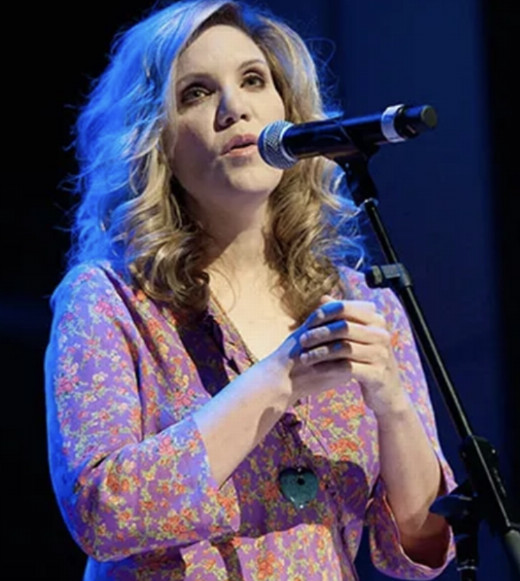
Alison Krauss And Union Station Blue Federal Credit Union Arena (8/18-8/18) |

|
Sixtiesmania Pikes Peak Center (10/20-10/20) |

|
The Tempest Kilstrom Theatre (10/02-11/01) PHOTOS |
|
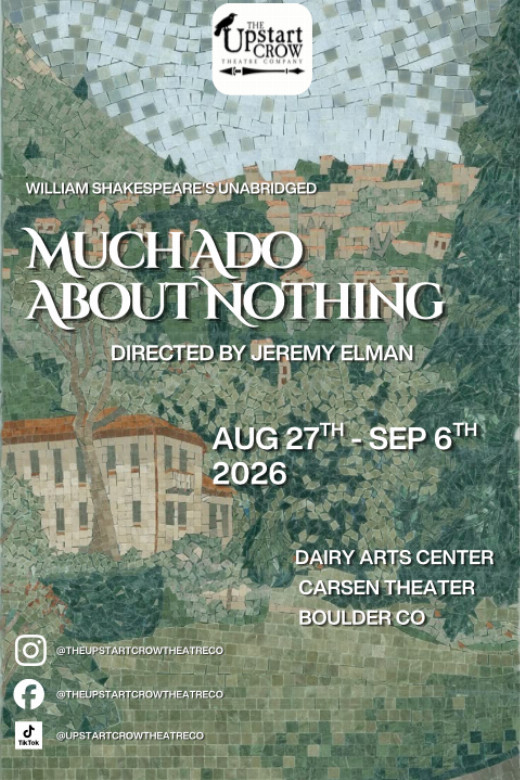
William Shakespeare’s “Much Ado About Nothing” The Carsen Theater, Dairy Arts Center (8/27-9/06) PHOTOS |

|
Buena Vista Social Club Buell Theatre (4/27-5/09) PHOTOS |
|
The Carpenters Songbook: A Live Celebration Buell Theatre (11/14-11/14) |
|
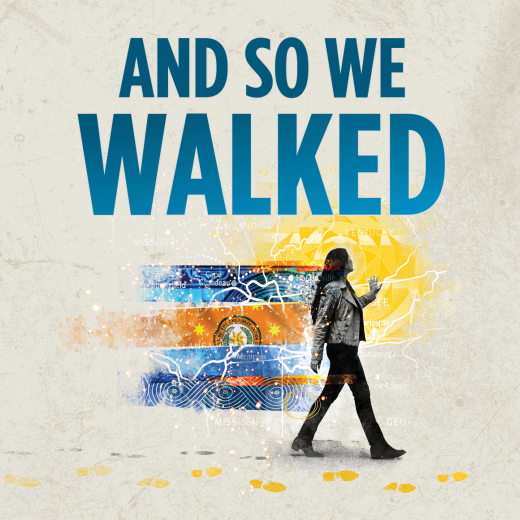
And So We Walked: An Artist's Journey Along the Trail of Tears Singleton Theatre (4/16-5/23) PHOTOS |