


Review: BESSIE COLEMAN, FEARLESS AND FREE at Children's Theatre Of Charlotte
Bessie Coleman, though gone, remains a fearless symbol of perseverance, courage, and the power of dreams. This production honors her beautifully.

When we think of African American History, we are very familiar with historic heroes such as Dr. Martin Luther King, Jr., Rosa Parks, Harriet Tubman, Muhammad Ali, etc., all prominent Black figures whose names are highly acclaimed and globally recognized. But few references, books, films, or plays have been made about our first African American female pilot, Elizabeth “Bessie” Coleman. This past weekend, I had the esteem honor to witness the premiere performance of "Bessie Coleman, Fearless & Free", written by Keetha B., at Children’s Theatre of Charlotte.
I admit, prior to attending this performance, I knew very little about Bessie Coleman’s life; however, this marvelous two-person cast production brilliantly performed by lead actor, Lydia Danielle, as Bessie Coleman, and Rahsheem Shabazz, as John Nilus Coleman and an ensemble of other characters, piqued my curiosity and provided a foundation to do additional research on my own.
Although this production was geared to a much younger audience than me, I believe I was educated just as much, if not more than the children. My 40-year-old son, Jonathan, accompanied me as well. He isn’t an avid theatergoer; yet he highly praised this production and expressed how much he enjoyed the performance. He stated that it was easy to follow, the actors were superb, and the set was simple, yet it enhanced the scenes. I co-sign everything he said. Kudos to playwright/director Keetha B. for a well-written piece – the storyline flowed – and held the attention of even those with a short attention span, like my son.
As a native Texan, I was born in Sugar Land, Texas, 20 miles southwest of Houston, Texas, I was surprised to discover that Bessie was born in Atlanta, Texas. I’m embarrassed to say that I didn’t even know that there was such a place as Atlanta in Texas, not Georgia. And, geographically, I never heard of Waxahachie, Texas, (which is located near Dallas/Fort Worth), which is where Bessie and her family resided. With further research, I found that Waxahachie is in Ellis County (Ellis happens to be my maiden name) and it is a filming town where the movie "Bonnie And Clyde" was filmed.
I was impressed with the way Keetha B. utilized actual facts about Bessie and intermingled it with her creative genius as well. For instance, the crust of the story was told from the perspective on one of Bessie’s brothers. However, Keetha B. revealed during the talk-back session, held at the end of Saturday afternoon’s performance, that the character name “John Nilus” is the combination of two of Bessie’s brothers’ names.
Bessie was the 10th child of thirteen children. Her parents were George and Susan Coleman, who were sharecroppers that picked cotton for a living, alongside of Bessie and her siblings. One of the most touching scenes for me, birth out of the creativity of Keetha B., was when Bessie’s father, George, who was speculated to be of Choctaw Indian descent, grew tired of being a sharecropper and decided to move to Oklahoma to pursue his dreams, without his family. Bessie was around eleven-years-old at the time. The emotional dialogue between Bessie and her father, as she pleads with him not to leave her, was a tear-jerker indeed.
The storyline in "Bessie Coleman, Fearless & Free", never swayed from Bessie’s persistence and resilience to become the first African American female pilot, which was a dream that was almost shattered in the United States of America because Negros (as we were referred to in that time period) nor women (double discrimination) were permitted to fly planes nor were they permitted to attend aviation school. But Bessie did not deter from her dream. Even when Bessie moved from Waxahachie, Texas to Chicago, Illinois to work as a manicurist at a local barbershop, it was still aligned with her destiny. Because there she met, Robert S. Abbott, a lawyer who founded The Chicago Defender, which had the highest circulation of any Negro-owned newspaper. Knowing it was impossible for Bessie to attend any aviation schools in the U.S.A., Mr. Abbott supported her dream to travel overseas to France to accomplish her mission. He ran an ad in the newspaper soliciting investors to help finance Bessie’s travel to France. It caught the attention of the first Black man to own a private bank, Jesse Binga. He decided to finance Bessie’s trip. On November 20, 1920, Bessie Coleman traveled to France to study aviation and she received her pilot’s license at the Federation Aeronatique Internationale, on June 15, 1921. After completion of her curriculum, Bessie returned to the United States where she received wide media attention. She began flying in air shows and became what is known as a stunt pilot.
Bessie relocated from Chicago, Illinois to Orlando, Florida. On April 30, 1926, while preparing for a parachute jump in Jacksonville, Florida, “Queen Bessie’s” Curtis JN-4 (Jenny) aircraft, which she had recently purchased, crashed and Bessie died. Her grave is located at Lincoln Cemetery near Chicago. Though her life ended far too soon, she died pursuing her passion—and she achieved what no Black woman before her had accomplished. She indeed was the “first” African American female pilot.
After the performance, there was a talk-back session with the playwright, Keetha B., and the cast, Rahsheem Shabazz and Lydia Danielle. I was highly impressed at the audience participation and the level of questions the children in attendance asked. Questions like, “Why did you only have two cast members?” And, “Why didn’t you include the mother when you included the father as a cast?” They were phenomenal. And, the icing on-the-cake was that there was a real-life African American female pilot from American Airlines, Dominique Leonard-Curry, who joined the panel on stage and answered a few questions concerning her journey.
In conclusion, I can truly say that this was a Saturday afternoon at the theatre well spent (in spite of being smack dab in the middle of an ICE’s protest…that’s another story for a different time). Kudos to all involved to include: Kianna Peters – stage manager, and the staff of Children’s Theatre Of Charlotte.
Bessie Coleman, though gone, remains a fearless symbol of perseverance, courage, and the power of dreams. This production honors her beautifully.
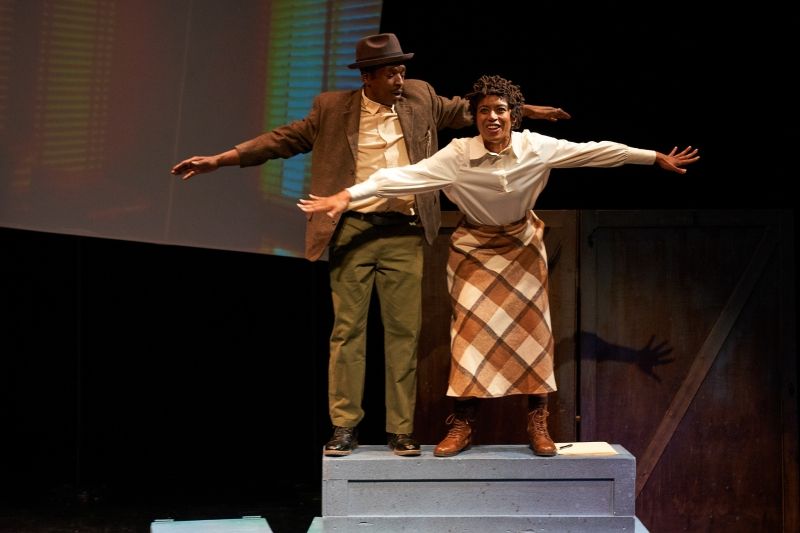
And Lydia Danielle (Bessie Coleman)
Photo Courtesy Of Children's Theatre Of Charlotte
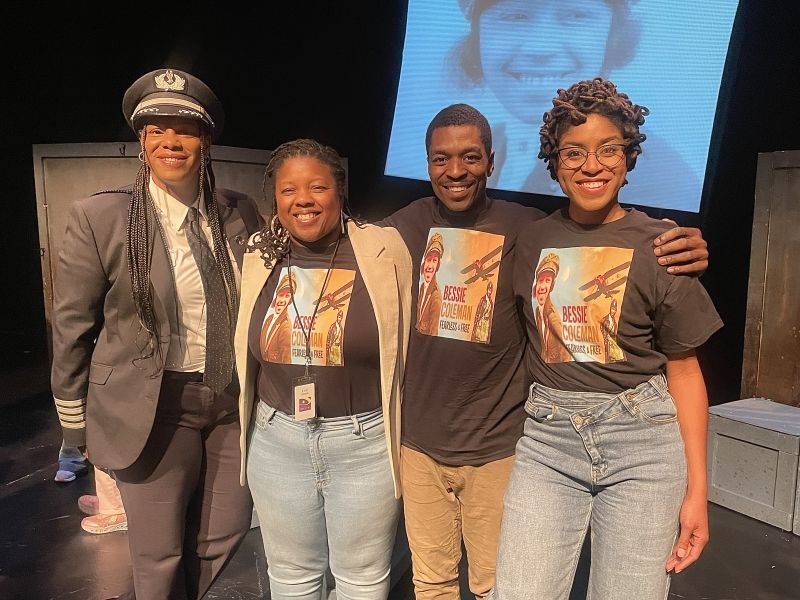
Dominique Leonard Curry (Pilot)
Keetha B. (Playwright Director),
Rahsheem Shabazz (John Nilus),
Lydia Danielle (Bessie Coleman),
Photo Courtesy Of Vickie L. Evans
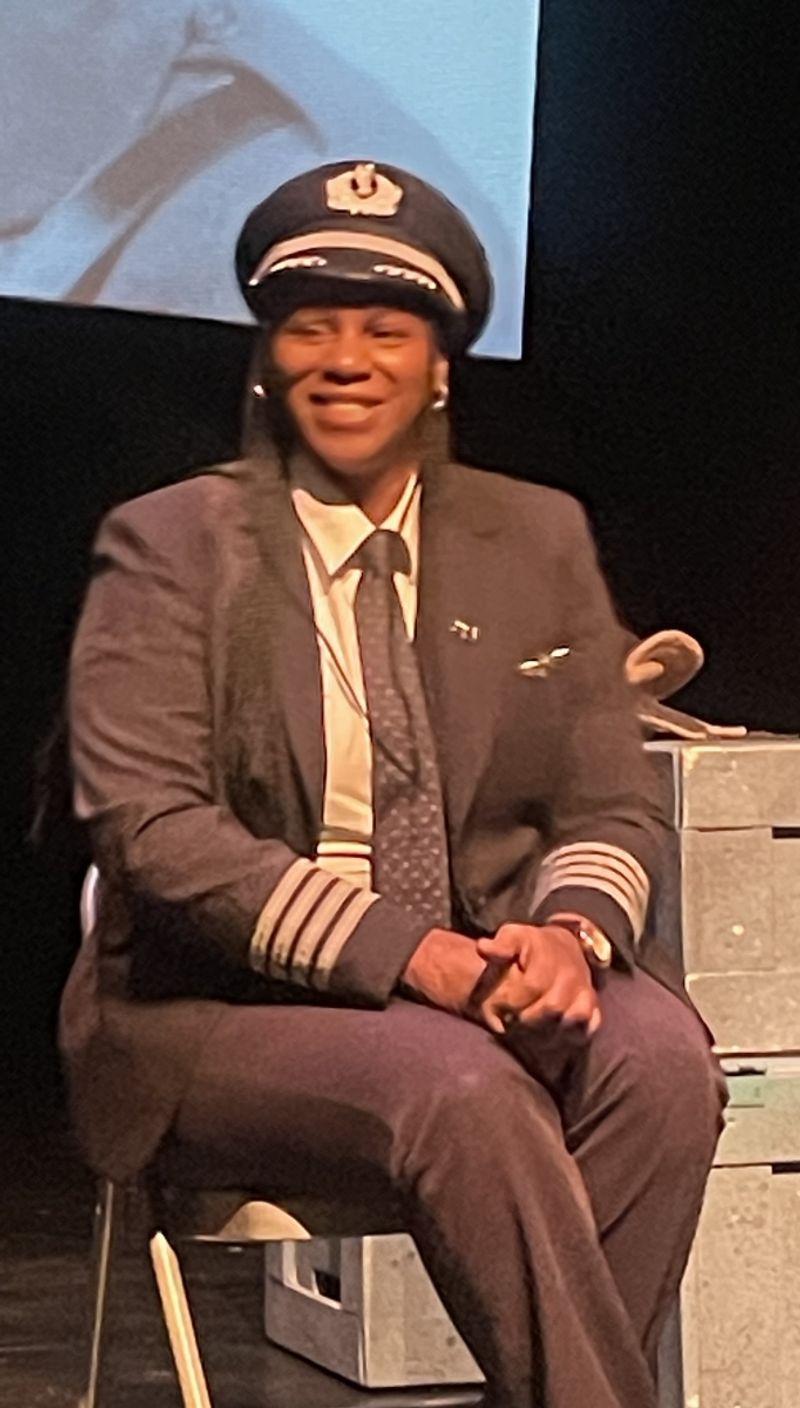
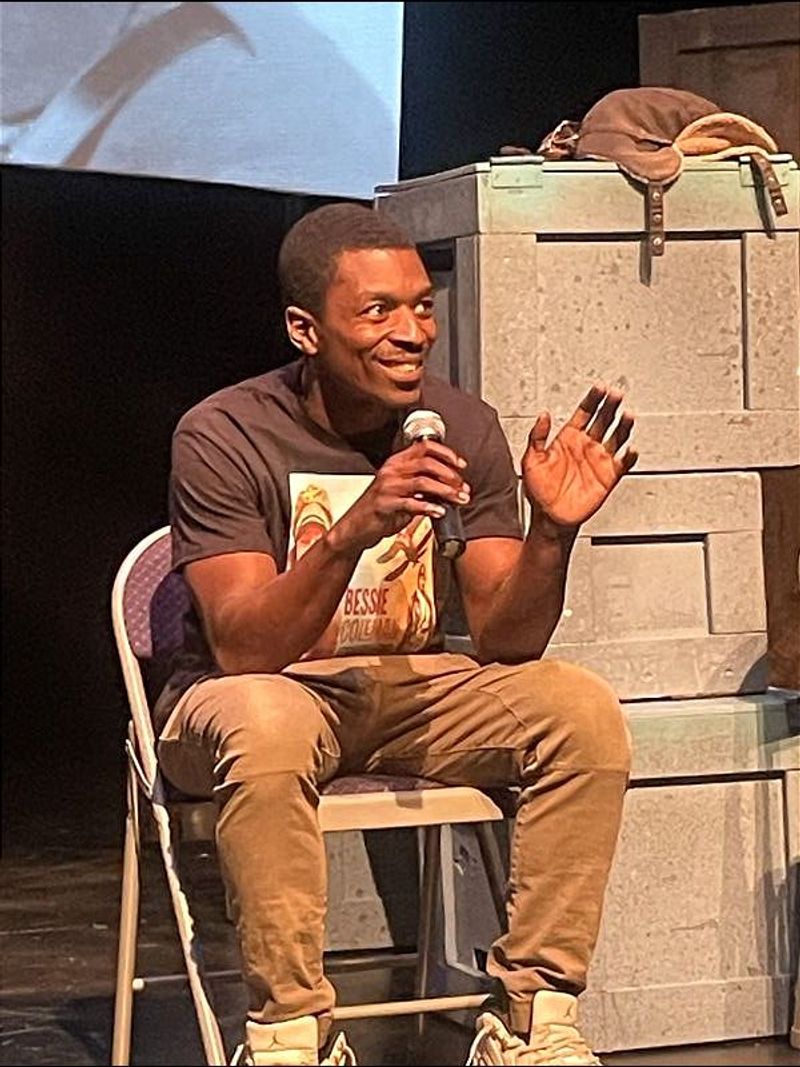
Photo Courtesy: Vickie L. Evans
For Information On Upcoming Events Visit: www.ctcharlotte.org
Sign up for all the news on the Summer season, discounts & more...
|
Masterworks: Splendid Tchaikovsky P.E. Monroe Auditorium (3/13-3/13) |
|
Purpose Three Bone Theatre (8/06-8/22) |
|
Foothills Pops: American Roots P.E. Monroe Auditorium (2/13-2/13) |
|
Sister Act Flat Rock Playhouse (10/02-10/25) |
|
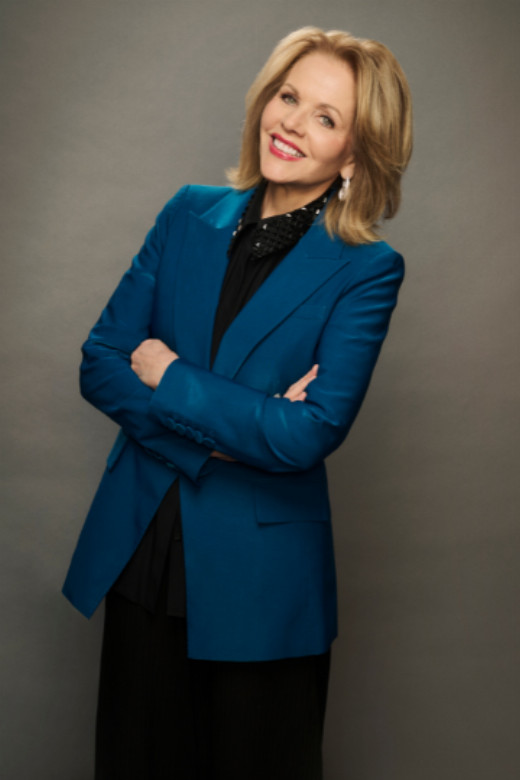
Music and Mind with Renée Fleming: Harnessing the Arts to Heal & Connect Hanes Auditorium, Salem Academy and College (9/18-9/18) |

|
BKLYN The Musical Theatre Charlotte (5/14-5/30) |

|
2026-27 First Bank Broadway Season - Sunday Matinee Plan Steven Tanger Center for the Performing Arts (8/22-8/22) |
|
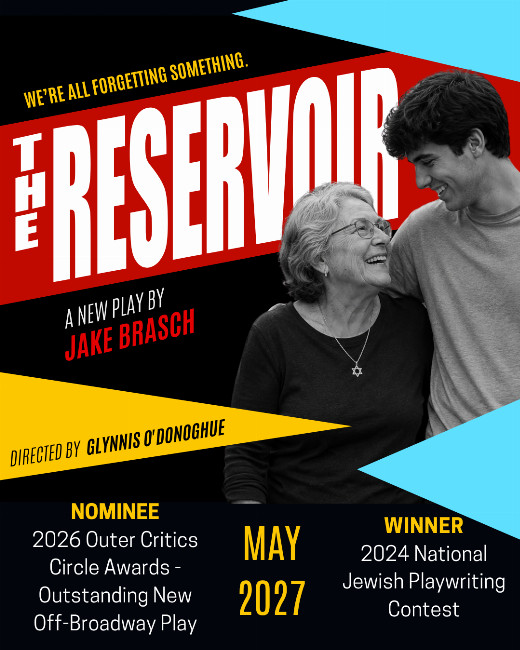
The Reservoir Three Bone Theatre (5/07-5/23) |
|
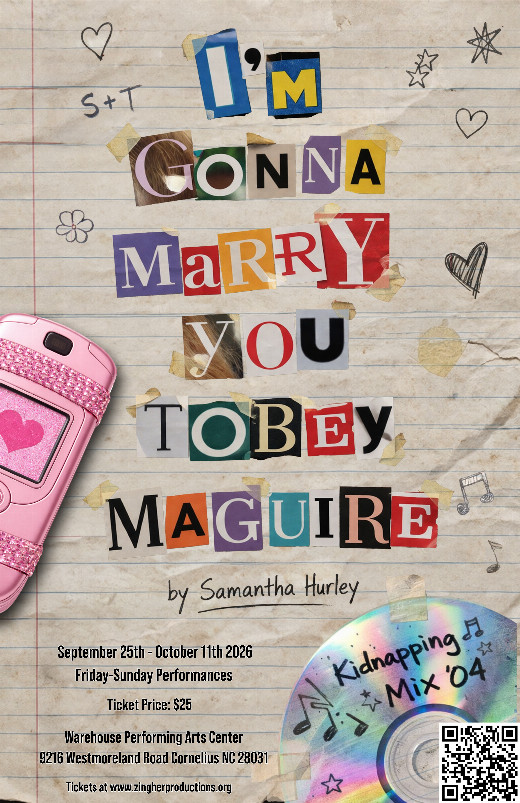
I'm Gonna Marry You Tobey Maguire Warehouse Studio Theatre (9/25-10/11) |
|
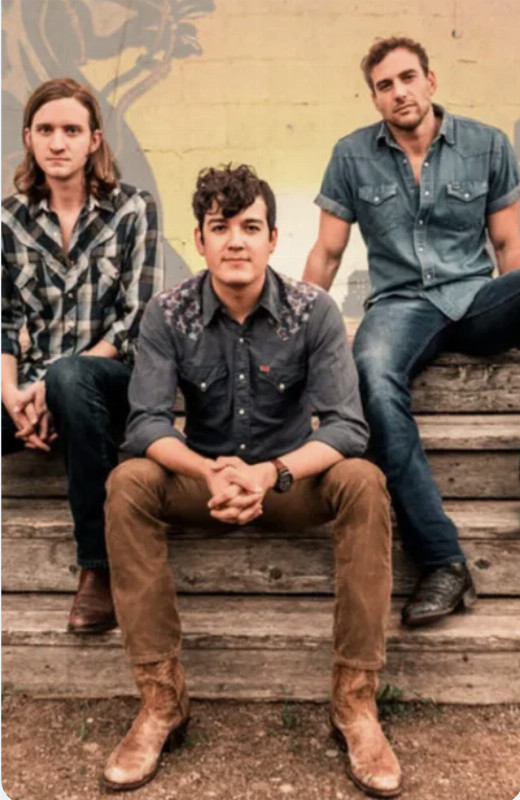
Flatland Cavalry Skyla Credit Union Amphitheatre (9/26-9/26) |

Reader Reviews
To post a comment, you must register and login.