
The Oxford Companion to Theatre and Performance
An all-encompassing reference guide to the theatre arts.
This new encyclopedia from Oxford views theater and performance as "human expressions with large cultural significance." These expressions extend beyond traditional theater to include opera, film, dance, radio, and even circuses, rituals, and parades. The 4,300 alphabetically arranged entries span all time periods, starting with ancient Greek theater to the present, and are international and cross-cultural in scope. Entries range from a small paragraph to several pages; only the longer entries have brief bibliographies. There is, however, a general bibliography, divided up geographically and consisting of only monographs, at the end of volume 2.
Almost half (around 45 percent) of the subject matter consists of biographical entries on actors, playwrights, directors, designers, company managers, and critics (e.g., Ferber, Edna; Ferron, Jacques). Ten percent consists of city and regional entries (Istanbul, Philadelphia). The rest consists of concepts and theories (Pornography and performance); styles and movements (Alternative theatre, Ballad opera); historical themes (Ghost); organizations and institutions (Czech National Theatre); buildings and material elements (Amphitheatre); and media issues (Cyber theatre). A thematic table of contents divides entries into these eight categories, offering alternative access. There is also a "Selective Index of Dramatic Titles" that lists works and the entries in which they are mentioned (for example, Rent is discussed in the Musical play entry). This helps to compensate for the fact that there are no main entries on individual play titles. Additional features of the set include a list of the scholarly editors and contributors with brief biographical information, cross-references, occasional black-and-white illustrations, and a time line that situates key historical and cultural events with corresponding theater and performance events.
There are several reference theater books currently available that touch on some similar ground. Which one is the best depends on the features being sought. For example, International Dictionary of Theatre (St. James, 1992) offers better coverage of individual plays. The six-volume World Encyclopedia of Contemporary Theatre (Routledge, 1994) has even more detailed international coverage of current theater practice in other countries but lacks comparable ease of access. Continuum Companion to Twentieth Century Theatre (Continuum, 2002) is a less scholarly alternative for recent theater. Ultimately, although The Cambridge Guide to Theatre (rev. ed., Cambridge, 1995) remains the most comprehensive single-volume reference source and, at $50, is relatively cheap, The Oxford Encyclopedia is a solid set, recommended for academic and large libraries with strong theater collections. RBB
Copyright © American Library Association. All rights reserved
Dennis Kennedy
Available On:

An all-encompassing reference guide to the theatre arts.
Part of Essential Musicals series. Takes a chronological look at the ten musicals that have won the prestigious Pulitzer Prize for Drama. Deep diving into the development of each show, unpacking the creation, production, and reception of each musical. Each chapter traces a differ…
A panoramic study of NYC across all of Miller's oeuvre, exploring how Miller transformed the defining experiences of his youth and early adulthood - formed on the streets and in the neighborhoods of the New York boroughs of Manhattan, Brooklyn, and Queens - into art. 238 pages.
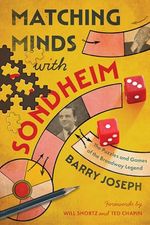
Gaming expert and theatre fan Barry Joseph draws from over eighty years of Sondheim’s activities, collecting his extremely rare and never-publicly-seen puzzles and game designs, original interviews with the celebrity friends who played them, deep dives into Sondheim-related archi…
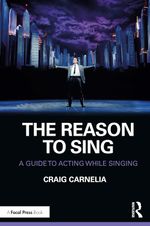
Composer-lyricist and teacher Craig Carnelia provides musical actors with a step-by-step guide to making their sung performances more truthful, vivid, and full of life. Using a technique developed over decades of teaching the professional community of Broadway actors and students…
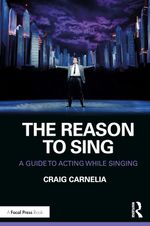
Composer-lyricist and teacher Craig Carnelia provides musical actors with a step-by-step guide to making their sung performances more truthful, vivid, and full of life. Using a technique developed over decades of teaching the professional community of Broadway actors and students…
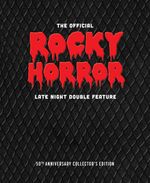
Two-volume set features the original theatrical script with rare images of the original cast, and an oral history of the Rocky Horror Picture Show phenomenon featuring never-before-seen archival material from its creator (and original Riff-Raff), Richard O'Brien. With never-befor…
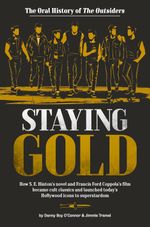
Oral history of the 1967 novel for teens, turned blockbuster film turned Tony-winning musical, and commemorated with a newly opened museum. Includes interviews with Rob Lowe, Ralph Macchio, C. Thomas Howell Leif Garrett, David Arquette, Dennis Quaid, and more.
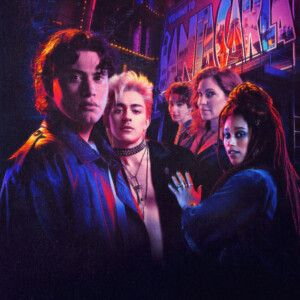
The Museum of Broadway will host a vinyl and CD signing event with THE RESCUES, the two-time Tony Award-nominated composers of THE LOST BOYS, in connection with Atlantic Records' physical release.
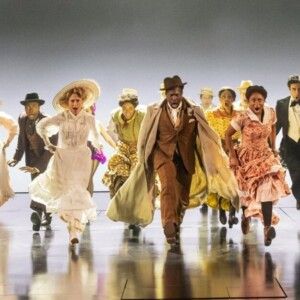
Concord Theatricals Recordings will release two new formats of the RAGTIME cast recording: a 4-inch collectible Tiny Vinyl pressing and a Dolby Atmos digital remix, both featuring performances by Tony Award winners Joshua Henry and Caissie Levy.
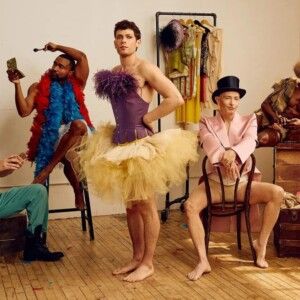
Life Jacket Theatre Company, the creator of the new musical The Gorgeous Nothings, has teamed up with Making Gay History and their podcast of the same name to release 'The Queens of Welfare Island'.
Audible will premiere Feeding Frenzy, a new play from Audible Emerging Playwright Ava Geyer.
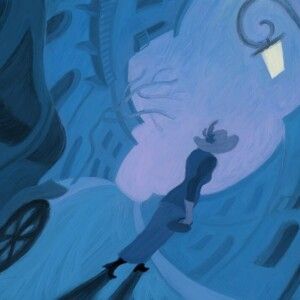
Play Club has published Jack Kelly Bellue's English translation of Sacha Guitry's 1916 French comedy, available as a standalone paperback after first appearing in Asymptote Literary Journal.
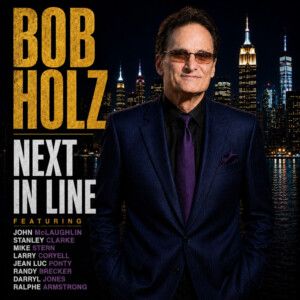
Bob Holz will release a compilation album featuring John McLaughlin, Jean Luc Ponty, Stanley Clarke, Randy Brecker and other jazz fusion musicians.
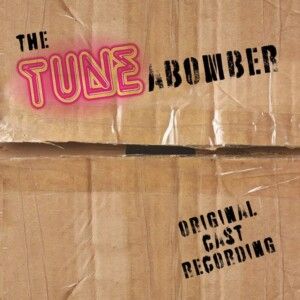
Joy Machine Records released the original cast recording for THE TUNEABOMBER, a musical comedy about the Unabomber written and performed by John Lampe and Michael Wysong, featuring theater legend Harvey Fierstein.
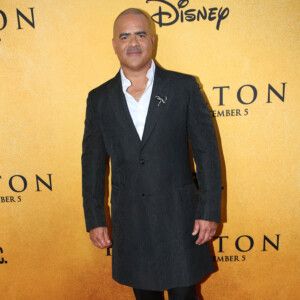
The second single from THAT PARENTING MUSICAL, featuring Christopher Jackson of HAMILTON, is out now.
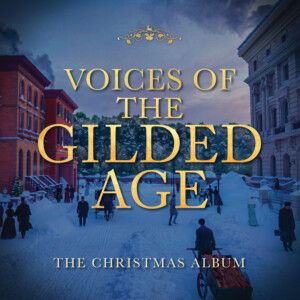
Concord Theatricals Recordings released “O Holy Night,” the second single from the highly-anticipated Voices of The Gilded Age: The Christmas Album, due out November 6.
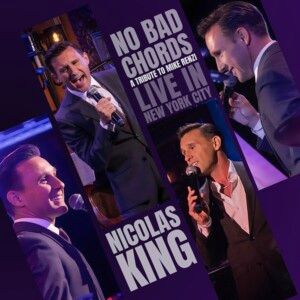
401 RECORDS will release the new album by Nicolas King on CD and streaming formats.
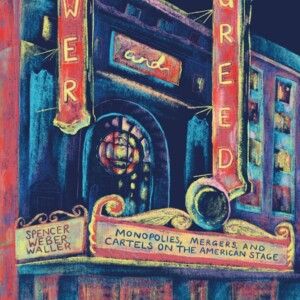
Methuen Drama/Bloomsbury Publishing will release Power and Greed: Monopolies, Mergers, and Cartels on the American Stage by Spencer Weber Waller this week.
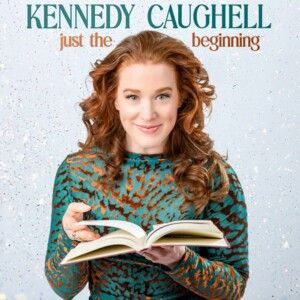
Kennedy Caughell, currently starring in Todrick Hall's Off-Broadway musical MIDNIGHT, has released the CD edition of her debut album JUST THE BEGINNING.
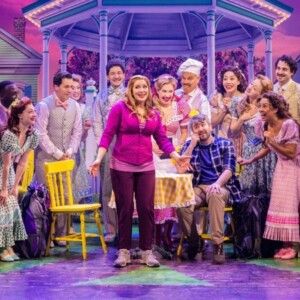
Original Broadway cast members including Alex Brightman, Sara Chase, and Ana Gasteyer will gather at the Museum of Broadway to sign copies of the SCHMIGADOON! Original Broadway Cast Recording on CD and vinyl.

A concept EP titled STONE COLD will release with cast members including Isabella Esler, Echo Picone, Lindsay Heather Pearce, Cassadee Pope, and Keaton Whittaker.
The TUNEabomber: Original Cast Recording has released its second single “The TUNEabomber,” the show's title number.
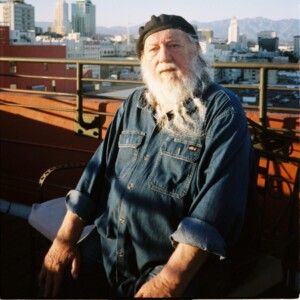
Scott Fagan released a new song from his long-lost 1971 Broadway rock opera SOON, which starred a young Richard Gere.
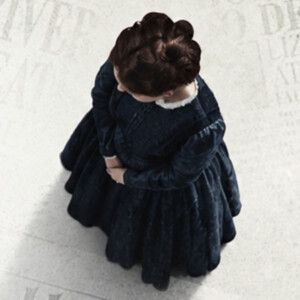
BORDEN: A New Musical, which explores the Lizzie Borden murders through her sister Emma's perspective, will release a concept album featuring Broadway's Katy Geraghty as Lizzie Borden.
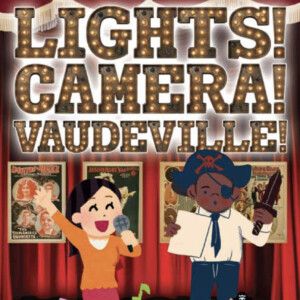
Broadway performer Kimberly Faye Greenberg will release an interactive children's book introducing young readers ages 7–12 to vaudeville history through the stories of two characters discovering their local theater's entertainment past.
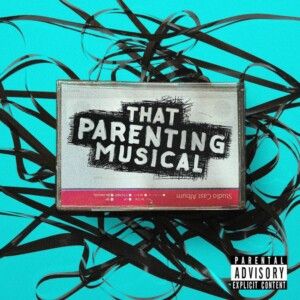
That Parenting Musical (Studio Cast Album) will be released in streaming and digital formats.
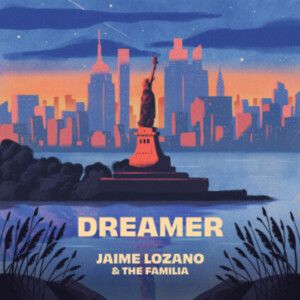
Concord Theatricals Recordings has released a new recording of “Dreamer (The Familia Version),” by composer and theatrical artist Jaime Lozano, featuring more than 100 Latine Broadway and off-Broadway performers.
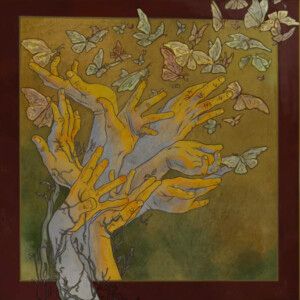
You can now get an exclusive first listen of “To Be A Butterfly,” the debut single from the upcoming concept album for the new folk musical The Waiting.

This holiday season, the cast of HBO’s Emmy Award-nominated Original Drama series The Gilded Age will come together for Voices Of The Gilded Age: The Christmas Album, featuring Audra McDonald, Laura Benanti, Kelli O'Hara, and more.
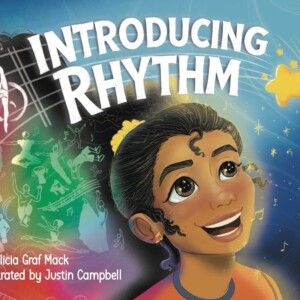
AILEY Artistic Director Alicia Graf Mack announced her debut children's book INTRODUCING RHYTHM, illustrated by Justin Campbell, designed for readers ages 4–12 exploring movement, music, and self-discovery.
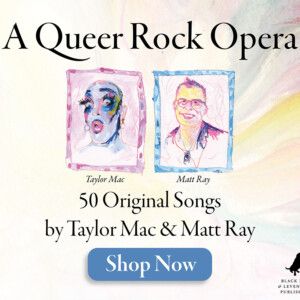
Based on Taylor Mac and Matt Ray’s spectacular rock opera, Bark of Millions brings the experience of the show to the page in a gorgeous two-volume box set.
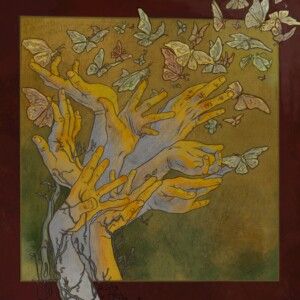
Musical theatre writers Maria Isabella Andreoli and EmmaLee Kidwell released the first single from their developing folk musical THE WAITING, which explores grief and healing through the perspective of the dead.
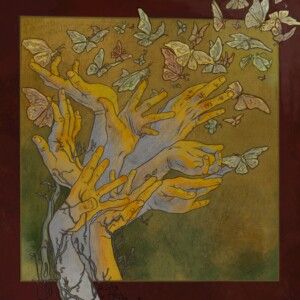
Musical theatre writers Maria Isabella Andreoli and EmmaLee Kidwell will release “To Be A Butterfly,” the first single from the upcoming concept album for their developing folk musical The Waiting.
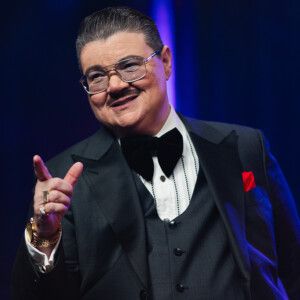
Murray Hill will host a one-night-only drag king showcase featuring K.
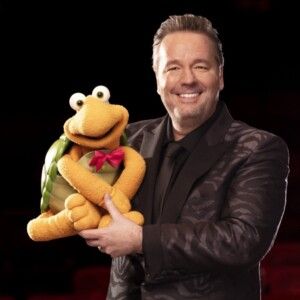
AGT winner Terry Fator is releasing his debut novel MARLEY, co-written with Jon Macks, which retells Charles Dickens' A CHRISTMAS CAROL from the perspective of Jacob Marley.
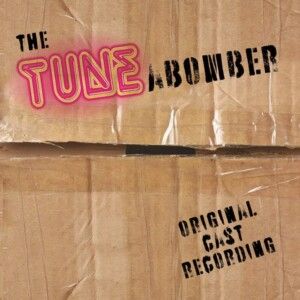
The TUNEabomber, a musical comedy about the Unabomber written by and starring John Lampe and Michael Wysong, will release its original cast recording via Joy Machine Records with monthly performances in Los Angeles and Boston.
.jpg?format=auto&width=300)