Student Blog: Returning to the Page - A Blogiversary Reflection
“Writing is how I stay in conversation with the work, the questions, and myself.”


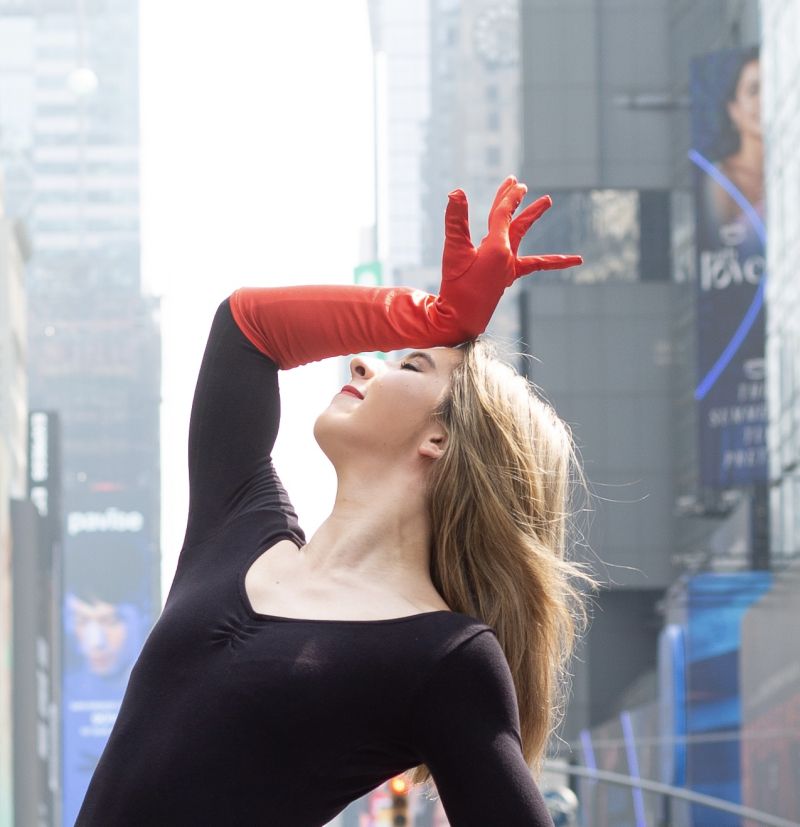
One year ago, I published my first article with BroadwayWorld without fully understanding what that small act would come to mean to me.
At the time, it felt simple. I had thoughts about theatre, about meaning, about what it means to witness art in real time, and I wanted to put them somewhere. I was not thinking about longevity or where the writing might lead. I was just writing because something inside me needed a place to land, and the page was there.
Over this year, my relationship with theatre has deepened in ways I did not anticipate. I have written from airports and late nights, from moments of momentum and moments of pause. I have written when I felt certain of my perspective and when I was still learning how to articulate what I believed. Each piece became an exercise in trust. Trusting that my observations were worth recording. Trusting that growth often takes shape in the work itself, rather than announcing itself through clear milestones.
As the months passed, my writing began to shift. I moved from documenting experiences to questioning them. I started paying closer attention to the systems surrounding the art, the expectations placed on artists, and the ways success is often narrowly defined. I wrote about ambition and goal setting, only to realize how often those frameworks overlook sustainability. I wrote about rest not as indulgence, but as necessity. I wrote about gratitude, about identity, about the tension between wanting more and learning how to be present. What began as isolated reflections slowly became a more intentional line of inquiry.
What I came to understand is that writing was not simply a way to talk about theatre. It was a way to think more carefully about my place within it. The page became a space where I could test ideas, revisit assumptions, and sit with uncertainty long enough to understand it better. I began to recognize patterns in my own thinking. What I was drawn to. What I resisted. What questions kept returning even when I tried to move past them. Writing gave those patterns shape and allowed me to take them seriously.
There is something grounding about returning to the page again and again. In an industry that values speed and constant output, writing allowed me to slow down. To listen longer. To ask better questions instead of reaching for quick conclusions. I have come to value my thoughts not because they are definitive, but because they are considered. They reflect attention, patience, and a growing sense of responsibility to the work and to myself.
Over time, I learned that growth as a writer did not mean becoming louder or more certain. It meant becoming more precise. More willing to sit with complexity without flattening it for the sake of clarity. I learned how to follow a thought all the way through rather than abandoning it when it became uncomfortable. I became more confident in allowing my perspective to stand on its own, without needing to over-explain or justify itself.
Writing also taught me discipline. Returning to the work required intention, even when inspiration was not immediate. It asked me to take my own voice seriously, not as something fragile or precious, but as something worth sustaining. Through that practice, I learned that confidence comes from returning to the work and seeing it through.
A year later, I am grateful for the permission to think out loud. For the reminder that art does not need justification to matter, but it can be honored through reflection. Writing has taught me how to give my thoughts the time they deserve.
I do not know exactly what my next writing will look like. But I know that I am still curious, still willing to sit with uncertainty. One year in, I am not writing to arrive anywhere specific. I am writing because the act itself continues to shape how I see, how I listen, and how I remain present within the work. And that feels enough.

.jpg?format=auto&width=365)