

Student Blog: What It Will Become
"I left these theatres thinking less about answers and more about obligation. About what we inherit. About what we choose to carry forward."

What does history feel like before it knows what it will become?
That question stayed with me over a winter trip to New York, where Liberation, Chess, and Ragtime began to connect in ways I didn’t expect. These works span different decades and styles, yet they all enter history at a similar point: while people are still making decisions, still disagreeing, still unsure whether what they are doing will matter in the long term.
What made that perspective resonate for me is how closely it mirrors the way creative work actually feels. I spend a lot of time around artists who are constantly being asked to explain what their work “means,” where it’s going, and how it will eventually fit into a larger narrative. Watching these shows felt like a reminder that most meaningful work doesn’t begin with that kind of clarity. It begins with commitment, doubt, and the willingness to move forward anyway.
In Liberation, this is visible in the way conversation drives the action. Set in the 1970s, the play centers on a group of women gathering to talk about feminism, freedom, and the lives they want but don’t yet know how to claim. Feminism is not depicted as a unified movement with shared goals. It unfolds through debate, hesitation, and attempts to reconcile ideals with daily life. The women at the center are not trying to define history. They are trying to understand how much change their own lives can realistically hold. In that way, much of the work we step into as artists already carries a history with it. Creatives rarely start from nothing. We enter traditions, systems, and conversations that were already in motion. Watching this play prompted me to think about how often we inherit unfinished questions, and how rarely we are given the luxury of clean beginnings.
Chess explores another dimension of living inside history: representation. Set during the Cold War, the musical follows a world chess championship caught in global politics, where players become stand-ins for ideology and personal relationships are inseparable from national allegiance. Characters are read less as individuals and more as symbols, and personal decisions take on public meaning. For artists today, that same compression often accompanies visibility. Work is expected to signal clarity and alignment, leaving little space between what an artist intends and how it is interpreted.
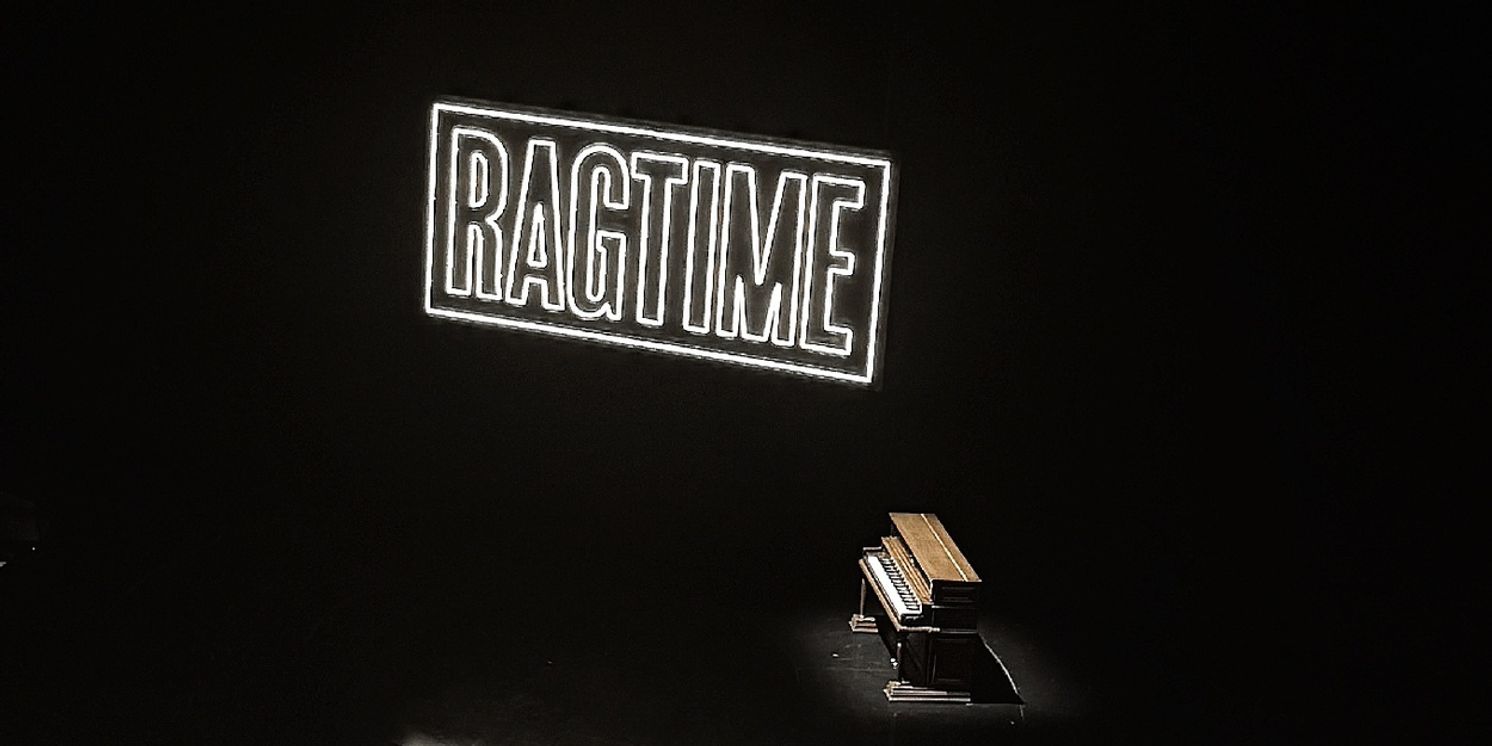
Ragtime widens the lens and complicates the idea of progress itself. Set at the turn of the twentieth century, it follows intersecting lives across race, class, and immigration as America moves toward modernity. Change is happening, but not evenly. Some lives move forward while others remain constrained by systems that barely shift. The show does not resolve that imbalance. It allows it to exist plainly, making clear that time passing does not automatically create access or fairness. That choice matters. Ragtime neither excuses the past nor attempts to repair it after the fact. It shows how inequality functioned within its moment. For contemporary artists, that clarity underscores the value of representing history without flattening its complexity or forcing it into resolution.
Seen together, these works reveal a Broadway season interested in the mechanics of change. Who gets to move forward. Who waits. Who carries unfinished work into the future. What stayed with me most is the restraint these stories exercise. They don’t rush to explain themselves or guide the audience toward a single takeaway. They trust viewers to sit with complexity. That trust felt generous. It was a reminder that not everything meaningful arrives with immediate clarity.
I left these theatres thinking less about answers and more about obligation. About what we inherit. About what we choose to carry forward. About how often the most honest work doesn’t resolve the world, but stays close enough to it to tell the truth while it’s still unfolding. That, for me, is what connected these shows. Not their subject matter, but their shared commitment to showing history as it feels while you’re living inside it. And right now, Broadway seems especially willing to do that.

Videos