


Review: JOBURG BALLET - COMMUNION OF LIGHT, Royal Ballet And Opera
Choreographically weak
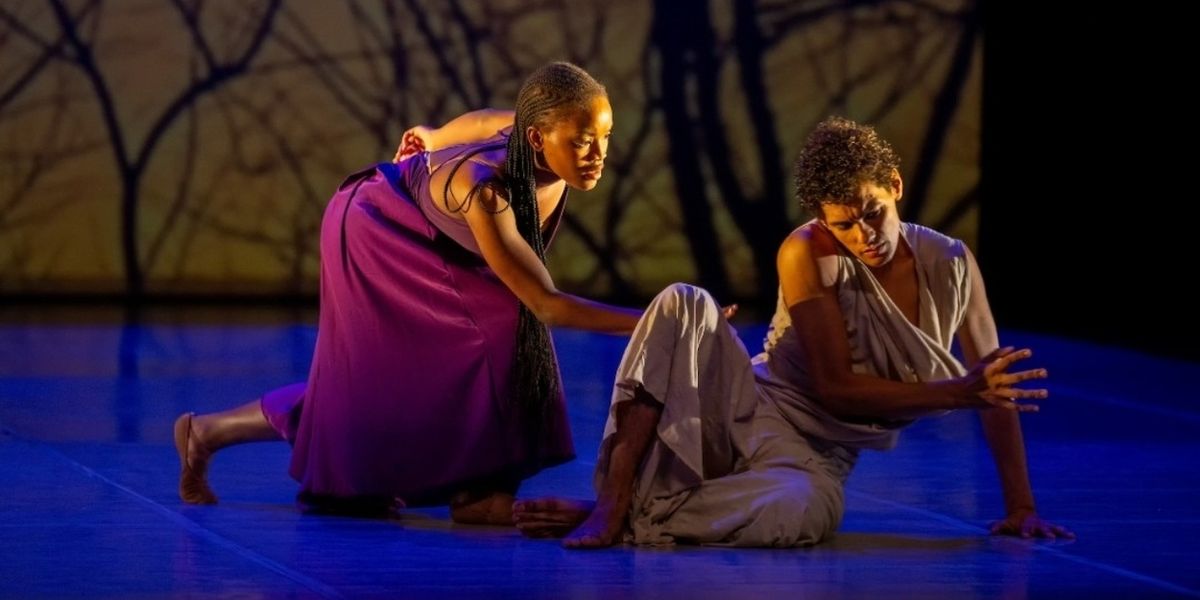
 Joburg Ballet made their Royal Ballet and Opera debut at the Linbury Theatre on 30 October with a programme of five works called Communion of Light. The bill hoped to celebrate South Africa’s 30th year of democracy, and this it did with four South African choreographers showing work.
The company also has an interesting group of dancers. Largely young and full of energy, in the right work they can come across as impressive - but repertoire choice is paramount.
Opening the evening was Veronica Paeper's 1979 Concerto for Charlie. The work is danced to Shostakovich's "Second Piano Concerto", which is a tricky score to bring to the RBO considering its history with Kenneth MacMillan’s 1966 Concerto.
Paeper's work is plotless, but for me, also quite an unmusical reading of the score. I struggled with the 1st and 3rd movements as many of the cast hammed up the choreography, I assume as this approach is wanted. The adagio 2nd movement had more gravitas, but nowhere near enough to shake images of MacMillan’s now legendary pas de deux.
Following was Tumelo Lekana's Camagwini (‘Kago-Entle’), a work so short it's difficult to get to grips with. The piece is described as an “offering of gratitude to ancestors” and one feels a sense of ritual through the focused, introspective movement. Lekana dances en pointe, and company director Dane Hurst should be praised for giving idiosyncratic voices a platform.
Hurst’s own work Resonance closed the first half, and it's a confused piece looking at healing and freedom of expression in relation to South Africa’s history. This is, of course, very important subject matter, but Hurst’s current work is too clunky, going from light group scenes reminiscent of hooking up bars to trios reenacting violent scenarios that undoubtedly occurred during the Apartheid regime. There's definitely something wanting to be said, however the right structure is yet to be found for the work to succeed.
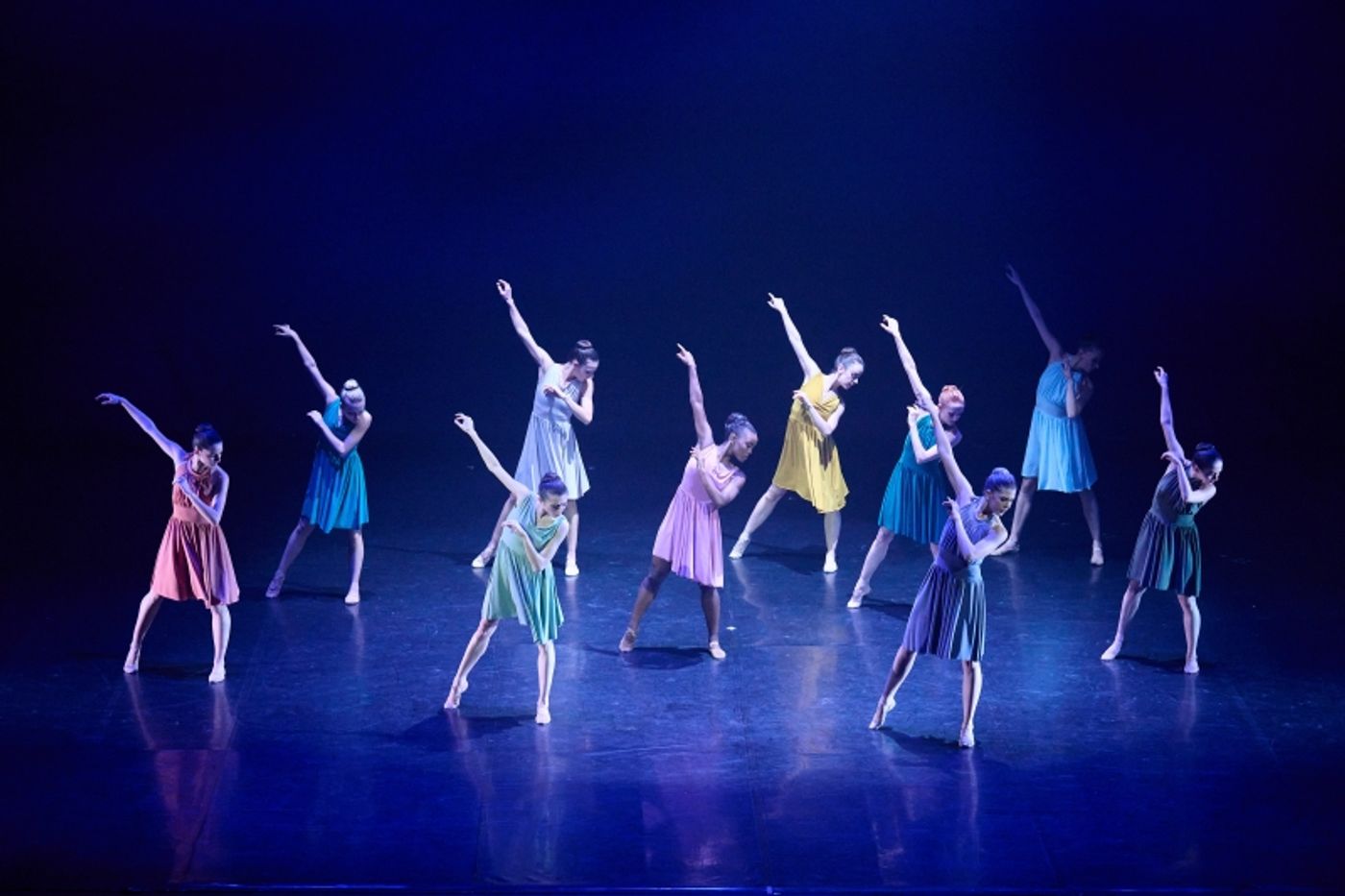
Photo Credit: Lauge Sorensen
After the interval the night continued with Jorge Pérez Martínez's Azul. Another work looking at community, we ended up in a similar place as Resonance; lots of unison movement and little to no, choreographic structure. The most interesting part of Martinez's work is the partnering, as here we see original language full of interweaving and readable complexity, elsewhere I couldn't find the point.
Closing the bill is undoubtedly the most interesting work; Dada Masilo’s Salomé. Masilo died in 2024 age 39, and this tragic fact makes her work speak even louder in relation to individuality and gravitas.
Masilo adapted the Oscar Wilde play but still looks at the key components of “desire, power and unbridled passion”. Through her work the characters are clear, as is emotional intention and physical expression. I was struck by the speed and voracity of the movement, with moments crossing over into something other than dance, almost tumbling, albeit horizontal rather than vertical.
Revil Yon as Jokanaan gave a palpable performance as an individual in deep trauma and Latoya Mokoena as Salomé is an undeniable presence. But thanks must also go to Masilo for bringing a multifaceted female character to the stage. How interesting to see all characteristics of women on display, including desire and unbridled passion that develops into aggression.
Overall however, the evening was weak choreographically, and this is a problem for Joburg Ballet. Hurst has talent within the company, but moving forwards his repertoire choices will determine how the troupe is received and also what direction it's moving in. Only one of the five pieces could be considered classical, and some of the dancing within it needs more rehearsal and refinement. Let's see what the future holds.
Joburg Ballet - Communion of Light continues at the Royal Ballet and Opera's Linbury Theatre until 2 November
Photo credits: Lauge Sorensen




Reader Reviews
To post a comment, you must register and login.