


Previews: THE GOOD PEACHES at Mahaffey Theatre
American Stage, The Florida Orchestra, and projectALCHEMY unite for a groundbreaking performance blending theater, orchestral music, and dance.
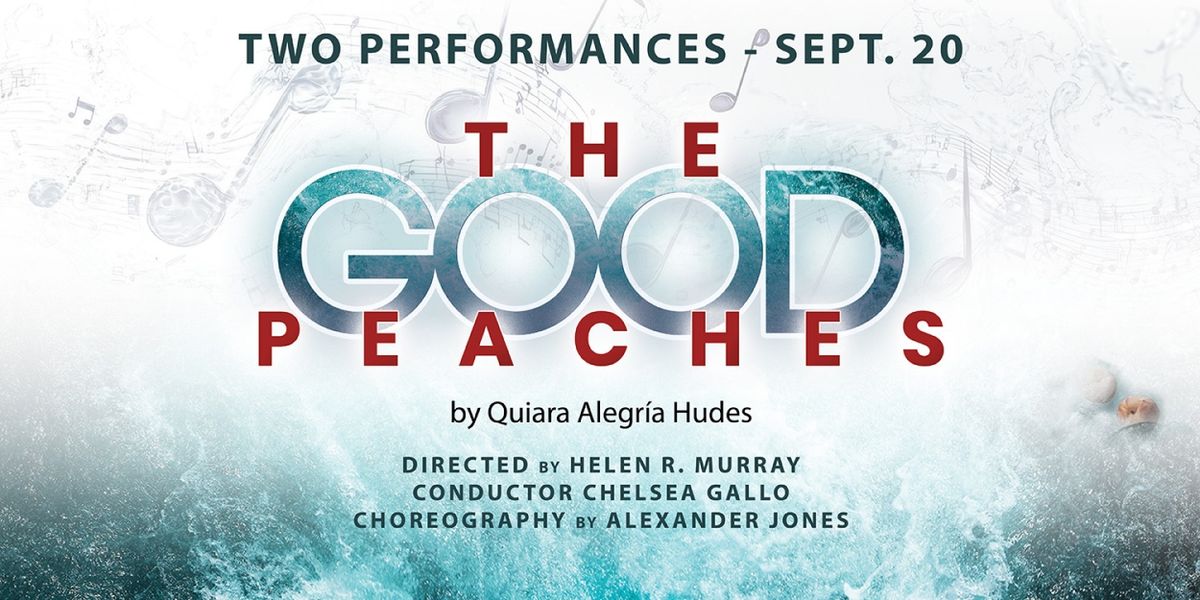
St. Petersburg is set to host a singular artistic event this fall as American Stage, The Florida Orchestra, and projectALCHEMY present their first-ever collaboration: The Good Peaches. Premiering for one day only at the Mahaffey Theatre on September 20, with both matinee and evening performances, this multidisciplinary production seeks to push the boundaries of live performance and storytelling through a seamless synthesis of theater, music, and dance.
The artistic leads—Helen R. Murray (Artistic Director of American Stage), Chelsea Gallo (conductor of The Florida Orchestra), and Alexander Jones (projectALCHEMY)—reflect on the vision and collaborative process that brought The Good Peaches to life.
Murray explains, “I have always been interested in shifting the way theatre engages with an audience. When I first read The Good Peaches, it spoke to me on several levels—the messages it embraces, the poetry of the language, the strength of its characters. The scale of musical inclusion opened pathways for audience connection, and I immediately envisioned the addition of a dance company. Having already admired performances by projectALCHEMY and The Florida Orchestra, it felt natural to bring these organizations together for this giant collaboration.”
Gallo adds, “Storytelling through sound and motion—coordinating without dominance—is such a unique challenge. When Good Peaches premiered in Cleveland, Britten’s Four Sea Interludes set the tone beautifully, painting the story’s landscape in sound. For our production, I kept Britten but added Blush by Ayanna Witter-Johnson. It’s a vibrant overture, blending dance, song, and drama, with themes that weave through the production. The combination expands our narrative palette, rooting the drama in evocative seascapes while welcoming fresh, contemporary energy.”
Jones describes how these collective energies inspired the movement: “I’m pulling from my own experiences as a native Floridian—dealing with hurricanes, loving the water—and channeling all of that into how we embody nature on stage. The music’s surges and swells, the storm-like energy in the text, and the sensations of wind or the weight of rain all guided our physicality. We found that the dancers could embody both nature and ancestry. They’re the storm, the disasters, but also the support guiding Aurora along her journey. There’s a real multiplicity to their role—they’re everything: chaos and care, power and presence.”
The conversation turns to process.
Murray emphasizes, “When casting the show, I sought actors with honesty and magnetism. The three characters are rooted in land, heritage, and their response to nature’s might. They serve as connectors between the orchestra, dancers, and words—a big lift, but our team has truly risen to the occasion. Collaboration has been essential. Chelsea and Alexander helm their sections, but we remain open to how each art form works, striving for a harmonious creation.”
Gallo expands, “There’s a deep, emotional layering when aligning breath, phrase, and flow across disciplines. Timing is everything—the conductor becomes the common pulse, the invisible thread binding all these forms so they rise and fall as one organism. What excites me most is having the orchestra as more than accompaniment. The musicians will share the stage, with actors and dancers moving among them, navigating the orchestra as a living landscape. Audiences will witness the athleticism, strength, and responsiveness of our musicians.”
Jones adds, “Collaboration is like a relationship—it’s give and take. Sometimes I have to bend, shift, wait, yield, or push to make something happen. That dynamic exchange is what makes this project so rich. We all work differently, and when we come together, we find overlaps and beautiful commonalities. In those areas where things don’t align perfectly, that’s where the real work and growth happen.
“What’s been most moving for me is not just the final performance, but the behind-the-scenes building of it. The skills dancers develop in the studio—push and pull, improvisation, listening, tension and release—translate directly into rehearsals, production meetings, and even conversations. It’s all choreography in its own way. I encourage dancers to recognize that their skills can carry them into unexpected rooms—and help them hold space there.”
Murray concludes, “Collaboration isn’t just about assembling talent—it’s about true integration. I’ve learned so much from working across mediums, and I hope audiences see the magic of the process, not just the final product. This project is a testament to the enduring power of live performance and to the surprises that emerge when we build something together.”
The Good Peaches is on September 20. Learn more and buy tickets at AmericanStage.org.
|
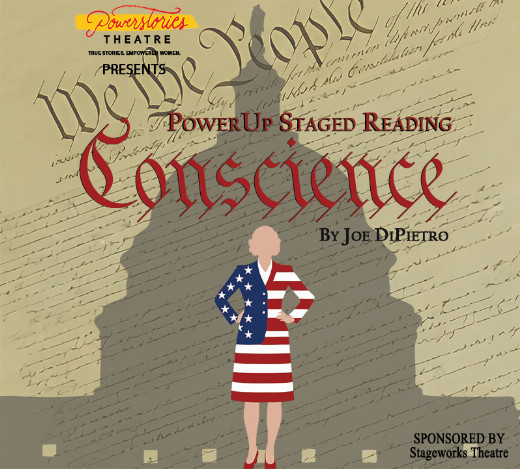
Conscience Powerstories Theatre @Stageworks Theatre (8/14-8/16) |
|
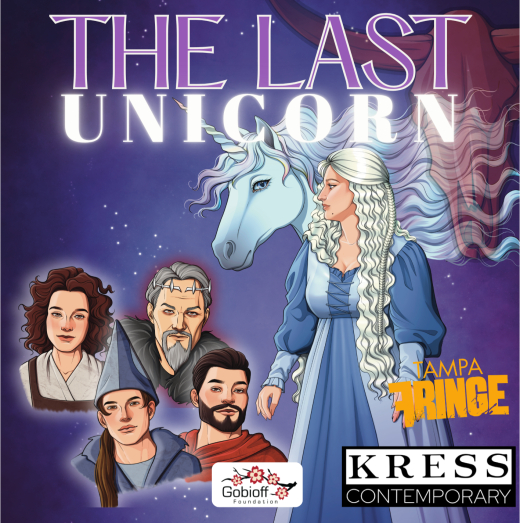
The Last Unicorn The Tampa Fringe Theatre (8/13-8/23) |

|
Damn Yankees Eight O'Clock Theatre (2/26-3/07) |
|
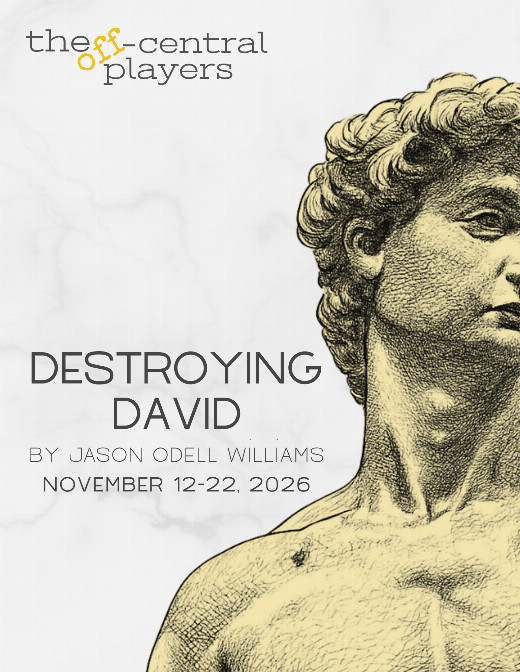
Destroying David The Off-Central Players (11/12-11/22) |
|
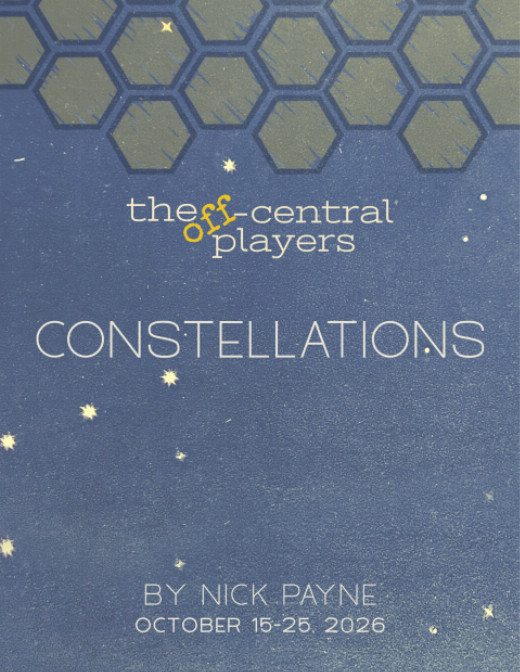
Constellations The Off-Central Players (10/15-10/25) |
|
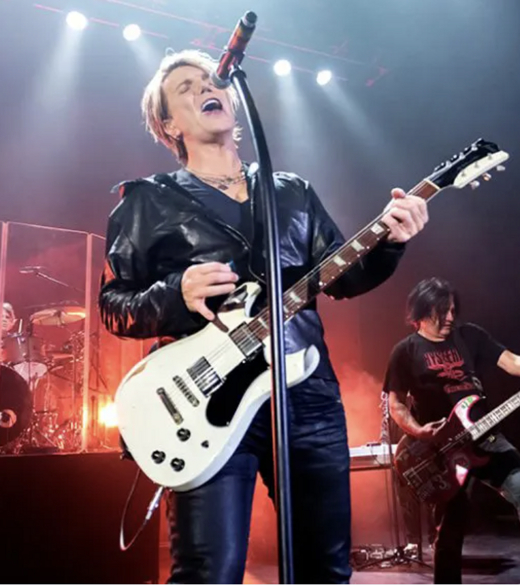
Goo Goo Dolls at MidFlorida Credit Union Amphitheatre MidFlorida Credit Union Amphitheatre (8/24-8/24) |
|
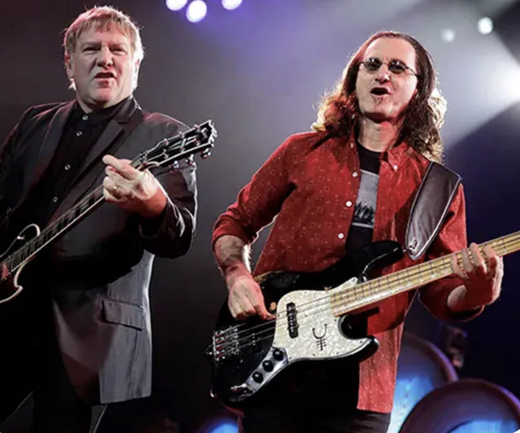
Rush at Hard Rock Live Hard Rock Live (11/05-11/06) |

|
St. Pete Country Fest – Friday Vinoy Park (11/20-11/20) |
|
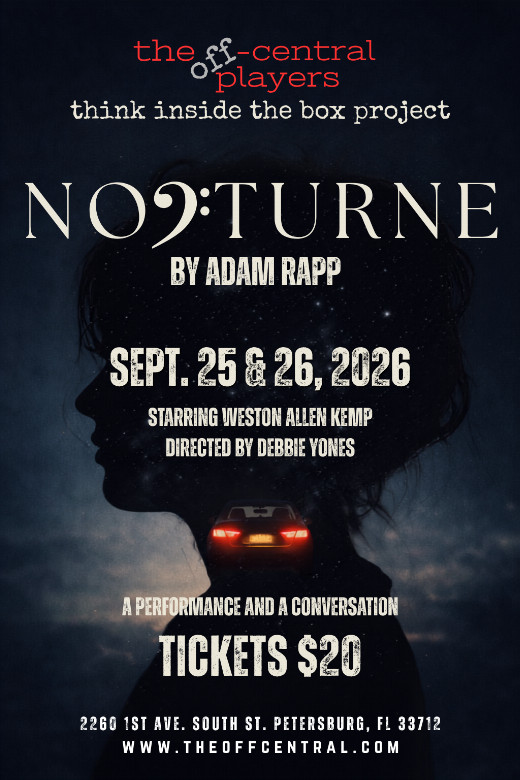
Nocturne The Off-Central Players (9/25-9/26) |

|
The Gods of Comedy Carrollwood Players Theatre (8/14-8/30) |