Glengarry Glen Ross Revival
Closing: June 28, 2025Glengarry Glen Ross - 2025 Broadway History , Info & More
Palace Theatre (Broadway)
1564 Broadway New York, NY
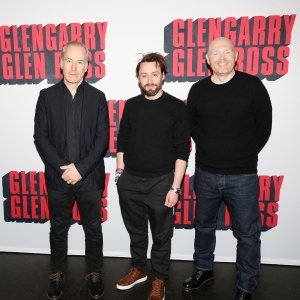
Who will come out on top? Find out in David Mamet’s Pulitzer Prize-winning drama Glengarry Glen Ross, directed by Patrick Marber and starring Kieran Culkin, Bob Odenkirk, and Bill Burr.
Glengarry Glen Ross is set in a cutthroat Chicago real estate office where four salespeople compete to sell mostly worthless properties to unwitting customers. Whoever sells the most wins a car; whoever sells the least is out of a job – a ruthless environment where each character will do anything to come out on top.
Renowned for its sharp, rhythmic dialogue and unflinching portrayal of human vulnerability, Mamet's work has become a cornerstone of modern American theater. The 1992 film adaptation, featuring an all-star cast, further cemented its legacy and introduced iconic lines like "Always Be Closing," which have since entered the cultural lexicon. Glengarry Glen Ross continues to resonate as a powerful examination of ambition, power dynamics, and the dehumanizing effects of a profit-driven society, making it a timeless reflection of both personal and systemic struggles.
This marks the third Broadway revival of the iconic play, which premiered on Broadway at the Golden Theatre in 1984. Previous cats have included such stage and screen superstars as Al Pacino, Alan Alda, Liev Schreiber, Jeffrey Tambor, Bobby Cannavale, and David Harbour. The film adaptation starred Pacino, Jack Lemmon, Alec Baldwin, Alan Arkin, Ed Harris, Kevin Spacey, and Jonathan Pryce.
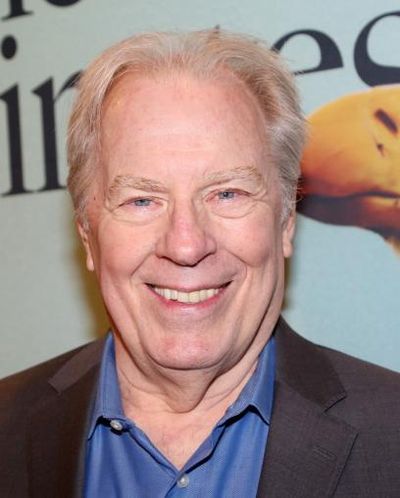
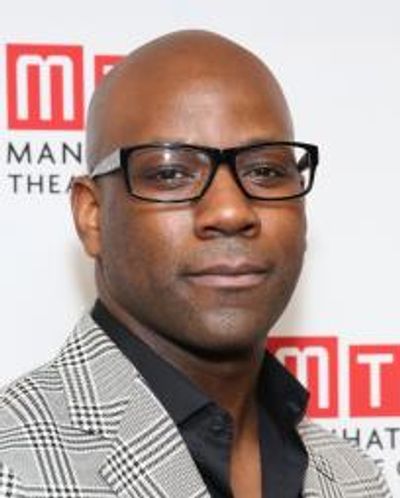
Glengarry Glen Ross - 2025 - Broadway Cast

PREVIEW Glengarry Glen Ross - 2025 - Broadway
.jpg?format=auto&width=720)
Photos
Videos
FEATURED REVIEWS FOR Glengarry Glen Ross
‘Glengarry Glen Ross’ Review: Kieran Culkin, Bob Odenkirk Lead a Surprisingly Humane New Broadway Revival
7 / 10
Dialed to a slightly lower register, the delicacy and intricacy of the language here lands with a punch whose impact comes on the subway ride home. “Glengarry Glen Ross” is a part, now, of our shared canon; a production that sheds light by emitting slightly less noise allows its performers to probe all its contours, and to make it fresh for a new audience.
Glengarry Glen Ross: The Stars are Mostly Selling It
8 / 10
It really would take a lot more than one case of miscasting to tank this play. That misstep aside, the production remains highly entertaining. In addition to Odenkirk, Burr and McKean’s standout performances, Donald Webber, Jr. as the stoic office manager Williamson, and John Pirruccello’s turn as Roma’s target – the indecisive schlub James Lingk – are both excellent.
Category
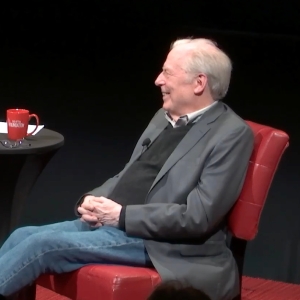
by Backstage Live with Richard Ridge - June 14, 2025
This spring, Michael McKean officially took a bow in his ninth Broadway show- David Mamet's Glengarry Glen Ross. McKean plays 'George Aaronow' in the Pulitzer Prize-winning play. Check out the full interview with Michael as he unpacks his epic career on stage and screen and watch even more conversations with your favorite actors of stage and screen with SAG-AFTRA Foundation.
Check out the full interview with Michael as he unpacks his epic career on stage and screen and watch even more conversations with your favorite actors of stage and screen with SAG-AFTRA Foundation.
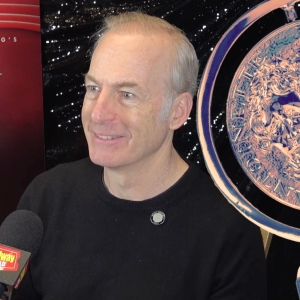
by Joey Mervis - May 18, 2025
Watch in this video as Bob Odenkirk chats more about being welcomed by the Broadway community, how munch his Glengarry Glen Ross cast means to him, and so much more.
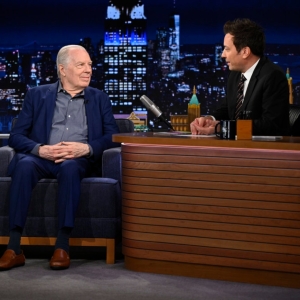
by Josh Sharpe - May 13, 2025
Michael McKean, currently on Broadway in Glengarry Glen Ross, visited The Tonight Show Starring Jimmy Fallon to discuss the hit revival of the David Mamet play. Watch the interview!
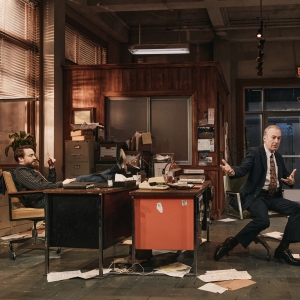
by Stephi Wild - May 13, 2025
The producers of the new Broadway production of David Mamet's Pulitzer Prize & New York Drama Critics' Circle-winning play Glengarry Glen Ross, have announced that the production has reached recoupment.

by Josh Sharpe - May 1, 2025
On a recent visit to The Kelly Clarkson Show, Bill Burr shared his thoughts about the character he plays in the new hit revival of Glengarry Glen Ross. Watch the interview!

by Josh Sharpe - April 24, 2025
In Variety's latest Actors on Actors interview, Succession's Kieran Culkin and Sarah Snook reunite to discuss their Broadway productions, Glengarry Glen Ross, and The Picture of Dorian Gray.
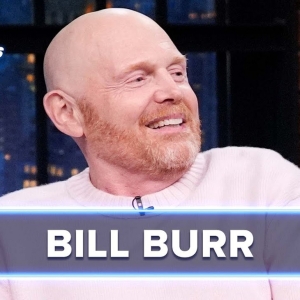
by Josh Sharpe - April 4, 2025
Bill Burr recently visited Late Night with Seth Meyers to discuss his Broadway debut in David Mamet's Glengarry Glen Ross, now open at the Palace Theatre. During the interview, he discussed acting opposite Michael McKean and performing for matinee audiences. Watch the interview!
by Joey Mervis - April 2, 2025
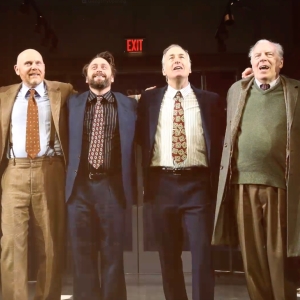
The stars aligned at the Palace Theatre where the third Broadway revival of David Mamet's Glengarry Glen Ross celebrated it's opening night. This version was helmed by Tony-winning director Patrick Marber. Go inside opening night in this video!
by Bruce Glikas - April 2, 2025
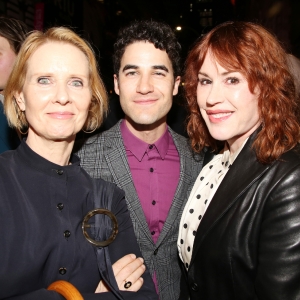
Stars came out for the big opening night celebration of Glengarry Glen Ross, including Darren Criss, Katie Holmes, Ansel Elgort, and many more.Check out photos here!
by Josh Sharpe - April 1, 2025
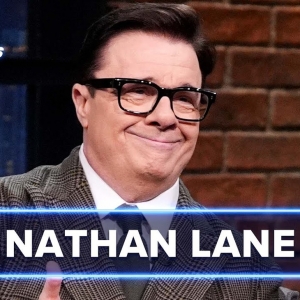
On the final stop of the Mid-Century Modern press trail, Nathan Lane shared how he helped Bill Burr land the role of Dave Moss in the revival of Glengarry Glen Ross, which is now open on Broadway. Watch the interview now!
by Bruce Glikas - April 1, 2025
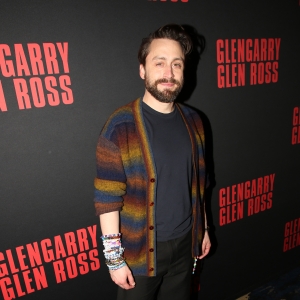
David Mamet's Pulitzer Prize-winning drama Glengarry Glen Ross is back on Broadway! The Palace Theatre hosted the opening night of the star-studded revival and BroadwayWorld was there for the festivities. Check out photos of the cast here.
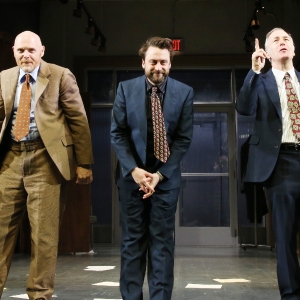
by Bruce Glikas - April 1, 2025
The Palace Theatre was the place to be last night and BroadwayWorld was there for the opening night of David Mamet's Pulitzer Prize-winning drama Glengarry Glen Ross. We've got photos from the company's opening night curtain call here!
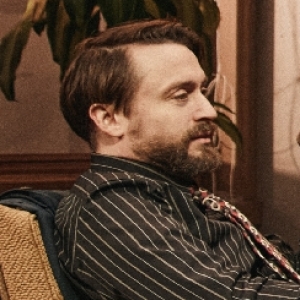
by A.A. Cristi - March 31, 2025
The Pulitzer Prize-winning drama Glengarry Glen Ross returns in a starry new Broadway revival, opening tonight at the Palace Theatre! Check out photos of the brand-new production!
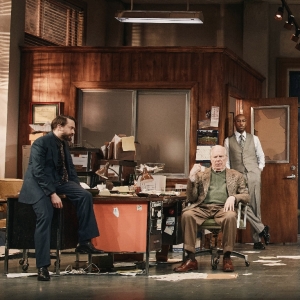
by A.A. Cristi - March 31, 2025
The Pulitzer Prize-winning drama Glengarry Glen Ross returns in a starry new Broadway revival, opening tonight at the Palace Theatre! Read reviews for the show below!

by Josh Sharpe - March 20, 2025
Bill Burr is starring in Glengarry Glen Ross on Broadway, which is now in previews at Palace Theatre. Watch the comedian explain why he believes the revival is getting laughs from audience members on a recent visit to The View.
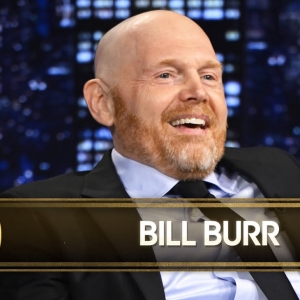
by Josh Sharpe - March 19, 2025
On a recent visit to The Tonight Show, Glengarry Glen Ross star Bill Burr commented on the preview period of a Broadway show, and share how theater audiences differ from those who attend comedy shows. Watch the interview!
by Stephi Wild - March 19, 2025
The new Broadway production of David Mamet’s Glengarry Glen Ross, directed by Tony and Olivier Award-winner Patrick Marber has now extended by an additional final two weeks.
Glengarry Glen Ross History
Other Productions of Glengarry Glen Ross
| 1984 | Broadway |
Original Broadway Production Broadway |
| 2005 | Broadway |
Broadway Revival Broadway |
| 2012 | Broadway |
Broadway |
| 2017 | West End |
Playhouse Theatre Revival West End |
| 2025 | Broadway |
Broadway Revival Production Broadway |
| 2026 | West End |
West End |
Glengarry Glen Ross - 2025 Broadway Awards and Nominations
| Year | Ceremony | Category | Nominee |
|---|---|---|---|
| 2025 | Drama League Awards | DISTINGUISHED PERFORMANCE | Kieran Culkin |
| 2025 | Outer Critics Circle Awards | Outstanding Featured Performer in a Broadway Play | Kieran Culkin |
| 2025 | Outer Critics Circle Awards | Outstanding Revival of a Play | Glengarry Glen Ross |
| 2025 | Tony Awards | Best Performance by an Actor in a Featured Role in a Play | Bob Odenkirk |
Videos