


New Emily Dickinson Ballet Comes to St. Paul This Month
Performances run April 11-13, 2025.
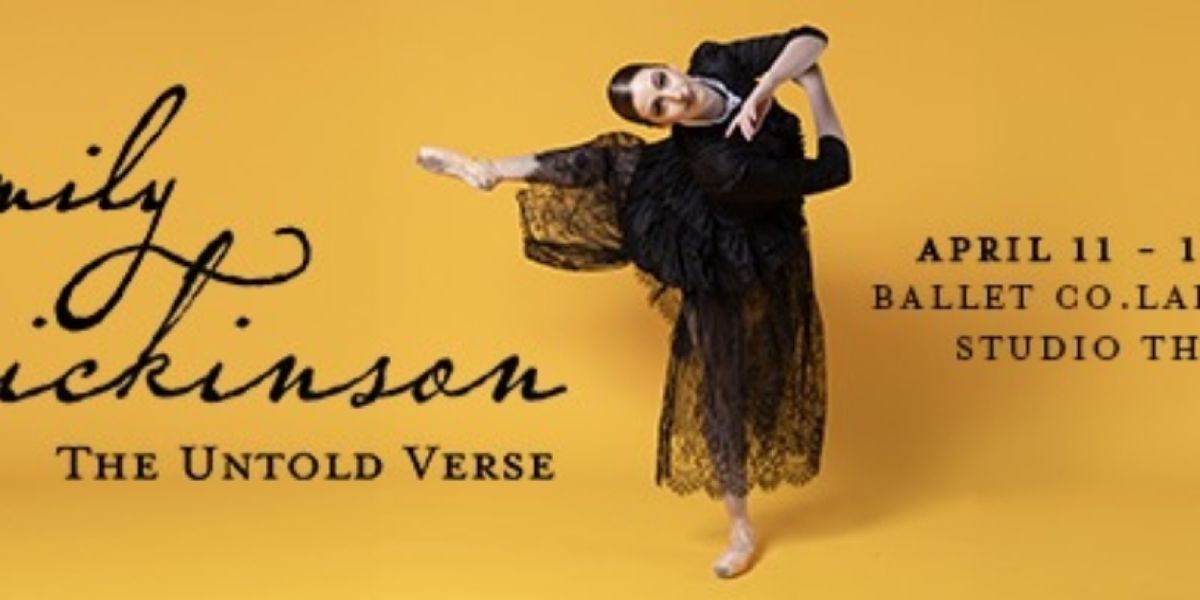
If you have ever felt the desire to retreat from the world, you are in good company – so did legendary poet Emily Dickinson. While Emily Dickinson is a household name, her unconventional withdrawal from society is often what people recall about her. Local choreographer Genevieve Waterbury wants audiences to see beyond the myth in her new contemporary ballet for Ballet Co.Laboratory, Emily Dickinson: The Untold Verse. The ballet will premiere in the Ballet Co.Laboratory Studio Theatre in St. Paul from April 11-13, 2025, danced by the professional dancers of the Twin Cities' only ballet company and school.
“It's true that Emily was quite preoccupied with death,” choreographer Genevieve Waterbury chuckles, “and it makes sense given the time period – life was hard. But I see Emily as a guide for processing grief and living in the present moment.” Emily Dickinson: The Untold Verse follows the timeline of Emily's life, but uses metaphor, sound, and movement to see the world through Emily's lens, blurring the stark lines between life and death, love and loss.
Ballet Co.Laboratory Founder and Artistic Director Zoé Henrot initially developed the idea for the ballet, partly because of Emily Dickinson's brief attendance at Zoé's alma mater, Mount Holyoke College. She knew that Genevieve Waterbury was the perfect person to tap for the choreography because her reverence for nature and innate curiosity parallels those qualities of Emily.
“Emily's means of expression was through her writing, but my language is movement,” Waterbury explains. “None of Emily's literal words will be presented (e.g. through projection), but rather you will see them come to life as the dancers personify her ideas. Trees represent legacy. Noisy bobolinks (birds) indicate new chapters. Flies warn of death.” Waterbury wants audiences to not only see the world as Emily saw it, but also how the shifts in her physical and metaphorical landscapes over time help explain the self-imposed isolation she entered towards the end of her life.
Dancer Rosa Prigan will create the role of Emily Dickinson for the production. She sees Emily as rather misunderstood, and explains that while most people assume Emily's isolation was a way to withdraw from people, she was still quite social in the latter years of her life. “I think she had come to accept the challenging elements of her society, but wanted to remove herself from that in order to be more connected to herself, nature, and her relationships. She still deeply desired and cultivated community despite her physical separation from it.”
Scholars have long speculated about Emily's relationship with her sister-in-law, Susan Dickinson. It is only in recent years that it has become more widely accepted that she was likely queer, but that came as no surprise to Genevieve Waterbury. “We have few surviving records of Emily's life outside of her poetry and preserved letters. She really wasn't all that obscure about her feelings in her writings -- but I think the lack of queer visibility and acceptance in the world she lived wrote much of her story for her,” Genevieve states.
The music Waterbury chose for the new ballet is Das Jahr (German for “The Year”), composed by Fanny Mendelssohn. Though their lives only overlapped for a short time, Fanny and Emily would have shared many experiences navigating the world as 19th Century women. Fanny is often seen in the shadow of her younger brother Felix but was a prolific composer in her own rite. Similarly to Emily Dickinson, she was not recognized for her work until long after her death. Das Jahr journeys through a year and paints a musical picture of shifting environments and scenery and therefore was the perfect backdrop for Waterbury to represent the passage of time and the seasons of Emily's life.
Though many know Emily Dickinson's name, her poetry can be intimidating. Waterbury acknowledges that the same is often true for contemporary dance. Emily Dickinson: The Untold Verse aims to make Emily's work digestible for audiences familiar and unfamiliar with the two artistic disciplines. Genevieve encourages audiences to come as they are. “The best thing to know coming in is that you probably will take away different things than the person next to you! There's a lot to chew on if you would like to, but there is as much honor in breathing along and just experiencing Emily's world with us.”
|
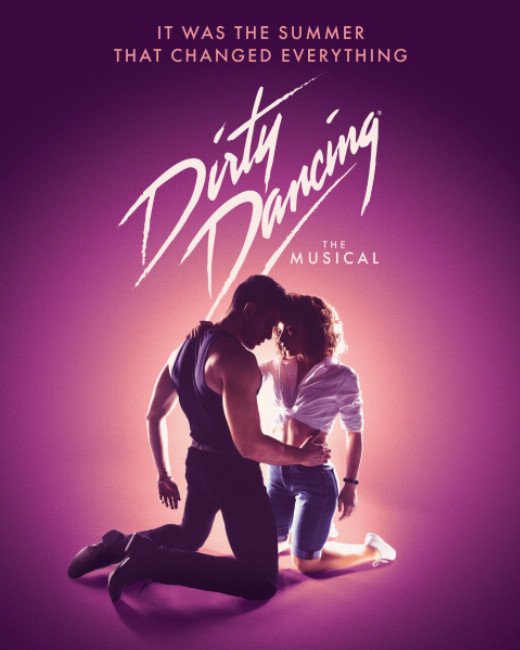
Dirty Dancing: The Musical Ordway Center for the Performing Arts (8/12-9/06) |
|
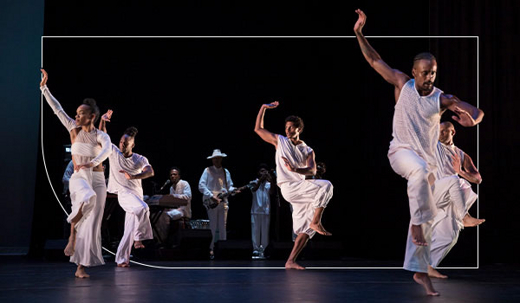
Student Matinee: Ronald K. Brown/EVIDENCE Featuring TU Dance Northrop (10/02-10/30) |

|
Cody Johnson Grand Casino Arena (8/29-8/29) |
|
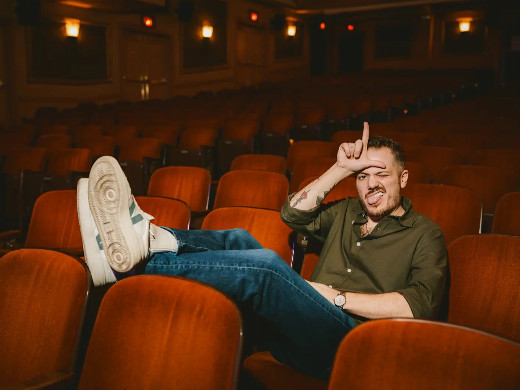
Jeff Arcuri State (3/05-3/05) |
|
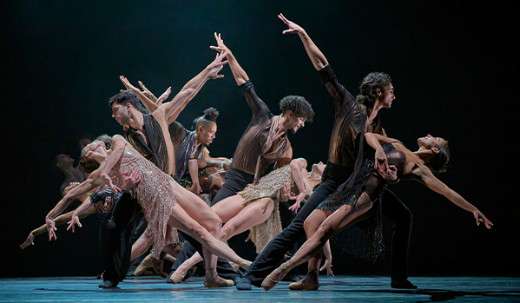
Student Matinee: Complexions Contemporary Ballet Northrop (3/19-3/19) |

|
Mamma Mia! Orpheum Theatre Minneapolis (9/15-9/20) |
|
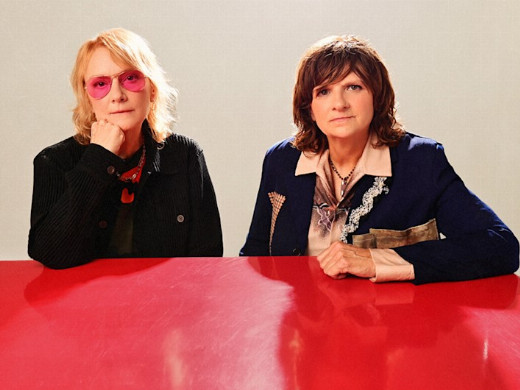
ndigo Girls with special guest Linda Perry State (10/21-10/21) |
|
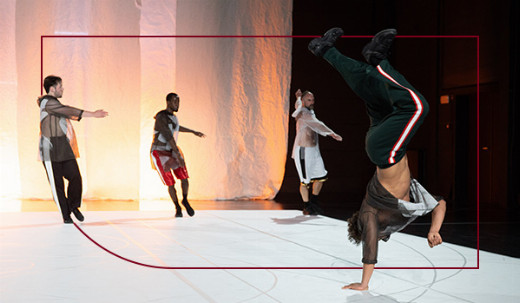
“Il Cimento dell’Armonia e dell’Inventione” (Vivaldi’s “The Four Seasons”) The Walker Art Center (4/16-4/17) |
|
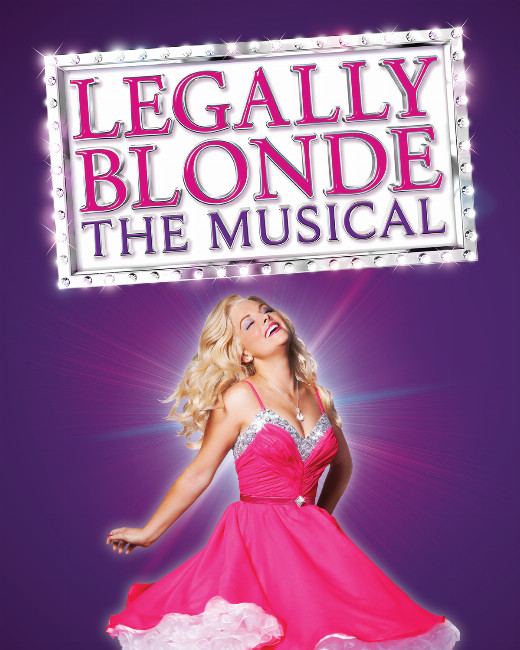
Legally Blonde Ordway Center for the Performing Arts (2/19-2/21) |
|
Outlander in Concert State (10/22-10/22) |