


Review: THE AUTHENTICATOR, National Theatre
A ghost story full of laughs and twists, The Authenticator puts historic injustices under the microscope
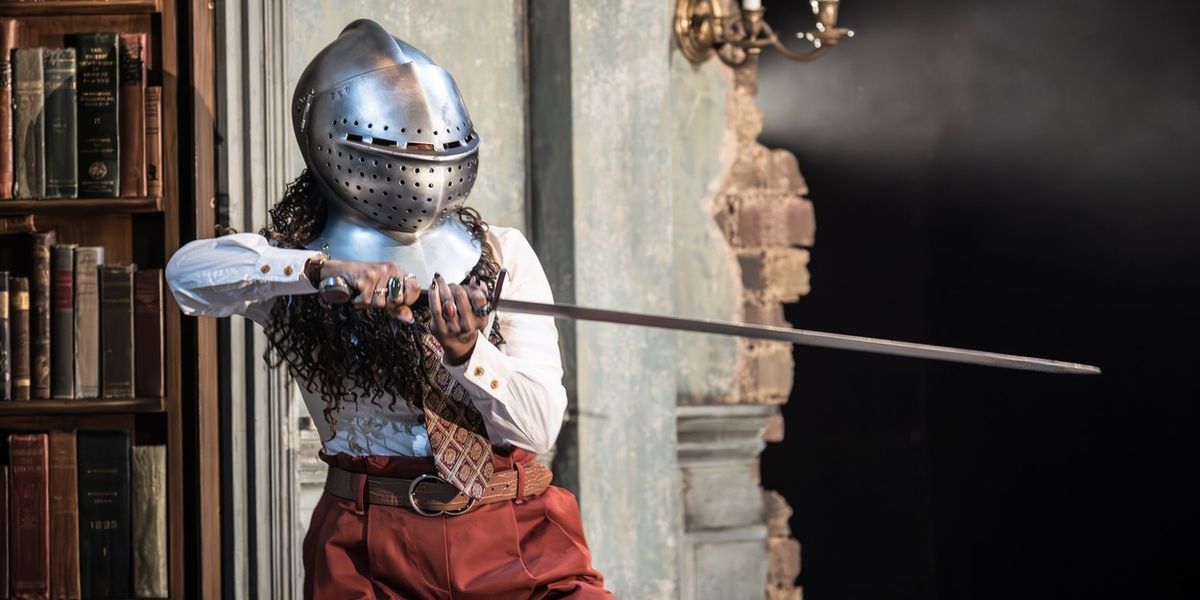
 Eccentric artist Fenella Harford (Sylvestra Le Touzel) inherits her family’s stately home and uncovers a cache of hidden diaries that may rewrite its history. She recruits ambitious academic Marva (Rakie Ayola) to authenticate them, who in turn brings in her overlooked mentor Abi (Cherrelle Skeete), a meticulous expert with sharper instincts than she lets on.
As the three women probe deeper into the documents, the house begins to yield uncomfortable truths about its colonial past. Personal histories begin to intertwine with national ones, tensions rise between the trio, and what starts as scholarly inquiry spirals into a confrontation with buried trauma, ownership, and the ghosts of Britain’s slave-trading legacy.
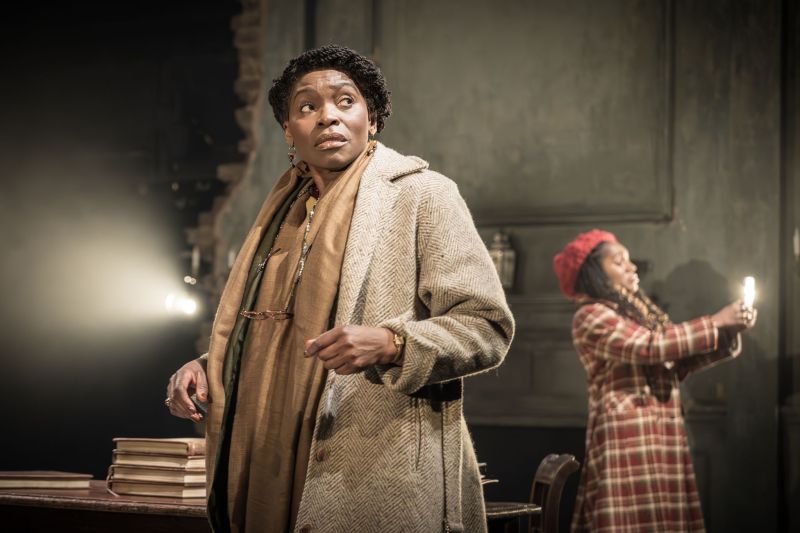
At The National Theatre’s Dorfman Theatre, it feels less like a new arrival and more like a returning spirit. Rockets and Blue Lights still lingers in the walls, and The Authenticator knowingly summons it. Five years on, writer Winsome Pinnock and director Miranda Cromwell return to the topic of British slavery and the impact it has made through the generations.
This play burns bright with its own fire but, before any shadows flicker or tempers flare, Pinnock lays out an invitingly combustible setup. Each woman arrives with her own agenda, her own claim to the house and its history. Abi, her university career ambitions sidelined and always one step behind her professional rivals, sees in these diaries the kind of career-defining project that has always eluded her.
Marva brings something more personal, her very name tying her to the Harfords, her grandfather’s stories and his mysterious disappearance hinting at a lineage that refuses to sit quietly. Fen, newly in possession of the estate, is all ambition and reinvention, eager to turn inherited guilt into cultural capital, with plans for an annual light show and fine dining. Around them swirl overlapping histories: mentorships that have rumble and roil, Oxford connections that never quite connected, and a shared entanglement with the slave trade that each interprets, defends or weaponises differently.
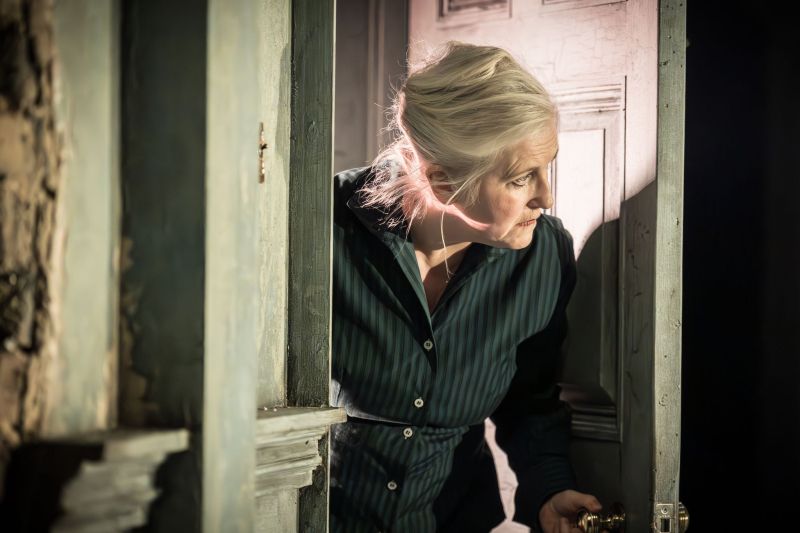
While ghost stories in April may feel about as appropriate to some as the idea of Scrooge in summer shorts, there is a certain pleasure in watching a play refuse to be what it claims. The National bills this as a “gothic psychological thriller”, but the thrills here are not born of ethereal visions or spectral visitations. There are a few jolts, yes, but they land more as punctuation than propulsion. The real electricity comes from the triangular combat between Fenella, Marva and Abi, each circling the others with intellectual vanity, professional insecurity and something far more primal beneath.
And what a trio. Ayola gives Abi a flinty stillness that suggests decades of being overlooked have calcified into something dangerous. Skeete’s Marva is all nervy ambition, desperate to prove herself and discover the truth behind family enigmas yet increasingly out of her depth. And Le Touzel makes Fenella gloriously unmoored, a woman for whom privilege has curdled into eccentricity. Watching them spar is where the piece finds its pulse.
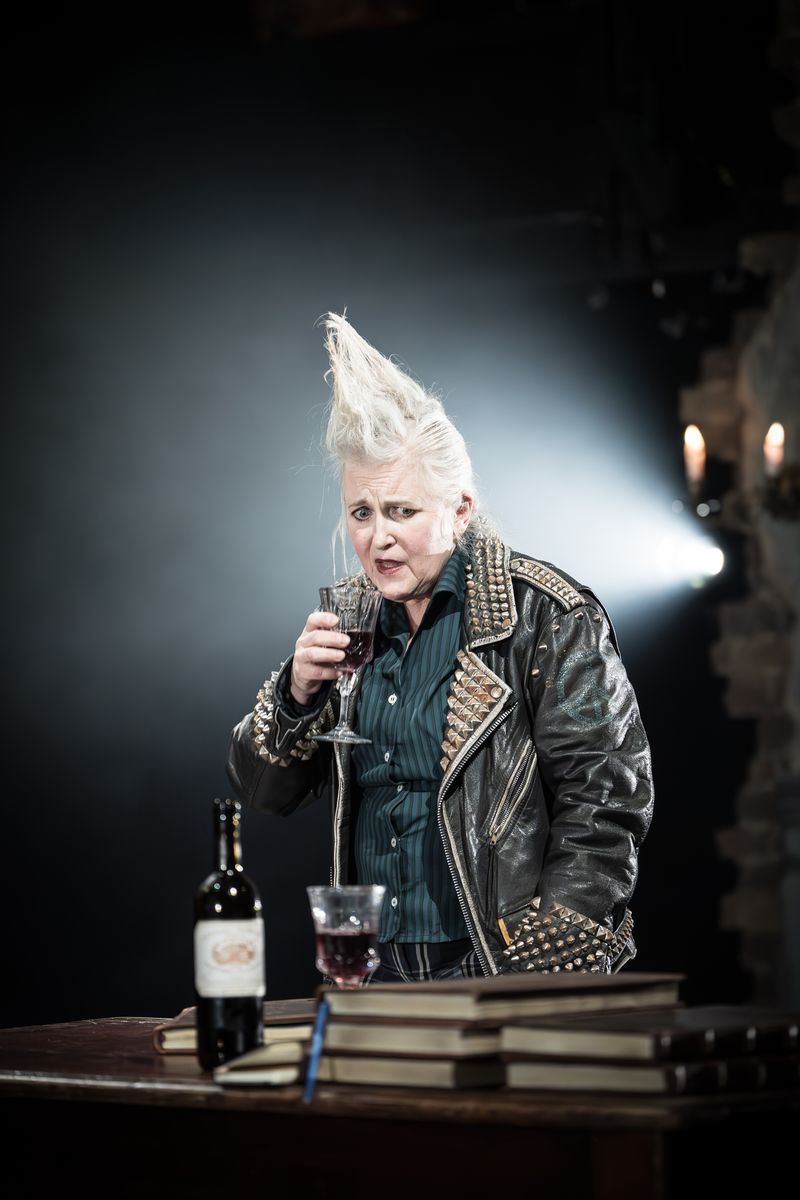
At a tight 90 minutes, the evening flies. Winsome Pinnock structures the play like a series of intellectual ambushes, each scene twisting the knife just enough to keep you leaning forward. Miranda Cromwell directs with restraint, resisting the urge to overplay the gothic hand and instead letting the text’s arguments breathe. The result is less The Woman in Black, a fluid blend of Ghosts-style humour and seminar room showdown with occasional flickers of the uncanny.
Design is where the production really sings. The set, all looming wood and shadowed corners, suggests a house that is both archive and accomplice, its very architecture complicit in the secrets it keeps. Tables, a plinth and an entire staircase rise from beneath the stage, while the ornate roof grinds up and down ominously. The sound design, too, is superbly judged, all low rumbles, distant creaks and almost-subliminal disturbances that create a constant sense of unease without ever tipping into cliché. Together, they do the heavy lifting the “gothic thriller” label promises, conjuring an atmosphere the script only intermittently delivers.
Because for all its strengths, this is a play that doesn’t quite feel finished. There are a few moments where the story lacks polish, where transitions jar or ideas arrive half-formed and then slip away. There’s a sense of a script still in development, still testing its own arguments. And yet, even in this state, Pinnock achieves something quietly remarkable. Through both text and design, she builds not just three fully realised women but an entire world pressing in from beyond the walls of Harford Hall. The past feels vast, messy and unresolved, its consequences spilling far outside the confines of this single room.
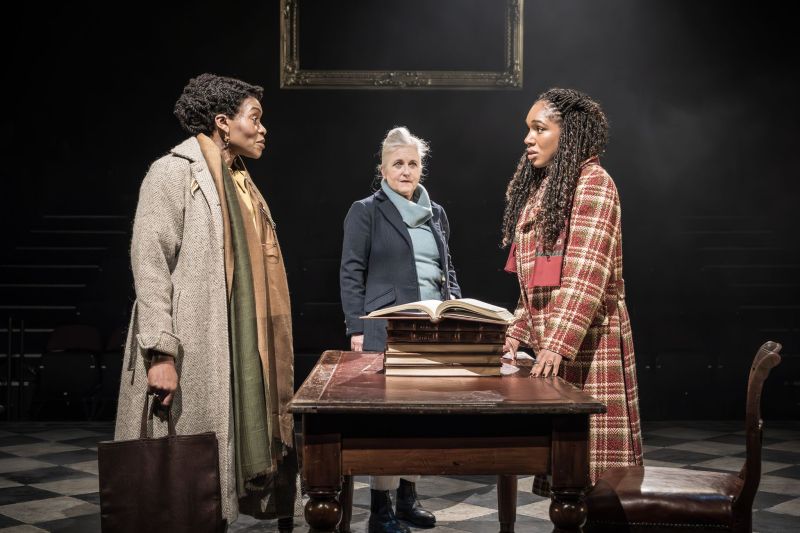
If anything, this is a ghost story in the most metaphorical sense. Not haunted by apparitions, but by history. And here the echoes of Rockets and Blue Lights are impossible to ignore. Same theatre, same creative pairing, same excavation of Britain’s entanglement with the slave trade. But where that earlier play sprawled across timelines and perspectives, The Authenticator is more concentrated, almost chamber-like. The questions remain: who owns history, who gets to interpret it, and what happens when the truth refuses to stay buried?
This is not quite the gothic thriller it promises. But as a tense, talky, quietly incendiary three-hander about race, legacy and intellectual power, it cuts deeper than any jump scare.
The Authenticator continues at The National Theatre until 9 May.
Photo credits: Marc Brenner

Sign up for all the news on the Fall season, discounts & more...
|
Powered by

|
.jpg?format=auto&width=300)






Reader Reviews
To post a comment, you must register and login.