


Less Than Two Weeks Left for Public Comments on Draft Arts, Culture and Creative Industries Policy
The City of Cape Town is in the process of finalising its Draft Arts, Culture and Creative Industries Policy. The public and interested parties or groups are given the opportunity to submit recommendations and input to the City until 15 May. The full draft policy will be available for viewing at www.capetown.gov.za/haveyoursay, at sub-council offices and libraries.
Dealing with all forms and traditions of dance, drama, music, music theatre, visual arts and culture, craft, design, written or oral literature and film, the paper looks at some of the following problems with the industry: the narrow perception of the value of Arts, Culture and Creative Industries as a viable means to deal with Cape Town's developmental challenges; the limited amount of verifiable and reliable data on the social and economic impact of and value of creativity, the arts and heritage in promoting city development that is available; and the challenge of persistent fragmentation, poor coordination, and limited access to resources within both formal and informal settings faced by the sector.
Other issues that are being tackled are the more efficient internal coordination of Arts and Culture and Creative Industries related activity within various City departments; the need for more co-ordinated; strategic marketing to attract new audiences and tourists for the Arts, Culture and Creative Industries and the lack of relevant cultural spaces for the professional and social cultural practice of artistic endeavour for developing, showcasing and educational purposes are available to the public, despite a number of multipurpose centers existing within communities.
Finally the policy looks at the strongly viable but a challenging arena of entrepreneurship within the Creative Industries; the lack of funding opportunities that support the growth of arts, culture and creative industries forms a perennial problem for developing the cultural ecosystem; the current City by-laws regulating the usage of public space for artistic expression are seen as being potentially restrictive without ameliorating frameworks for development; Cape Town's numerous historically and culturally significant architecture, memorials and monuments require increased maintenance, with necessary funding allocation and supervision needed to ensure their continued existence; and the need for greater appreciation of the historically and culturally significant aspects that make up our society so as to enable people to understand each other better and so build social cohesion.
Through the development of this policy, the City of Cape Town hopes to facilitate citizen engagement with the public life within Cape Town including its cultural diversity, public space, history and memory; ensure that the economic potential of Arts and Culture is recognised and used to help boost tourism, economic growth, and job creation; ensure that the city's arts and cultural assets are marketed locally, nationally and internationally for their excellence and/or local distinctiveness; ensure mechanisms and partnerships to increase funding and support for arts and culture in Cape Town, acknowledging and rewarding projects of excellence; optimise City-owned infrastructure for cultural use by arts and culture bodies to support their development and that of the communities they serve, and/or as spaces showcasing arts and culture at scale; ensure mechanisms for co-ordination within the City and between the City and the Arts and Culture sector; and ensure empirical research that enables the City to improve its understanding of the sector and the delivery of services and support.
Comments, recommendations and input may be submitted by fax (086 588 6844), e-mail (artsand.culture@capetown.gov.za), written submission (Arts and Culture Department, 14th Floor, Telkom Tower Building, 2 Hertzog Boulevard, Cape Town 8001) or online (www.capetown.gov.za/haveyoursay).
|
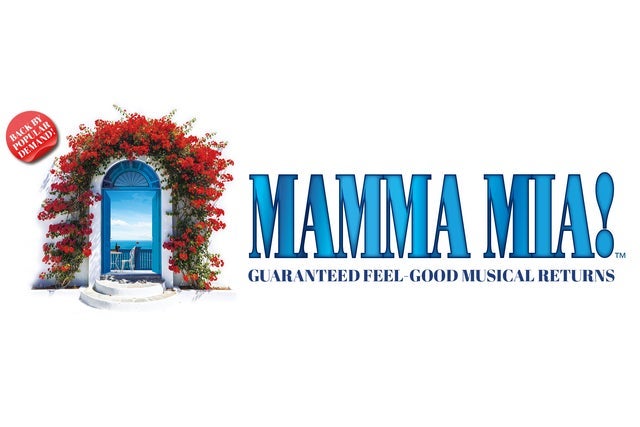
MAMMA MIA! Teatro at Montecasino (10/16-11/22) |
|
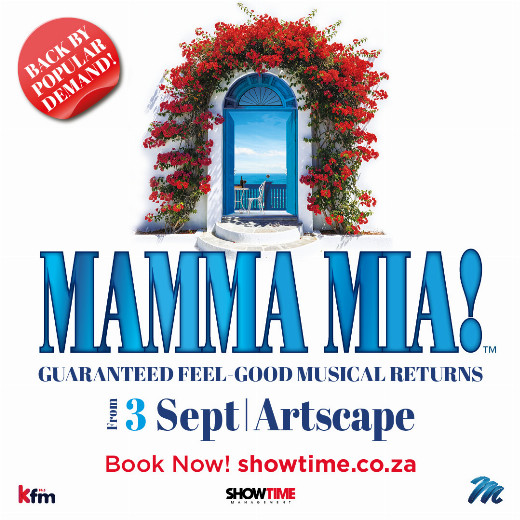
MAMMA MIA! Artscape Theatre (9/03-10/11) |
|
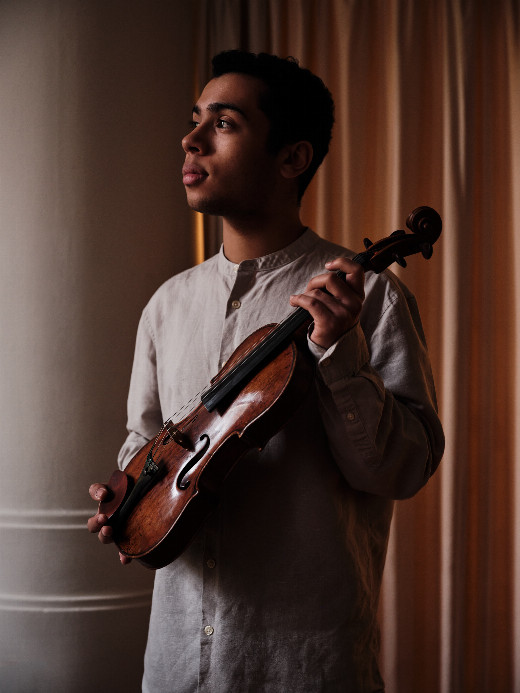
Resonance and Reflections Cape Town City Hall (9/03-9/03) |
|
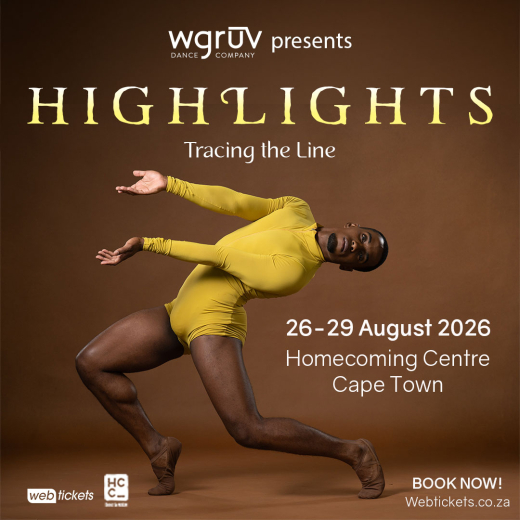
HIGHLIGHTS Homecoming Centre (8/26-8/29) |
|
MAMMA MIA! The Musical! Teatro at Montecasino (10/16-11/22) |
|
|
MAMMA MIA! The Musical! Artscape Theatre (9/03-10/11) |
|
Enrico Brignano - Bello di Mamma 2026 Mapo Club (9/01-9/01) |