


Jacktrip Foundation Rolls Out Revolutionary “Virtual Studio”
Web application allows remote music making for singing ensembles/musicians during Coronavirus pandemic.
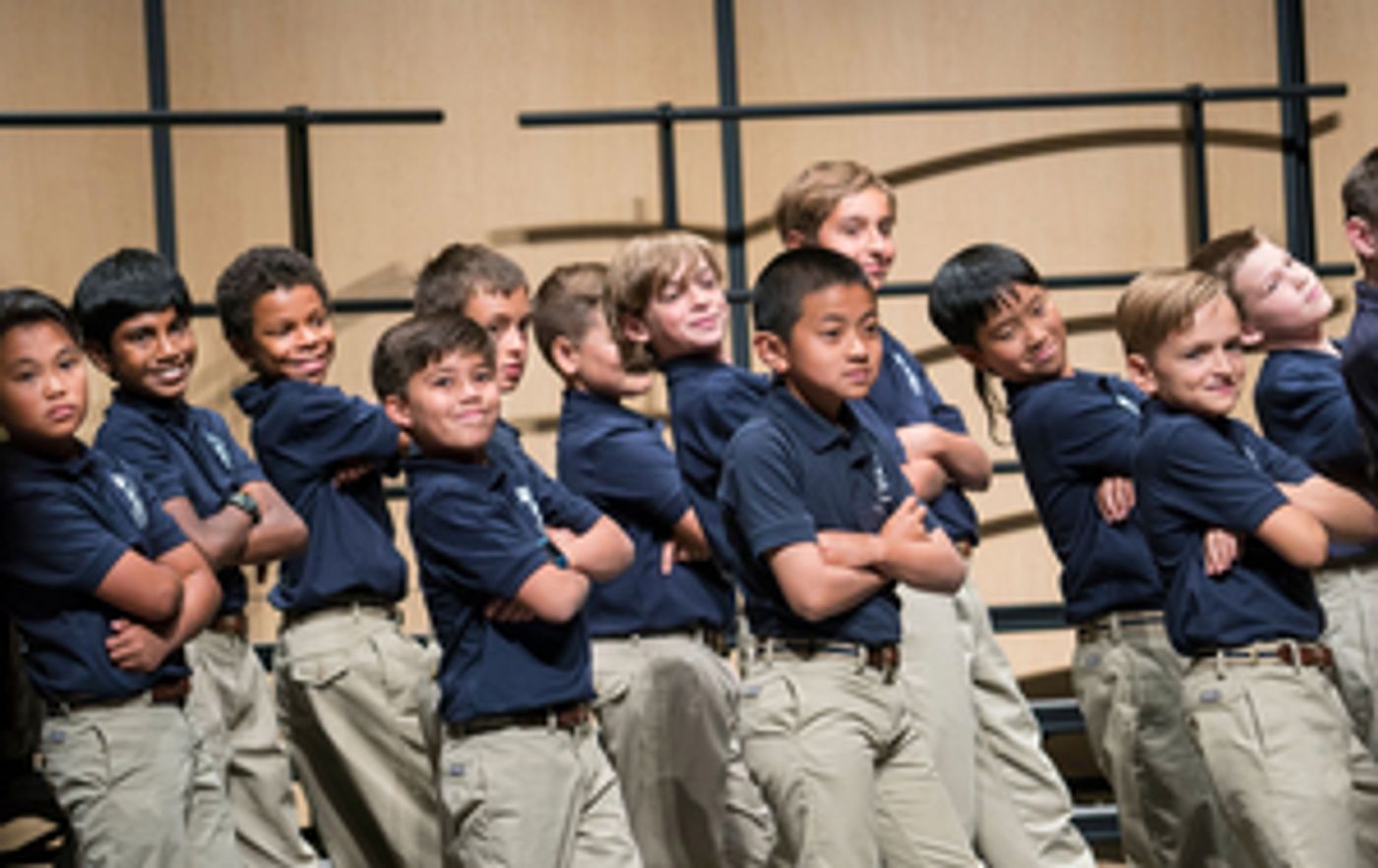
An innovative new non-profit, JackTrip Foundation, has launched to make virtual music performance feasible and accessible to all. During the Coronavirus pandemic, live performances by singing and music groups have been put on hold while musicians around the world cannot safely perform together.
Creating live music online has remained impossible with web-conferencing tools such as Zoom, where the time-delay inherent in internet transmissions and the software isolating one speaker at a time prevent musicians from being able to sync their parts or sing together. (Anyone who has tried to sing "Happy Birthday" on a video chat has experienced the cacophony that ensues.) To solve this problem, Silicon Valley software entrepreneur Mike Dickey teamed up with Stanford professor Chris Chafe, creator of the JackTrip high-end application that reduces latency, and Stanford University's Center for Computer Research in Music and Acoustics (CCRMA) to adapt JackTrip to the cloud. The JackTrip software is being used through an open license from Stanford.
The result is a readily accessible platform allowing for virtual music performance in real-time over common internet connections. In the same way that Zoom and other web collaboration tools have made it easy for casual users to conference online, the JackTrip Virtual Studio will allow musicians to perform together over household internet connections, using client-server technology to facilitate small and even very large groups (to date, synthetic testing has been done with as many as 500 users at a time). The JackTrip Foundation plans to offer this technology at low or no cost to music groups of all kinds, from choirs to bands to orchestras. For more information about the JackTrip Foundation the public may visit JackTrip.org.
The JackTrip Foundation is currently pilot testing its Virtual Studio, through which users can utilize virtual rehearsal rooms for casual use, or online concert auditoriums for high-quality real-time performances. To fulfill the mission of driving continued innovation and widespread usage of JackTrip technology, the JackTrip Foundation will also offer a wide array of technology, education, community-building and performance services, which will include grants and scholarships for innovation related to JackTrip, educational programs for technological and musical users of JackTrip, internships and work experiences for technology and music students, community-building events for a broad set of JackTrip user groups, and free usage of the JackTrip virtual concert hall for educational and arts organizations.
The technical challenge to virtual music collaboration is reducing delays in sound transmission to below 20-25 milliseconds (one way), a hurdle previously achievable only for very small groups (up to about 5 performers) who have advanced technology skills and expensive audio equipment. Mr. Dickey has built miniature computing devices using inexpensive components that are commercially available from Raspberry Pi and HiFiBerry. These devices are powered by custom software developed by Mr. Dickey, built on top of the JackTrip Open Source audio platforms (developed by Chris Chafe for CCRMA). This hardware and software combination will make it easy for groups of any size to quickly get up and running with JackTrip, without requiring deep technology skills. Dickey anticipates that even large groups (with hundreds of musicians) will soon be able to use these devices to achieve the real-time syncing across household internet connections.
The Foundation has been working with Ragazzi Boys Chorus, Cantabile Youth Singers of Silicon Valley, and students in Stanford University musical ensembles on early testing of the Virtual Studio. In the coming weeks, beta testing will open to a wider group of users. Open source software solutions will eventually be available to the public, allowing choruses, bands, and other musicians around the globe to rehearse, perform, and sing together once more.
"Ragazzi is thrilled to participate in this game-changing venture," said Kent Jue, Artistic and Executive Director of Ragazzi Boys Chorus, which serves hundreds of boys from 26 Bay Area communities. "Choruses have been devastated by the pandemic, and the need for music and community is even greater in these uncertain times. Through JackTrip Foundation's extraordinary work, Ragazzi is continuing to build our musical brotherhood, grow essential skills, and sing together despite being apart."
"Cantabile has been privileged to help with testing for the JackTrip Foundation's Virtual Studio," said Jace Wittig, Associate Artistic Director of Cantabile Youth Singers. "We have been really pleased with the results we have experienced so far: the ability to sing beautifully and easily together, with simple setup, very fast connection, and most importantly clear audio with almost no latency. The first time our singers heard each other sing after five months was an incredible moment-to see their faces light up at the sound of ensemble singing was a gift. This Fall, we are excited to start scaling this up for use with our 200 singers of all ages"
"The simple fact that live music is happening right now is groundbreaking," said Russell Gavin, Director of Bands at Stanford University. "I am thrilled that Stanford instrumentalists will be able to play together once again. During this pandemic, the demand to both create and listen to live music has been never greater. As an educator with experience conducting middle school, high school, and college ensembles, I believe this technology will help musicians of a wide variety of experience levels.
The JackTrip Foundation is also announcing the launch of JackTrip LLC, a wholly owned subsidiary that will provide advanced services for large professional organizations, including technology licensing and the rental of virtual rehearsal rooms and concert halls. JackTrip LLC will provide clients with real-time technical support and consulting with audio engineers, JackTrip-certified musicians, and other professionals to aid users in achieving the best virtual music experience. JackTrip LLC will also offer hardware integration services that facilitate access to fully integrated, tested, and warrantied hardware kits for use on the JackTrip Platform, insuring a smooth and easy set up process for new users. Managed by the Foundation, profits from JackTrip LLC will support the Foundation's charitable mission.
The JackTrip Foundation is a non-profit organization dedicated to improving technologies to enable music collaboration over the Internet, and to facilitate the creation of music that transcends distance constraints. Stanford professor Chris Chafe, Director of Stanford University's Center for Computer Research in Music and Acoustics (CCRMA - ccrma.standford.edu) and faculty in the Department of Music, School of Humanities and Sciences, developed the JackTrip technology to reduce latency in audio transmissions over the Internet, allowing musicians to collaborate in real time. Mike Dickey has developed a web server application and easy-to-use interface, allowing any singer or musician to log in and make music together in real time. For more information about the JackTrip Foundation the public may visit JackTrip.org.
|
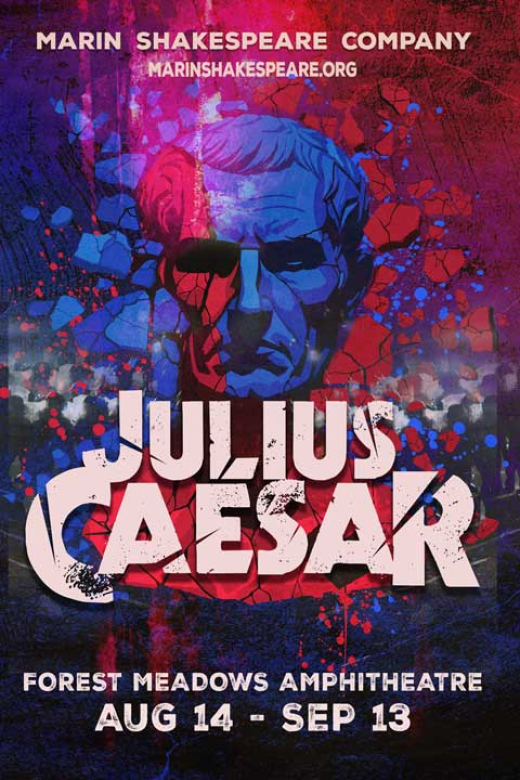
Julius Caesar Marin Shakespeare Company (8/14-9/13) |

|
Pickleball Hillbarn Theatre (8/20-9/13) |

|
The Fall Show Shotgun Players Ashby Stage (9/26-10/25) |

|
Ride the Cyclone City Lights Theater Company (7/16-8/23) |

|
Abbey Glover’s I’m a Businessman, Man The Marsh (8/15-8/16) |

|
The Last Five Years by Jason Robert Brown Santa Cruz Shakespeare (9/11-10/03) |

|
Fences by August Wilson Santa Cruz Shakespeare (7/28-8/28) |
|
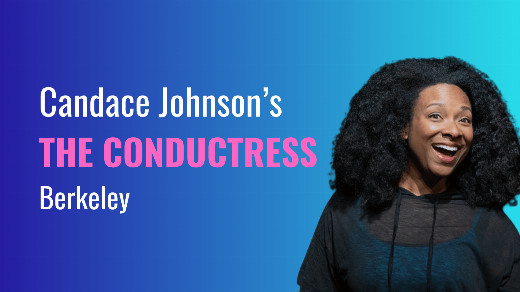
Candace Johnson’s The Conductress: Adventures in Teaching Gospel Music The Marsh Berkeley (8/28-8/30) |
|
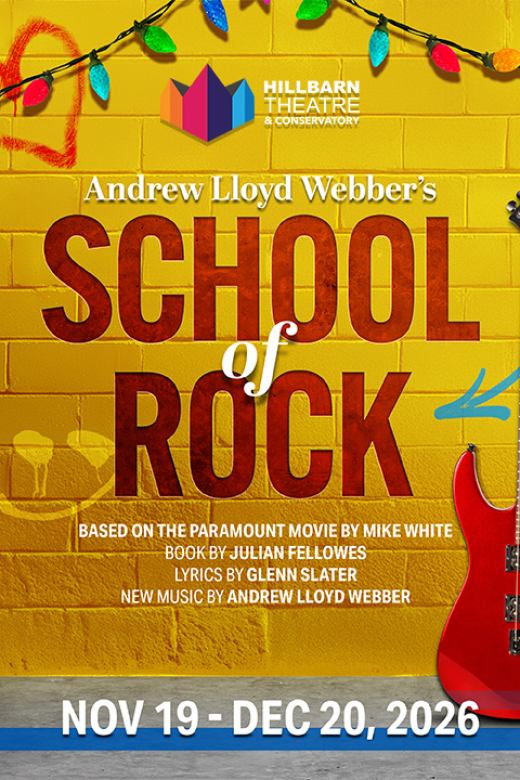
School of Rock Hillbarn Theatre (11/19-12/20) |

|
Lauren Mayer’s I Didn’t Come From Your Rib The Marsh Berkeley (8/21-8/23) |