


Take a look behind the scenes as textile conservators and handlers prepare a seventeenth-century 29-foot carpet for installation in A King’s Carpet: Louis XIV and the Savonnerie, on view September 8, 2026 – March 5, 2028. Featured Object: https://www.metmuseum.org/art/collection/search/227588 Learn more about the exhibition A King’s Carpet: Louis XIV and the Savonnerie: https://www.metmuseum.org/exhibitions/a-kings-carpet-louis-xiv-and-the-savonnerie Subscribe for new content from The Met: https://www.youtube.com/user/metmuseum #TheMet #Art #TheMetropolitanMuseumofArt #Museum © 2026 The Metropolitan Museum of Art
The Cloisters
Attraction · Inwood
The Cloisters is a unique museum located in Upper Manhattan, New York City, dedicated to the art and architecture of medieval Europe. A tourist visiting The Cloisters can expect to be transported back in time and experience the beauty and grandeur of the medieval period.
The museum boasts an impressive collection of over 5,000 artifacts from the 12th through the 15th centuries, including illuminated manuscripts, sculptures, tapestries, and stained glass windows. The building itself is a work of art, designed to resemble a medieval monastery, with stunning views of the Hudson River and the surrounding gardens.
Visitors can take guided tours, attend lectures and concerts, and participate in interactive workshops to learn about the history, culture, and traditions of medieval Europe. The serene and peaceful atmosphere of The Cloisters provides a perfect escape from the hustle and bustle of the city, making it an ideal destination for anyone interested in art, history, and architecture. Overall, The Cloisters is a must-visit for anyone seeking a unique cultural experience in New York City.
Location
99 Margaret Corbin Dr, New York, NY 10040 · Get Directions
The Cloisters Videos
Gautama V. Vajracharya, Sanskritist and scholar The salanbhanjika, or a young woman standing atop a human figure and beneath a flowering tree, is a major subject in Nepalese art. Persisting in popularity long after it became obsolete in India, the interpretation of this representation has been the subject of ongoing scholarly debate. Join Gautama V. Vajracharya, a Sanskritist and scholar of South Asian art and culture, for a novel approach to uncovering the hidden significance in the image. Listen as Vajracharya draws on Sanskrit, Pali, and Newari sources to examine the salanbhanjika, including one that elucidates its association with the well-known art motif of an aggressive beast trampling an elephant. The Rubin Museum Distinguished Lecture in Himalayan Art is made possible by the generous support of the Rubin Museum of Himalayan Art. Subscribe for new content from The Met: https://www.youtube.com/user/metmuseum #TheMet #Art #TheMetropolitanMuseumofArt #Museum © 2026 The Metropolitan Museum of Art
A magnificent tapestry depicting lush vegetation, fantastical animals, and a band of wild people serves as a point of departure for thinking about the relationship of nature and human imagination through art. MFA, Boston Curator Elizabeth Dospěl Williams in conversation with Met Curator Shirin Fozi, reflect on these enduring themes in the medieval world and today. Presented in observance of Earth Day. Subscribe for new content from The Met: https://www.youtube.com/user/metmuseum #TheMet #Art #TheMetropolitanMuseumofArt #Museum © 2026 The Metropolitan Museum of Art
Subscribe for new content from The Met: https://www.youtube.com/user/metmuseum #TheMet #Art #TheMetropolitanMuseumofArt #Museum © 2026 The Metropolitan Museum of Art
Join Met curators for a collaborative exploration of the exhibition Giacometti in the Temple of Dendur, which brings together for the first time at The Met the work of Alberto Giacometti (1901–1966) in one of New York's most iconic spaces. Learn more about Giacometti's figures, which stand alone or in groups on the temple platform, placing one of the great sculptors of the 20th century in dialogue with the ancient civilization that strongly influenced his art and practice. Presented in conjunction with the exhibition Giacometti in the Temple of Dendur. The exhibition is co-organized by The Metropolitan Museum of Art and the Fondation Giacometti, Paris. Stephanie D’Alessandro, Leonard A. Lauder Curator of Modern Art and Senior Research Coordinator, Department of Modern and Contemporary Art, The Met Aude Semat, Associate Curator, Department of Egyptian Art, The Met Subscribe for new content from The Met: https://www.youtube.com/user/metmuseum #TheMet #Art #TheMetropolitanMuseumofArt #Museum © 2026 The Metropolitan Museum of Art
Subscribe for new content from The Met: https://www.youtube.com/user/metmuseum #TheMet #Art #TheMetropolitanMuseumofArt #Museum © 2026 The Metropolitan Museum of Art
More in Inwood
More Attractions
The Cloisters News
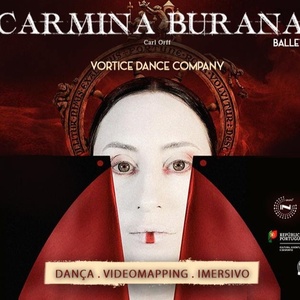
CARMINA BURANA BALLET Brings Dance, Music and Technology to São Paulo
Carmina Burana Ballet arrives in São Paulo for a limited season, offering Brazilian audiences an immersive reinterpretation of Carl Orff’s iconic cantata. Created by Portugal’s acclaimed Vortice Dance Company and produced by Infinitus (Grupo IN), the production blends contemporary dance, monumental music and cutting-edge videomapping into a powerful sensory experience. Under the artistic and choreographic direction of Cláudia Martins and Rafael Carriço, the ballet transforms medieval poems about love, fate and desire into a striking dialogue between body and technology, sacred and profane.

HAMLET / BLACK PARADE Comes to the Mercury Theatre
Fogler's adaptation weaves Shakespeare's text and My Chemical Romance's groundbreaking emo album, The Black Parade, together to create a production unlike any other.

Review: THE CURIOUS SAVAGE at Tower Groves Abbey
Money meets mental illness in Stray Dog Theatre’s enjoyable The Curious Savage. The opening production of the company’s 23rd season was written by John Patrick who brought it to the New York stage in 1950.

Review: THE CURIOUS SAVAGE at The Fusebox
The Curious Savage, written by John Patrick, is a heartwarming and poignant comedy that explores the intersection of wealth, mental health, and human kindness. Set in a sanatorium for those seeking mental health care, the play centers on a spirited widow, Ethel P. Savage, who has inherited a fortune and, much to the dismay of her adult children, decides to use the money for the betterment of others rather than for their gain.

FSU/Asolo Conservatory Announces Change To Schedule And Cast Of THE CURIOUS SAVAGE
FSU/Asolo Conservatory has announced changes to the season schedule and cast for THE CURIOUS SAVAGE, impacting upcoming performances.

FSU/Asolo Conservatory Reveals Changes to its Season & More
FSU/Asolo Conservatory has revealed changes to its season schedule and cast for THE CURIOUS SAVAGE, impacting upcoming performances. Stay updated on the latest developments in this production.
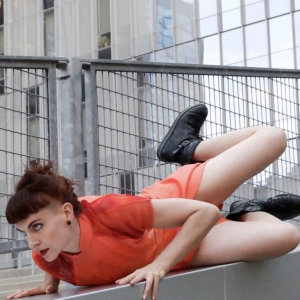
Kinesis Project Seattle to Present CAPACITY, OR: THE WORK OF CRACKLING
Kinesis Project Seattle presents Capacity, or: the Work of Crackling on July 13 and 14, 2024, at Maury Island Natural Area. Enjoy a unique blend of dance, opera, and geology along Vashon Island's shoreline.
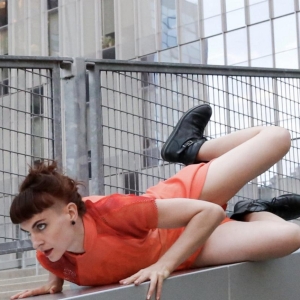
Kinesis Project Dance Theatre Presents The First Performance Of Bridge Matter/The Reach And Community Event
Kinesis Project dance theatre has announced the first public performance of BRIDGE MATTER/THE REACH on June 28 and June 30, 2024, at Fort Washington Park, The Little Red Lighthouse, NYC.
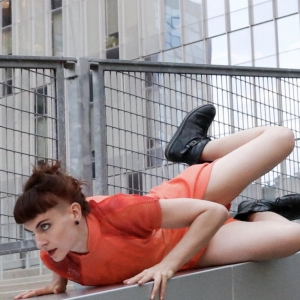
Kinesis Project Dance Theatre Performs BRIDGE MATTER/THE REACH Next Week
Kinesis Project dance theatre, the New York City based large-scale, outdoor dance company, has announced the first public performance of Bridge Matter/The Reach on Friday, June 28, 2024 at 6:30pm and Sunday, June 30, 2024 at 6pm at Fort Washington Park.
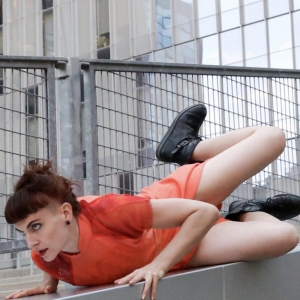
Kinesis Project Dance Theatre to Present Bridge Matter/The Reach, An Excerpt In Prelude In The Parks: Performances For The Planet
Kinesis Project dance theatre will present an excerpt of Bridge Matter/The Reach at Prelude in the Parks: Performances for the Planet. Learn more and see how to purchase tickets.
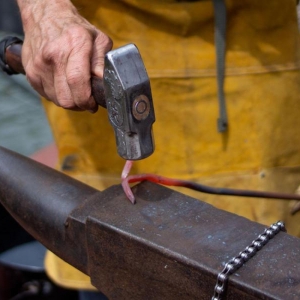
South Street Seaport Museum to Present Free Workshop Forging Maritime Metals
Join the South Street Seaport Museum on June 1, 2024, for a free metalworking workshop showcasing the role of blacksmiths during the Age of Sail.

Kinesis Project Dance Theatre Presents BRIDGE MATTER/THE REACH As A Part Of Riverside Revue
Kinesis Project dance theatre will present a sneak peek of Bridge Matter/The Reach at Riverside Revue, part of Riverside Park Conservancy's Summer on the Hudson Festival, on June 5, 2024, at 6:30pm.
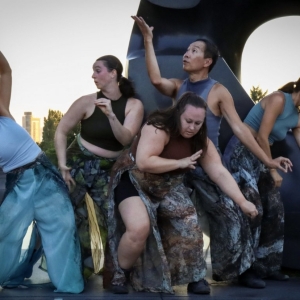
Kinesis Project Dance Theatre Reveals 10th Dance Outdoors Spring/Summer Season
Kinesis Project dance theatre, the New York City based large-scale, outdoor dance company, has announced its 2024 Spring/Summer Season, beginning Wednesday, June 5, 2024.

FSU/Asolo Conservatory For Actor Training Reveals 2024-25 Season Lineup
The FSU/Asolo Conservatory for Actor Training has announced its 2024-2025 season. Learn more about the lineup here!
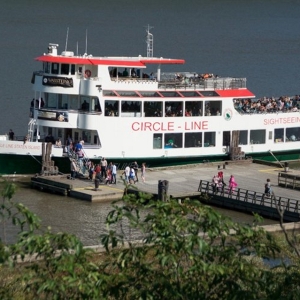
CIRCLE LINE'S Annual Oktoberfest Cruise to Bear Mountain State Park Begins Weekends
Circle Line, home of New York City's most iconic sightseeing cruises, is thrilled to announce the return of its annual Bear Mountain Cruise, featuring Oktoberfest-themed food, drinks, and music.
The Cloisters Frequently Asked Questions
- What are the closest subway stops to The Cloisters?
-
The closest subway stops to The Cloisters at 99 Margaret Corbin Dr in New York City are the A train at 190th Street and the 1 train at 191st Street. Both stations are located in the Washington Heights neighborhood of Manhattan, just a short walk away from the museum.
If you're planning to visit The Cloisters, I highly recommend taking some time to explore the beautiful Fort Tryon Park, which surrounds the museum. It offers stunning views of the Hudson River and is a great spot for a picnic or a leisurely stroll. You can also check out the Heather Garden within the park, which is known for its vibrant flowers and serene atmosphere.
For the latest subway updates and service changes, I recommend checking the official website of the Metropolitan Transportation Authority (MTA) at https://new.mta.info/. This will provide you with real-time information on any delays or disruptions that may affect your journey.
Enjoy your visit to The Cloisters and have a wonderful time exploring this hidden gem in New York City!
- What's the best way to get to The Cloisters by bus?
-
The Cloisters, located at 99 Margaret Corbin Dr in New York City, is a beautiful museum and garden that showcases medieval art and architecture. While there are no bus stops directly in front of The Cloisters, there are several nearby options that will get you close to your destination.
The closest bus stop to The Cloisters is the one at Fort Tryon Park, which is served by the M4 bus. This stop is located at the intersection of Cabrini Boulevard and Fort Washington Avenue, just a short walk from The Cloisters. You can check for updates on the M4 bus schedule and route on the official MTA website: MTA.info.
Another option is to take the M100 bus, which stops at the intersection of Broadway and 190th Street. From there, it's about a 15-minute walk to The Cloisters. You can find the latest information on the M100 bus schedule and route on the MTA website as well.
If you prefer to use a mapping app to plan your journey, I recommend using Google Maps or the MTA's official app, called "MTA Subway Time." These apps provide real-time updates on bus routes, schedules, and any service changes.
Remember to check for any updates or changes to bus routes before your visit, as schedules can vary. Enjoy your trip to The Cloisters and have a wonderful time exploring the medieval treasures it has to offer!
- How much time should I plan to spend at The Cloisters?
-
The Cloisters, located in Fort Tryon Park, is a unique museum that showcases medieval European art and architecture. To fully appreciate this gem, I recommend planning to spend at least half a day there. This will allow you ample time to explore the museum's stunning collection, stroll through the serene gardens, and soak in the peaceful atmosphere.
With its tranquil setting overlooking the Hudson River, The Cloisters offers a welcome escape from the hustle and bustle of the city. Take your time to wander through the various galleries, admiring the intricate tapestries, illuminated manuscripts, and exquisite sculptures. Don't miss the famous Unicorn Tapestries, which are a highlight of the collection.
After immersing yourself in the art, make sure to explore the beautiful gardens surrounding The Cloisters. They are designed to evoke the spirit of medieval Europe and provide a serene backdrop for contemplation or a leisurely stroll.
If you have more time to spare, consider joining one of the museum's guided tours or attending a special exhibition or event. The Cloisters often hosts lectures, concerts, and workshops that further enhance the visitor experience.
Remember to check the museum's website for any updates on opening hours and ticketing information. And don't forget to bring your camera to capture the stunning views and architectural details!
In conclusion, to fully appreciate the beauty and tranquility of The Cloisters, plan to spend at least half a day exploring the museum, gardens, and taking in the atmosphere. Enjoy your visit!
- Can I bring food and drinks into The Cloisters?
-
The Cloisters, located in northern Manhattan, is a branch of the Metropolitan Museum of Art dedicated to the art and architecture of medieval Europe. While The Cloisters does not have a restaurant or café on-site, visitors are welcome to bring their own food and enjoy a picnic in the beautiful gardens surrounding the museum. There are also several nearby parks and green spaces where you can sit and enjoy a meal. Just be sure to clean up after yourself and dispose of any trash properly. Please note that alcoholic beverages are not permitted on the grounds of The Cloisters.
- Does The Cloisters offer luggage storage?
-
The Cloisters, located in Fort Tryon Park in Upper Manhattan, is a museum dedicated to medieval art and architecture. While it does not have its own luggage storage facilities, there are a few options available to visitors.
If you are traveling with a small bag or backpack, you can bring it with you into the museum. However, larger bags, suitcases, or items that may be considered cumbersome are not permitted inside. It's always a good idea to check the museum's website or contact their visitor services for any specific guidelines or restrictions.
If you need to store your luggage while visiting The Cloisters, there are several luggage storage services available throughout the city. These services typically charge a fee per bag and offer secure storage options. Some popular luggage storage companies in New York City include Vertoe, LuggageHero, and Schwartz Luggage Storage.
Alternatively, if you are staying at a hotel in the city, you can inquire with the front desk about storing your luggage there. Many hotels offer luggage storage services for their guests, even after check-out.
Remember to plan ahead and check the specific policies of the museum or storage service you choose to ensure a smooth and hassle-free visit to The Cloisters.
- Is The Cloisters a good place to visit for foreign travelers who are not native English speakers?
-
Absolutely! The Cloisters is a wonderful destination for visitors from other countries and non-English language speakers. Located in Fort Tryon Park, this branch of the Metropolitan Museum of Art is dedicated to the art and architecture of medieval Europe. Its serene atmosphere, stunning gardens, and breathtaking views of the Hudson River make it a must-visit spot for tourists.
While English is the primary language spoken at The Cloisters, the museum provides multilingual audio guides in several languages, including Spanish, French, German, Italian, and Japanese. These guides offer detailed explanations of the artwork and historical context, ensuring that non-English speakers can fully appreciate the exhibits.
Additionally, The Cloisters' visual nature allows visitors to appreciate the beauty of the artwork and architecture without relying solely on language. The intricate tapestries, ornate sculptures, and meticulously crafted stained glass windows speak to the artistic mastery of the medieval period, transcending language barriers.
Overall, The Cloisters offers a unique and enriching experience for visitors from all over the world, regardless of their language proficiency. It's a place where art and history come alive, and where the beauty of the medieval era can be appreciated by all.
- What ages are appropriate for The Cloisters?
-
The Cloisters, located in Fort Tryon Park in Upper Manhattan, is a branch of the Metropolitan Museum of Art dedicated to medieval art and architecture. While there is no strict age restriction, the recommended age range for visitors to The Cloisters is generally 12 years and older. The museum's exhibits and collections may be more appreciated by older children and adults who have an interest in art history and medieval culture. However, younger children can still enjoy the beautiful gardens and the peaceful atmosphere of the park surrounding The Cloisters.

.jpg?format=auto&width=365)

Tickets From $58

Tickets From $71

Tickets From $71

Tickets From $71
