


Review: NORA (A DOLL'S HOUSE) at Trinity Street Players
A Bold Reimagining of Ibsen’s A Doll's House. The short run ended.

NORA is a reimagining of A Doll’s House and it breathes new life into Henrik Ibsen’s classic, transporting its themes of autonomy, identity, and rebellion into a near-future world that feels hauntingly familiar. Set in an upscale American apartment designed by Steve Williams, the environment is pristine, a gilded cage for Nora. While flawless on the surface, every corner of the set feels fragile: one crack away from crumbling. It’s a visual metaphor for the illusion of security that Nora inhabits, a world poised to unravel at any moment.
Kelsey Oliver’s costume design plays a pivotal role in charting Nora’s emotional evolution. In the beginning, her wardrobe is stark, black and white, symbolizing her entrapment. But as she begins her journey toward independence, bursts of color emerge in her attire, culminating in a vibrant dress by the final act. This visual transformation is an unmistakable symbol of Nora’s growing strength and self-awareness.
The production pulses with urgency, the themes of gender, identity, and autonomy explored through a lens that feels strikingly modern. While Ibsen’s plot remains intact: the secret, the desperate need for freedom, and the looming threat of Krogstad, the surrounding world feels chillingly close to our own. When Nora walks out that door, it’s not just a scandal, it’s a defiant act in a world where hard-won freedoms are quietly slipping away. The production dares to ask: What happens when the rights we once fought for are slowly stripped from us?
In this adaptation, Nora’s world is one where women’s rights have been systematically erased under the guise of “protection.” In a society where autonomy is a distant memory, Nora’s act of forgery, a desperate attempt to save her husband, becomes a poignant commentary on the limitations placed on women. Her crime, born out of love and necessity, is a stark reflection of a world where women are legally powerless. As her husband ascends in his career, her past threatens to destroy them both, as the man who holds the deed to her crime demands more.
The cast delivers nothing short of a powerhouse performance, each actor bringing raw, emotional depth to their roles. Sarah Zeringue’s Nora is a revelation. Vulnerable yet resolute, she encapsulates the arc of a woman breaking free from societal expectations to claim her own identity. Patrick Shaw’s Torvald, charming yet authoritarian, is not a monster but a product of a rigid system that he believes in wholeheartedly. His love for Nora is possessive, not nurturing, creating a complicated, if relatable, dynamic.
KhattieQ reimagines Dr. Rank as a nonbinary character, adding a modern twist to a traditionally tragic role. In love with Nora, Dr. Rank's affection is unspoken, muted by the fear of a society that forbids their love. Nora, in turn, understands Dr. Rank’s isolation and feels an unspoken connection to them. This tender, unvoiced relationship adds layers of complexity to the production, underscoring the themes of repression and forbidden love.
Sebastian Vitale’s portrayal of Krogstad adds a layer of empathy to a character traditionally seen as the antagonist. While still a blackmailer, Vitale’s Krogstad is more than just a villain, he’s a man trapped by the same oppressive forces that control Nora. His vulnerability makes him a tragic figure in his own right, creating a fragile solidarity between the two characters.
Robert Joseph’s portrayal of Chris, reimagined as a male character in love with Krogstad, is both raw and compelling. And Melba Martinez brings quiet wisdom and emotional depth to the role of Ana, Nora’s nanny and confidant.
The design team creates a world that feels both sleek and brittle. Williams’s set design, with its flawless surfaces, underscores the fragility of Nora’s existence. MacKenzie Mulligan’s lighting subtly narrows Nora’s physical and emotional space, creating an atmosphere of suffocating confinement. Johann Solo’s sound design heightens the tension, underscoring each moment of dramatic intensity, while Adriene Mishler’s understated choreography deepens the emotional and psychological pressure Nora feels as she navigates her transformation.
Adapted and directed by Jenny Larson-Quiñones, NORA honors Ibsen’s original while grounding it in urgent contemporary issues. Themes of women’s autonomy, queer love, and societal control are as relevant today as they were in the 19th century. By the final confrontation, Nora’s transformation is complete. Her voice steadies, her posture shifts, and the woman who once lived for others becomes fully aware of her own power. When she walks out that door, it no longer feels like a symbolic gesture. It’s a defiant act of rebellion against a world that is slowly marching backward.
This adaptation burns with the same passion as the original, but carries it into a future that feels uncomfortably close. Nora’s rebellion challenges us to confront the past, present, and future of freedom, autonomy, and love. In a world that continues to cage women and queer people, her exit is not just liberation; it’s a declaration. We, too, are larks, and we, too, will always break free.
TICKETS: Tickets were FREE, but you can donate to the program here.
NORA
(A Doll’s House)
by Henrik Ibsen
adapted and directed by Jenny Larson-Quiñones
Run November 19 - November 23, 2025
Trinity Street Players
Black Box Theatre, 4th floor, First Baptist Church
901 Trinity Street
Austin, TX, 78701

|
Chayanne Don Haskins Center (10/01-10/01) |

|
Clue Penfold Theatre Company (9/11-10/11) |
|
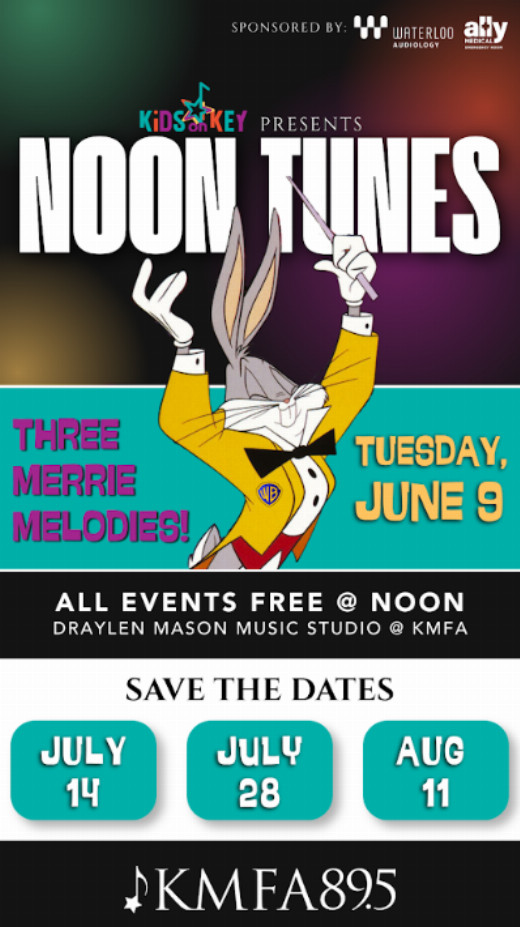
Noon Tunes: Critter City & Sing-Along Draylen Mason Music Studio at KMFA (7/28-8/11) |
|
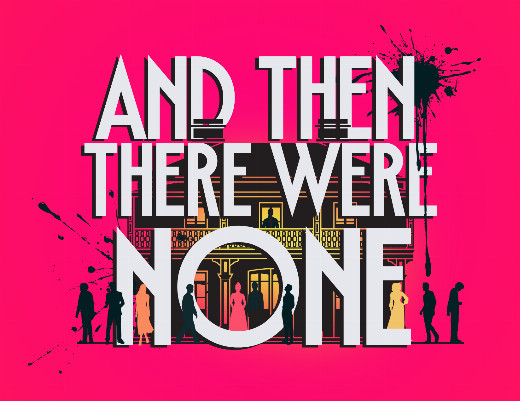
And Then There Were None Georgetown Palace Theatre (8/21-9/20) |

|
Averly Morillo McAllen Performing Arts Center (10/10-10/10) |
|
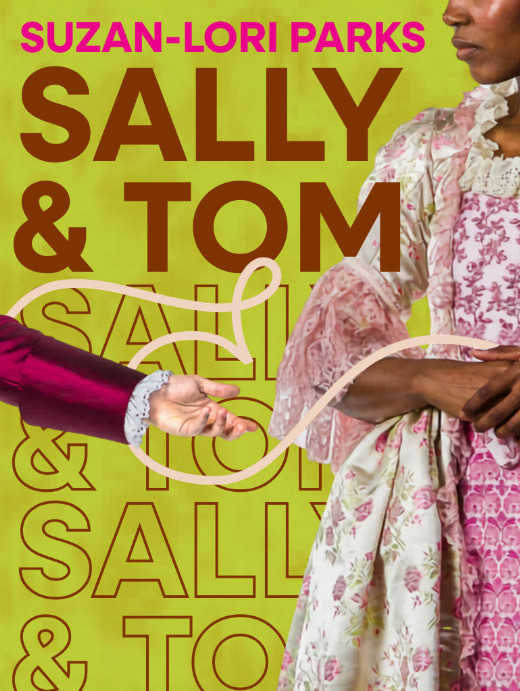
Sally & Tom Zach Theater (7/22-8/23) |

|
Foster The People Moody Amphitheater (10/16-10/16) |

|
Midnight The Stage (8/06-8/16) |
|
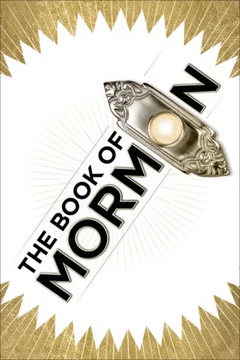
The Book of Mormon (Non-Equity) Bass Concert Hall (6/08-6/13) |

|
The Unknown Tour Julie Rogers Theatre (11/07-11/07) |
Reader Reviews
To post a comment, you must register and login.