Why Mounting an Original Broadway Musical Is More Expensive Than Ever
Original musicals cost more money to mount on Broadway, and cost more to run than they ever have before.
 Click for Tickets
Recently the theatre world has been abuzz with recent discussions around the high mounting and operating costs of shows, particularly musicals, spurred by a New York Times article that was published last week.
It’s no accident that these conversations are happening as two of the major Broadway unions, Actors Equity and American Federation of Musicians Local 802, are in the process of renegotiating their contracts with the Broadway League, a consortium of theatre owners, producers, general managers, and presenters who negotiate on behalf of all Broadway shows.
The facts are what the facts are. Original musicals cost more money to mount on Broadway, and cost more to run than they ever have before. Still to this date the only musicals to recoup their capitalization after opening post-pandemic are Six, MJ: The Musical, and &Juliet. All of this is very well documented, but what really matters is can ticket sales sustain those higher costs?
Short answer, no. In many ways 2025 was a make or break year for show profitability. From the article “The $30 million musical trend” published in January: “If Hell’s Kitchen, The Outsiders, and The Great Gatsby recoup, that will be 3 out of 15 new musicals from last season recouping, or 20%. Even if only two of the three recoup, that will bring the overall season total from last year to 7 out of 36, or 19.45%.”
%20%26%20cast%20in%20The%20Great%20Gatsby%20(c)%20Matthew%20Murphy%20and%20Evan%20Zimmerman.jpg?format=auto&width=1400)
But all three of those shows had significant gross decreases this year, more so than is typical. It now appears unlikely that Hell’s Kitchen and The Great Gatsby will recoup, and The Outsiders is taking much longer than initially anticipated. Much of that is due to the extent that their grosses have slowed. The average gross for The Outsiders has decreased by $150,000 per week in 2025. The picture for Hell’s Kitchen and The Great Gatsby is even more bleak, with Gatsby decreasing an average of nearly $250,000 per week, and Hell’s Kitchen has decreased nearly 600,000 per week comparing 2025 to 2024. Those steeper decreases than other recent new musicals that have run that long. MJ, &Juliet, and Six combined averaged a decrease of around $100,000 per week in their second year.
Looking to this year, there are a couple of shows that seem likely to recoup their initial investment. Just In Time is well on the way to recouping. Maybe Happy Ending, even with the recent casting drama, is still doing well, and the return engagement of Darren Criss this winter should prove very lucrative for them. They may eventually recoup, although that is no sure thing right now. The remaining shows are possible, though unlikely. Death Becomes Her’s exact financial data is unknown outside of their $31.5 million initial capitalization. It’s difficult to conceive that they will recoup that anytime soon if ever, they are certainly one of the more expensive new shows to operate on Broadway recently. Operation Mincemeat’s data is more known, with Philip Boroff reporting last year that they would need to average $146 a ticket for a year to recoup. Back calculating from that and at current pace, though they are not losing money, it would take until about 2028 for Operation Mincemeat to recoup. Buena Vista Social Club is in the next best position, the only thing concerning them is what track they will take in the future. If they can weather the next year more like MJ, rather than like Hell’s Kitchen, they may also recoup in the next 12-18 months.
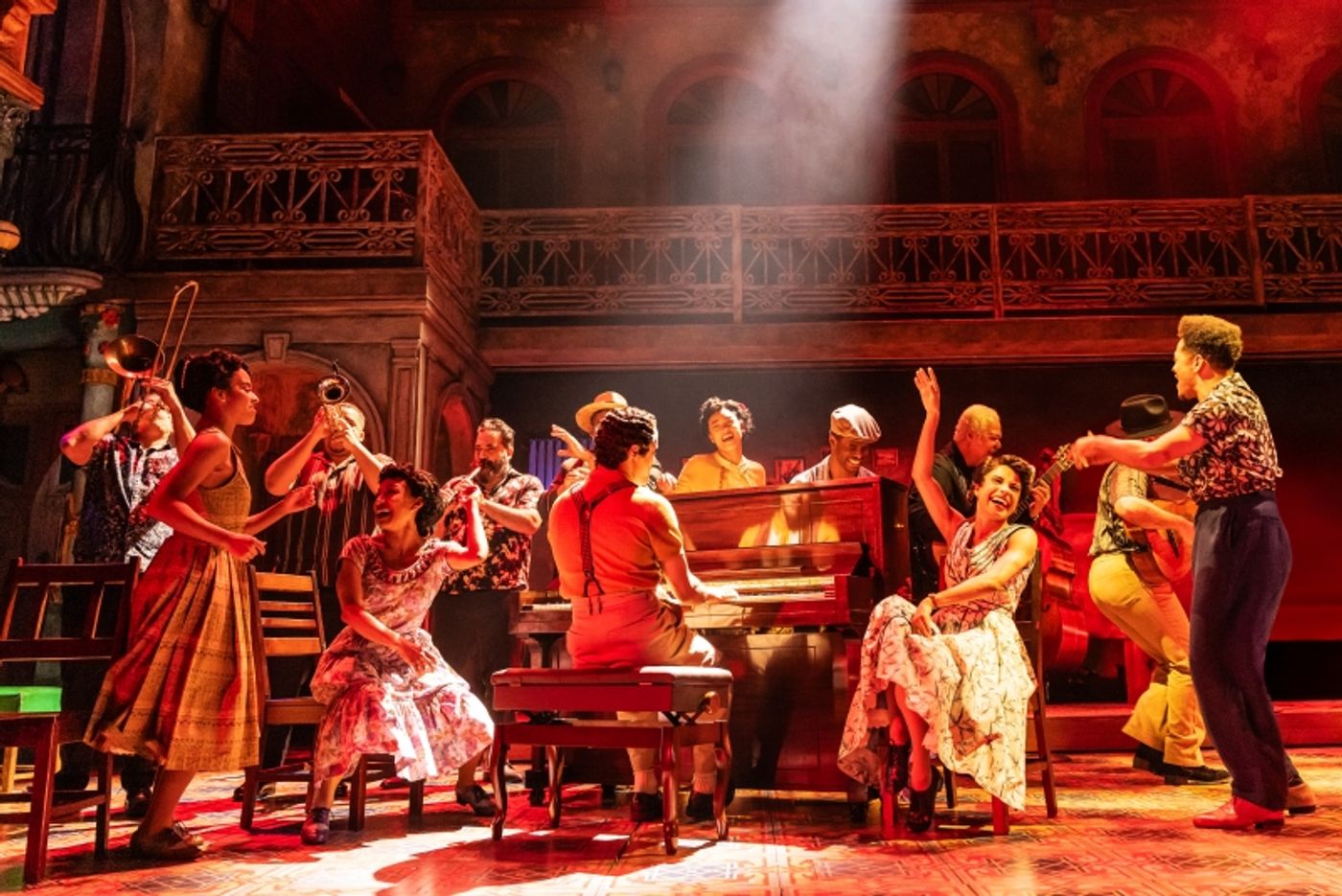
All of this is a rosier picture than what’s been being painted recently. But there are still a lot of qualifiers and ifs for shows to consider on their path to recoupment. The changing image of the future is reflected in The Broadway League’s conduct too. Last year during their renegotiations with the AFM 802, the negotiations did not last long, because AFM won a major pay increase without taking any concessions (according to their statements after the contract was agreed upon), at a 4.5% pay increase, the largest ever granted. AEA too in their 2022 collective bargaining agreement with the League, they were granted an average of 4.33% annual pay increases, with larger increases for increments associated with understudying roles, chorus parts, dance captain, etc. That optimism towards the future has clearly since decreased.
But ultimately what causes shows to take longer to recoup their initial capitalization is the high costs associated with operating a show. It’s well documented that the single largest line item in most shows budgets is the cost of being in the theatre. A show like the recent revival of Gypsy likely was paying upwards of $350,000 per week for the privilege of being in the Majestic Theatre, if you combine the 7% that The Shubert Organization takes off the top of the grosses as well as the theatre fixed cost. This is in line with most shows, theatre expenses usually amount to more than 30% of the total expenses of a show. Direct salaries are usually in the 15%-20% range of the cost of a show, and they scale pretty closely with the size of the show. Other large line items include General and Administrative (this is where producer fees are), as well as advertising. Those items as well have increased significantly as of late, also not unreasonably as median rent in Manhattan continues to soar. But the combined effects of all of these pieces increasing the way they are, along with stagnant grosses and 25% inflation since 2019, all of that brings the industry to where it is today.
So what does that mean? Who needs to bear the brunt and feel a little bit of pain as shows seek to cut costs? The easy one is theatre owners, since they are the ones who are likely making money. It was revealed last year that Jujamcyn had made nearly 30% profit on its theatres in the fiscal year ending March 2024. Now Jujamcyn has had several long running shows (at that time they had the commercially successful Funny Girl, Hadestown, Moulin Rouge!, and Book of Mormon), which no doubt helped them, but the notion that the theatre landlords aren’t making money is ludicrous. It’s why private equity (who own the Ambassador Theatre Group) has ventured their way towards Broadway. They are also the ones who have managed to get themselves sued for their handling of Cabaret’s finances as executive producers, although that case is still ongoing.
Regardless of what happens with the current negotiations, the reality is something needs to change. The current model is not sustainable, and no solution to fixing that model is going to leave people happy. Because for those who the model works for, they will fight tooth and nail to prevent that model from changing. For the rest of us, from show producers, to employees, to investors, to fans, it is us who will feel that pain more than anything else.