


Which Pre-Broadway Tryout Theater Boasts the Most Best Musical Tony Award Winners?
Do you know which theatres have hosted the most Best Musicals?
Do you have a burning Broadway question? Dying to know more about an obscure Broadway fact? Broadway historian and self-proclaimed theatre nerd Jennifer Ashley Tepper is here to help with Broadway Deep Dive. BroadwayWorld is accepting questions from theatre fans like you. If you're lucky, your question might be selected as the topic of her next column!
Submit your Broadway question here!
This time, the reader question was: Which pre-Broadway tryout theater boasts the most Tony Award winners for Best Musical?
It is a special privilege to see any musical during its development process. Getting to be a part of the experience of creatives listening to audiences and making changes accordingly is one of the things that gives live theatre its vibrant reputation. Whether you’re sitting in a folding chair at a rehearsal studio during an early reading or clutching a ticket to a first preview on Broadway, you, the audience member, are a part of the collaborative process that makes theatre special.
The logistics of a pre-Broadway tryout production for a musical have evolved in fascinating ways over the years—while the process has largely stayed the same. Typical productions of the mid-20th century used to make quick stops in a few well-trod cities in the northeast for commercial runs before coming in to New York. Now they travel to non-profit regional houses all over the map for much longer periods of workshopping, utilize off-Broadway houses for a pre-Broadway tryout, or sometimes bypass a tryout altogether due to costs. But the process itself—from creatives scattered through the audience taking frantic notes on notepads to daily rehearsals to implement cuts and changes—is mostly unchanged.
In looking at the Tony Award winner for Best Musical of each season, it is possible to see a representative history of how pre-Broadway tryouts have changed since 1949, the first season where the prize was awarded.
The large majority of major Broadway-aimed musicals started out with a pre-Broadway tryout in one or more of the original Big Three: Boston, New Haven, and Philadelphia. Kiss Me, Kate (1949), Broadway’s first Tony Award winner for Best Musical, tried out at the Shubert Theatre in Philadelphia, and its second, South Pacific (1950), tried out at both the Shubert Theatre in New Haven and the Shubert in Boston. The fact that Broadway’s main theatre owners, The Shuberts, had these houses in other cities made the path from one of their out-of-town theaters to one of their in-town theaters a clean and clear choice.
In those years, in addition to the Shubert Theatres in all three cities, likely destinations for pre-Broadway tryouts in the Big Three also included the Forrest and Erlanger in Philadelphia and the Colonial in Boston. Broadway’s third Best Musical winner, Guys and Dolls (1951), uniquely tried out at two Philadelphia theaters, one after the other, before coming in to New York. The King and I (1952) hit New Haven and Boston and Wonderful Town (1953) was honed in New Haven and Philadelphia, before becoming big hits on the Broadway stage.
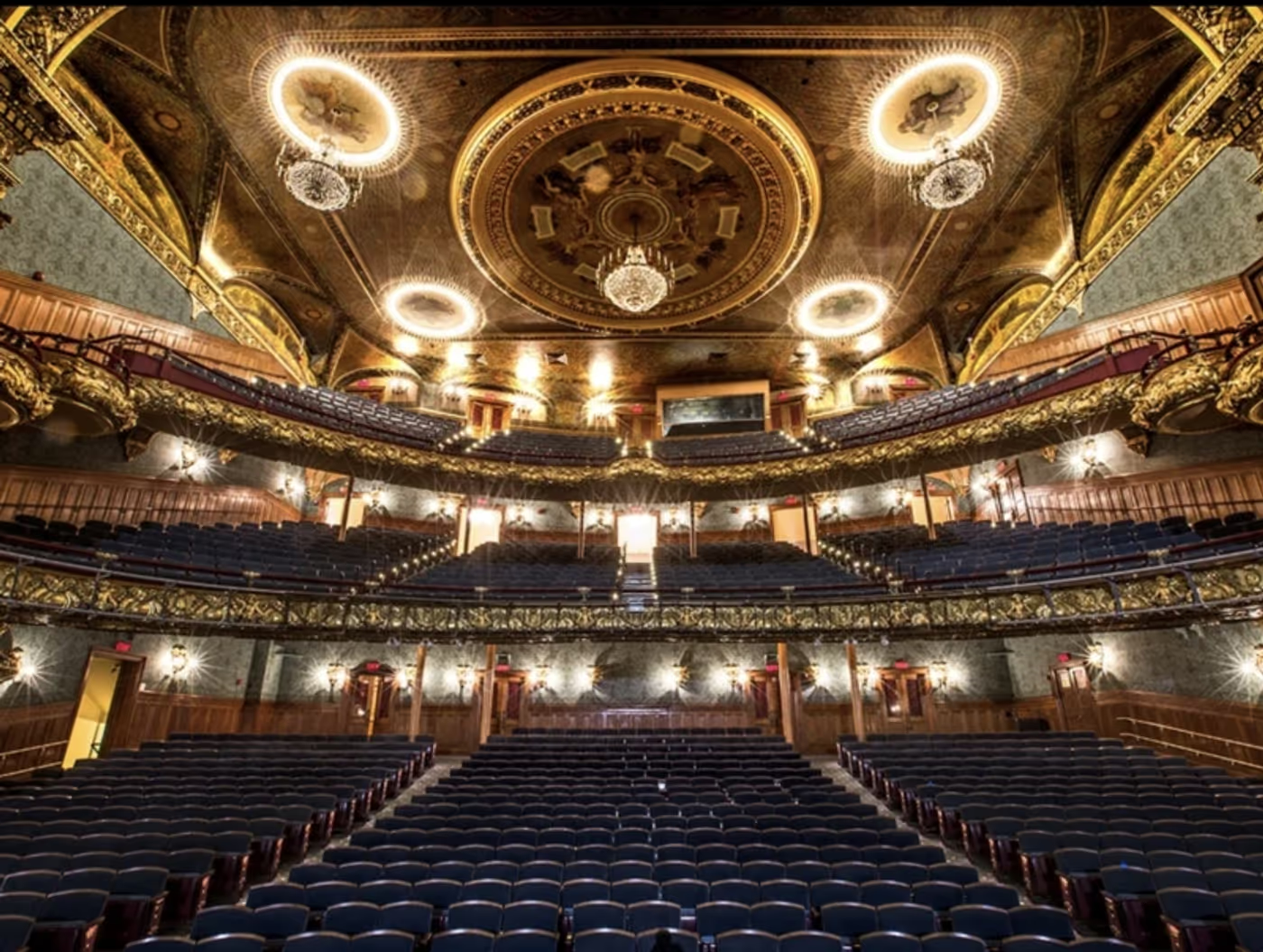
1954 brought Broadway’s first Best Musical that did not choose to try out only in the Big Three cities. Kismet had a mini-tour of sorts, testing out its operetta- infused style in Philadelphia and Boston but also in Los Angeles and San Francisco. The show was associated with the Los Angeles Civic Light Opera which is what predicated this choice. Broadway’s big winner of the season wouldn’t again try out outside of the Big Three until Redhead (1959) visited Washington D.C. (in addition to Philadelphia). In between, The Pajama Game (1955), Damn Yankees (1956), My Fair Lady (1957), and The Music Man (1958), all major achievements from the Golden Age of Broadway, traveled to those old chestnut cities: New Haven, Philadelphia and Boston.
In the 1960s, the city of Detroit entered the mix for a pre-Broadway test, Washington D.C. stayed in play, and Broadway got its first Best Musical that tried out off-Broadway. New Haven hosted the tryouts for both shows that tied for Best Musical in 1960: The Sound of Music and Fiorello! The Sound of Music also played Boston and Fiorello! also played Philadelphia. Bye Bye Birdie (1961) and How To Succeed (1962) both tried out at the Shubert in Philadelphia, during this last decade when The Big Three were the given go-to spots for new Broadway musicals.
Then, A Funny Thing Happened on the Way to the Forum (1963), Hello, Dolly! (1964) and Fiddler on the Roof (1965) all chose to route to The National Theatre in Washington D.C., as Redhead had, and forego the Big Three. Dolly and Fiddler also tried out at the Fisher in Detroit, the first two of three Best Musicals that would do so. Much of the shift to other cities had to do with the theater owners and how they worked with producers to strategically book their houses both in town and out of town. Audiences in new cities became the testing subjects for important new musicals. While journalists and audiences in the Big Three prided themselves in the responsibility of being part of the Broadway process, now folks in other towns were initiated a well.
Man of La Mancha (1966) had the most unconventional path to Broadway of any Best Musical thus far. The show about the story of Don Quixote was first seen at Goodspeed, in East Haddam, Connecticut, making it the first to have a pre-Broadway tryout in a non-major city. Then it opened in New York originally off-Broadway at the now-demolished ANTA Washington Square, making it the first to have an off-Broadway tryout before moving to Broadway. In both cases, it would be the first but hardly the last. The musical did also play Philadelphia as well, so it had roots in the old tryout system.
The final years of the 1960s found Cabaret (1967) and Hallelujah, Baby! (1968) trying out in Boston, at the Shubert and Colonial, respectively. 1969’s winner, 1776, was the last Best Musical winner to try out in New Haven to date. The Shubert Theatre still stands in New Haven and is a great home for live performances, but after decades filled with dozens of pre-New York tryouts, its Broadway programming is now mostly touring productions. While 1776 was its last pre-Broadway Tony winner for Best Musical, it continued to host the rare pre-Broadway tryout following the 1960s, including Jekyll and Hyde in 1995. 1776 also continued the trend of the previous decade in playing the National in Washington D.C.
The 1970s found Broadway going in alternative directions in many ways, from the new genres of music being incorporated into scores, to the increasingly subversive ways that stories were told, to productions’ innovative paths to New York. This included the first Best Musicals to try out in the Delacorte Theatre in Central Park, the first to try out downtown at The Public Theater, and the first to forego a pre-Broadway tryout altogether.
Applause (1970) was the first Best Musical to try out in Baltimore. Only a short jump from Washington D.C., Baltimore never became a major pre-Broadway hub but it did start to host more tryouts beginning in the 1970s. Then Company (1971) was the last Best Musical of many to call the Shubert in Boston its pre-Broadway home. In 1972, The Public Theater had the first of their Best Musicals transfer from one of their off-Broadway houses to the Great White Way. Two Gentlemen of Verona started its life at the Public’s Delacorte in Central Park before moving to Broadway and four seasons later, A Chorus Line (1976) became the first Best Musical to move from the Public’s home downtown to Broadway. A Little Night Music (1973) tried out in Boston and Raisin (1974) was the first Best Musical to tryout at Arena Stage in Washington D.C. The 1970s found an increasing number of shows trying out in non-profit settings like Arena Stage and The Public Theater, rather than what were technically rental houses like Washington D.C.’s National and Boston’s Colonial.
The Wiz (1975) had a voluminous pre-Broadway tour the likes of which hadn’t been seen for a Best Musical since Kismet. Trying out in Philadelphia, Detroit, and Baltimore, The Wiz had been honed with a wide variety of audiences before coming to New York. It is the last Best Musical to try out in any of its three cities, to date.
Annie (1977) followed the path of Man of La Mancha in trying out at the Goodspeed Opera House before coming to New York. Goodspeed can claim both now-classic musicals for their own since each worked out the kinks in East Haddam. (Annie made an important stop at the Kennedy Center after Goodspeed, where a number of essential changes to the show were made.) 1978’s Ain’t Misbehavin’ took an unprecedented unassuming route to Broadway. While previous productions might not have been completely certain of their Broadway futures, Ain’t Misbehavin’, which started out as a cabaret piece in MTC’s cabaret space off-Broadway, was arguably the least likely of them all. The third Best Musical to originate off-Broadway didn’t schedule a pre-meditated pre-Broadway run but was rather a happy surprise. This sort of trajectory would be followed by many shows in the future, with producers attempting to set up low expectations that could then be exceeded.
Sweeney Todd in 1979 became Broadway’s first Best Musical that never had an out-of-town tryout at all. With its extensive physical production, plus mounting costs in all departments, Sweeney Todd was deemed too expensive to go out of town. Prince and Sondheim, who had spent their partnership as well as their shows with other collaborators, trying out shows in the Big Three and then occasionally in other cities, bucked the system entirely for the first time. Sweeney Todd essentially did its pre-Broadway tryout on Broadway, with a slightly longer than usual preview period at the Uris (now the Gershwin) to account for the lack of development time out of town. While Sweeney was the first Best Musical to forego a pre-Broadway tryout, it would not be the last. Since the 1979 Tony season, seven other big winners have opened cold on Broadway. While they may not have regretted this move, since it worked out, the mounting expenses that lead to this choice have certainly been a point of regret for other shows that wished they had a full production to workshop their show with, before Broadway.
The most significant change to pre-Broadway tryout in the 1980s came hand in hand with a new musical phenomenon: the British mega-musical. As those shows took over the Great White Way, a pre-Broadway run in London for the season’s big winner became one of the trends. Evita (1980) kicked off the decade with pre-New York runs in London as well as in San Francisco and Los Angeles. While California would continue to grow as a state for pre-Broadway tryouts, the following years would find shows more likely to stop at major non-profit theaters like La Jolla Playhouse in La Jolla and The Old Globe in San Diego, rather than the rental houses in San Francisco and Los Angeles. Evita was the first Best Musical to hit London before Broadway, but far from the last.
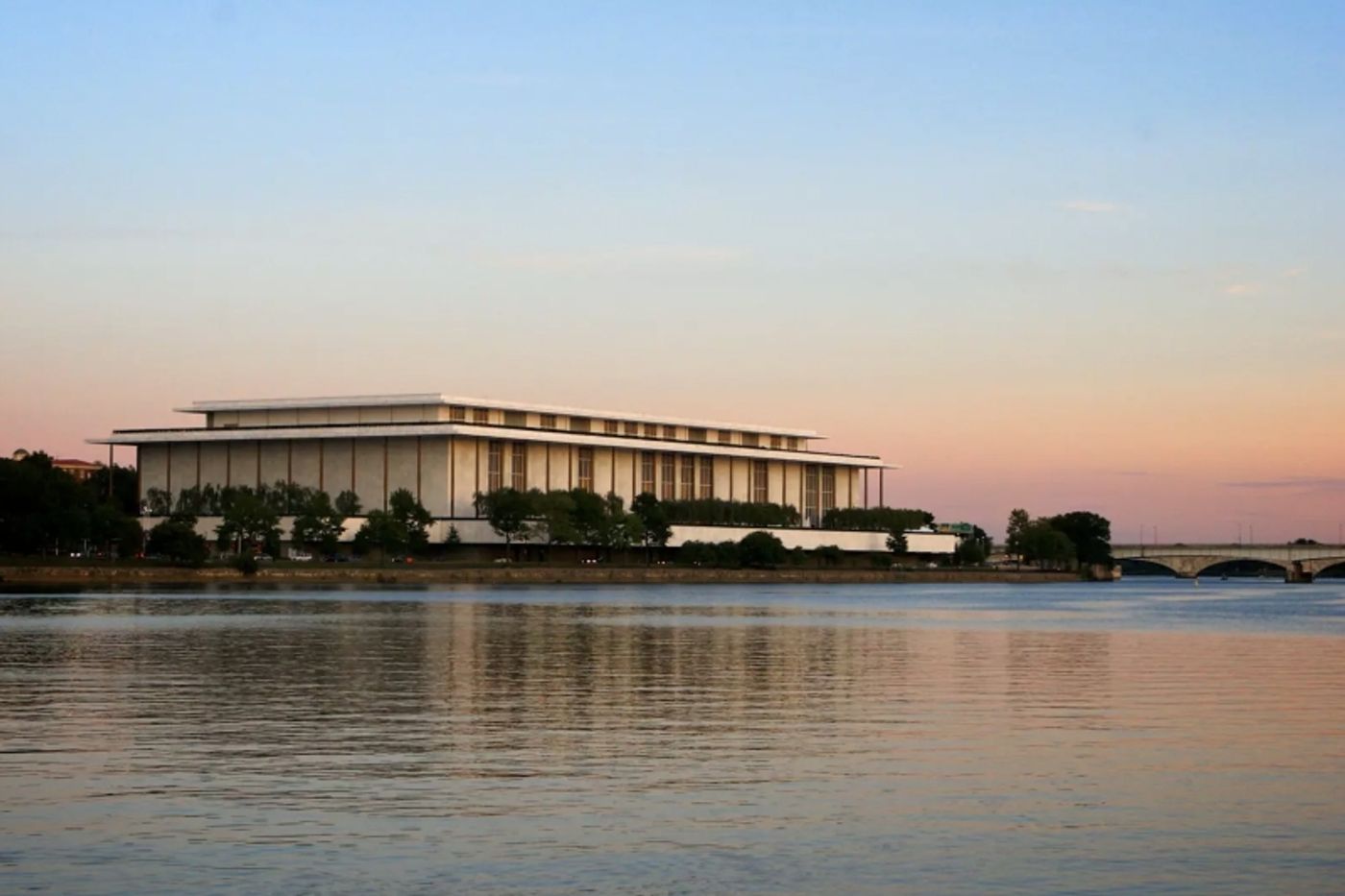
In 1981, 42nd Street became the only Best Musical to try out at the Kennedy Center in Washington D.C. In 1982 and 1989, Nine and Jerome Robbins’ Broadway continued the trend Sweeney Todd had started by having no pre-Broadway tryout. Cats (1983), Les Misérables (1987) and The Phantom of The Opera (1988) all started out on the other side of the pond. On the flip side, La Cage Aux Folles (1984), Big River (1985), The Mystery of Edwin Drood (1986) tried out in Boston, La Jolla and Cambridge, and the Delacorte in Central Park. Big River was the first of five Best Musicals that would eventually originate at La Jolla Playhouse in California. The show also spent time at The American Repertory Theatre in Cambridge, Massachusetts which would become a popular destination for pre-Broadway runs as well.
No significant new trends in pre-Broadway tryouts started in the 1990s. The decade tried out a few new paths to Broadway, but nothing that stuck. Four of the decade’s ten Best Musicals came to Broadway without a tryout: City of Angels (1990), The Will Rogers Follies (1991), Passion (1994) and Titanic (1997). As fewer shows went out of town, an increasing number had more extensive readings and workshops, closed to the public. Crazy for You (1992) became the last Best Musical to date to try out at the National in Washington D.C., Sunset Boulevard (1994) hit both London and Los Angeles before Broadway, and Rent (1996) became New York Theatre Workshop’s first Best Musical of three to transfer to Broadway.
1993’s Best Musical, Kiss of the Spider Woman, tried out a new route to Broadway. The show tried out as part of a new musical development program associated with the State University of New York at Purchase. While far from the first Broadway show to associate itself with a university in its pre-New York run (ART, for example, is associated with Harvard), the SUNY Purchase program sought to create a new workshop system specifically for pre-New York musicals. For several reasons, the program did not grow in the ways that were aimed for. Spider Woman was also the first Best Musical to try out in Toronto, due to its association with producer and impresario Garth Drabinsky. It was not the last, as Fosse (1999) also called Toronto its out-of-town tryout city. Finally, Spider Woman opened in London before coming to Broadway.
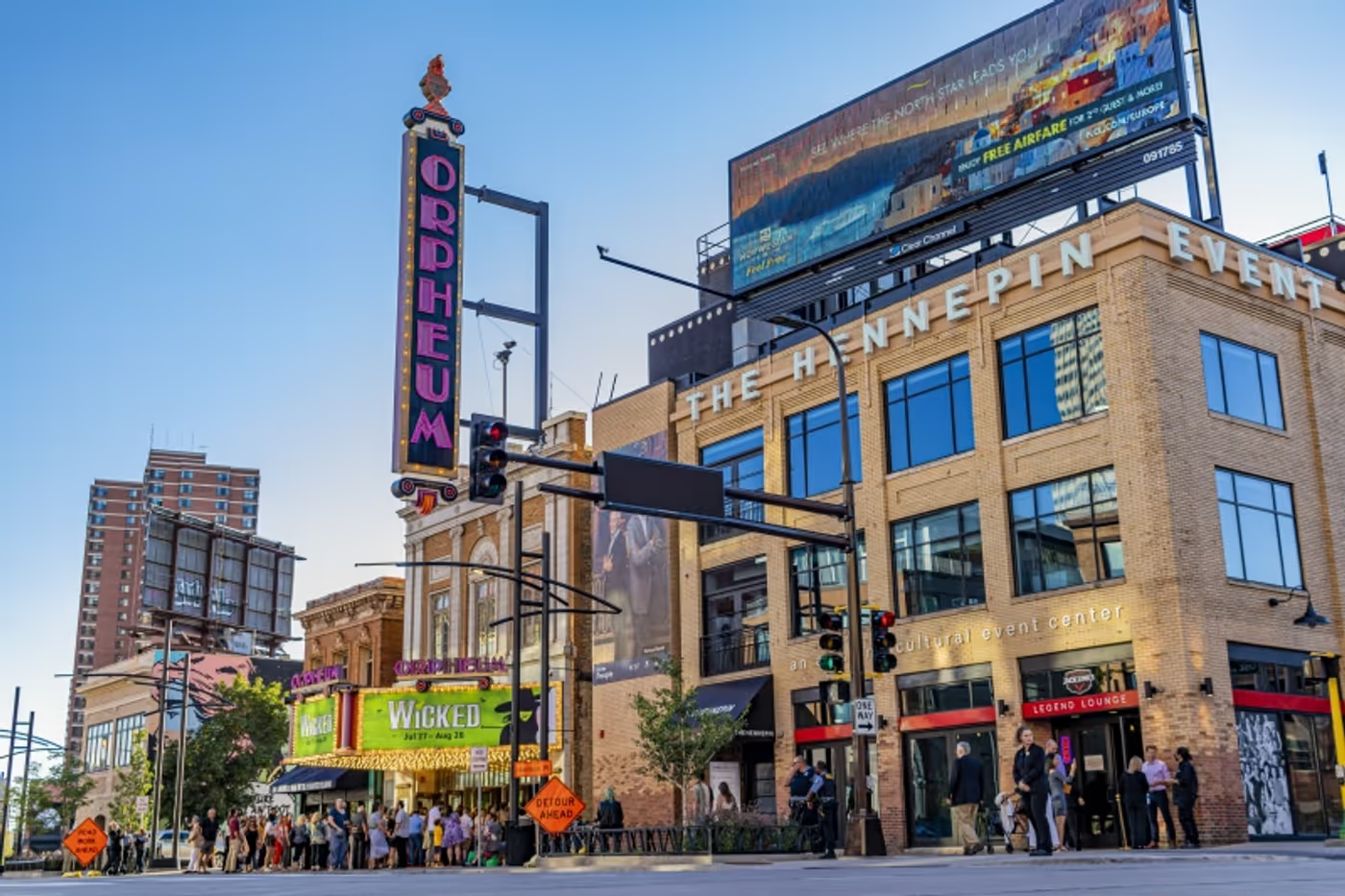
The 1998 Best Musical, The Lion King, tried out at the Orpheum Theatre in Minneapolis, which could accommodate its physical production. Minneapolis has become an increasingly popular spot for pre-New York runs, but The Lion King is the only Best Musical winner to date that has tested the waters in Minnesota.
The 2000s were the decade where it became clear that off-Broadway had evolved into the ideal spot to try out a new Broadway musical. Because of the way the internet made an insular tryout impossible, shows workshopping in the East Village were just as protected from chatter during their process as shows in Boston—which is to say, barely at all. The increasing popularity of small, intimate musicals meant that off-Broadway theaters could accommodate their physical productions; Sweeney Todd might not have been able to try out at an under-500 seater with a small stage, but shows like Avenue Q (2004) and Spring Awakening (2006) sure could.
Up until the new century, only the Public, MTC, and NYTW had earned the crown as off-Broadway non-profits that had a musical transfer to Broadway and win the big prize. In the 2000s, Lincoln Center (Contact, 2000), the Vineyard (Avenue Q), and the Atlantic (Spring Awakening) joined the ranks, and a Best Musical even had a commercial off-Broadway tryout (In The Heights, 2008). It’s worth noting that Lincoln Center transferred Contact internally from their off-Broadway space, the Mitzi Newhouse, to their Broadway space right upstairs, the Vivian Beaumont. While no other Best Musical has made this journey, it has happened a few other times for Broadway shows produced at non-profits that have spaces both on and off-Broadway. In The Heights had its pre-Broadway tryout at 37 Arts, becoming the first and last Best Musical to date to do a commercial off-Broadway run prior to transferring to Broadway.
Not a single Best Musical of the 2000s had a tryout in the Big Three. Shows that tried out outside of New York didn’t aim for Boston, New Haven, or Philadelphia, where the quick commercial runs of the Golden Age had once been done as theatre rentals. Rather they settled in for longer developmental processes done as partnerships with regional non-profits or aimed for new cities. Thoroughly Modern Millie (2002) and Jersey Boys (2006) both headed to La Jolla Playhouse. The Producers (2001) and Spamalot (2005) knighted Chicago as a Best Musical tryout city. Hairspray (2003) christened Seattle as the same, trying out at the 5th Avenue Theatre. The decade’s final Best Musical, Billy Elliot (2009), started in London.
In the 2010s more musicals began to present pre-Broadway tryouts both off-Broadway and in other cities. While Man of La Mancha had done this in the 1960s and a few shows like Next to Normal had tried it in the previous decade, the 2010s saw more of its winners including Once (2012), Dear Evan Hansen (2017), and Hadestown (2019) working out the final version of their show for Broadway both in town and out of town. Dear Evan Hansen added Second Stage to the mix of New York non-profit theaters that had developed a Best Musical winner.
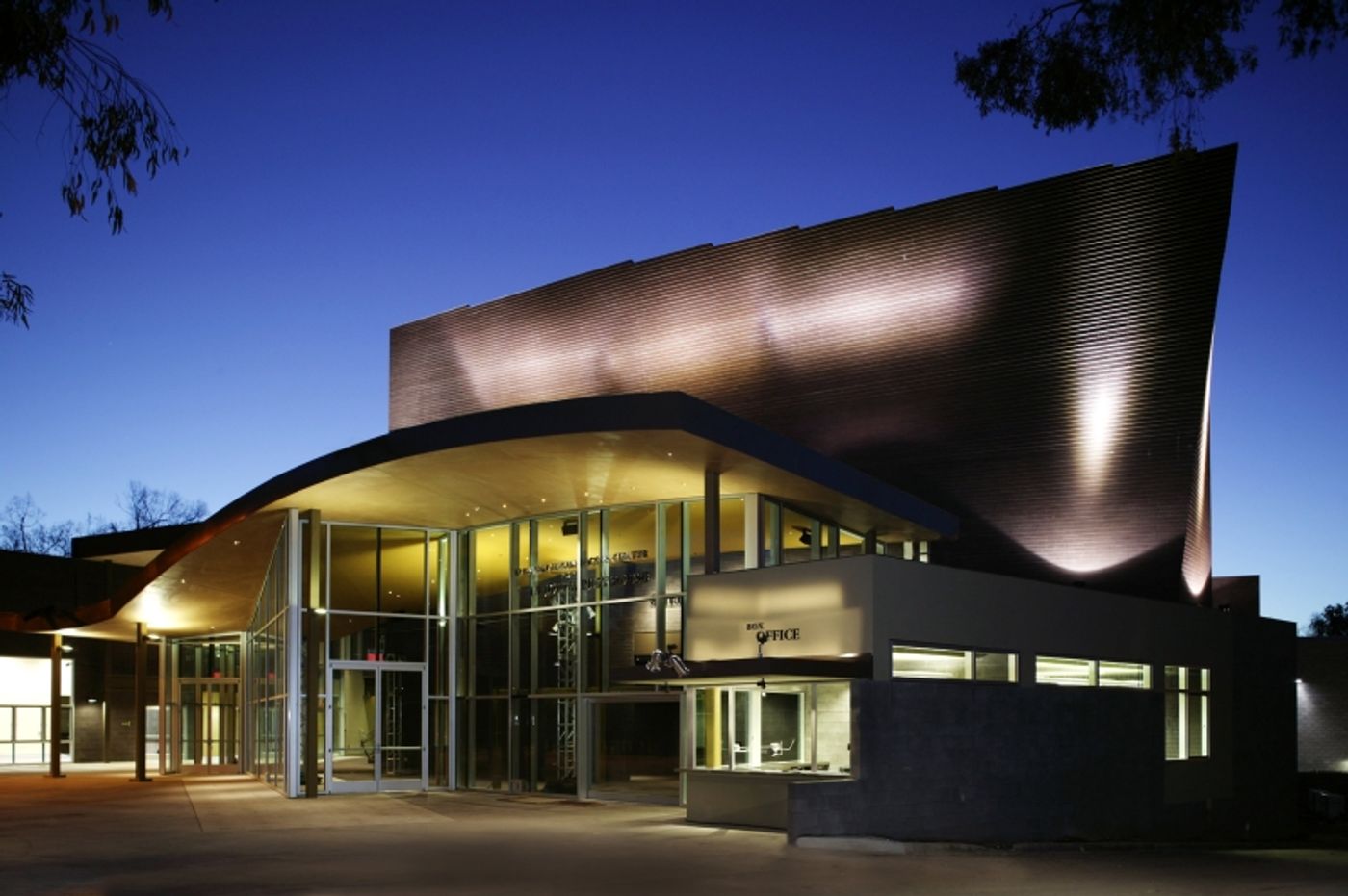
Memphis followed the path laid by Kismet and The Wiz with a multi-city route of productions before hitting Broadway. The show was worked on at North Shore Music Theatre in Beverly, Massachusetts, Theatreworks in Mountain View, California, La Jolla Playhouse, and the Fifth Avenue before winning the Tony for Best Musical in 2010.
The Book of Mormon (2011) became the most recent Best Musical to date to open on Broadway without a tryout. This time, it was for non-economic reasons; opening cold on Broadway allowed the show’s shock value comedy to be kept completely under wraps until it was in front of a New York audience, a big part of the concept for the musical. Because of the evolution of media and the internet, The Book of Mormon’s plot twists would not have been able to be kept secret and in the control of the production if it had gone out of town. No one in New York knew what Cats looked like before it came to the Winter Garden; the London production had kept its production shots and footage under wraps so that the musical would surprise its audiences. The only way to surprise a 2010s Broadway audience was to open cold in front of them.
Meanwhile, Kinky Boots (2013) followed the previous decade’s The Producers and Spamalot in trying out in Chicago. A Gentleman’s Guide to Love and Murder (2014) became the first Best Musical to tryout at Hartford Stage in Connecticut; it also played The Old Globe. Fun Home (2015) and Hamilton (2016) followed the path from The Public Theater off-Broadway to success on Broadway. (Fun Home received a workshop production at the Shiva at the Public before a full off-Broadway production at the Public’s Newman Theatre, where A Chorus Line and Hamilton both originated.) The Band’s Visit (2018) tried out at the Atlantic before Broadway.
The 2020s kicked off old-school and boast a new-school approach for the most recent Best Musical winner. Moulin Rouge! (2020/2021) was the first Best Musical to try out in one of the Big Three since La Cage Aux Folles (1984). Moulin Rouge!’s tryout at the Colonial in Boston made it part of a long and important legacy. A Strange Loop (2022) continued the pattern that trended upward in the previous decade, trying out both at Playwrights Horizons off-Broadway and at the Woolly Mammoth in Washington D.C. Both theaters had their first Best Musical winner with A Strange Loop. Kimberly Akimbo (2023) became the most recent Best Musical to originate at the Atlantic, off-Broadway and The Outsiders (2024) became the most recent to originate at La Jolla Playhouse. In 2025, Maybe Happy Ending became the first Best Musical to originate in Atlanta, at the Alliance Theatre. This was following previous productions in Korea, where a Best Musical Tony winner had also never before originated.
While different tryout theaters have different relationships to the development of new shows, it’s worth looking at both which commercial rental theaters and which non-profit theaters have had the most Best Musical Tony Award winners come from their stages. Nine Best Musicals stopped at New Haven’s Shubert Theatre from the 1940s to the 1960s. This is more than any other theater in the Big Three hosted. Part of the reason for this may be that Philadelphia and Boston each had two major tryout theaters during this time, splitting their bookings, and New Haven only had one. As far as off-Broadway tryouts go, The Public Theater boasts five Best Musicals that originated under their leadership. Beyond the old system of the Big Three and the newer system of the Off-Broadway-to-Broadway-pipeline, the commercial rental theater with the most Best Musical tryouts is the National in Washington D.C. and the regional non-profit with the most Best Musical tryouts is La Jolla Playhouse. The National has hosted six Best Musicals between the 1950s and 1990s and La Jolla Playhouse has hosted five Best Musicals between the 1980s and 2020s.





Comments
To post a comment, you must register and login.