


The History of Feminist Plays That Came Before LIBERATION
How many of these feminist plays have you seen?
Do you have a burning Broadway question? Dying to know more about an obscure Broadway fact? Broadway historian and self-proclaimed theatre nerd Jennifer Ashley Tepper is here to help with Broadway Deep Dive. BroadwayWorld is accepting questions from theatre fans like you. If you're lucky, your question might be selected as the topic of her next column!
Submit your Broadway question here!
This time, the reader question was: What is the history of feminist plays that came before Liberation?
Webster’s Dictionary defines feminism as “belief in and advocacy of the political, economic, and social equality of the sexes expressed especially through organized activity on behalf of women's rights and interests”. The term and actions surrounding it have been hotly debated over the years so a definition is necessary when breaking down the history of feminist plays.
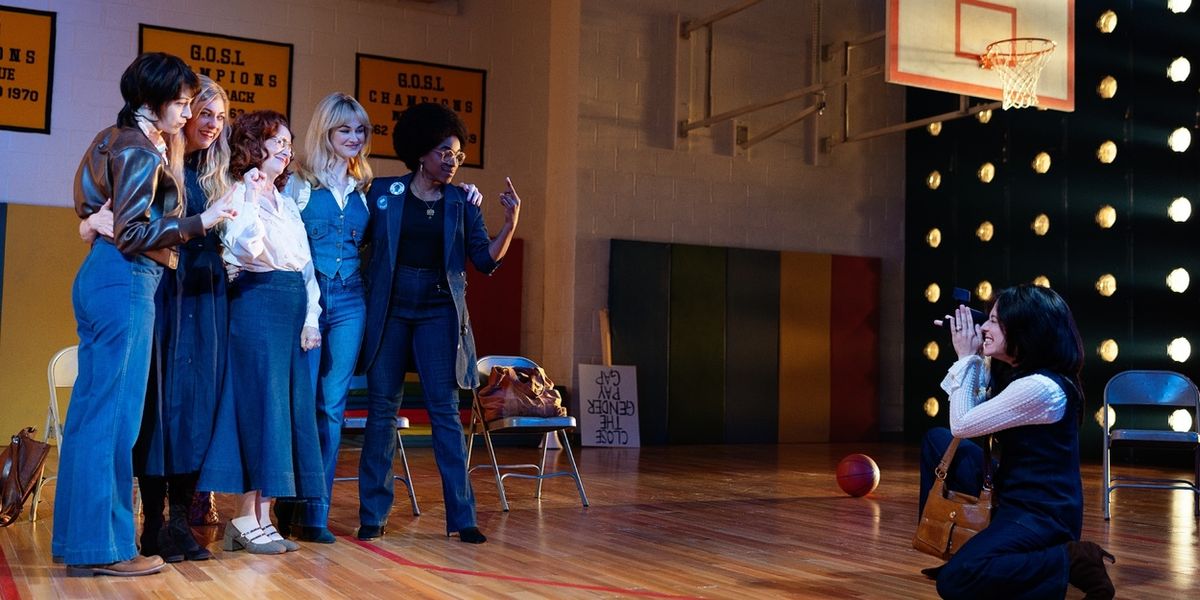
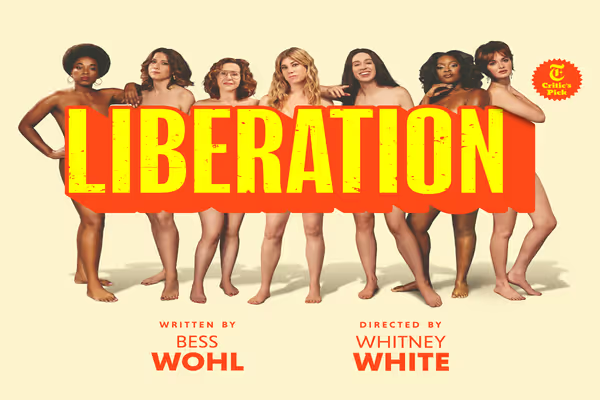
This fall, the new play Liberation by Bess Wohl is opening on Broadway at the James Earl Jones Theatre, following an acclaimed run at Roundabout’s Laura Pels. The production, directed by Whitney White, features eight cast members and has been categorized as a memory play. A woman who has lost her mother brings to life the feminist, conscious-raising group that her mother was part of in the 1970s. The show explores the connection between second-wave feminism and the movement today through an incredibly personal lens.
As the fight for women to have equal rights and opportunities has evolved, so has the presence of plays telling these stories. When I wrote my book, Women Writing Musicals: The Legacy that the History Books Left Out, the first-ever book about female musical theatre writers, I researched many musicals that are in this genre as well. From Mod Donna (1970), with book and lyrics by Myrna Lamb and music by Susan Hulsman Bingham, the first women’s Liberation musical presented at a mainstream theater, the Public, to I’m Getting My Act Together and Taking It On The Road (1978), by theater’s longest-running all-female team Gretchen Cryer and Nancy Ford, to Onward Victoria (1980), with book by Charlotte Anker and Irene Rosenberg and music by Keith Hermann, about the first woman to run for president of the United States, to the more recent Suffs (2022), by Shaina Taub, about the women’s suffrage movement, musicals with feminist themes are an important part of the art form. Of course, shows involving feminism have also been penned by non-female writers, but the above are a few examples of feminist musicals in the canon that have been written at least in part by women.
That said, there are far more feminist plays than musicals that have received mainstream productions, and Liberation is part of a long legacy of these plays. While the following breakdown isn’t at all exhaustive, it represents a cross section of feminist plays that have premiered on and off Broadway since the 19th century.
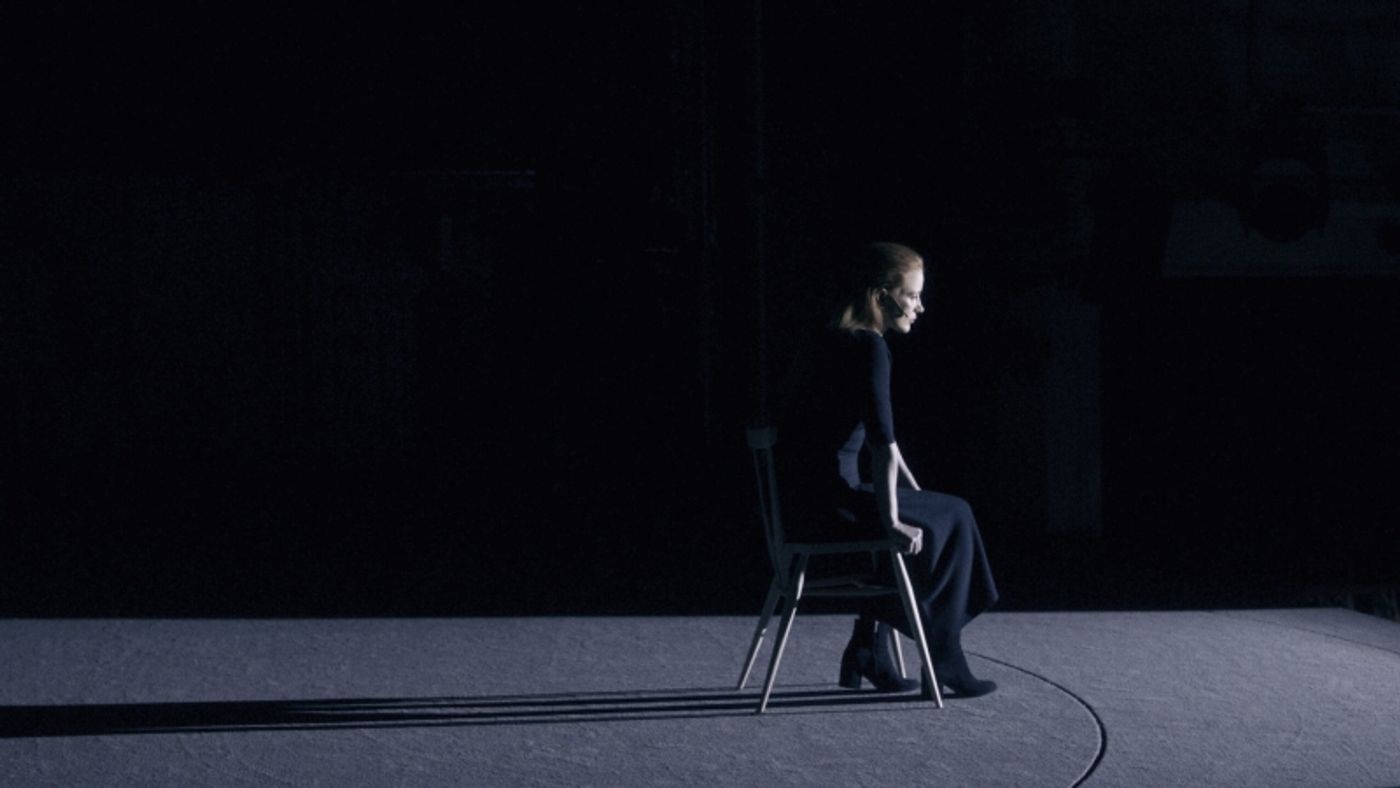
Henrik Ibsen’s A Doll’s House premiered in 1879 in Copenhagen and made its way to New York a decade later. The revolutionary play about Nora, a wife and mother who feels stifled in her conventional life and chooses to find herself by leaving, has had echoes heard across generations. The play itself has been revived on Broadway many times, most recently in 2023 starring Jessica Chastain. It inspired a 1982 Broadway musical adaptation called A Doll’s Life with book and lyrics by Betty Comden and Adolph Green and music by Larry Grossman, and a sequel of sorts called A Doll’s House, Part 2, by Lucas Hnath which premiered on Broadway in 2017.
Edith Wharton’s 1905 novel The House of Mirth became a play of the same name only a year after the novel was published, written by Wharton along with Clyde Fitch. The now classic commentary on societal expectations of women of means had only one short run on Broadway, but the book has stayed relevant for generations.
A huge step forward for stage dramatization of the feminist movement came in 1916 with Susan Glaspell’s play Trifles. Trifles is centered around the legal system, specifically a trial for murder. When the input of female characters is consistently dismissed, the women of the play band together to protect the guilty party and thus reclaim their power. Based on a true story, Trifles is explicitly feminist and dramatized how women are not only trapped in domestic roles in daily life but also made helpless when larger events occur.
The canonical Medea by Euripides was first performed in Greece in 431 BC. Even then, feminist elements were at play on stage, even if they might not have been defined in those words at the time. Based on a myth, the story of a woman who seeks revenge on her unfaithful husband by the most painful means possible has become an academic staple. The first major modern production of Medea in New York premiered in 1920, and Heywood Broun declared in the New York Tribune that “Medea is entirely up to date in her feminism”. The story has since been seen seven other times on Broadway including a hit 1947 production starring Judith Anderson and a 2002 bow starring Fiona Shaw. As a stage role, Medea has won the Tony Award for more actresses than any other theatrical character.
The aptly titled The Women was a 1936 play by the pioneering Clare Booth Luce which featured an all-female cast. Exploring matters important to a varied group of women, the show was a smash hit on Broadway, running for 657 performances.
One reason that plays at the forefront of a social movement like feminism are often considered dated is that movements move—in other words, they of course evolve more significantly than the more stable aspects of society. The Women, which showed women reclaiming their power in various ways, could be considered archaic by today’s standards, since feminism has changed so much in the decades since. This issue has sometimes caused important feminist work and valuable work by women overall to not be revived, since it speaks to a different moment in a crusade that’s deemed not relatable to today’s audience.
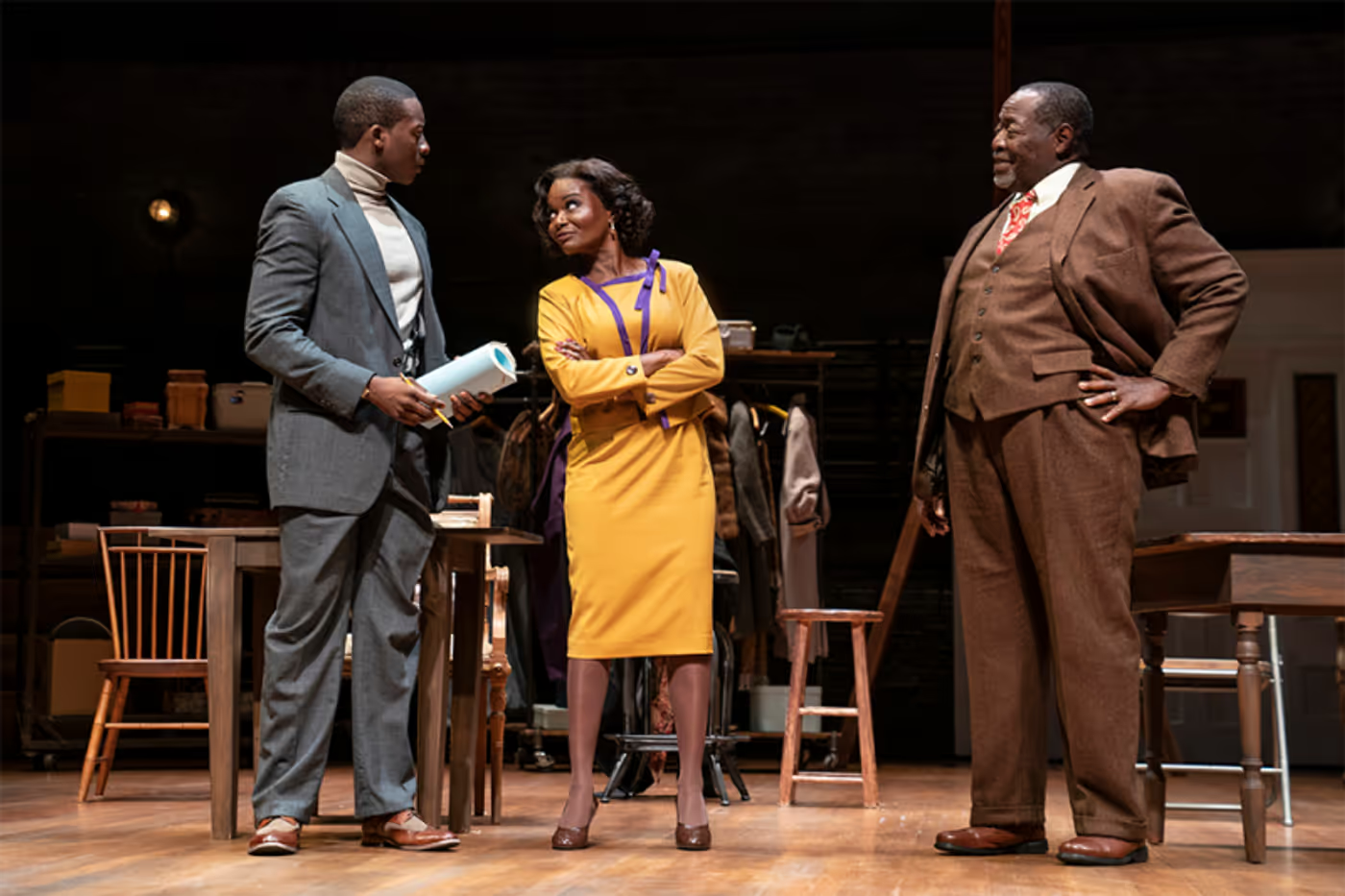
Thankfully Roundabout is one of the theater companies that has answered the call to increasingly revive important feminist work even if it explicitly speaks to a different time. The Women was one of their first productions at the Todd Haimes Theatre after reopening it in 2000 as the American Airlines and in 2021, they revived the feminist work Trouble in Mind by Alice Childress. Trouble in Mind originally premiered in 1955 and revolves around a Black actress contending with sexism and racism during rehearsal for a Broadway play where white creatives are in charge. Parallels to the struggles of today can certainly be found in this play which shows where the theatre has been in its treatment of women and artists of color from the perspective of a Black female playwright.
A very different play with a feminist slant premiered later that decade, originally in Switzerland in German, before a successful Broadway bow. This was The Visit by Friedrich Dürrenmatt. The original run starred Alfred Lunt and Lynn Fontanne and premiered at the Lunt-Fontanne Theatre; The Visit has since been revived twice on Broadway as well as turned into a musical in 2015 starring Chita Rivera and Roger Rees with a Kander and Ebb score and Terrence McNally book. Its story tells of a wealthy older woman who returns to a small town to seek revenge on a man who betrayed her and makes the entire community complicit in seeking that revenge.
A number of feminist plays dramatize the theme of women seeking to reclaim control over their deferred passions. Another is The House Bernarda Alba (1973) by Federico García Lorca. Like The Visit, Bernarda Alba first premiered internationally, this time in Argentina, and also like The Visit, the play was later adapted into a musical, this time written by Michael John LaChiusa. This time, a matriarch who has already kept her daughters from the world shuts them off further in order to mourn for her second husband. Men are at the center of the story but never seen on stage as the daughters struggle against their mother’s domination.
Three feminist plays of the 1970s took a different direction in applying themes of feminism. Premiering squarely within the second-wave feminist movement, For Colored Girls Who Have Considered Suicide/ When The Rainbow is Enuf (1975) by Ntozake Shange, Uncommon Women and Others (1977) by Wendy Wasserstein and Fefu and Her Friends (1977) by María Irene Fornés all took a contemporary approach to the varied aspects of life important to their female characters. All three playwrights fought for equal opportunities for women within the framework of the stories they told in these works and in their other plays. In fact, Wendy Wasserstein’s 1989 seminal work The Heidi Chronicles became the first explicitly feminist play to win the Pulitzer Prize for Drama. The 1980s also brought us Caryl Churchill’s Top Girls (1982), which explored second wave feminism, including women’s place in capitalist society, from a British perspective.
The formula for off-Broadway female-centered episodic work was revolutionized in 1996 by Eve Ensler’s The Vagina Monologues. The exploration of a number of issues affecting modern women and their bodies was given voice by a diverse group of women, following hundreds of interviews with women conducted by Ensler. The Vagina Monologues made space for future pieces like Love, Loss, and What I Wore (2009) that brought to light universal experiences and how women have moved through them with strength, humor, and insight.
With her talent and unique style, Nora Ephron was the voice of a generation of women; both her explicitly feminist works and her other projects have affected multiple generations. One of these was Imaginary Friends (2002), her first stage play, which was about the rivalry between writers Mary McCarthy and Lillian Hellman. In showing how these two pioneering women were at the forefront of political discourse and bringing to life their fictionalized feud, Ephron passed the Bechdel test with flying colors even before it was majorly popularized. (Alison Bechdel, whose graphic novel was later adapted into the musical Fun Home, invented this test regarding female representation; do two women discuss something other than a man?)
Intimate Apparel by Lynn Nottage premiered off-Broadway in 2004; in 2020, she adapted her play into an opera as well. The story of a young Black woman making her own way in the first decade of the 20th century in New York puts on display how women fought for their dreams and opportunities in a different era. Later in the decade, Sarah Ruhl dramatized this in her own way with her In The Next Room (or the Vibrator Play) (2009), which explored how female sexuality was treated in the 1880s.
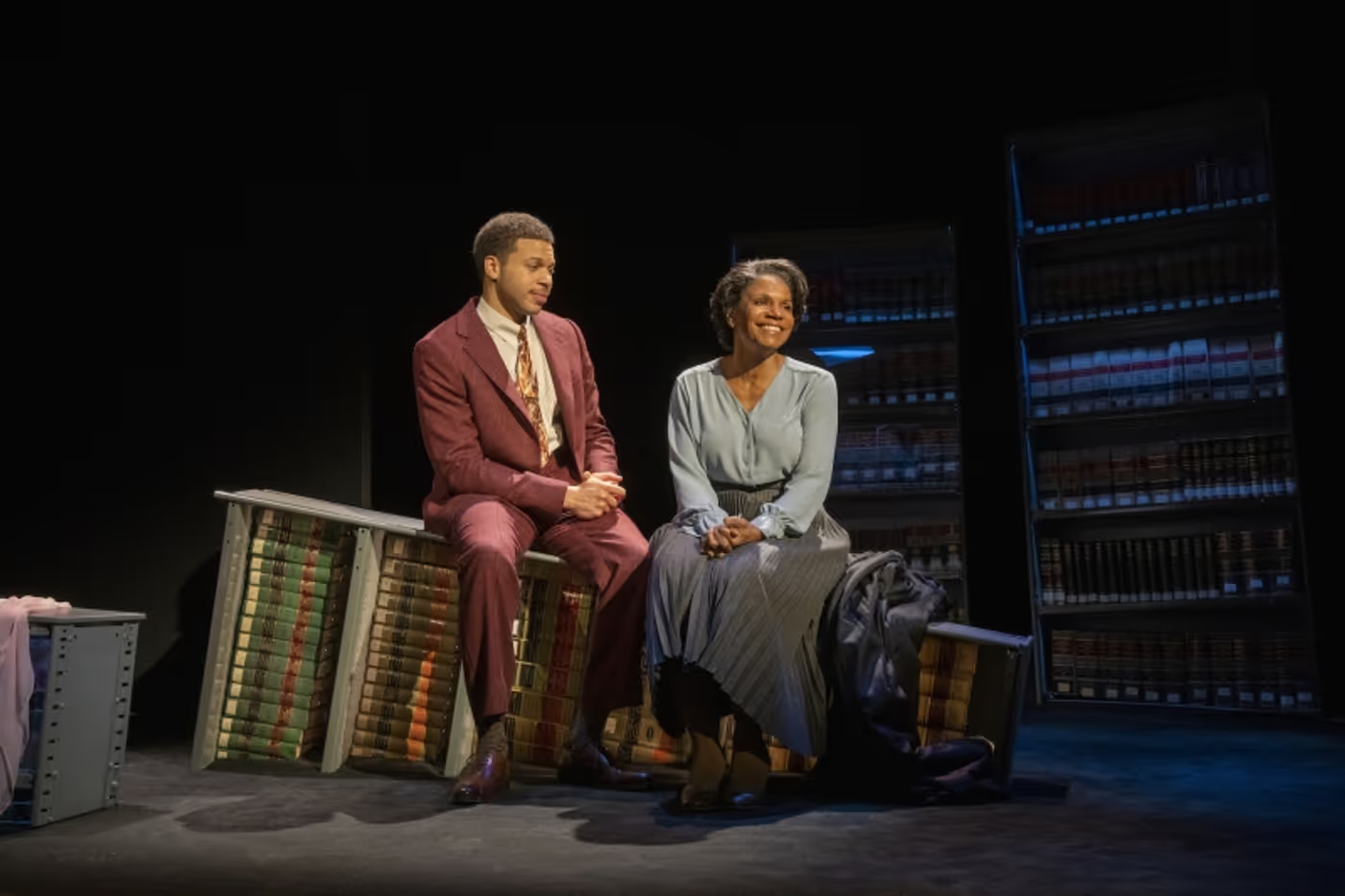
The prolific playwright Adrienne Kennedy counts many feminist works in her oeuvre; one important one is Ohio State Murders which she wrote in 1992 and which made it to Broadway in 2022. This marked the long-awaited Broadway debut for Kennedy; like many female playwrights, Kennedy had her work often produced at smaller and less commercial spaces off and off-off Broadway and regionally, part of a problematic overall pattern about which voices are given opportunities and where.
The 2010s gave rise to more works involving aspects of feminism on and off Broadway than ever before, as women and their lives were given an increasing amount of space. These works included Rapture, Blister Burn (2012) by Gina Gionfriddo, The Wolves (2016) by Sarah DeLappe, Indecent (2016) by Paula Vogel, School Girls; Or The African Mean Girls Play (2017) by Jocelyn Bioh, Gloria: A Life (2018) by Emily Mann, Toni Stone (2019) by Lydia R. Diamond, and What The Constitution Means to Me (2019) by Heidi Schreck.
Most recently, John Proctor is the Villain (2025) by Kimberly Belflower made immense waves on Broadway with its story of young women speaking up against the actions of men in their small town. John Proctor is the Villain and now Liberation have joined the canon of important works involving feminism that fight for women’s voices to be heard and their opportunities for equality to be prioritized.

BroadwayWorld Merch
Shirts, mugs, phone cases & more



|
Powered by

|






Comments
To post a comment, you must register and login.