


Student Blog: The Spaces Women Built
Women’s History Month has always made me slow down a little.

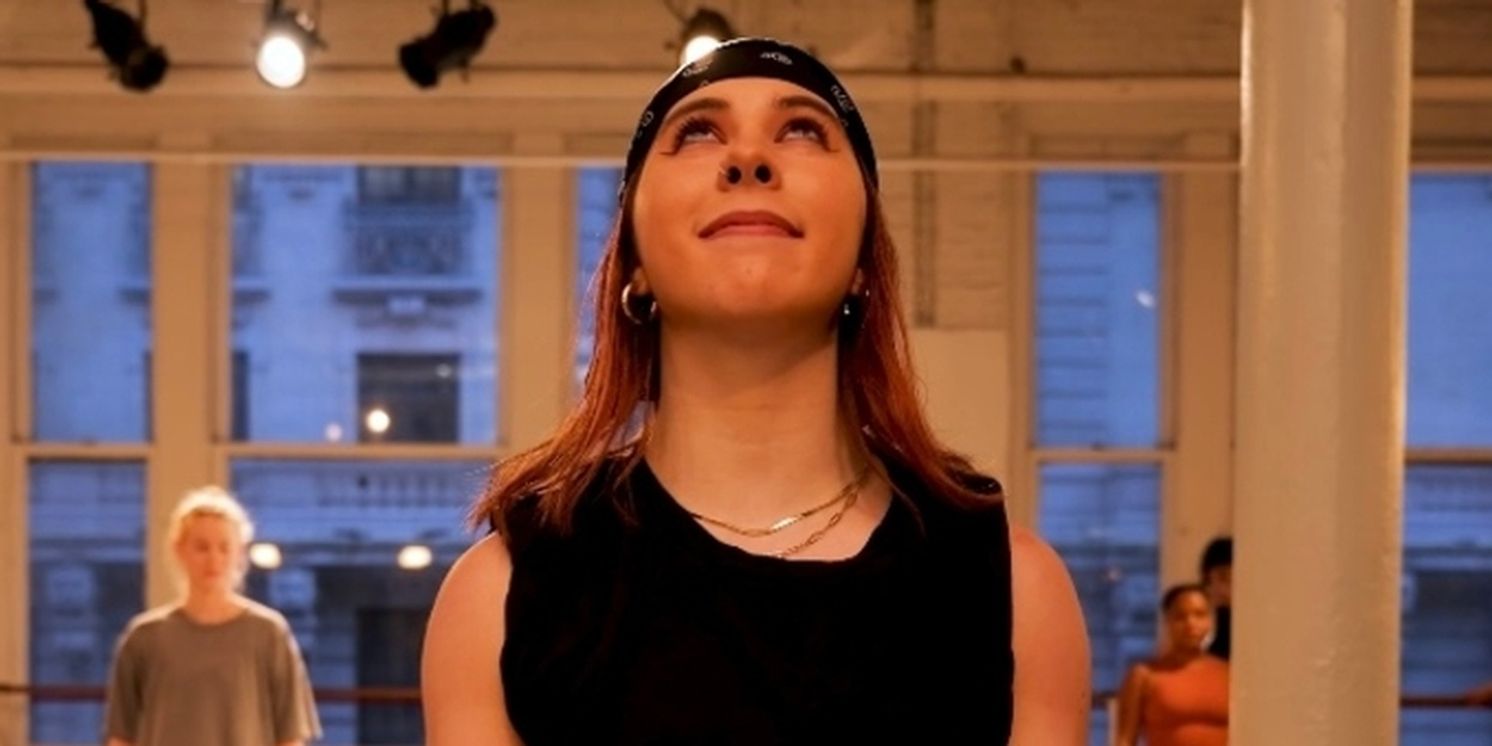
Women’s History Month has always made me slow down a little. Women’s History Month always makes me pause and think about how much of the world we move through today was shaped by the choices, persistence, and courage of women who came long before us. So much of what feels normal now only exists because women before us chose to keep asking questions, keep working, and keep pushing forward even when recognition didn’t come immediately. History often highlights the loudest breakthroughs and the names that eventually make their way into textbooks, but progress rarely happens that cleanly. More often it builds slowly through people who take their work seriously and trust that it matters, even when the impact of that work takes time to be fully understood.
For me, that awareness started early. From a young age, I found myself drawn to conversations about women’s empowerment, even before I fully understood what that phrase meant. I just remember noticing things. I noticed how often girls were expected to make themselves smaller or more agreeable. I noticed how certain forms of strength were praised in some people but questioned in others. Like many young girls, there were moments when I felt voiceless, unsure of where I fit within those expectations or how much space I was allowed to take up. Dance, which has been such a central part of my life, made those questions even more present. The performing arts can be incredibly empowering, but they also exist within a culture that often places a lot of attention on appearance. I remember wrestling with ideas about what my body was supposed to look like as a dancer. I loved feeling strong. I loved the power that came from movement, from building muscle, from realizing what my body was capable of doing. But at the same time, there were moments where I questioned whether that strength fit within the image people expected to see. Wanting to be muscular, wanting to feel powerful in my body, sometimes felt like it conflicted with narrow ideas of what femininity was supposed to look like.
Looking back now, I realize how many women before me had already been challenging those ideas in their own ways. Across so many fields, women have expanded what strength, leadership, and creativity can look like.
Marie Curie continued pursuing scientific research when few women were allowed in those spaces, eventually transforming the way we understand radiation and medicine. Maya Angelou used writing to express experiences and histories that had often been ignored or misunderstood, reminding readers that storytelling itself can reshape how people understand the world. Ruth Bader Ginsburg approached the law with patience and strategy, gradually shifting how gender equality was interpreted within the legal system. Jane Goodall reshaped how scientists study the natural world through years of patient, careful observation and a deep respect for the animals she studied.
None of these women set out trying to become well-known figures. They were focused on the work itself. Over time, that commitment reshaped the possibilities for the people who followed them. The arts have always developed alongside those kinds of changes. Theatre, dance, and music reflect the culture that surrounds them. The stories we see on stage are rarely separate from the conversations happening in the world outside the theatre. As society evolves, the performing arts evolve too.
Women have been shaping that evolution for a long time.
One person I often think about is Agnes De Mille. When Oklahoma! opened on Broadway in 1943, the way choreography functioned in a musical changed. Dance was no longer just something entertaining that happened between scenes. The dream ballet became an integral part of the story. It revealed what a character was feeling internally in a way words alone could not fully capture. That idea feels completely natural now, but someone had to believe it could work before it became standard. De Mille helped prove that movement could carry narrative weight. Lorraine Hansberry changed the stage in another way when A Raisin in the Sun premiered on Broadway in 1959. The play centered on a Black family navigating hope, frustration, and dignity in everyday life. Hansberry trusted audiences to sit with complexity rather than simplifying the story. By doing so, she expanded what people expected theatre could hold.
Movement in dance was also evolving through artists like Martha Graham, who built an entirely new language of modern dance based on contraction and release. Her work explored emotional depth through the body itself, using movement to express feelings that words alone could not fully capture. Later, choreographers like Twyla Tharp continued pushing boundaries by blending classical technique with experimentation, showing that tradition and innovation could exist side by side.
And then there are the performers.
Julie Andrews is often remembered for the beauty and clarity of her voice, but what stands out just as much is the discipline behind it. In theatre, showing up night after night with that level of consistency creates a kind of trust within the room. Directors, fellow performers, and the entire creative team rely on that consistency. That level of discipline becomes its own kind of authority. Chita Rivera brought something different entirely. Her movement carried strength and intention, and she never tried to soften that presence to make it easier to accept. By standing fully inside her work, she expanded what audiences expected from female dancers. Artists like Audra McDonald continue that tradition today, demonstrating how technical mastery and emotional depth can work together to create performances that feel both powerful and deeply human.
But theatre is never shaped by performers alone. Every production depends on a network of people making decisions long before the audience arrives. Directors guide interpretation. Producers decide which stories receive support. Stage managers maintain the rhythm and structure of rehearsals. Company managers ensure that artists are supported both logistically and personally.
Women have played a huge role in shaping these spaces.
Directors like Susan Stroman have shown how artistic clarity and leadership can guide complex productions. Producers like Daryl Roth have invested in stories that expand representation and bring new voices into the theatrical conversation. Behind the scenes, countless women are working as stage managers, administrators, marketers, educators, and nonprofit leaders who help sustain the entire ecosystem of the performing arts. Spending time studying both performance and arts leadership has made me realize how interconnected everything in theatre really is. A beautiful performance depends on the stability of the environment surrounding it. Creativity doesn’t appear out of nowhere. It grows inside spaces where artists feel supported enough to take risks.
Women have played a meaningful role in shaping those environments.
Sometimes the spaces that influence an industry begin in ways that seem small. I often think back to when I started a Women’s Empowerment Club in high school. At the time it felt like creating a space where people could openly talk about confidence, ambition, and the expectations placed around them. Looking back now, I realize how important spaces like that can be. When people feel supported, they begin to imagine possibilities that once felt distant. They begin to see leadership as something they are allowed to step into.
Women in the performing arts have been building spaces like that for generations. Some grow into theatre companies, mentorship programs, or nonprofit organizations that support artists throughout their careers, while others remain smaller communities where artists encourage one another to keep pursuing the work.
Women’s History Month is not just about celebrating a few well-known names. It is about recognizing the long chain of women whose work shaped the spaces we now step into. Every rehearsal room, stage, and creative collaboration today carries the influence of those who came before it, and the performing arts will continue evolving as new artists bring their own ideas and perspectives into the work.
And in many ways, that is the real legacy of women in the arts. Not only the performances or productions audiences remember, but the doors that were opened, the expectations that were expanded, and the spaces that became possible because someone believed the work was worth doing.
Videos