


Interview: Carrie-Ann Matheson of Merola Opera Program's 2025 SUMMER FESTIVAL
Matheson and her team have put together a series of performances over the summer that promise to bring joy to audiences
San Francisco’s Merola Opera Program has long been more than just a training ground for singers, pianists and directors. It is also one of the jewels of the Bay Area’s performing arts scene in its own right, offering audiences the opportunity to experience talented artists still in their formative years. Previous alums include scores of luminaries such as Joyce DiDonato, Susan Graham and Thomas Hampson. It’s too soon to know if anyone in this year’s class is a star-to-be, but any Merola performance guarantees top-notch musicmaking, and the 2025 Merola Summer Festival program looks to be especially enticing.
The festival starts June 26th with a vocal/piano recital called “A Grand Night for Singing: An American Songfest,” the title being an allusion to the Rodgers and Hammerstein song from State Fair. The program takes a broad view of the term “American song,” including selections from Broadway’s golden age as well as more recent musicals, plus spirituals, jazz and classical pieces. The festival continues in July with “It’s Complicated: Love & Opera” an evening of semi-staged scenes from opera classics, followed by a fully-staged production of Rossini’s fizzy comic opera “Le Comte Ory.” It concludes on August 16th with the “Merola Grand Finale” that will give each of this year’s 28 artists a chance to shine.
I recently caught up with Carrie-Ann Matheson, Artistic Director of the San Francisco Opera Center and Merola Opera Program, who is in charge of the festival. Matheson is enjoying an incredibly ambitious, multi-faceted career that also includes performing in collaboration with some of the top singers in the world as recital pianist and conducting at prominent opera houses both here in the U.S. and abroad.
I found Matheson to be delightfully chatty and down to earth, one of those people who makes classical music eminently accessible and just plain fun. We talked about why she decided to focus on the concept of joy for this festival, how she went about putting it together, what it’s like to perform onstage in recital with famous divas, why she hopes Merola alum come away with more than just improved technique, and her thoughts on where we’re at in terms of gender parity in the field of opera leadership. The following conversation has been edited for length and clarity.
What was your thinking behind the concept for this year’s Merola Summer Festival?
The word “joy” kept coming into my mind. We wanted our festival to be a respite, so we wanted to find joy in the music making and in the collaboration.
How are you defining “American song” for the Grand Night for Singing program?
[Curator] Ronny Michael Greenberg and I talked a lot about that. We encompass classical song through the golden age, standards, jazz, Broadway, all the great things that come under the umbrella of American song. We go from Cole Porter, Bart Howard, spirituals, Gene Scheer, Irving Berlin, Leslie Adams, through The Color Purple, Andrew Lippa’s Wild Party, movie musicals [etc.]. Our guiding force is an evening of celebration, and we’re doing Rodgers and Hammerstein’s “A Grand Night for Singing” so obviously we open with that.
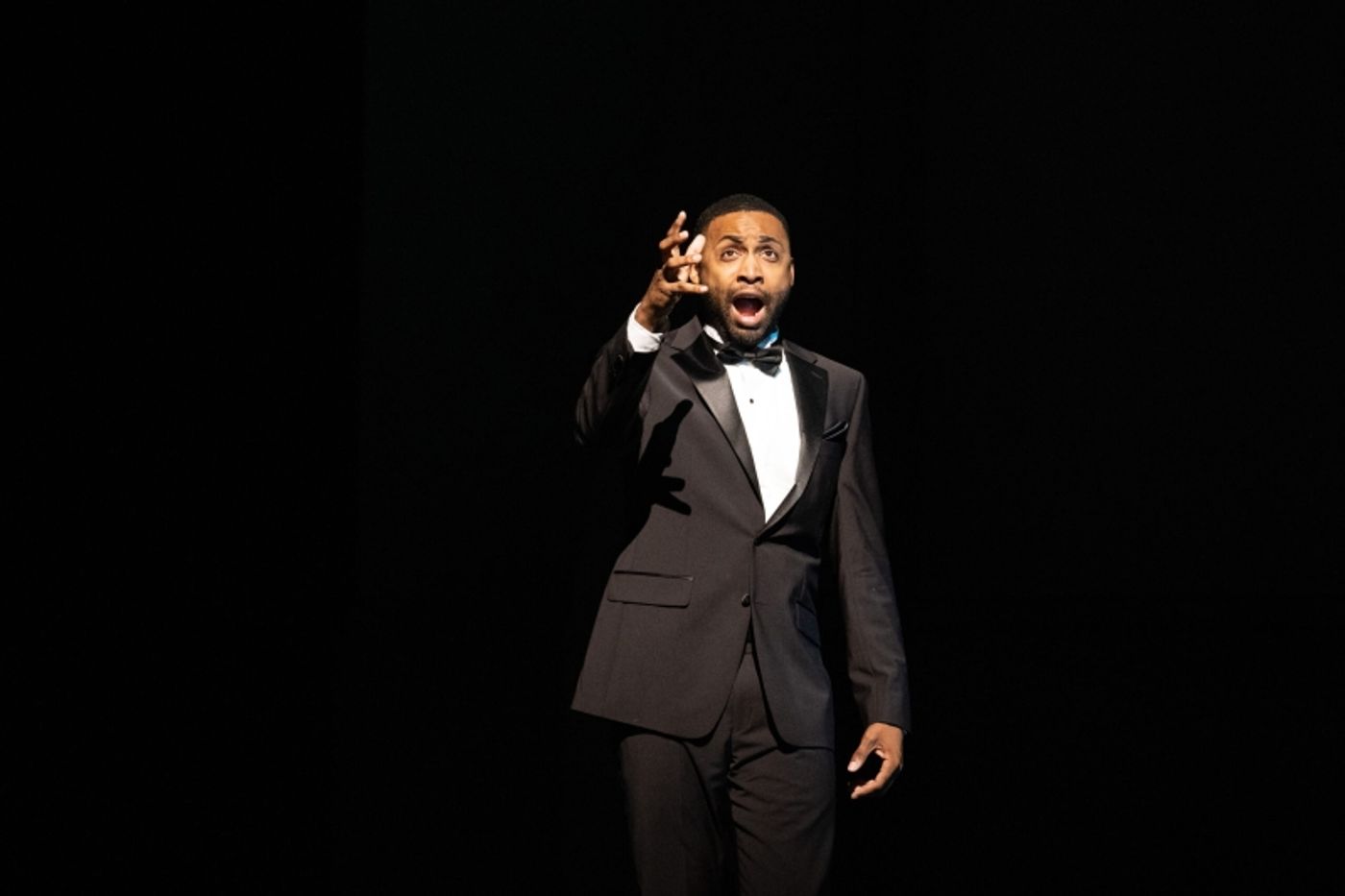
(photo by Kristen Loken)
You’re also presenting a fully-staged production of Rossini’s Le Comte Ory by Rossini. Do you have any thoughts as to why this comic opera isn’t part of the standard repertoire?
Well, it kind of is. I got to know it when I was on staff at the Met. They did a wonderful production directed by Bart Sher, and that was such a joy-filled experience. It’s a light, irreverent comedy, and I think we need that right now. As to why it’s not performed more, I don’t know.
You have so many talented artists in the Merola program. How do you go about making sure the programming gives each of them a chance to shine?
It involves months of agony in my brain! [laughs] [Merola General Manager] Markus Beam and I hear between 1,300 and 1,400 applications for the summer program and each has a video attached. We split it down the middle, listen to every video, and invite between 400 and 450 to audition live, going across the country to New York, Chicago, Atlanta, Houston and San Francisco to choose the final 28. It’s a very competitive process.
Then I spend a lot of time looking at their rep lists and have them submit to me what their biggest dreams are, the scenes they wish they could do today. We look at where might those overlap with the voice types we have, but we don’t prescribe how many of which type we take each year. We need to fully cast for the opera and a full cast of covers, and start from there. We look at who are the artists that most intrigue us and give them something they can really sink their teeth into.
Between the opera and the scenes program, everyone will get something that features them. If someone has less to do in the scenes program, then I’ll give them more responsibility in the recital. It requires months and months of planning to make sure everyone is well taken care of. Then the Grand Finale is another puzzle to make sure all 28 have their moment to shine.
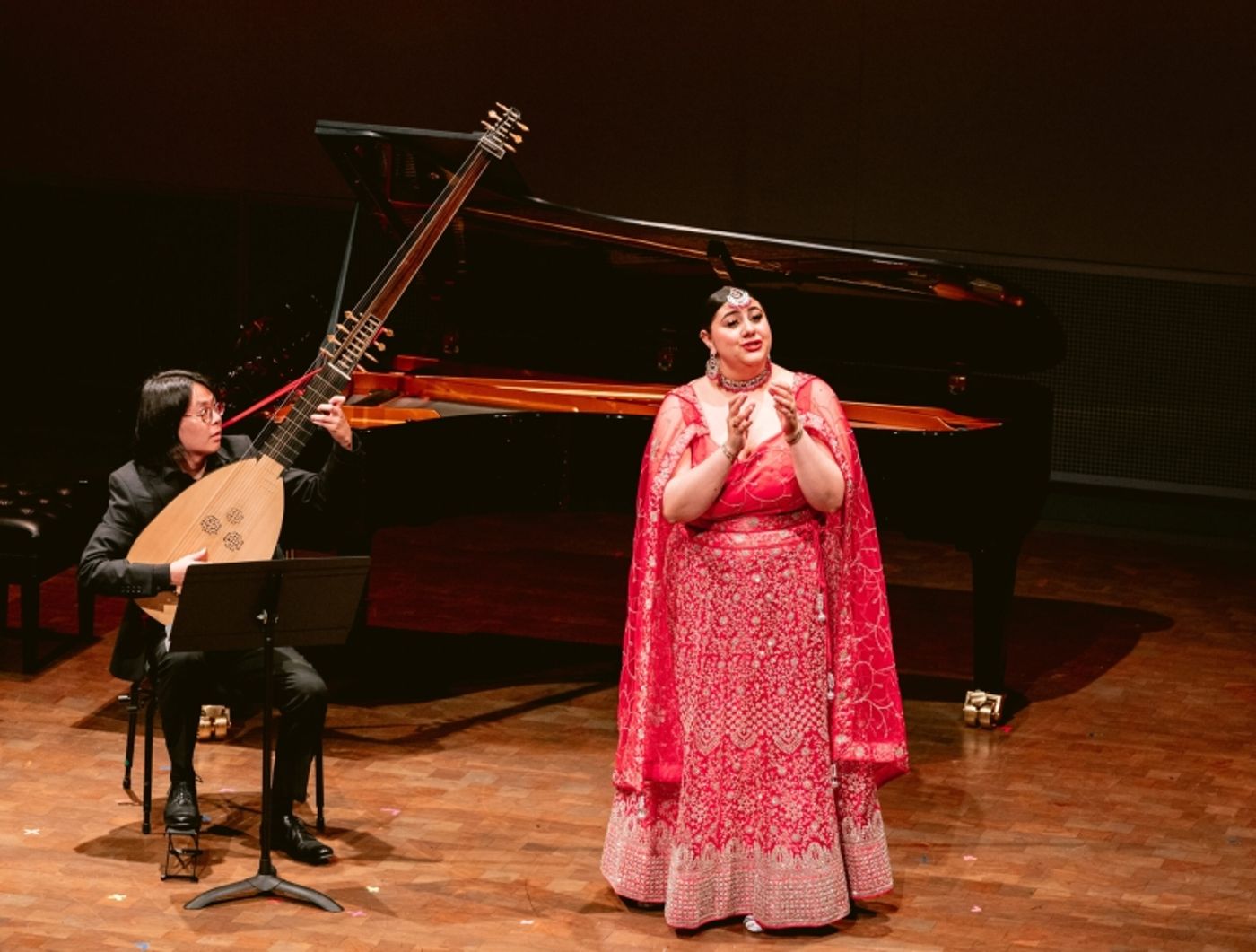
(photo by Kristen Loken)
I don’t know that there have ever been “flush" times for the classical arts, but they do seem to be in a particularly precarious position ever since COVID. As Artistic Director of the San Francisco Opera Center and Merola Opera Program, what do you currently see as your biggest challenge?
It’s not so much a challenge, but a duty and responsibility we have as leaders who train young artists is to introduce them to tools that allow them to plant their feet on the ground in the middle of the storm that surrounds them. At Merola, we have a more holistic view of what is essential for being a really wonderful artist. Equally important to us is that they receive grounding in how to function in the real world – how are you going to cover rent, financial wellness, etc. We help these young musicians learn to be true leaders in their own lives and the communities they’re part of. I think that’s our most important duty right now, and that’s a challenge when the world is in such pain. What the arts do is so essential. We give the audience a respite, we allow them to come into our space and feel things.
Since you keep referencing this word, what part of your job gives you the most joy?
I think it’s always gonna be when the light bulb goes on with a young musician, when they conquer a skill they’ve been working on and suddenly it works. I get full-body chills, which happens all the time. Watching people step into their own greatness brings me so much joy.
You are also in demand as a recital pianist for some of my favorite singers like Rolando Villazon and Joyce DiDonato. That calls for forging such an intimate onstage partnership with the singer, yet the pianist is not the person most people have come to hear. How do you see the role?
We’re equal partners onstage in the musicmaking. The singer is the one who sells the tickets, but the partnership is absolutely 50-50. The singers I work with are so collaborative that it’s never a singer-accompanist situation. It’s how do we bring this together to make this the most special experience for those who came to see us. By and large now, I think the tide is starting to turn so that we’re seen as full collaborators, but it wasn’t always that way.
You’re an opera conductor as well. As evidenced by San Francisco Opera bringing on Eun Sun Kim as its first female music director a few years back, it feels like women have been making significant strides toward gender parity in the field of conducting, though I’m not sure we’re “there” yet. How would you assess where things are right now on that front?
I look forward to the day that this is not even a question, and thank you for realizing we aren’t there yet. There was a time when there were not women in orchestras and now there are orchestras where there are far more women than men. It’s taken a long time, but that number is shifting. I’m glad to see many women who happen to be fabulous musicians up there on the podium. May it continue to get better.
Do you have a wish list of things you’d like to bring to the Merola Summer Program in future years?
Omigod, my wish list is so deep we’d be here for another year talking about it! What I want for this program is for it to continue to be a place where people gain artistic knowledge, insight into their own abilities as artists and where young artists thrive as human beings. And part of that is the opportunity to get up onstage and perform for audiences that are so appreciative of what we do. We could do this in a bubble, but we want to be able to share with our audiences, and I want to continue to expand how we do that.
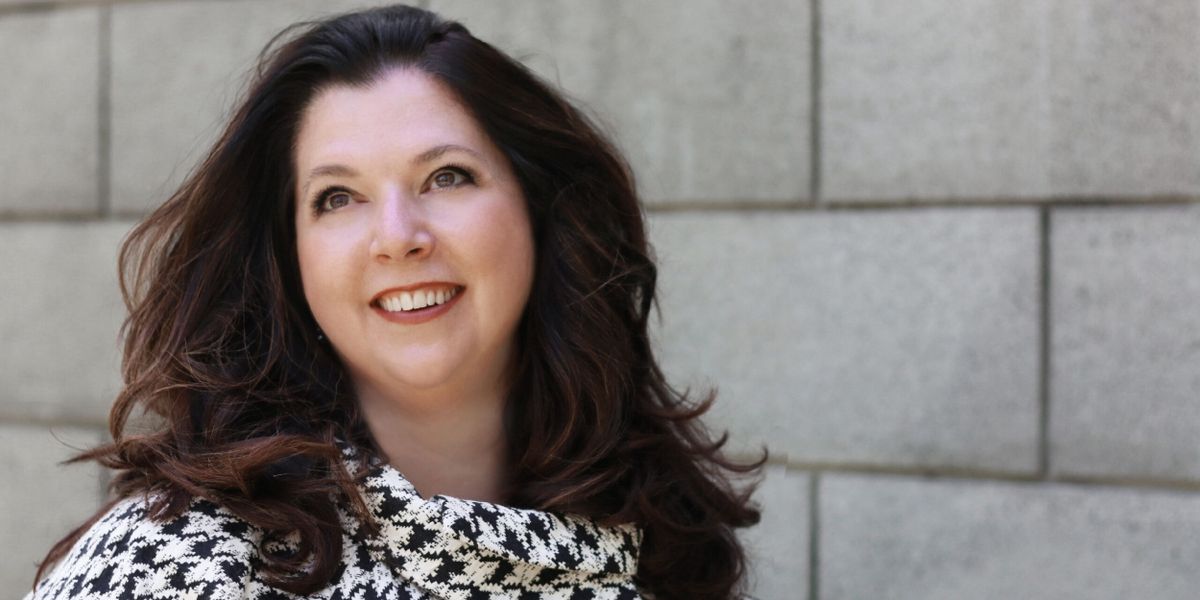
(header photo of Carrie-Ann Matheson by Olivia Kahler)
---
The 2025 Merola Summer Festival kicks off June 26 with a vocal/piano recital, “A Grand Night for Singing: An American Songfest,” an intimate evening celebrating the richness and diversity of American song. The Festival continues July 10 and 12 with the Schwabacher Summer Concert, “It’s Complicated: Love & Opera,” a semi-staged performance featuring extended scenes from operatic masterpieces by Donizetti, Puccini, and Gounod, accompanied by the San Francisco Opera Center Orchestra. On July 31 and August 2, Merola presents a fully staged production of Rossini’s seldom performed comedy, “Le Comte Ory,” brimming with Rossini’s signature wit, vocal acrobatics, and dazzling ensembles. All three performances will take place at the San Francisco Conservatory of Music’s Caroline H. Hume Concert Hall. The Festival concludes August 16 with the “Merola Grand Finale,” a spectacular staged concert celebrating opera’s rising stars at the War Memorial Opera House, showcasing the 2025 Merolini in a breathtaking program of arias and ensembles with full orchestra. Tickets can be purchased at merola.org or by calling the San Francisco Opera Box Office at 415-864-3330.
|
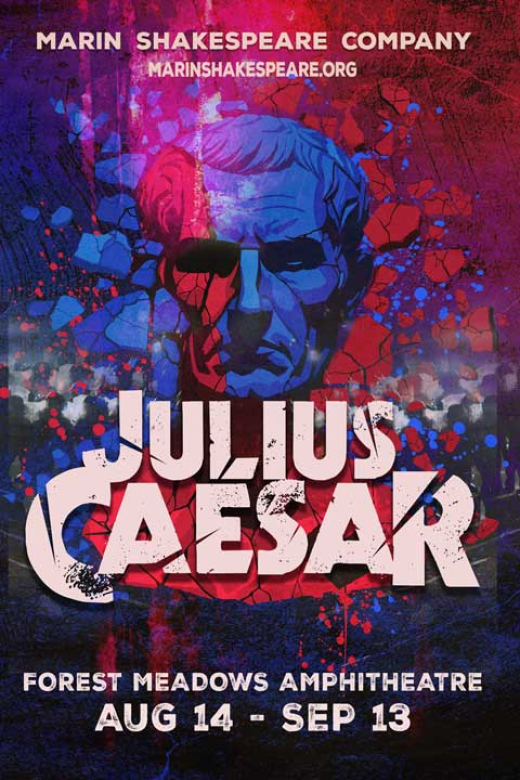
Julius Caesar Marin Shakespeare Company (8/14-9/13) |
|
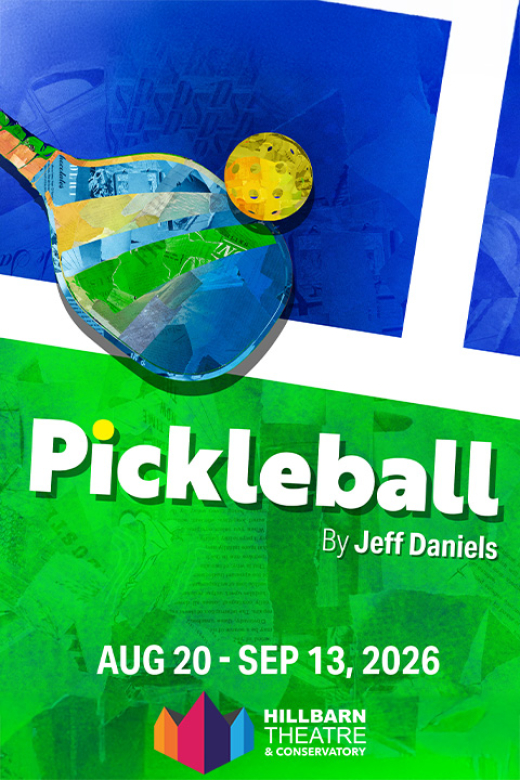
Pickleball Hillbarn Theatre (8/20-9/13) |

|
Private Lives by Noel Coward Santa Cruz Shakespeare (9/04-10/04) |
|
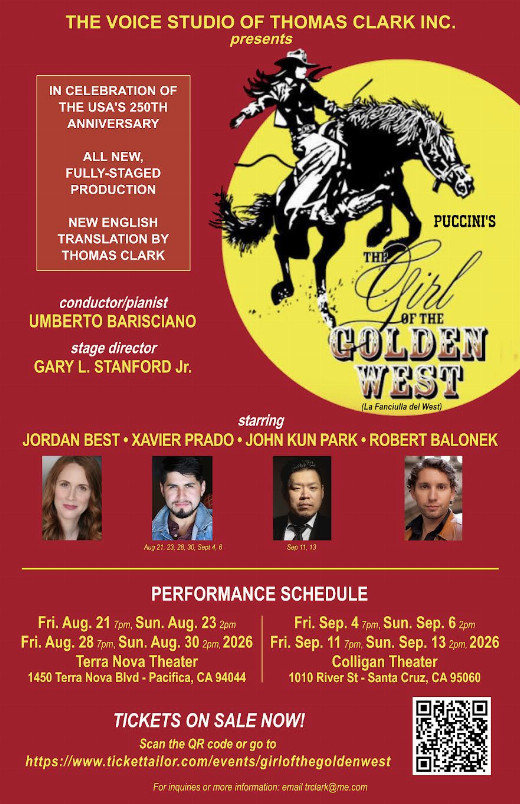
THE GIRL OF THE GOLDEN WEST Terra Nova Theater (8/23-8/30) |
|
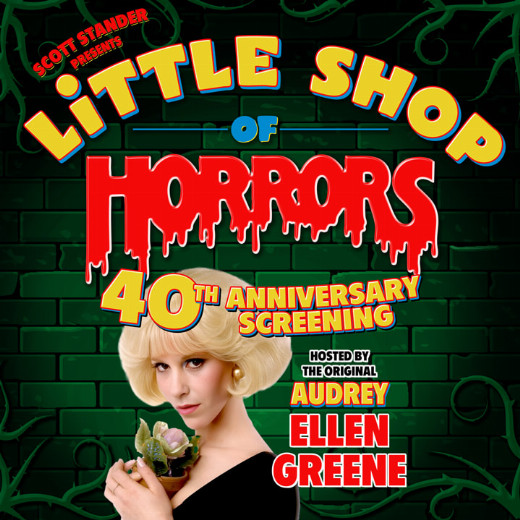
Little Shop of Horrors 40th Anniversary Tour with Ellen Greene (the Original Audrey) Curran Theatre (8/16-8/16) |
|
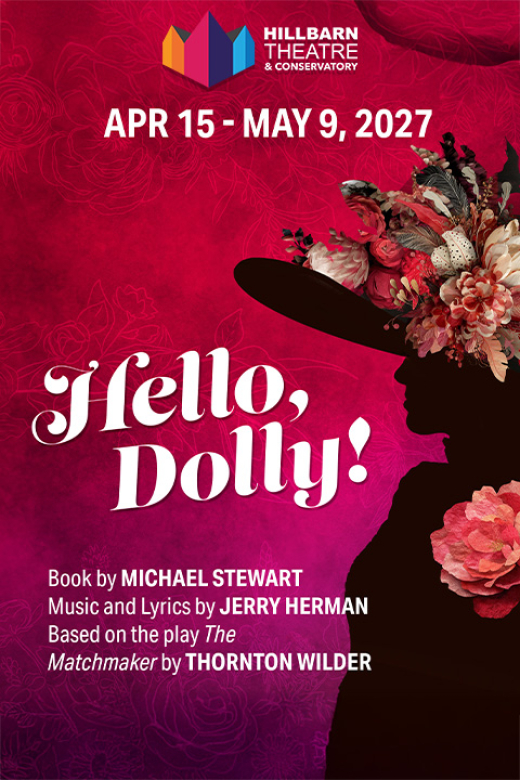
Hello, Dolly! Hillbarn Theatre (4/15-5/09) |
|
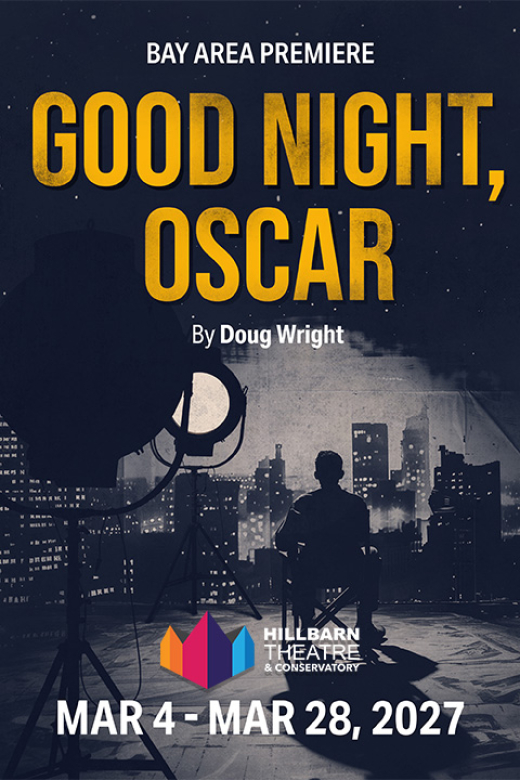
Good Night, Oscar Hillbarn Theatre (3/04-3/28) |
|
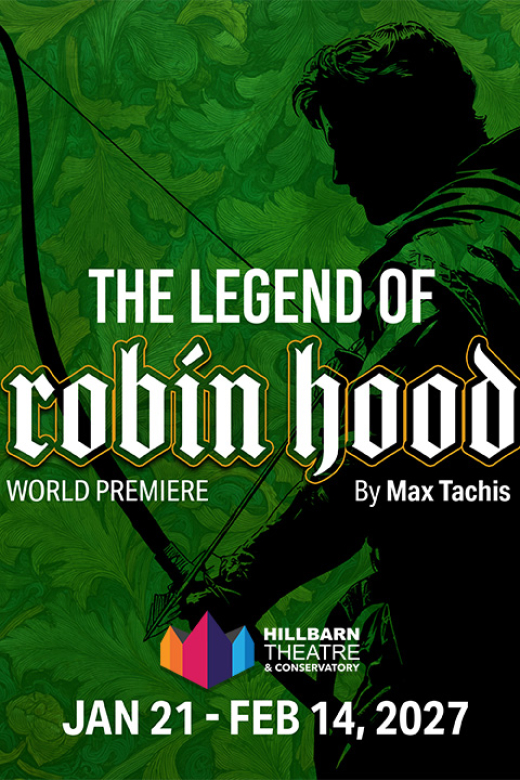
The Legend of Robin Hood Hillbarn Theatre (1/21-2/14) |
|
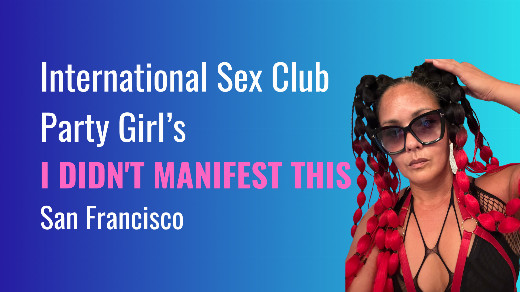
International Sex Club Party Girl’s I Didn’t Manifest This The Marsh (8/14-8/16) |

|
Dream Hou$e City Lights Theater Company (5/13-6/06) |