


A RAISIN IN THE SUN to be Presented at Middletown Arts Center
Dunbar Repertory Company's production features Octavia Harrell (Lena Younger), Damien S. Berger (Walter Lee Younger), Lucia Williams (Beneatha Younger), and more.
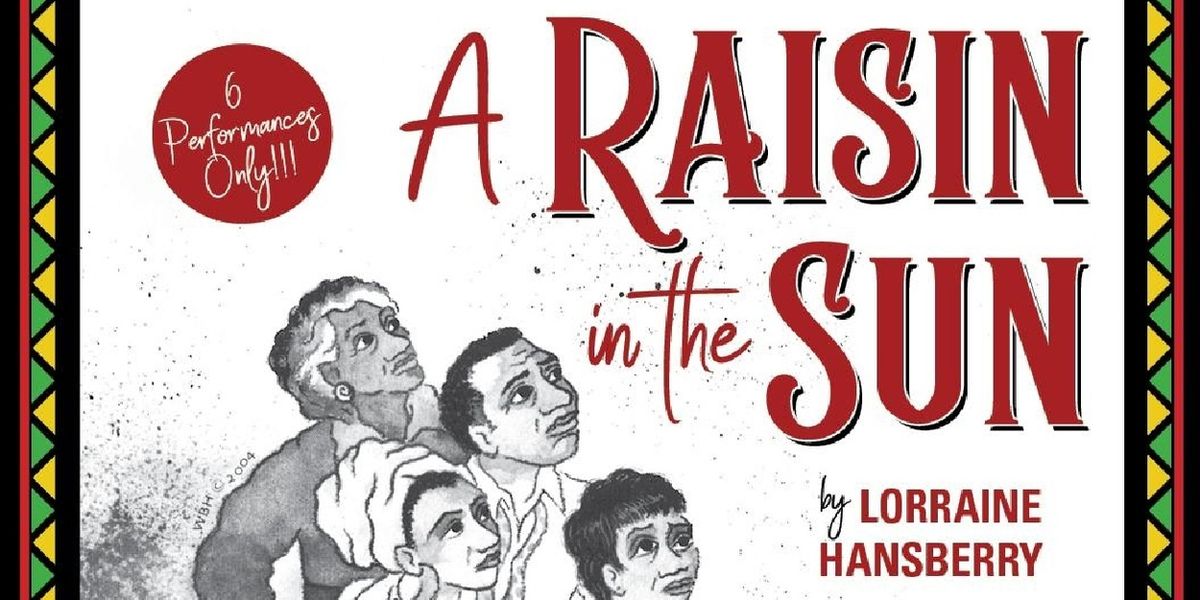
The Middletown Arts Center, in conjunction with Dunbar Repertory Company, will present the ground-breaking, American classic, A Raisin in the Sun, directed by Darrell Lawrence Willis, Sr., February 14 – 22, 2026. The landmark 1959 play by Lorraine Hansberry explores the divergent dreams and struggles of three generations of the Younger family on Chicago's South Side.
ABOUT A RAISIN IN THE SUN
Set on Chicago's South Side, Lorraine Hansberry's celebrated play concerns the divergent dreams and conflicts in three generations of the Younger family: Son Walter Lee, his wife Ruth, his sister Beneatha, his son Travis and matriarch Lena. When her deceased husband's insurance money comes through, Mama Lena dreams of moving to a new home and a better neighborhood in Chicago. Walter Lee, a chauffeur, has other plans: buying a liquor store and being his own man. Beneatha dreams of medical school. Hansberry's portrait of one family's struggle to retain dignity in a harsh and changing world is a searing and timeless document of hope and inspiration.
Dunbar Repertory Company's production features Octavia Harrell (Lena Younger), Damien S. Berger (Walter Lee Younger), Lucia Williams (Beneatha Younger), Vivette Alston (Ruth Younger), Kian Cooper (Travis Younger), Clayton Simmons (Travis Younger), Malik Abdul Khaaliq (Joseph Asagai), Mike Vails (George Murchison), Bellamy Shivers (Bobo), Martin Cordero (Bobo), Carl Hoffman (Karl Lindner), Doris Dollard (Mrs. Johnson) and Takia Clayton (Mrs. Johnson).
ABOUT Lorraine Hansberry
Lorraine Hansberry (1930–1965) was a visionary playwright, activist, and public intellectual whose work fundamentally reshaped American drama. She made history in 1959 when her seminal play, A Raisin in the Sun, premiered at the Ethel Barrymore Theatre, making her the first African American woman to have a play produced on Broadway. At age 29, she became the youngest person and the first Black playwright to win the New York Drama Critics' Circle Award for Best Play.
Born on Chicago's South Side, Hansberry was raised in a politically active household that directly confronted segregation. Her family's legal challenge against restrictive housing covenants reached the U.S. Supreme Court as Hansberry v. Lee (1940), a landmark victory that served as a central inspiration for her writing.
After attending the University of Wisconsin–Madison, Hansberry moved to New York City in 1950 to join the staff of the Pan-Africanist newspaper Freedom, where she worked alongside Paul Robeson and W.E.B. Du Bois. Throughout her career, she fearlessly advocated for racial equality, feminism, and LGBTQ+ rights, often using her platform to link global liberation movements with domestic struggles for justice.
Hansberry's second Broadway production, The Sign in Sidney Brustein's Window (1964), explored intellectualism and social commitment. Although her life was cut short by pancreatic cancer at age 34, her legacy was further cemented by posthumous works such as To Be Young, Gifted and Black and Les Blancs. Her profound commitment to justice famously inspired Nina Simone to write the anthem “To Be Young, Gifted and Black” in her honor.
Sign up for all the news on the Fall season, discounts & more...

|
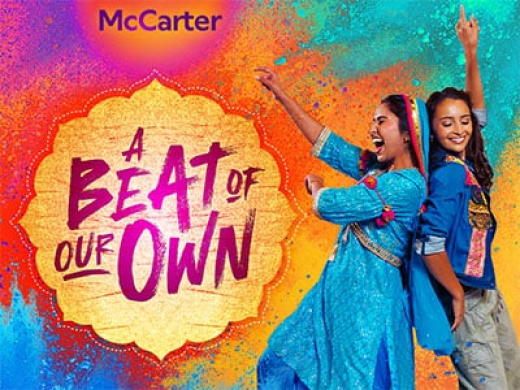
A Beat of Our Own McCarter Theatre Center (10/07-10/25) |

|
Pipeline Vanguard Theater (10/08-10/25) |
|
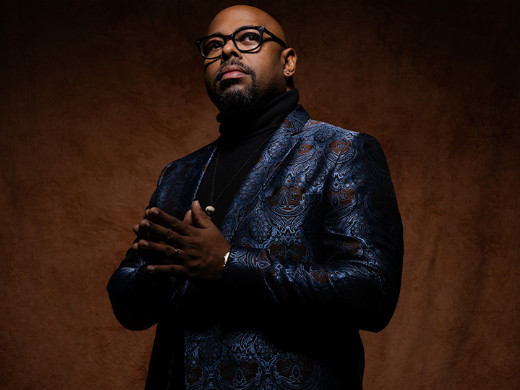
Rachmaninoff's Symphonic Dances New Jersey Performing Arts Center (11/22-11/22) |

|
Mozart-Mania! - Bay Atlantic Symphony Stockton University Performing Arts Center (11/01-11/01) |

|
Star Wars: A New Hope in Concert Count Basie Center for the Arts (5/21-5/21) |

|
Hollywood Hits: From West Side Story to Spirited Away Count Basie Center for the Arts (10/10-10/10) |
|
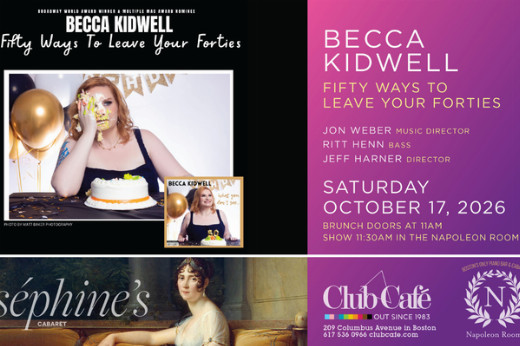
Fifty Ways To Leave Your Forties Napoleon Room at Club Cafe (10/17-10/17) |
|
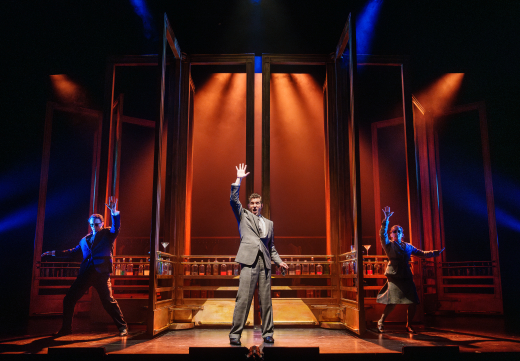
North By Northwest McCarter Theatre Center (3/10-3/21) |
|
Murder for Two: The Holiday Edition Robert Shackleton Playhouse (11/18-12/27) |
|
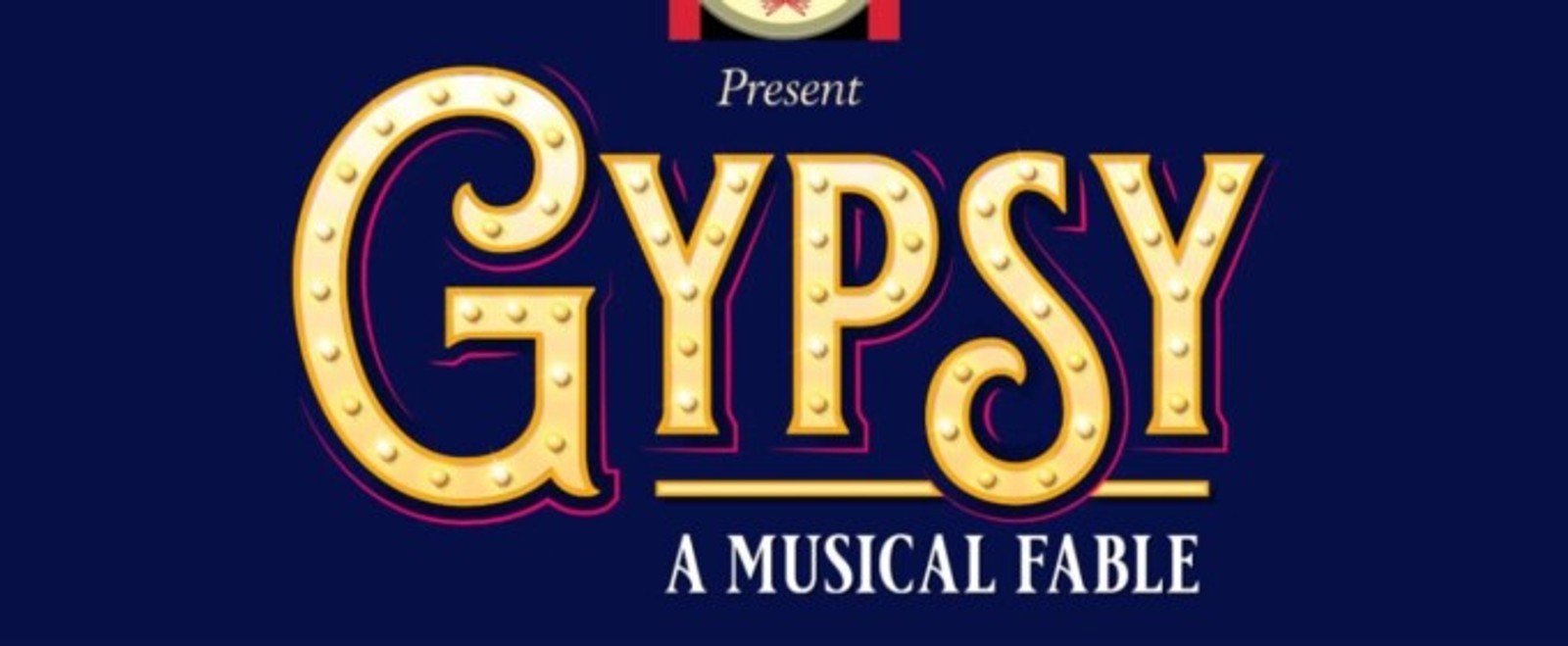
GYPSY, A Musical Fable Middletown Arts Center (10/16-10/25) |
