A musical genius, an incredible advocate for Latino rights, and a beloved voice for New York's Puerto Rican communities, Eddie Palmieri's legacy lives on in El Barrio. On July 8, the street where Palmieri grew up was officially renamed Eddie Palmieri Way, creating a lasting tribute to the Maestro and his lifelong connection to the community where he was born and raised. In this video, Eddie's daughter and El Museo board member, Gabby Palmieri, reflects on her father's extraordinary legacy, the influence of El Barrio on his life and music, and what it means to see his childhood street renamed in his honor. His music, activism, and unwavering commitment to his community will continue to inspire generations. ¡Gracias, Maestro! #eddiepalmieri #shorts #elbarrio #elmuseodelbarrio ABOUT EL MUSEO DEL BARRIO El Museo del Barrio is the nation’s leading Latinx and Latin American cultural institution. The Museum welcomes visitors of all backgrounds to discover the artistic landscape of these communities through its extensive Permanent Collection, varied exhibitions and publications, bilingual public programs, educational activities, festivals, and special events. For more information, please visit www.elmuseo.org.
El Museo del Barrio
Museum · East Harlem
Location
1230 5th Ave, New York, NY 10029 · Get Directions
El Museo del Barrio Videos
Did you know El Museo has a Permanent Collection? 'Jangueando: Recent Acquisitions, 2021–2025' offers a rare opportunity to experience some of the newest works to join our collection. Join Assistant Curator Zuna Maza for a closer look at william cordova’s "2 tienes santo pero no eres Babalawo." Explore the stories, symbolism, and layered histories behind this remarkable work, and gain deeper insight into one of the exhibition’s standout recent acquisitions. – ¿Sabías que El Museo cuenta con una Colección Permanente? Jangueando: Recent Acquisitions, 2021–2025 ofrece una oportunidad única para descubrir algunas de las obras más recientes que se han incorporado a nuestra colección. Acompaña a la Curadora Asistente Zuna Maza en un recorrido por 2 tienes santo pero no eres Babalawo, de william cordova. Descubre las historias, el simbolismo y las múltiples capas de significado que conforman esta extraordinaria obra, y conoce más de cerca una de las adquisiciones más destacadas de la exposición. ABOUT EL MUSEO DEL BARRIO El Museo del Barrio is the nation’s leading Latinx and Latin American cultural institution. The Museum welcomes visitors of all backgrounds to discover the artistic landscape of these communities through its extensive Permanent Collection, varied exhibitions and publications, bilingual public programs, educational activities, festivals, and special events. For more information, please visit www.elmuseo.org.
Meet the newest artwork on view in our courtyard! Created by Ronny Quevedo as part of The Art of the Game by ARTS 14C and the New York New Jersey 2026 World Cup Host Committee, this larger-than-life artwork draws on the artist’s family history—Quevedo's father’s experience as a soccer player and his mother’s work as a seamstress. Through mapped territories and dressmaking patterns, the piece explores movement, migration, and the many ways we carry home with us. One of just 25 on view across New York City, the sculpture is now on display in our courtyard. Stop by and see it for yourself 👋⚽️ — ¡Descubre la nueva obra de arte que se expone en nuestro patio! Creada por Ronny Quevedo como parte de la iniciativa The Art of the Game, organizada por ARTS 14C y el Comité Organizador de la Copa del Mundo de Nueva York y Nueva Jersey 2026, esta obra de arte de dimensiones gigantescas se inspira en la historia familiar del artista: la experiencia de su padre como futbolista y el trabajo de su madre como costurera. A través de mapas territoriales y patrones de costura, la obra explora el movimiento, la migración y las múltiples formas en que llevamos nuestro hogar con nosotros. Esta escultura, una de las 25 que se exponen en toda la ciudad de Nueva York, se encuentra ahora en nuestro patio. Acércate y ven a verla por ti mismo 👋⚽️ #shorts #worldcup #theartofthegame ABOUT EL MUSEO DEL BARRIO El Museo del Barrio is the nation’s leading Latinx and Latin American cultural institution. The Museum welcomes visitors of all backgrounds to discover the artistic landscape of these communities through its extensive Permanent Collection, varied exhibitions and publications, bilingual public programs, educational activities, festivals, and special events. For more information, please visit www.elmuseo.org.
Part of Frieze New York’s “In the City” program, El Museo del Barrio and Aspen Conexión convened on the growing influence of U.S.-based Latino artists and the opportunities for collecting, investment, and representation, building on the robust success of the Latin American art market. This event brought together leading museum directors, curators, collectors, artists, and philanthropic leaders, alongside emerging and established voices shaping today’s cultural economy. Through a focused, case-driven conversation, the discussion explored how the rise of the Latin American art market offers a proven blueprint for elevating U.S. Latino artists to comparable levels of visibility, institutional recognition, and mainstream demand. Framed against a global pop culture moment where Latino creatives like Bad Bunny are driving mainstream appetites, the discussion intentionally positions U.S. Latino visual artists as a new wave of creative influence in museums, galleries and collections globally, and an exciting new opportunity for art investors–expanding representation and learning from the Latin American art market case study. This program was co-hosted with Aspen Conexión, a hemispheric thought leadership platform of the Aspen Institute that advances the Hispanic community’s role in shaping U.S. innovation, cultural leadership, and cross-border economic opportunity. ABOUT EL MUSEO DEL BARRIO El Museo del Barrio is the nation’s leading Latinx and Latin American cultural institution. The Museum welcomes visitors of all backgrounds to discover the artistic landscape of these communities through its extensive Permanent Collection, varied exhibitions and publications, bilingual public programs, educational activities, festivals, and special events. For more information, please visit www.elmuseo.org.
Part of Frieze New York’s “In the City” program, El Museo del Barrio and Aspen Conexión convened on the growing influence of U.S.-based Latino artists and the opportunities for collecting, investment, and representation, building on the robust success of the Latin American art market. This event brought together leading museum directors, curators, collectors, artists, and philanthropic leaders, alongside emerging and established voices shaping today’s cultural economy. Through a focused, case-driven conversation, the discussion explored how the rise of the Latin American art market offers a proven blueprint for elevating U.S. Latino artists to comparable levels of visibility, institutional recognition, and mainstream demand. Framed against a global pop culture moment where Latino creatives like Bad Bunny are driving mainstream appetites, the discussion intentionally positions U.S. Latino visual artists as a new wave of creative influence in museums, galleries and collections globally, and an exciting new opportunity for art investors–expanding representation and learning from the Latin American art market case study. This program was co-hosted with Aspen Conexión, a hemispheric thought leadership platform of the Aspen Institute that advances the Hispanic community’s role in shaping U.S. innovation, cultural leadership, and cross-border economic opportunity. ABOUT EL MUSEO DEL BARRIO El Museo del Barrio is the nation’s leading Latinx and Latin American cultural institution. The Museum welcomes visitors of all backgrounds to discover the artistic landscape of these communities through its extensive Permanent Collection, varied exhibitions and publications, bilingual public programs, educational activities, festivals, and special events. For more information, please visit www.elmuseo.org.
Part of Frieze New York’s “In the City” program, El Museo del Barrio and Aspen Conexión convened on the growing influence of U.S.-based Latino artists and the opportunities for collecting, investment, and representation, building on the robust success of the Latin American art market. This event brought together leading museum directors, curators, collectors, artists, and philanthropic leaders, alongside emerging and established voices shaping today’s cultural economy. Through a focused, case-driven conversation, the discussion explored how the rise of the Latin American art market offers a proven blueprint for elevating U.S. Latino artists to comparable levels of visibility, institutional recognition, and mainstream demand. Framed against a global pop culture moment where Latino creatives like Bad Bunny are driving mainstream appetites, the discussion intentionally positions U.S. Latino visual artists as a new wave of creative influence in museums, galleries and collections globally, and an exciting new opportunity for art investors–expanding representation and learning from the Latin American art market case study. This program was co-hosted with Aspen Conexión, a hemispheric thought leadership platform of the Aspen Institute that advances the Hispanic community’s role in shaping U.S. innovation, cultural leadership, and cross-border economic opportunity. ABOUT EL MUSEO DEL BARRIO El Museo del Barrio is the nation’s leading Latinx and Latin American cultural institution. The Museum welcomes visitors of all backgrounds to discover the artistic landscape of these communities through its extensive Permanent Collection, varied exhibitions and publications, bilingual public programs, educational activities, festivals, and special events. For more information, please visit www.elmuseo.org.
More in East Harlem
More Museums
El Museo del Barrio News
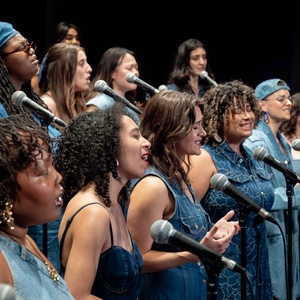
Review: New York Vocal Collective's INDIGO Soars at El Museo
New York Vocal Collective blends tight ensemble harmonies with standout solos in its INDIGO show at El Museo del Barrio, balancing precision and emotion.
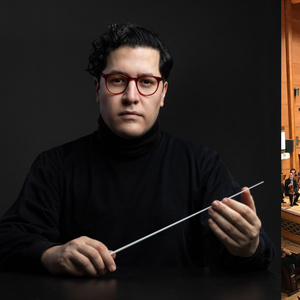
Felipe Tristán to Make Eastern European Debut with Sofia Philharmonic at Frequenza Festival
Mexican conductor Felipe Tristán will make his Sofia Philharmonic debut leading the opening gala of the Frequenza Festival in Bulgaria, joined by soloists Sergei Nakariakov, Maria Meerovitch, and Barnabás Kelemen.
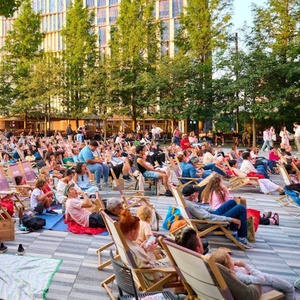
Carnegie Hall Citywide Reveals 2026–2027 Season with Free Performances Across NYC
Carnegie Hall has revealed the spring and summer schedule for Carnegie Hall Citywide, the Hall’s free concert series that brings a mix of live performances to venues throughout New York City.
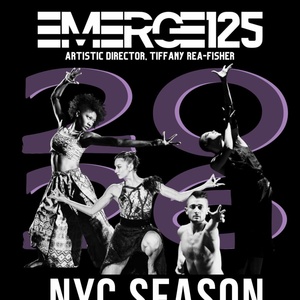
EMERGE125 Reveals 2026 Season at El Museo Del Barrio
EMERGE125, a Black, female-led Harlem dance company, will present its 2026 NYC Season at El Museo del Barrio April 30–May 2, marking 10 years under Artistic Director Tiffany Rea-Fisher with three new works.
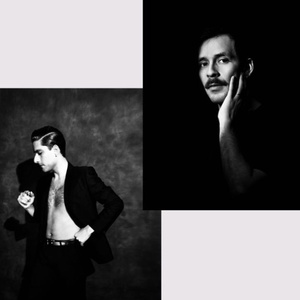
Tabula Rasa Dance Theater Will Perform UN-CHOREOGRAPHED in June
TABULA RASA DANCE THEATER will present UN-CHOREOGRAPHED on June 5 and 6, 2026, featuring four new works that explore Latine identity through diverse choreographic voices at El Museo del Barrio.
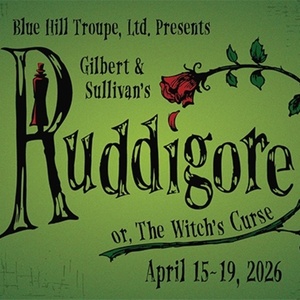
Blue Hill Troupe to Stage RUDDIGORE at El Museo del Barrio This April
The Blue Hill Troupe will conclude its 102nd season with a production of Gilbert & Sullivan's RUDDIGORE at El Teatro of El Museo del Barrio, located on New York's Upper East Side, from April 15-19, 2026. Directed by Adrienne Boris and featuring a cast of Equity actors, this operetta combines elements of musical comedy, melodrama, and romance.
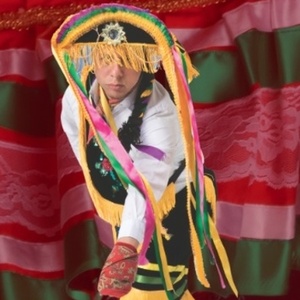
Calpulli Mexican Dance Company Will Bring ¡VIVA PUEBLA! to El Museo del Barrio
Calpulli Mexican Dance Company will present ¡Viva Puebla!, a new dance performance featuring interactive educational elements, premieres at El Museo del Barrio on May 7th with two school-time options.
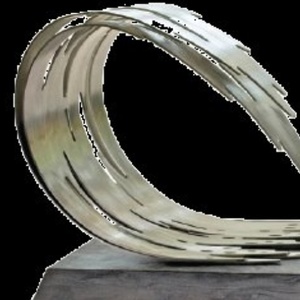
Visual Artist Charisse Pearlina Weston as the 2026 Recipient of the $35,000 Hermitage Greenfield Prize
The Hermitage Artist Retreat, in collaboration with the Philadelphia-based Greenfield Foundation, has announced visual artist Charisse Pearlina Weston as the winner of the 2026 Hermitage Greenfield Prize (HGP).
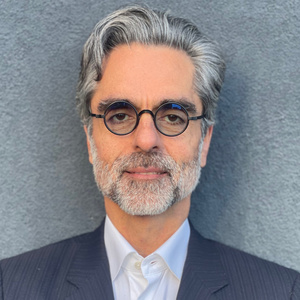
Gibney Company Appoints Kyle Bukhari as General Manager
Gibney Company has announced the appointment of Kyle Bukhari as General Manager, effective January 6, 2026. Learn more about Bukhari and the appointment here!
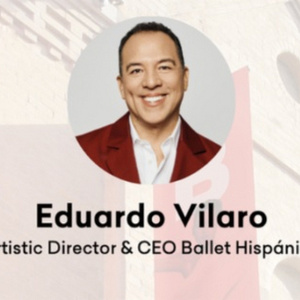
Ballet Hispánico Unveils DECEMBER DIÁLOGOS Lineup
Internationally-acclaimed Ballet Hispánico has announced the lineup for their December Diálogos, their signature conversation series led by Artistic Director & CEO Eduardo Vilaro.
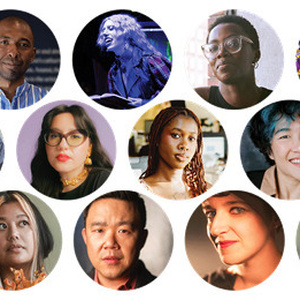
3Arts Unveils Six Recipients Of $50,000 Next Level Awards For Visual And Teaching Artists
3Arts has revealed the recipients of its 3Arts Next Level Awards—$50,000 unrestricted awards given to past 3Arts awardees—during the festive 3Arts Awards Celebration held last night at the Harris Theater for Music and Dance.

SHE LOVES ME and More Set for The Blue Hill Troupe 2025-26 Season
The Blue Hill Troupe has revealed its 2025-26 season: She Loves Me and more. See the full season lineup here and learn how to purchase tickets to the season!
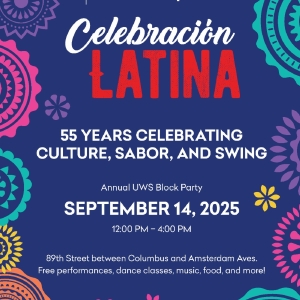
Ballet Hispánico's Celebración Latina: Family Day Block Party Returns to the Upper West Side
This month, Ballet Hispánico—America's leading Latine dance organization and a cornerstone of the Upper West Side—invites families, neighbors, and culture lovers from across the city to join an epic street party 55 years in the making.
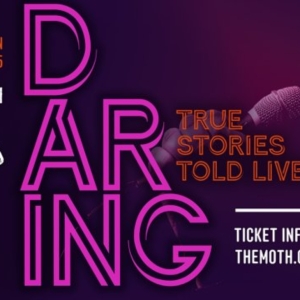
The Moth Launches Fall 2025 Mainstage Season, Dedicated to Stories of Daring
This fall, The Moth—the acclaimed global nonprofit dedicated to the art and craft of storytelling—presents a season devoted to the theme of DARING. Not the adrenaline-fueled variety, but the deeply human kind.

Ballet Hispánico's Celebración Latina: Family Day Block Party Returns to the Upper West Side
This September, Ballet Hispánico invites families, neighbors, and culture lovers from across the city to join an epic street party 55 years in the making.
El Museo del Barrio Frequently Asked Questions
- What are the closest subway stops to El Museo del Barrio?
-
The closest subway stops to El Museo del Barrio at 1230 5th Ave are:
1. 103rd Street Station: This station is served by the 6 train. It is located at Lexington Avenue and 103rd Street, just a short walk from the museum. [Click here for subway updates](http://web.mta.info/nyct/service/)
2. 110th Street Station: This station is served by the 4, 5, and 6 trains. It is located at Lexington Avenue and 110th Street, a slightly longer walk from the museum but still convenient. [Click here for subway updates](http://web.mta.info/nyct/service/)
While you're in the area, I recommend checking out some other nearby attractions and activities:
1. Central Park: Just a few blocks west of El Museo del Barrio, Central Park offers a tranquil escape from the bustling city. Take a leisurely stroll, rent a bike, or have a picnic in this iconic park. [Learn more about Central Park](https://www.centralparknyc.org/)
2. The Metropolitan Museum of Art: Located on the eastern edge of Central Park, The Met is one of the world's largest and most renowned art museums. Explore its vast collection spanning thousands of years and various cultures. [Visit The Met's official website](https://www.metmuseum.org/)
3. Museum Mile: El Museo del Barrio is part of Museum Mile, a stretch of Fifth Avenue that is home to several world-class museums. Take a walk along this cultural corridor and visit other institutions like the Guggenheim Museum and the Museum of the City of New York.
Enjoy your visit to El Museo del Barrio and the surrounding area!
- What's the best way to get to El Museo del Barrio by bus?
-
The closest NYC bus stops to El Museo del Barrio at 1230 5th Ave are:
1. Madison Ave/E 104 St: This bus stop is served by the M1, M2, M3, M4, and M106 buses. You can check for updates on bus schedules and routes on the MTA website: MTA Bus Updates.
2. 5th Ave/E 104 St: This bus stop is served by the M1, M2, M3, M4, and M106 buses. You can check for updates on bus schedules and routes on the MTA website: MTA Bus Updates.
Please note that bus schedules and routes may be subject to change, so it's always a good idea to check for updates before your visit. Enjoy your time at El Museo del Barrio!
- How much time should I plan to spend at El Museo del Barrio?
-
The ideal length of time to plan to spend at El Museo del Barrio in New York City depends on your level of interest in Latin American and Caribbean art and culture. If you're a casual visitor, you can expect to spend about 1 to 2 hours exploring the museum's exhibits and galleries. However, if you're a passionate art enthusiast or history buff, you could easily spend half a day immersing yourself in the diverse collection and engaging with the museum's educational programs.
El Museo del Barrio offers a range of exhibitions, from contemporary art to historical artifacts, so it's worth checking their website or calling ahead to see what's on display during your visit. Additionally, the museum often hosts special events, performances, and workshops, which can further enhance your experience.
Remember, while El Museo del Barrio is a gem in New York City's cultural landscape, there are countless other attractions to explore in the city. So, plan your time accordingly and make sure to leave room for other exciting activities during your visit!
- Can I bring food and drinks into El Museo del Barrio?
-
El Museo del Barrio is a renowned cultural institution located in New York City's East Harlem neighborhood. While the museum itself does not have a specific food and drink policy, it is important to note that consuming food and beverages inside the galleries is generally not allowed. This policy helps to preserve the artworks and maintain a clean and respectful environment for all visitors.
However, there are several nearby restaurants and cafes where you can enjoy a meal or grab a drink before or after your visit to the museum. East Harlem is known for its vibrant culinary scene, offering a variety of Latin American and Caribbean cuisines. You can explore local eateries such as La Fonda Boricua, El Paso Taqueria, or Patsy's Pizzeria for delicious dining options.
Remember to check the museum's website or contact them directly for any specific guidelines or updates regarding their food and drink policy. Enjoy your visit to El Museo del Barrio and the flavorful delights of East Harlem!
- Does El Museo del Barrio offer luggage storage?
-
El Museo del Barrio does not have a luggage storage facility on-site. However, there are several options available nearby for storing your luggage while you visit the museum. One option is to use a luggage storage service such as Vertoe or LuggageHero, which have multiple locations throughout the city, including near El Museo del Barrio. These services allow you to securely store your bags for a few hours or even a whole day, giving you the freedom to explore the museum and the surrounding area without the burden of carrying your luggage. Another option is to check if your hotel offers luggage storage for guests, even after check-out. Many hotels in New York City provide this service, so it's worth checking with your accommodation.
- Is El Museo del Barrio a good place to visit for foreign travelers who are not native English speakers?
-
Yes, El Museo del Barrio is definitely worth visiting for visitors from other countries and non-English language speakers. As the leading Latino and Latin American cultural institution in New York City, El Museo del Barrio offers a rich and diverse experience for all visitors.
The museum showcases a wide range of art and cultural exhibitions that explore the vibrant and complex history, heritage, and contemporary issues of Latin American and Caribbean cultures. From traditional to contemporary art, you'll find a variety of mediums including painting, sculpture, photography, and multimedia installations.
El Museo del Barrio also offers bilingual exhibitions and programs, making it accessible to non-English language speakers. Many of the exhibition descriptions and labels are available in both English and Spanish, allowing visitors to fully engage with the artwork and understand its context.
Additionally, the museum hosts events, performances, and educational programs that celebrate Latin American and Caribbean cultures. These events often feature music, dance, and other forms of artistic expression, providing an immersive and interactive experience for visitors.
Whether you're a Spanish speaker looking to connect with your cultural roots or a visitor interested in exploring the diverse art and heritage of Latin America, El Museo del Barrio is a must-visit destination in New York City.
- What ages are appropriate for El Museo del Barrio?
-
El Museo del Barrio in New York City is a vibrant cultural institution that celebrates the art and culture of Latin America and the Caribbean. While there is no strict age limit, the museum's exhibitions and programs are generally geared towards adults and older children who can appreciate and engage with the artwork and cultural context. That being said, younger children are still welcome to visit with their families and may enjoy certain aspects of the museum, such as the colorful murals and interactive installations. It's always a good idea to check the museum's website or contact them directly for any specific age recommendations or family-friendly events they may have planned during your visit.
.jpg?format=auto&width=365)