


The Rubin Museum of Himalayan Art presents a weekly meditation for beginners and skilled meditators alike. Each episode is inspired by a different work of art from the Museum’s collection and is led by a prominent meditation teacher. The episode begins with an opening talk followed by a 20-minute meditation. Teacher: Jon Aaron Theme: Impermanence Learn more about the artwork: https://rubinmuseum.org/collection/c2006-52-8 Subscribe to learn more about Himalayan Art: https://www.youtube.com/@RubinMuseum Visit our website: https://rubinmuseum.org Chapters: 00:00 - Introduction 01:37 - Art Connection 04:01 - Opening talk 09:50 - Meditation 29:51 - Outro #MindfulnessMeditation #HimalayanArt #GuidedMeditation
The Rubin Museum of Art
Museum · Chelsea
The Rubin Museum of Art, located in New York City, is a must-visit destination for tourists interested in the art and culture of the Himalayas, India, and neighboring regions. The museum's collection includes over 4,000 objects, including paintings, sculptures, textiles, and ritual objects, that span a range of time periods and geographic locations.
Visitors to the museum can expect to be transported on a journey through the history and art of the Himalayan region, with exhibits that explore themes such as religion, power, and everyday life. One of the most popular exhibits is the Tibetan Shrine Room, which is a recreation of a traditional shrine room from the 19th century.
In addition to the museum's exhibits, there are also a variety of programs and events that take place throughout the year, including concerts, lectures, and workshops. These events provide visitors with opportunities to learn more about the art and culture of the Himalayan region, and to engage with the museum's collection in new and exciting ways. The Rubin Museum of Art is a fascinating and enriching destination for tourists who are interested in exploring the art, culture, and history of the Himalayan region.
Location
150 W 17th St, New York, NY 10011 · Get Directions
The Rubin Museum of Art Videos
A mandala can feel visually complex at first, but its meaning comes into focus when you understand how the details work together. In Buddhist practice, a mandala is a geometric design used for meditation and visualization. This mandala centers on Chakrasamvara, a tantric Buddhist deity, shown with his consort Vajrayogini. Watch to learn how one mandala brings together place, practice, religious tradition, and art making in Himalayan art. #Mandala #BuddhistArt #HimalayanArt #Shorts
Kathleen Hanna—singer, writer, and frontwoman of Bikini Kill and Le Tigre—hosts AWAKEN Season 6: Wrath, a podcast from the Rubin Museum of Himalayan Art. This season explores wrath as a powerful force for awakening, transformation, and meaningful action through Buddhist and Hindu art and conversations with artists, writers, activists, Buddhist teachers, and more. The Season 6 trailer is out now wherever you get your podcasts. Episode 1 premieres October 27, 2026. Subscribe to @rubinmuseum for more Himalayan art and AWAKEN. #KathleenHanna #RiotGrrrl #AWAKENPodcast
Hosted by Kathleen Hanna, AWAKEN season 6 explores wrath as a powerful force for awakening and transformation. The season focuses on Buddhist and Hindu paintings and sculptures of wrathful deities from the Rubin Museum’s collection to illuminate their teachings on fierce compassion. Experts in the realms of art, social science, Buddhism, and more share how wrath, when used with intention and skill, can be harnessed for protection and meaningful action. AWAKEN Season 6 launches October 27, 2026. Subscribe to learn more about Himalayan art: https://www.youtube.com/@rubinmuseum Visit our website: https://rubinmuseum.org #HimalayanArt #WrathfulDeities #BuddhistArt #AWAKENPodcast
The Rubin Museum of Himalayan Art presents a weekly meditation for beginners and skilled meditators alike. Each episode is inspired by a different work of art from the Museum’s collection and is led by a prominent meditation teacher. The episode begins with an opening talk followed by a 20-minute meditation. Teacher: Elaine Retholtz Theme: Clarity Learn more about the artwork: https://rubinmuseum.org/collection/c2006-66-30 Subscribe to learn more about Himalayan Art: https://www.youtube.com/@RubinMuseum Visit our website: https://rubinmuseum.org Chapters: 00:00 - Introduction 01:38 - Art Connection 05:00 - Opening talk 10:35 - Meditation 32:14 - Outro #MindfulnessMeditation #HimalayanArt #GuidedMeditation
2026 Rubin Museum Himalayan Art Prize winner Pem Lham reflects on what the award can make possible for Bhutanese contemporary art. “It enables us to think bigger and not restrict ourselves and our ideas and be a part of a bigger narrative,” Pem Lham says. The Rubin Museum Himalayan Art Prize provides $30,000 in unrestricted funds to support living artists whose art contributes to dialogues between Himalayan art and contemporary life. #PemLham #BhutaneseArt #RubinMuseumHimalayanArtPrize
More in Chelsea
More Museums
The Rubin Museum of Art News

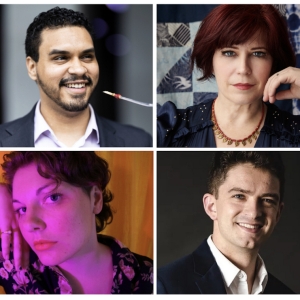
New York Festival of Song to Conclude NYFOS Next Festival with A SPACE TO MAKE
New York Festival of Song will conclude its 15th annual NYFOS Next Festival with A Space to Make at Rubin Museum of Art in November. The NYFOS Next Festival kicks off on Sunday, September 29, 2024 at 3:00 p.m. Learn how to attend.
New York Festival Of Song to Present 15th Annual NYFOS Next Festival
The New York Festival of Song's 15th annual NYFOS Next Festival returns with concerts on September 29 and November 3 at the Rubin Museum of Art, featuring new works by Kamala Sankaram and LJ White.

Mimi Garrard And Her Collaborators Present GLOBAL Four Works For Video
Mimi Garrard and her collaborators will present four provocative dance works for video at the Rubin Museum of Art in New York.
New York Festival of Song Announces 2024-25 Season
Discover the exciting lineup for the New York Festival of Song's 2024-25 season, featuring a diverse range of performances and events celebrating the art of song.
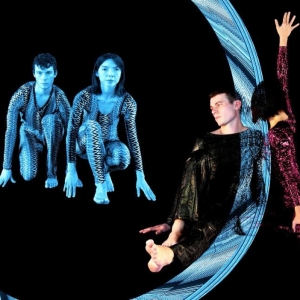
Mimi Garrard Dance Theatre to Present A SPIRITUAL JOURNEY at the Rubin Museum of Art
Mimi Garrard of Mimi Garrard Dance Theatre will present a special invitation only film event, A Spiritual Journey at the Rubin Museum of Art. Learn how to purchase tickets.
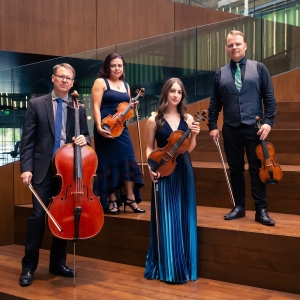
Apollo Chamber Players to Present Free 'Holiday Voyage' Program Benefiting Healthcare For The Homeless
Apollo Chamber Players presents 'Holiday Voyage,' a free annual concert celebrating religious pluralism as a means of fostering compassion and cultural harmony. All proceeds from the event will benefit Healthcare for the Homeless - Houston.
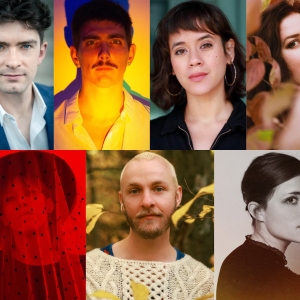
NYFOS Next Festival Continues With IN HER OWN WORDS at Rubin Museum
New York Festival of Song (NYFOS), led by Artistic Director Steven Blier, presents the second concert in its annual NYFOS Next Festival, a mini-series for new song curated by Nathaniel LaNasa, on Sunday, November 19, 2023 at 3:00 p.m. at the Rubin Museum of Art.
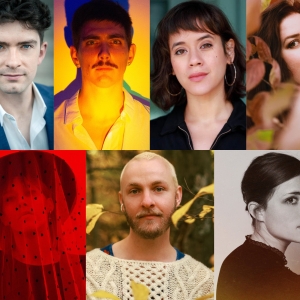
New York Festival of Song Returns in November
New York Festival of Song (NYFOS), led by Artistic Director Steven Blier, presents its annual NYFOS Next Festival with two performances on Sunday, October 15, 2023 at 3:00 p.m. and Sunday, November 19, 2023 at 3:00 p.m. Learn more about the upcoming performances here!
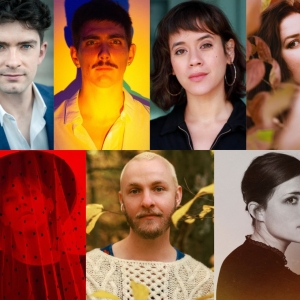
NYFOS Next Festival to Return with New Song Performances at Rubin Museum of Art
New York Festival of Song, led by Artistic Director Steven Blier, will present its annual NYFOS Next Festival with two performances on Sunday, October 15, 2023 at 3:00 p.m. and Sunday, November 19, 2023 at 3:00 p.m. at the Rubin Museum of Art.
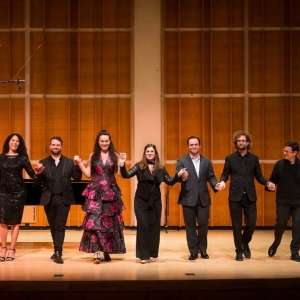
Peter Dugan, César Andrés Parreño & More Set for New York Festival Of Song 2023-24 Season
New York Festival of Song has revealed its 2023-24 season of performances, including four Mainstage Series programs at Merkin Hall, co-presented with Kaufman Music Center.
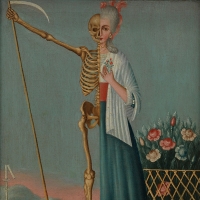
DEATH IS NOT THE END Opens March 17 At The Rubin Museum
The Rubin Museum of Art presents “Death Is Not the End,” a new exhibition opening March 17 that explores notions of death and the afterlife through the art of Tibetan Buddhism and Christianity.

New York Festival Of Song Continues Mainstage Series At Kaufman Music Center With KABARETT, November 16
New York Festival of Song (NYFOS), led by Artistic Director Steven Blier, continues its 2022-23 Mainstage Series with KABARETT on Wednesday, November 16, 2022 at 8:00pm. The program highlights songs from Berlin's fabled nightspots during the Weimar era, featuring music by Hollaender, Spoliansky, Bienert, Tucholsky, Eisler, and others. Soprano Sari Gruber, mezzo-soprano Naomi Louisa O'Connell, and baritone Justin Austin join Mr. Blier at the piano.
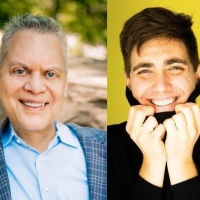
New York Festival Of Song Presents NYFOS NEXT FESTIVAL At The Rubin Museum Of Art's Theater
New York Festival of Song (NYFOS) continues its 2022-23 season with the 12th rendition of its NYFOS Next Festival on October 16, 2022 at 3:00pm and October 23, 2022 at 3:00pm at the Rubin Museum of Art's Theater.
Queer|Art Announces The Winner Of 2022 Barbara Hammer Lesbian Experimental Filmmaking Grant
Queer|Art, New York City's home for the creative and professional development of LGBTQ+ artists, has announced the winner of the 2021 Barbara Hammer Lesbian Experimental Filmmaking Grant, collaborative duo, Desireena Almoradie and Barbara Malaran. The New York City-based duo will receive a $7,000 cash grant, as well as studio visits with members of the judges panel in support of their creative and professional development.
Grounds For Sculpture Announces Four New Members of its Board of Trustees
Grounds For Sculpture announced that four new members have been elected to its Board of Trustees. Michelle J. Bajwa, Cataldo Doria, and Umesh Gaur joined the Board in December 2021, and Nick Pahade joined in June 2022.
The Rubin Museum of Art Frequently Asked Questions
- What are the closest subway stops to The Rubin Museum of Art?
-
The closest subway stops to The Rubin Museum of Art at 150 W 17th St in New York City are:
1. 14th Street Station: This station is served by the 1, 2, 3, F, M, L, and PATH trains. It's just a short walk from the museum.
2. 18th Street Station: This station is served by the 1 train and is also within walking distance to the museum.
I recommend checking the MTA website for the most up-to-date subway schedules and service changes. You can visit their website at https://new.mta.info/.
While you're in the area, I also suggest exploring the vibrant neighborhood of Chelsea. It's known for its art galleries, trendy shops, and delicious dining options. The High Line, an elevated park built on a historic freight rail line, is a must-visit attraction nearby. You can take a leisurely stroll along this unique park and enjoy stunning views of the city.
If you're in the mood for some shopping, head over to the nearby Meatpacking District, where you'll find a mix of high-end boutiques and popular brands.
I hope you have a fantastic time exploring the area and enjoy your visit to The Rubin Museum of Art!
- What's the best way to get to The Rubin Museum of Art by bus?
-
The closest bus stops to The Rubin Museum of Art at 150 W 17th St in New York City are:
1. 7th Ave/W 17 St - served by the M7 and M20 buses. You can find the latest updates on these bus routes on the MTA website.
2. 6th Ave/W 18 St - served by the M5, M7, M55, and X1 buses. You can check for any changes or delays on these bus routes on the MTA website.
Remember to check the MTA website or use a reliable transit app for real-time updates on bus schedules and any service changes. Enjoy your visit to The Rubin Museum of Art!
- How much time should I plan to spend at The Rubin Museum of Art?
-
The ideal length of time to plan for a visit to The Rubin Museum of Art in New York City depends on your level of interest in Himalayan art and culture. On average, visitors spend about 1 to 2 hours exploring the museum's galleries and exhibitions. However, if you have a deep passion for this subject or wish to engage in the museum's interactive programs, you may want to allocate more time.
The Rubin Museum offers a diverse range of exhibits, including ancient sculptures, paintings, and contemporary art from the Himalayan region. It also hosts regular events, such as film screenings, performances, and talks, which can enhance your experience. If you plan to attend any of these events, it's a good idea to check the museum's website for the schedule and plan accordingly.
Additionally, the museum has a café and a gift shop where you can relax, grab a bite to eat, or browse through unique items inspired by Himalayan art. So, if you want to fully immerse yourself in the museum's offerings, consider setting aside some extra time for these activities as well.
Overall, whether you have a few hours or an entire day, The Rubin Museum of Art is a captivating destination that offers a rich cultural experience.
- Can I bring food and drinks into The Rubin Museum of Art?
-
The Rubin Museum of Art in New York City has a café called Café Serai that offers a variety of food and drink options. Visitors are welcome to enjoy their meals and beverages in the café, which features a relaxed and comfortable atmosphere. However, please note that outside food and drink are not permitted in the museum galleries. So, if you're planning to explore the museum, you'll need to finish your snacks or beverages before entering the exhibition spaces.
- Does The Rubin Museum of Art offer luggage storage?
-
The Rubin Museum of Art in New York City does not have a dedicated luggage storage facility. However, they do allow small bags and backpacks into the museum. If you have larger bags or suitcases, it is recommended to check with nearby hotels or other luggage storage services in the area. There are several options available, such as luggage storage facilities, lockers, or even some hotels that offer luggage storage for non-guests. It's always a good idea to plan ahead and make arrangements for storing your luggage while visiting the museum or any other attractions in the city.
- Is The Rubin Museum of Art a good place to visit for foreign travelers who are not native English speakers?
-
Yes, The Rubin Museum of Art is a fantastic destination for visitors from other countries and non-English language speakers. The museum showcases an extensive collection of art from the Himalayas and surrounding regions, offering a unique cultural experience that transcends language barriers.
While the museum provides English-language information and labels, they also offer audio guides in multiple languages, including Spanish, French, German, Mandarin, and Japanese. These guides provide detailed explanations of the artworks, ensuring that visitors can fully appreciate the exhibits regardless of their language proficiency.
Additionally, The Rubin Museum of Art frequently hosts special events, performances, and workshops that delve into the rich cultural heritage of the Himalayan region. These events often feature live music, dance, and storytelling, providing an immersive experience that appeals to all visitors, regardless of their language background.
Overall, The Rubin Museum of Art is a must-visit for anyone interested in exploring the art and culture of the Himalayas, and its language-friendly offerings make it a welcoming destination for visitors from around the world.
- What ages are appropriate for The Rubin Museum of Art?
-
The Rubin Museum of Art in New York City is a wonderful destination for visitors of all ages. While there is no specific age range recommendation, the museum offers a range of exhibits and programs that can be enjoyed by both children and adults. The museum's collection primarily focuses on Himalayan art, including paintings, sculptures, and textiles, which can be fascinating for art enthusiasts of all ages. Additionally, the museum often hosts interactive workshops, family programs, and storytelling sessions that are designed to engage younger visitors. So whether you're traveling with kids or exploring the city on your own, be sure to include a visit to The Rubin Museum of Art on your itinerary!




Tickets From $58

Tickets From $80

Tickets From $67

Tickets From $59
