


Review: THE HAPPIEST MAN ON EARTH at Six Points Theatre
This production ran through February 8, 2026
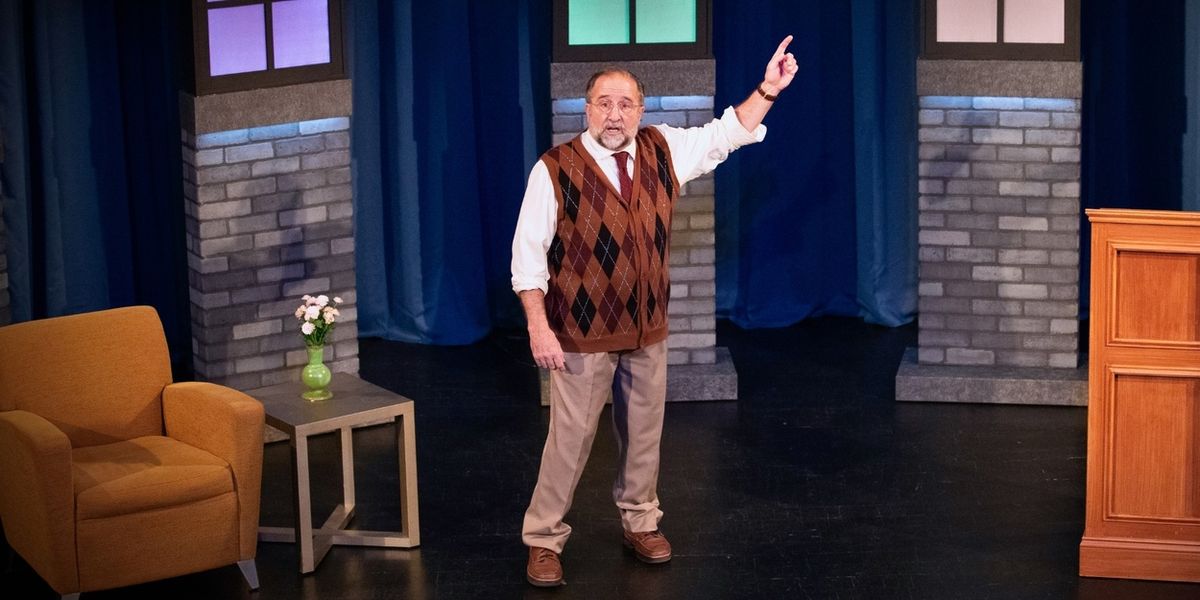
The Happiest Man on Earth is the kind of show that quietly asks you to sit down, listen, and really pay attention. There’s no spectacle here, no flashy staging—just one man telling a story that’s stayed with him for a lifetime.
Presented by Six Points Theater, this solo performance by JC Cutler introduces us to Eddie, a Holocaust survivor who has never spoken publicly about his past until now. Over ninety minutes, Eddie shares memories of growing up as fascism took hold, surviving two concentration camps, and navigating the long, complicated road that followed liberation.
Cutler’s performance feels honest and grounded. He doesn’t overplay the emotions or push for tears. Instead, he talks to the audience like someone sharing something deeply personal, which makes the harder moments land even more strongly. When Eddie describes starvation, death marches, and the shock of recognizing a childhood friend as his Nazi guard, the room feels still. The weight of the story comes from how plainly it’s told.
What makes the show especially moving is that it isn’t only about survival. Eddie also talks about kindness, love, and the family he builds after the war. Even though fear and trauma don’t magically disappear, the play makes room for joy and connection alongside the pain. The title isn’t ironic—Eddie’s happiness is earned, and that makes it meaningful.
The production design stays simple and supportive. The set and technical work by Brady Whitcomb keep the space intimate, while Todd M. Reemtsma’s lighting helps guide the story without drawing attention to itself. Sound design by C. Andrew Mayer, along with understated costumes by Anna Rubey and props by Rick Polenek, all work together to keep the focus on the storytelling. The show runs smoothly under stage manager Miranda Shunkwiler.
This production does include graphic descriptions of violence, so the content advisory is worth taking seriously. It’s not an easy watch—but it is an important one. The Happiest Man on Earth doesn’t ask the audience to leave feeling uplifted so much as changed. It’s a reminder of the power of sharing stories, and of choosing compassion even after experiencing the worst of humanity.
Photo by Sarah Whiting

Sign up for all the news on the Fall season, discounts & more...

|
The Madness of Lady Bright The Phoenix Theater (10/16-10/25) |

|
As You Like It Open Book (10/15-10/18) |
|
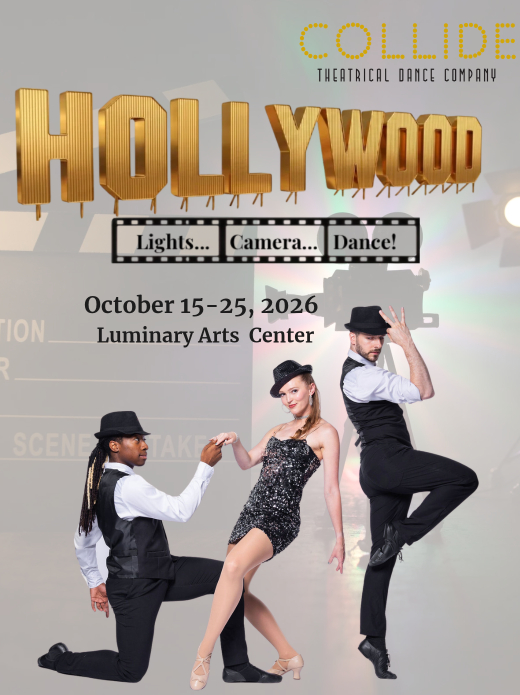
Hollywood; Lights, Camera Dance Collide Theatrical Dance Company (10/15-10/25) |
|
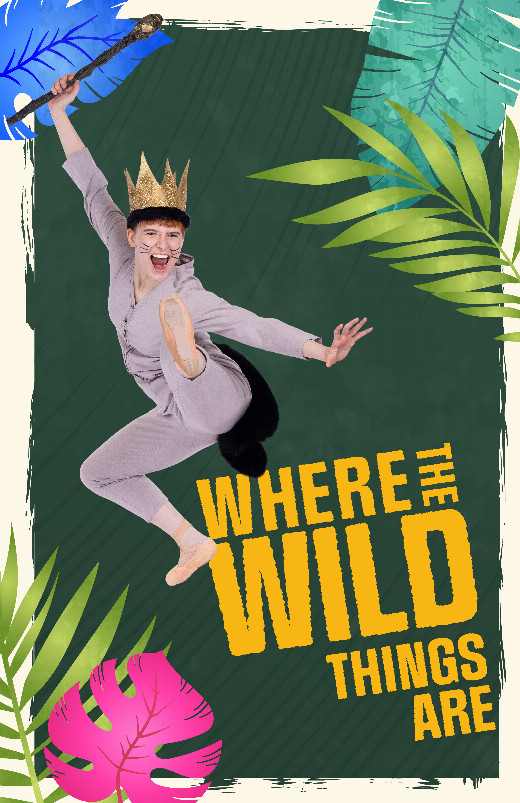
Where the Wild Things Are Ballet Co.Laboratory Studio Theatre (2/26-3/07) |
|
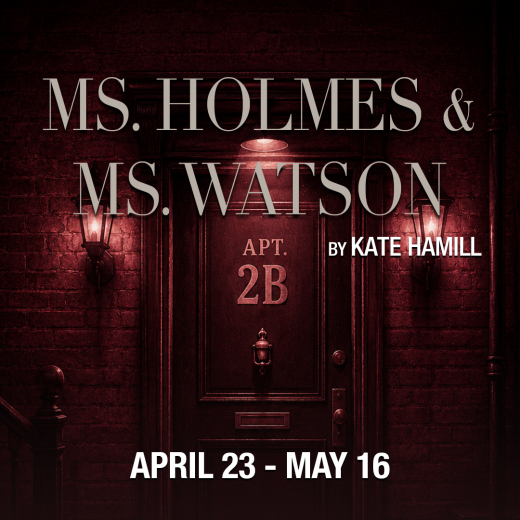
Ms. Holmes & Ms. Watson - Apt. 2B Yellow Tree Theatre (4/23-5/16) |

|
Dolly Parton's Smoky Mountain Christmas Carol State Theatre (11/24-11/24) |

|
Waitress Ordway Center for the Performing Arts (6/15-6/20) |
|
Oh, Mary! Ordway Center for the Performing Arts (1/06-1/17) |

|
Sasha Velour - TRAVESTY State Theatre (10/09-10/09) |
|
Rudolph the Red-Nosed Reindeer: The Musical Stages Theatre Company (11/20-12/27) |

Reader Reviews
To post a comment, you must register and login.