



Memory (n): the time within which past events can be or are remembered.
It is the solitary word that sums up the entirety of Tennessee William’s historic play, The Glass Menagerie. A story that has been told many times since its debut in 1944, but arguably it has never been produced like the production currently running at Theater Latté Da.
The Glass Menagerie, tells the story of the Wingfield family: Amanda, her son Tom, and her daughter Laura, as they navigate financial strain, fragile hopes, and the weight of expectations in 1930s St. Louis.
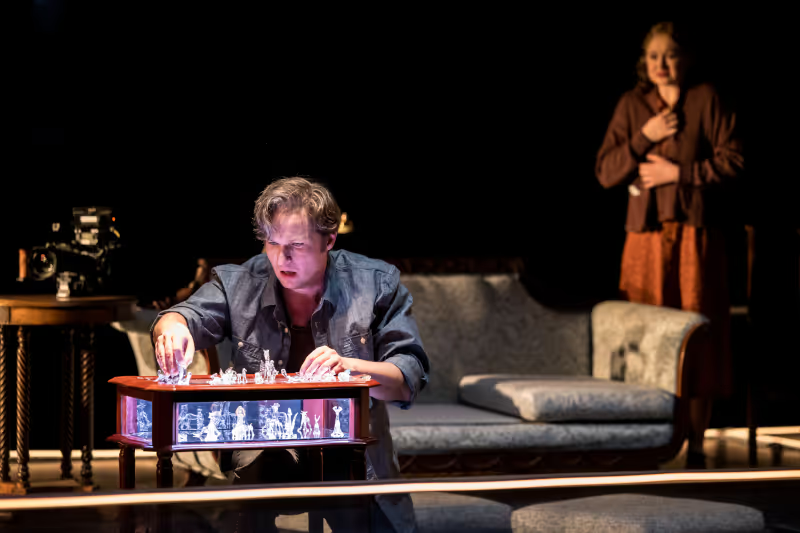
Told through Tom’s reflective narration, the play blends memory and reality as Amanda clings to her a past that she cherishes so fondly. While Amanda longs for her daughter’s courting by any gentleman caller, Laura finds her solace in a world of delicate glass animals and her prized Victrola. All the while, Tom looks for an escape from his monotonous routine of struggling to provide for his family while wanting something more for his life.
Their quiet routine is disrupted when Amanda pushes Tom to bring home a visitor for dinner, setting the stage for an evening that may change their lives forever.
Artistic Director Justin Lucero is back in the driver’s seat and he has given audiences a fresh take on a classic story by elevating aspects of the piece by framing it as if we are seeing the play as a series of home movies playing out in Tom’s mind. By utilizing a series of cameras throughout the stage, we are allowed into the mind of Tom and see his family the way that he sees them. Sometimes elated and full of joy, others they are enraged and on the verge of a psychotic break but through Tom’s lens, we see it all.
The use of cameras on stage is not a new technique but it has certainly grown in popularity in the past few years, thanks in part to the groundbreaking Jamie Lloyd and his work within the medium. When used effectively, it can be a helpful tool to heighten the scene work but when overused it can be a hindrance and appear to be more of a gimmick.
Lucero has pulled it off quite well through some very clever uses of the medium but at times if feels like he has either forgotten the cameras exist or that he has run out of things to showcase. While there are some odd choices made at times, there are, more often than not, some very brilliant visuals served to the audience.
Working to create the mood of the piece is scenic designer Joe Thomas Johnson who has created a remarkably effective set for the characters to inhabit. Creating a floorpan on the stage, it is almost like the audience is viewing the show as if it is taking place in a doll’s house or on a housing blueprint. Each room is labeled not he floor and the walls are simple two by fours to designate the layout of the Wingfield house. Partnered with the effective lighting by Marcus Dillard whose use of light throughout the space helps to set each scene but also assists in solidifying the fact that the world that these characters inhabit is not completely based in reality.
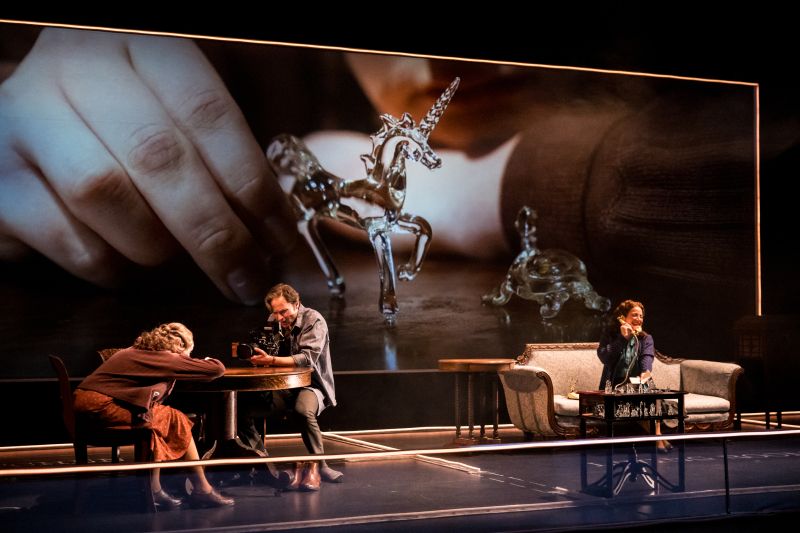
Living within this world is a cast that is small but powerful. Dustin Bronson’s portrayal of Tom, our narrator, is played as a man who is barely hanging on to his sanity throughout. From his first word, the audience can already sense the weight that he bears and how the events that are about to be recalled have changed him. Bronson moves between the variety of emotions that Tom experiences with ease. Whether by direction or his own acting choice, his presence is especially effective when he seems to move through the space as if he is a ghost who is spectating his own life while holding the camera to zero in on the goings on between his sister and mother. It hits home the fact that what we are witnessing is a memory that may be distorted and not what actually may have happened.
Amy Eckberg’s portrayal of Laura is is the most grounded of the performances and that is no accident as she is the one character who tethers the story to reality. Her shyness and longing to live in her world of comfort and self-induced isolation is never over exaggerated or shown to be larger than life, unlike the rest of the characters. Eckberg has given Laura a meekness that is the perfect counterpart to her mother’s manic state. Although she is given less dialogue, her physicality completely sells the part.
On the flip side, Brandon Brooks’ portrayal of Jim is almost the bull in a china shop to Echberg’s Laura. He oozes with charisma from the second he touches the stage and it doesn’t stop until he leaves it. Brooks has given Jim the perfect blend of humor, heart, and ego that it is hard not to completely fall for him ourselves as the audience. The role itself offers a vibrance to a piece, that at times is a dark and dreary story, that Brooks nails out.
Then there is the luminary Norah Long as Amanda. This may be Tom’s memory of the events but this show belongs to Amanda and Long devours the role whole. There is not a moment that she wastes and not an emotion that she holds back. She lives in this world so fully and is so realized as a character that anytime she has the spotlight, the audience is held fast in her grasp.
Even when we want to fault Amanda for her choices and the way that she seeks a means to an end, Long makes us truly believe that she is just a mother who wants the best for her children and that she will stop at nothing to make that happen. She plays the whole gambit of emotions in this piece and every one is played to perfection. It really is a tour de force performance.
The Glass Menagerie has felt like a slog at times in past productions but through the new lens that Lucero has placed it and the performances that the cast provides, this is a production that feels like a speeding bullet that comes to a startling halt at the perfect time, the ending. It is a wonderfully crafted piece and deserves the lauding it has been receiving.
Prefer BroadwayWorld in Google Search?
Add us as a preferred source so our stories show up more often in Top Stories and Google’s AI answers — for you.
Sign up for all the news on the Fall season, discounts & more...

|
When Autumn Falls: An Evening of Song with Nichole Carey Crooners Supper Club (10/05-10/05) |

|
Head Over Heels LUSH Lounge and Theater (9/18-10/10) |

|
Wife of a Salesman Girl Friday Productions (9/18-10/04) |
|
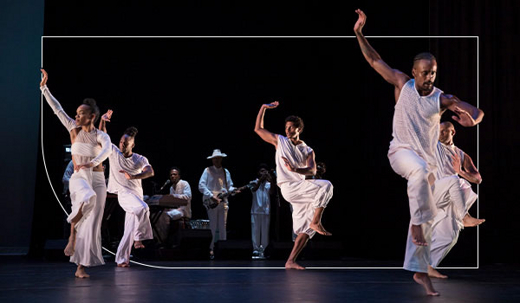
Student Matinee: Ronald K. Brown/EVIDENCE Featuring TU Dance Northrop (10/02-10/30) |

|
Chris Fleming Live Pantages Theatre (3/12-3/12) |

|
Twelve Kinds of Ice Children's Theatre Company (10/13-11/22) |

|
Golden Girls: The Laughs Continue DECC Symphony Hall (11/10-11/10) VIDEOS |

|
Rudolph the Red-Nosed Reindeer: The Musical Stages Theatre Company (11/20-12/27) |
|
Encore Gala With Complexions Contemporary Ballet Northrop (3/20-3/20) |
|
The Taming Yellow Tree Theatre (10/09-11/01) |

Reader Reviews
To post a comment, you must register and login.