


Review: A Hauntingly Intimate PARADE at Venice’s Electric Lodge
The musical, playing through November 2, packs an emotional punch and remarkable performances at its 99-seat venue
 Click for Tickets!
I saw the Broadway touring production of Parade when it came to the Ahmanson Theatre in June. Consequently, I was a little worried that a smaller-scale version might not wow me as much as its big-stage counterpart did.
I was wrong.
The Electric Lodge’s current production of the Tony Award–winning musical (playing through November 2) exceeded my expectations. I actually liked the show better this second time around.
And sure, that may be because I was familiar with the material, so I was able to understand it more deeply. But really, I think it was the smallness: The 99-seat Abbot Kinney Boulevard theater puts audiences so close to the story that it’s impossible to turn away.
Not that you’d want to. Parade, which debuted on Broadway in 1998 and was revived in 2023, tells the gripping true story of Leo Frank, a Brooklyn-born Jewish factory manager in 1913 Georgia who was accused — likely, wrongfully — of murdering a 13-year-old girl.
Set against the backdrop of social division, antisemitism, and racial unrest in the South, Frank’s trial and subsequent sentencing were marred by inconsistencies, public pressure, and bias—all of which clouded the search for truth and led to devastating consequences.
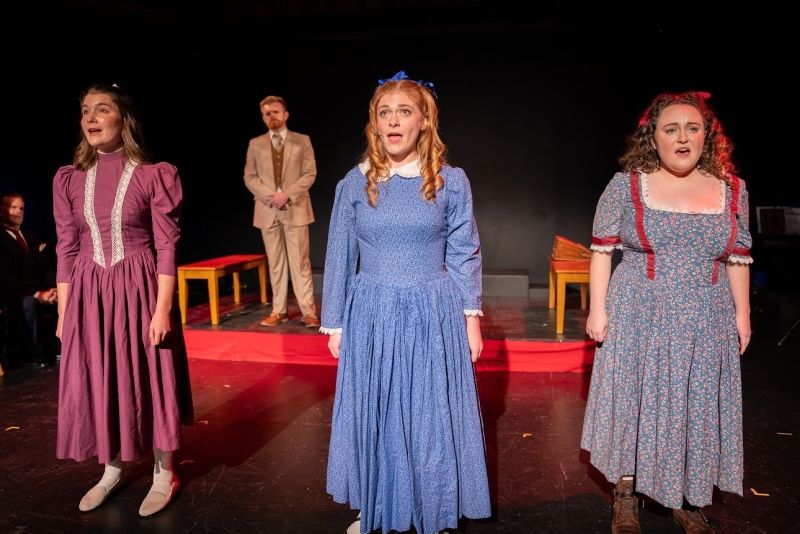
The show premiered on Broadway in 1998, featuring a book by Alfred Uhry, music and lyrics by Jason Robert Brown, and direction by Harold Prince. Though it only ran for two months, the show earned critical praise and won two Tony Awards, for Best Book of a Musical and Best Original Score.
The 2023 Broadway revival, directed by Michael Arden and starring Ben Platt and Micaela Diamond, reignited national attention, winning the Tony Award for Best Revival of a Musical.
Suffice it to say, it’s not a light story. But with a haunting score, a gripping narrative, and emotionally charged performances, the show delivers a sobering examination of justice, integrity, and a marriage put to the test. All of this is as true for the Electric Lodge production as it was for the original Broadway show.
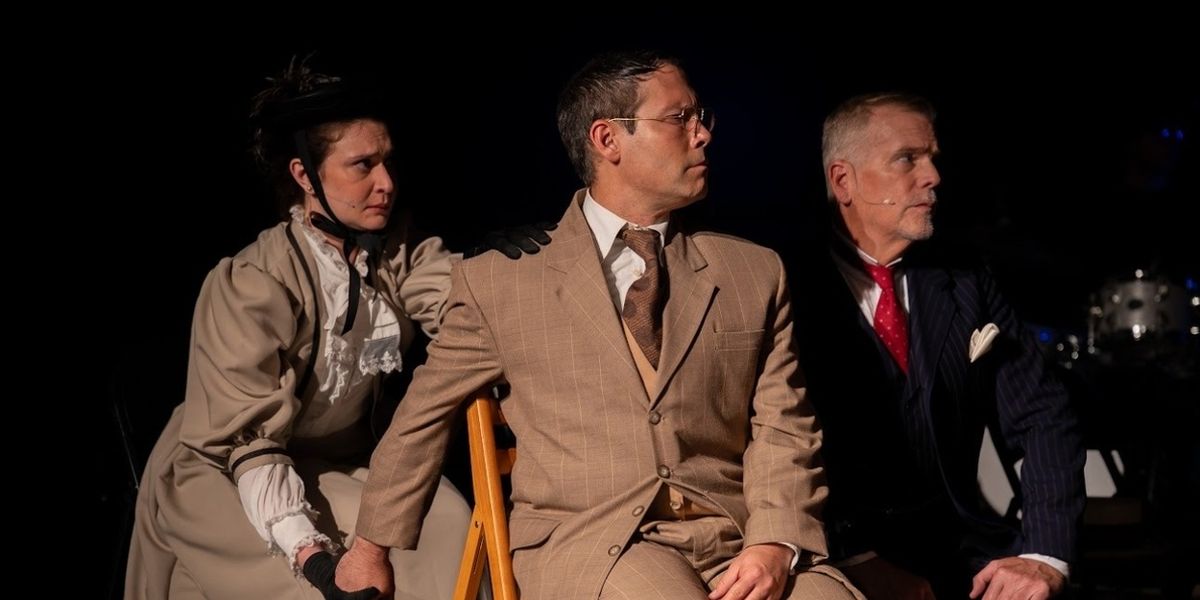
That a show as powerful as Parade can soar in a small theater is a testament to both the talent of its director, Saundra McClain, and the strength of its cast—of which there isn’t a weak link in the bunch.
Adam Fried’s Leo Frank as an introspective, tightly wound man, is spot-on. Initially understated, his performance deepens as the story unfolds, and by the end his Leo feels layered, conflicted, and ultimately likable.
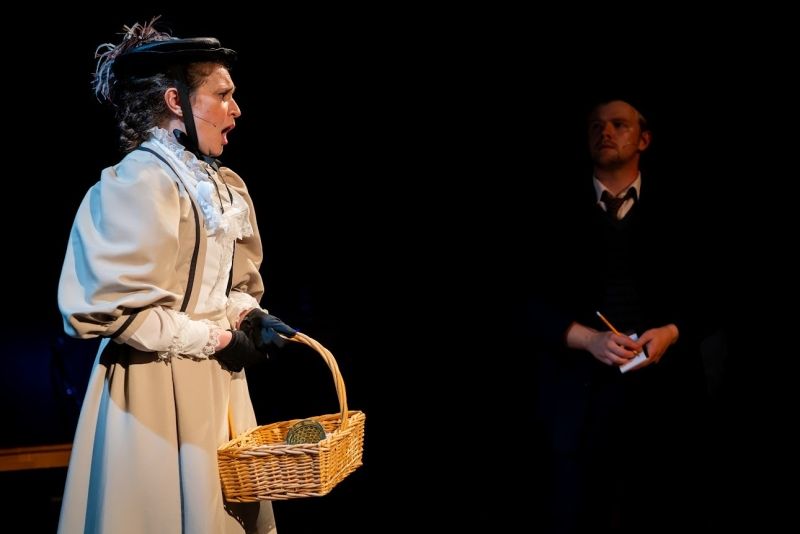
If there’s a star of the show, it’s Bryce Hamilton as Leo’s wife, Lucille. Hamilton—whose regional credits include School of Rock and Beauty and the Beast at Moonlight Amphitheater and Ragtime at the Chance Theater—captures both the quiet strength and emotional vulnerability of a woman forced to confront unthinkable loss. Her shift from doubt to conviction, from skepticism to anger, is so gracefully rendered that it’s hard not to love her. She’s a force to watch.
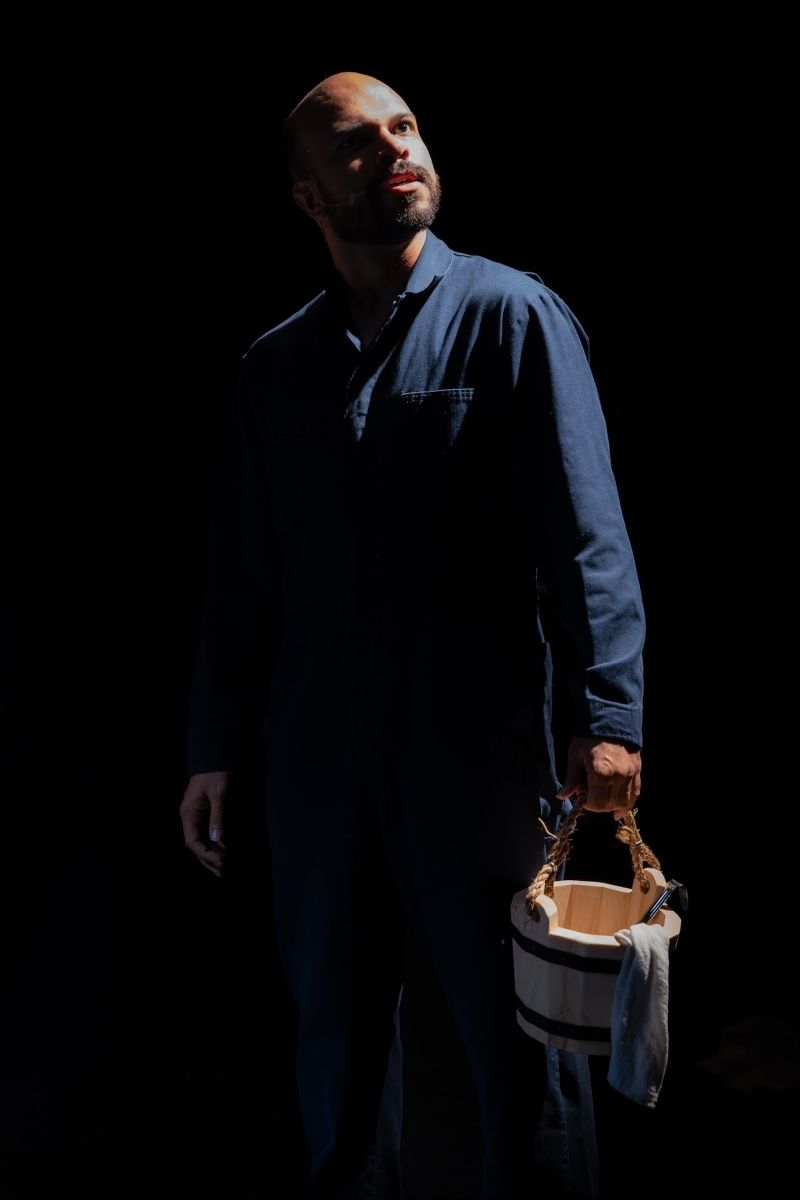
Other standouts include Carter Michael as Jim Conley, the factory’s janitor and a key witness against Frank, whose soulful renditions of both “That’s What He Said” and, later, “Feel the Rain Fall” electrified the room.
Sophia Roth shone as Mary Phagan. She has a bright-eyed innocence and vocal clarity that makes her tragically believable as a young teen (even though she’s likely in her twenties).
I also loved Jabriel Shelton and Kiera Morris’s “A Rumblin’ and a Rollin,” a gospel-inspired number that highlights Southern hypocrisy—pointing out how loudly white society demanded justice for one young girl while ignoring the daily injustices faced by Black citizens.
Lighter moments—like “Pretty Music” and “The Picture Show”—offered welcome breaths amid the story’s heaviness, giving the audience just enough relief before plunging back into the drama.
If the venue's size contributed to the intimacy, so too did the sound. The Lodge’s steepled A-frame wooden ceilings helped the score pop—especially when the full cast came together for “The Old Red Hills of Georgia” in the opening and closing numbers. It was also refreshing to have live musical accompaniment—a trio of drums, reeds, and keyboard—rather than a prerecorded track as is often the case in smaller productions.
With scenic design by Izaiah Martinez, the staging was simple but effective. Benches, podiums, and platforms created a flexible space, while opposite-facing rows of chairs on either side of the room propped cast members in pews like courtroom jurors and spectators.
The result? The audience felt like a member of that jury—tasked with hearing every person’s story, even the difficult ones. It made it hard to look away.
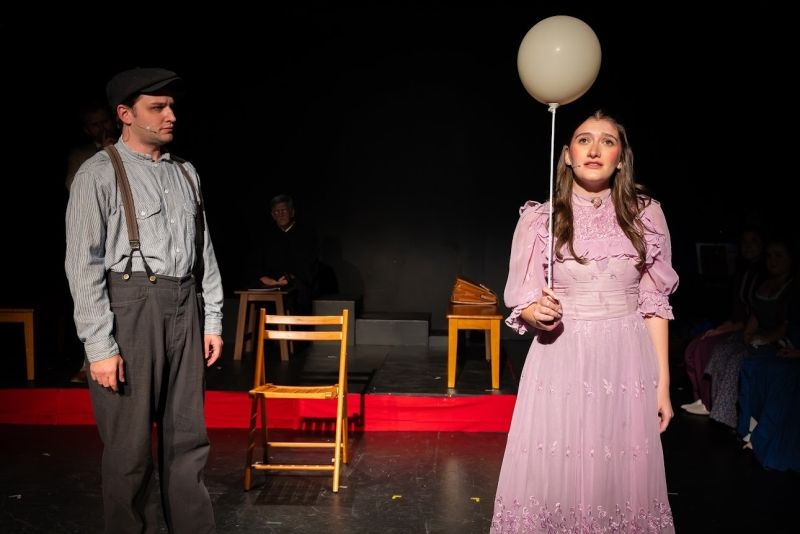
Both times I’ve seen Parade, I’ve ended my night deep-diving into Google to learn more about the real story. And both times, I’m left frustrated that—with all our modern innovations—we still don’t have definitive proof of who killed Mary Phagan (though historians believe that Conley was likely the true perpetrator, especially thanks to this 1982 testimony from a man who was a teenage witness at the time).
To save you the internet sleuthing, I’ll also add that in 1986, the state of Georgia granted Frank a posthumous pardon, recognizing that the state had failed to protect him or bring his attackers to justice, but stopping short of declaring his innocence.
That ambiguity—those unanswered, uncomfortable questions about a mystery that has lingered for more than a century—is part of what makes Parade such a haunting story.
Parade plays at The Electric Lodge Oct. 23 through Nov. 2. Tickets are $22 and up.
Photo credit: Sydney DeMaria and Dane Maison at Dane Arthur Headshots
|
Good Night, Oscar North Coast Repertory (9/16-10/11) |
|
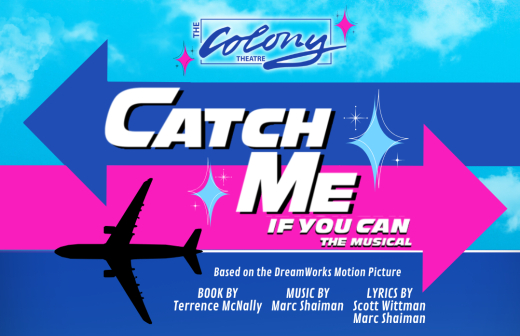
Catch Me If You Can Colony Theatre (9/17-10/18) |
|
Comics Reading Comics Dynasty Typewriter (9/13-9/13) |

|
Gershwin and the Golden Age The Soraya (10/11-10/11) |
|
It's A Lot Lyric Hyperion Theater & Cafe (9/17-9/19) |
|
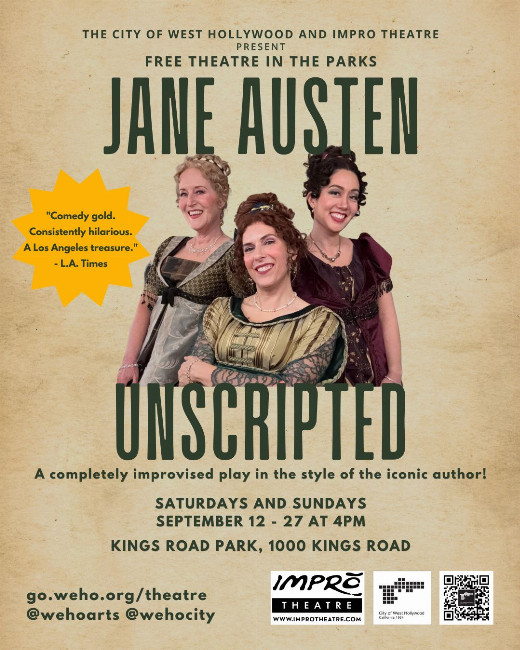
Jane Austen UnScripted Kings Road Park (9/12-9/27) |
|
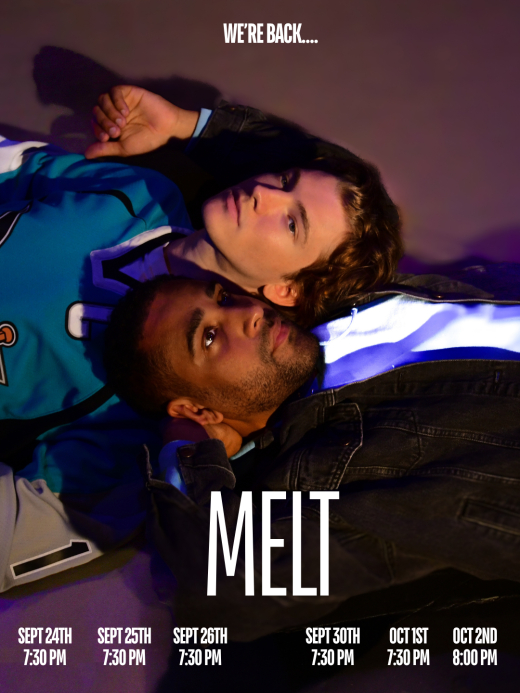
Melt : The Play The Marilyn Theatre at the Lee Strasberg Institute (9/24-10/02) |
|
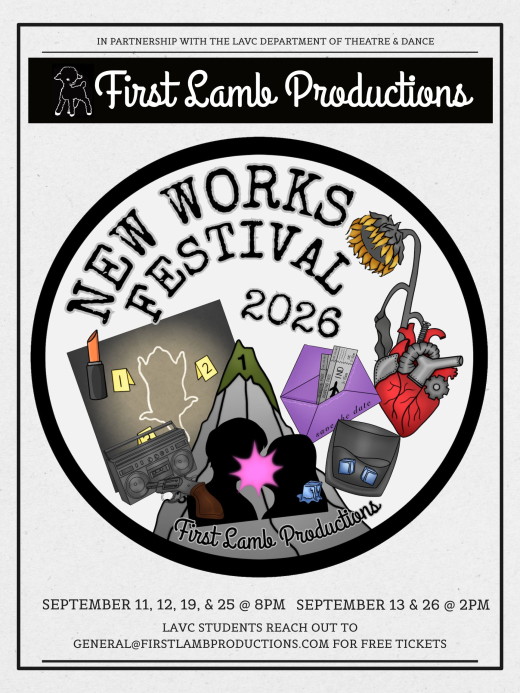
New Works Festival Shoebox Theatre (9/11-9/26) |
|
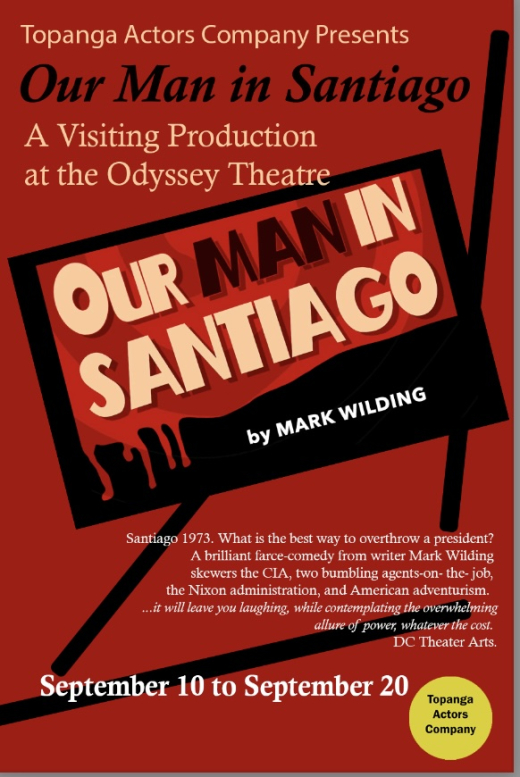
Our Man in Santiago by Mark Wilding Odyssey Theatre Ensemble (9/10-9/20) |
|
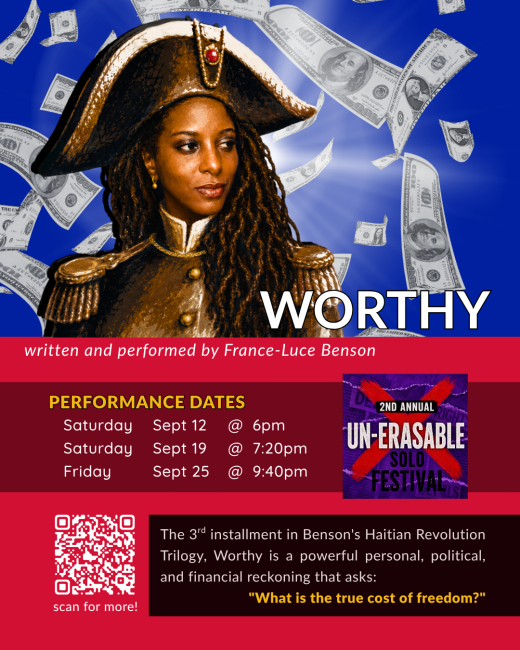
Worthy The Un-Erasable Solo Festival - Willie Agee Playhouse (9/12-9/25) |

Reader Reviews
To post a comment, you must register and login.