


How Do You Make a Crocodile Sing? An Interview With “Enormous Crocodile” Composer Ahmed Gallab
The U.K. hit musical plays at the Kirk Douglas Theatre through January 4
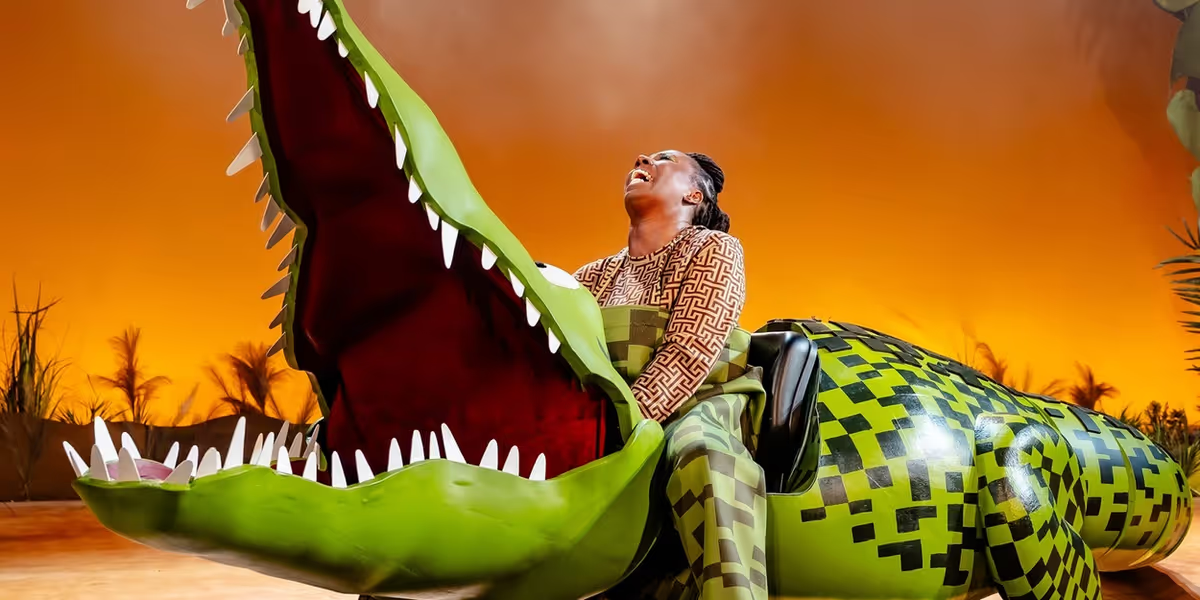
Calling all delicious little fingers and squidgy podgy knees! Roald Dahl’s “The Enormous Crocodile” hits the stage Friday at the Kirk Douglas Theatre for the Los Angeles premiere of the smash U.K. hit musical.
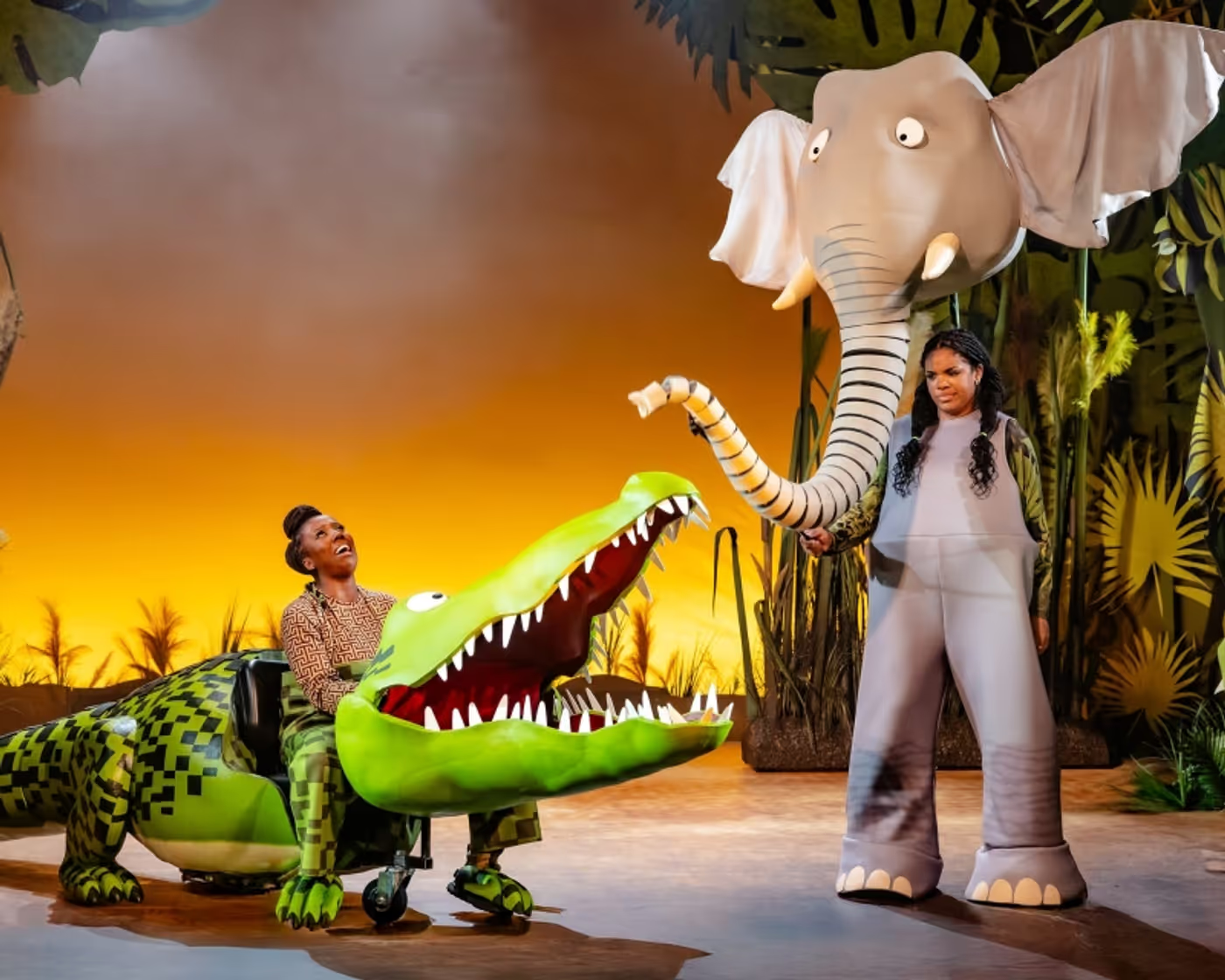
Based on the popular 1978 picture book, the hourlong musical—which runs through January 4 at the 317-seat theater in Culver City — is about a hungry crocodile who devises sneaky tricks to capture unsuspecting children but whose plans are foiled by a host of friendly jungle animals.
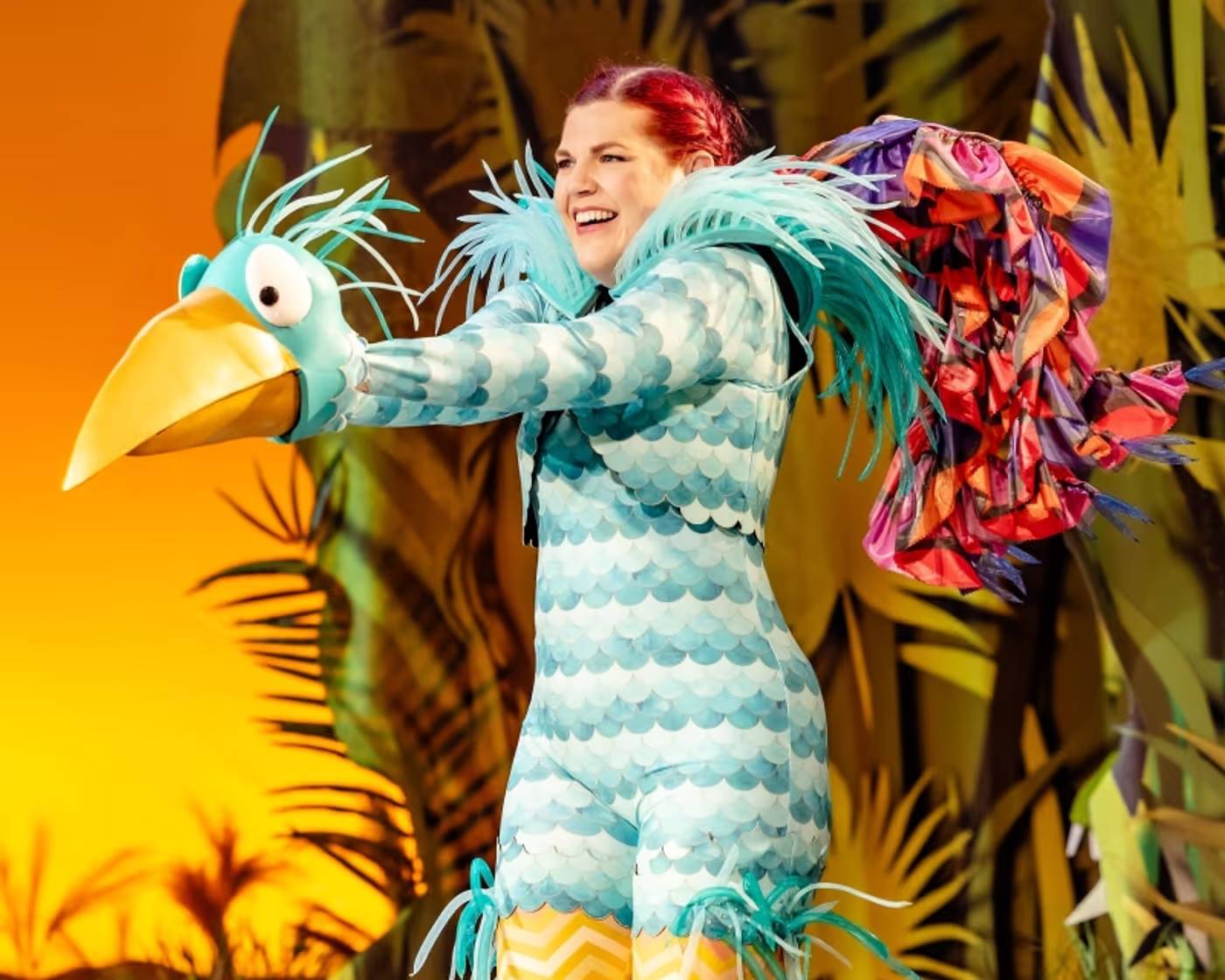
And while a huge reptile munching on children seems a tad scary for little ones, the kids (and their parents) seem to love it, with critics calling the show a “must-see,” thanks to its talented menagerie of puppets and actors, plus a catchy musical score.
The show features music by Ahmed Abdullahi Gallab, a book and lyrics by Suhayla El-Bushra, with additional music and lyrics by Tom Brady. It was developed and directed by Emily Lim and features colorful puppets by co-director and puppetry designer Toby Olié, with set and costume design by Fly Davis and puppetry co-designed and supervised by Daisy Beattie.
BroadwayWorld got the chance to talk to Gallab ahead of the show to talk about the music, the bold puppetry that brings the story to life, and what families can expect when they venture into the jungle.
Tell me a little bit about your background as a musical composer and what you’ve done before coming to this show.
I am traditionally a musician. I have a musical project called Sinkane; that's what I predominantly do musically. I've been playing music since I was 10. I performed my first show when I was about eleven. I started scoring when I was 19.
How would you describe your musical style?
It's a blend of African music and American music and reggae, funk and soul, Afrobeat. East Africa is where I'm from. A lot of that kind of world music, I guess you could say, but with indie rock sentiment.
What about music directing?
I started music directing in the mid-2000s. I music-directed a group called The Atomic Bomb Band, which played the music of William Onyeabor, the Nigerian funk composer—a huge influence for me. That was like a really big supergroup. I played with David Byrne and Damon Albarn and members of LCD Soundsystem and Amadou & Mariam, and a lot of high-profile artists. I also did a similar thing with Yo-Yo Ma and Asmaa Hamzaoui as recently as this summer.
So how did musical theater enter the picture?
Rohl Dahl was really interesting because I got a cold call from them. They sent me an email—Jenny Wharton from Roald Dahl—in 2016 asking me if I'd be interested in working in musical theater. She had heard my music and was a fan. I thought it was a complete joke. I never even considered doing musical theater at all.
They just heard your music and reached out?
Yeah. She assured me it wasn't a joke. She said she was coming to New York from London and wanted to meet with me. I was very honest, I said I’d never done anything like this before, but I'd love to try. She said, “Okay, I’ll get back to you,” then she emailed asking me which show I wanted to do.
They gave you a list?! What was on it?
There was Esio Trot. There was The Twits, I think. Danny the Champion of the World. Stuff like that. My favorite Roald Dahl book as a kid was The Enormous Crocodile, so I asked if I could do that one. And she's like, ‘Yeah, sure. We'll build a team around you and we'll get this going.’
What do you think it was about your music that appealed to them?
I think that a lot of musical theater has been kind of pigeonholed and created its own sonic identity. Back in the day, when I heard about musicals, I thought of, like, Andrew Lloyd Webber and really sensationalized, corny singing that didn't connect with me on a musical level. And I think that has gotten a bit tired in the industry.
I think a lot of people are trying to do something different and work with people who are coming from a completely different vantage point. I think that's what I brought to the table. They literally taught me everything—they said, ‘OK, well, you do need to know this and this about how to write songs for musical theater, but do it in your own way.’ And that was a really wonderful challenge for me.
How was the process different from writing your own music?
It's completely different. First of all, it’s working with a team. With Sinkane, I start everything myself, then bring in collaborators. Here, we were prompted with the narrative. There was a team of creatives: I was composer; Suhayla El-Bushra wrote the book and lyrics; Emily Lim directed; Toby Olié was the puppet master and co-director; Tom Brady was my musical assistant and worked on arrangements. . . . We all worked together to create something greater than some of its parts, and it was really fun working in that way.
You and Suhayla connected quickly?
Yes. She's also Sudanese—a complete coincidence. We had a mutual understanding of how we were going to sonically embed this story with our culture. It was easy to get her lyrics and know what to do with them. You don't get that many collaborations in your life where it's that easy.
How would you describe the musical style of the show?
There’s a lot of influence from African music. The big thing was to make something exciting for kids to connect with—catchy, pop-forward, popcorn melodies so they can walk out singing the songs. But I wanted to embed African rhythms and melodic choices so it would give a sonic identity that felt similar to where you are in the show.
Give me your best one-line summary of this show for people who don’t know the book.
It’s a story about a crocodile who gets sick of eating normal food in his swamp and decides that he wants to eat children. He tries clever tricks to bring these kids to him—and fails miserably.
People may expect something like Charlie and the Chocolate Factory or Matilda, both of which are also by Roald Dahl. How is this show different?
This was Roald Dahl’s, in his own words, most difficult book to write. It’s very short and meant to be read to kids, not by kids. Getting everything to land clearly was really important. Nothing could be vague. Dahl always said kids are smarter than anyone else and you should talk to them like adults. The subject matter is not always sunshine and dandelions—it can get dark. Especially a story about a crocodile who wants to eat children. But kids love it. They see it as a fun and exciting journey.
There’s audience interaction?
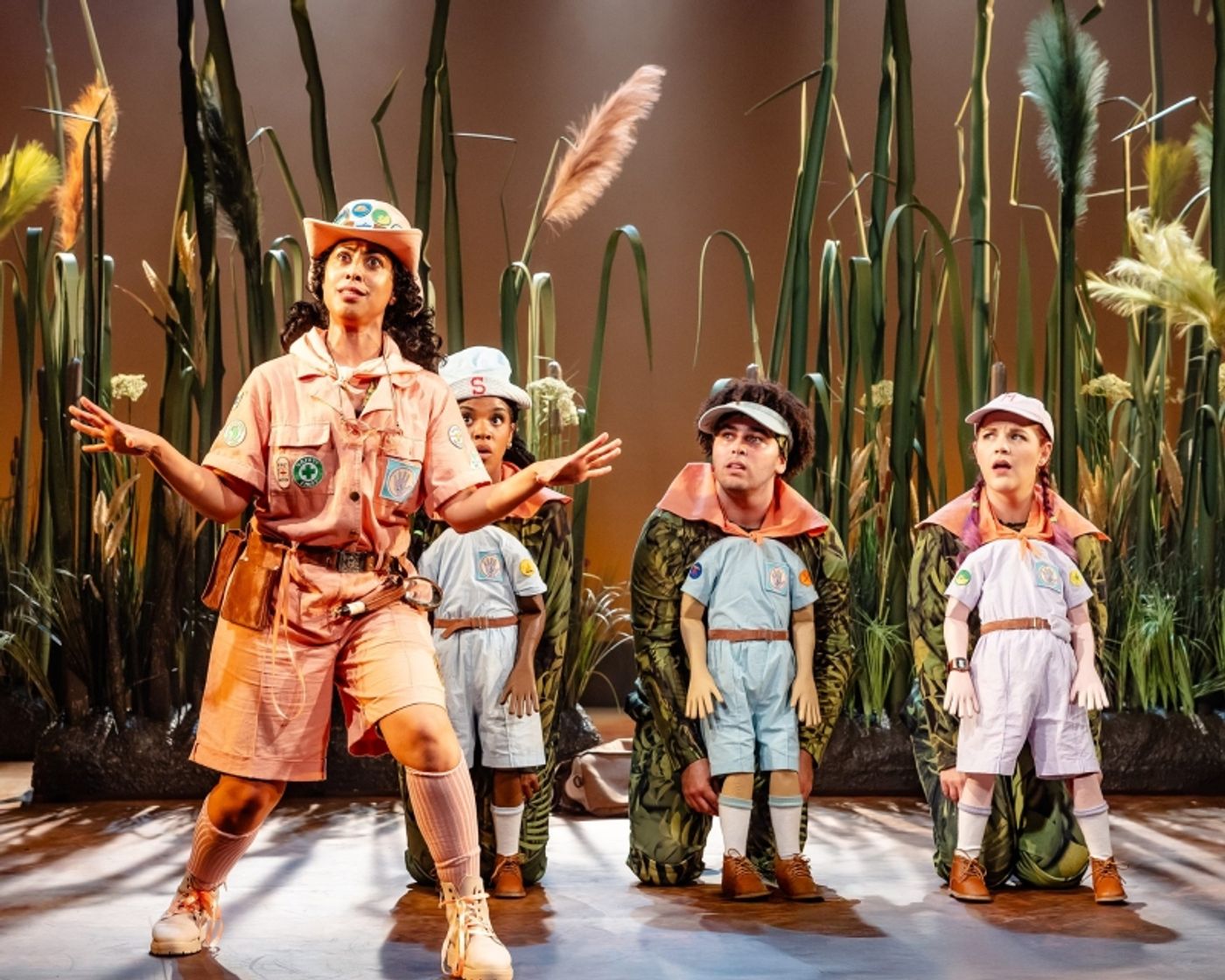
Yes. There’s a lot of call-and-response, which is another African trope I wanted to use. So in the music there are moments where the kids respond back to the song, and they're singing with the actors. Like, if a spider is coming down, and the scout master doesn't see it, the kids will spek out to say, ‘Hey, there's something going on here.’ So it's very engaging for them in that way.
What do adults get out of it?
The music is catchy, and the storyline is clever, silly, and funny. It engages kids with their parents. It's not like when you go to a Pixar movie where the parents have their own narrative going on, and there are jokes that are above the kids’ heads and only the parents are going to get. This is very much meant for everyone.
Did the puppetry influence your music?
No. Toby Olié is a genius. He is an incredible puppet master, and he came onto the team a little bit later. Once he did, it fully realized the project. The puppets are big and bold, kind of Jim Henson-inspired.
What was it like seeing the show fully realized for the first time?
At the first preview, I got so overwhelmed and emotional because it was perfect. It was exactly what we hoped, and it’s only gotten better.
Do you want to keep composing musical theater?
I would love to do as much as I possibly can. It was so much fun. I got bit by the bug and I'm obsessed now.
Anything else you want families to know about the story?
A lot of people in the United States didn’t grow up with The Enormous Crocodile. There’s an actual enormous crocodile statue in England. There’s a lot of it everywhere. I’m excited that this text can come here and maybe inspire more kids to read it or inspire parents to read it to their kids—something new and fresh for kids in the United States.
*Photos by Danny Kaan, courtesy the Center Theatre Group
The Enormous Crocodile plays at the Kirk Douglas Theatre December 5 to January 4, 2026. Tickets start at $40 and art available at https://www.centertheatregroup.org/shows-tickets/douglas/202526/the-enormous-crocodile/
|
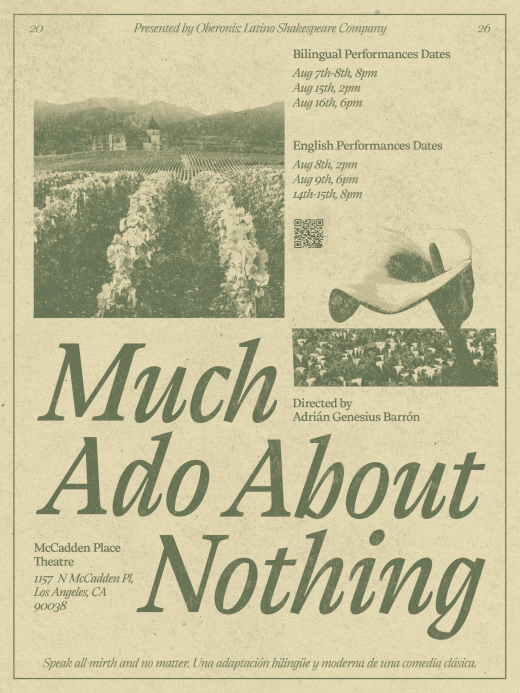
Much Ado About Nothing McCadden Place Theatre (8/07-8/16) |
|
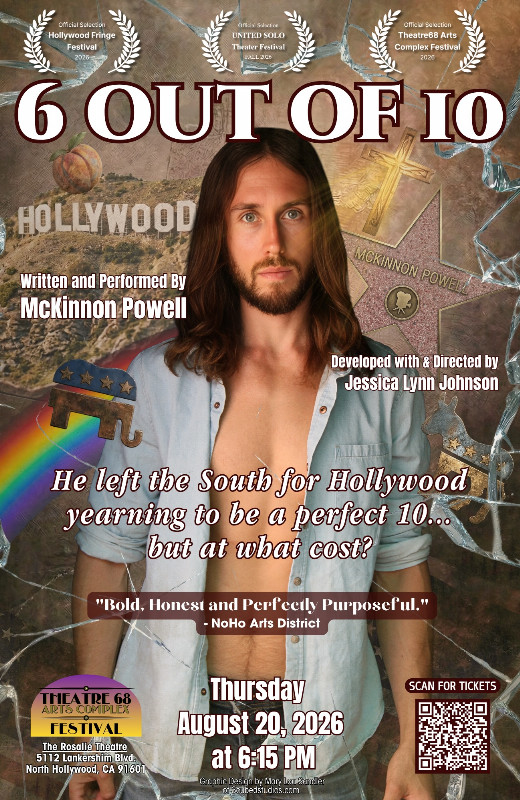
6 Out of 10 Theatre 68 (8/20-8/20) |
|
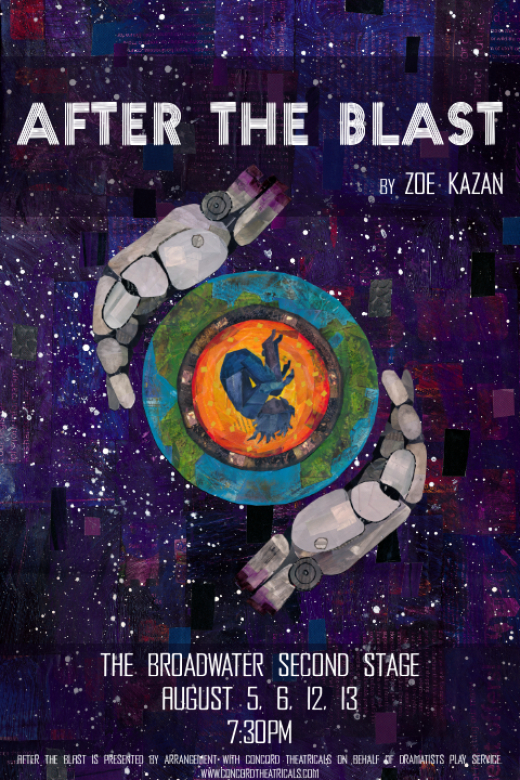
After the Blast The Broadwater Second Stage (8/05-8/13) |
|
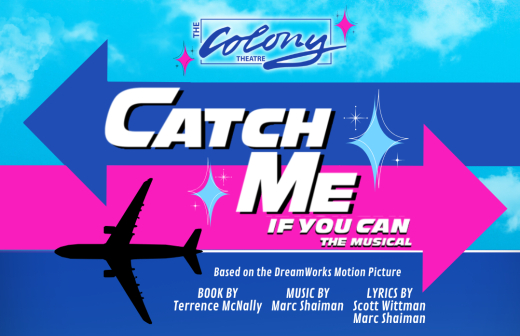
Catch Me If You Can Colony Theatre (9/17-10/18) |
|
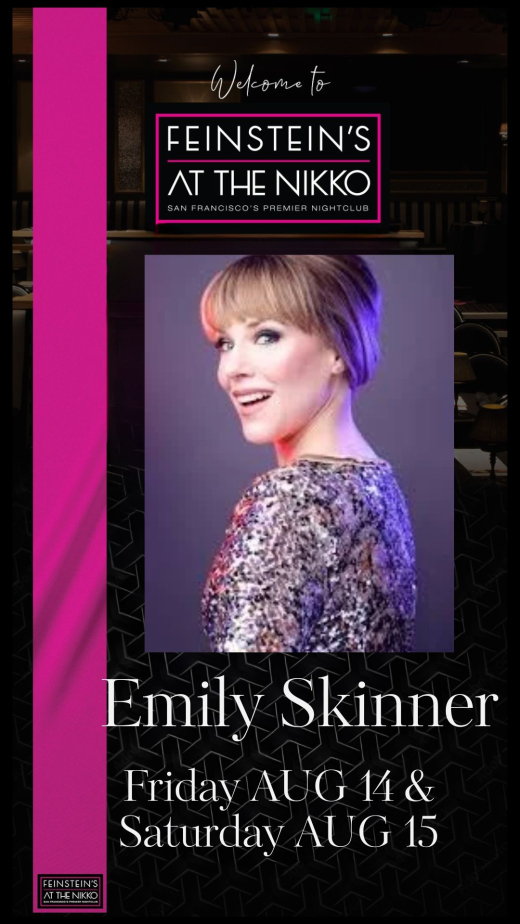
Emily Skinner: In Concert Feinstein's at the Nikko (8/14-8/15) |
|
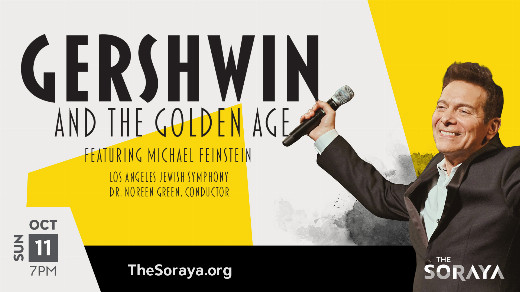
Gershwin and the Golden Age Younes and Soraya Nazarian Center for the Performing Arts (The Soraya) (10/11-10/11) |
|
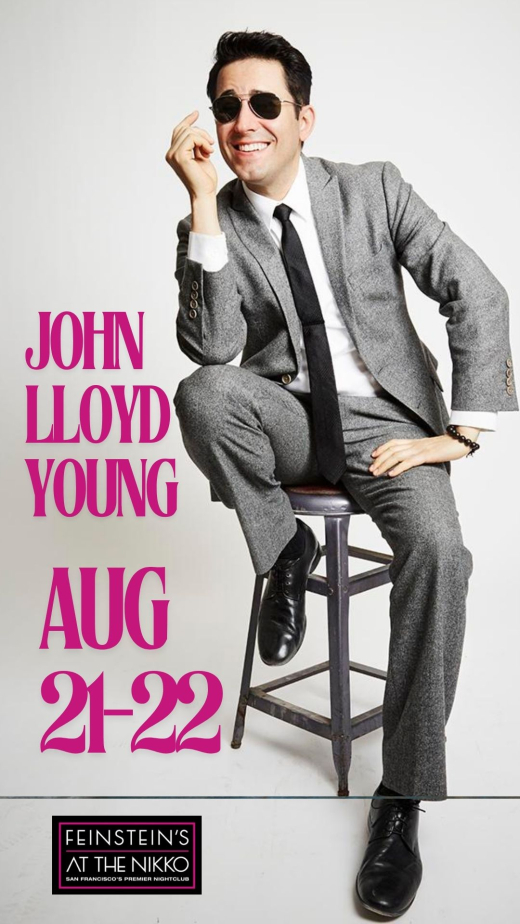
John Lloyd Young Feinstein's at the Nikko (8/21-8/22) |
|
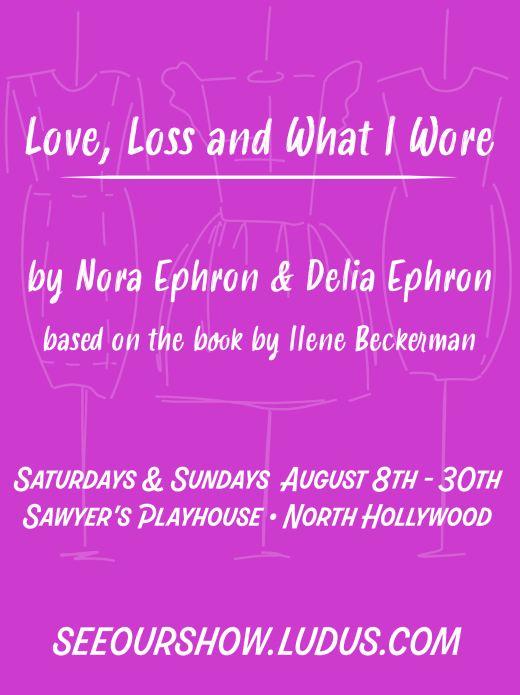
Love, Loss and What I Wore Sawyer's Playhouse (8/08-8/30) |
|
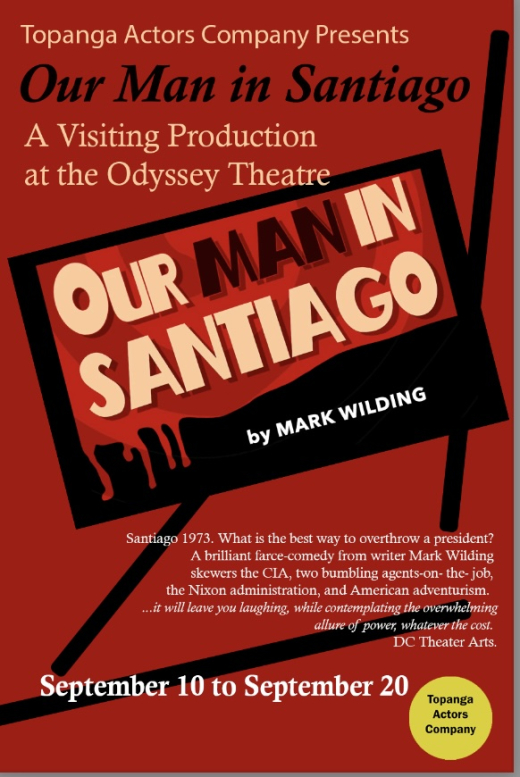
Our Man in Santiago by Mark Wilding Odyssey Theatre Ensemble (9/10-9/20) |
|
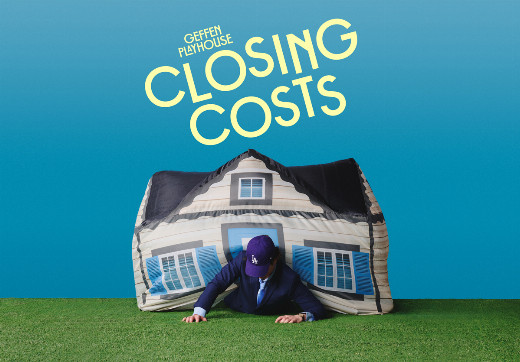
Closing Costs Gil Cates Theater (3/31-5/02) |