


Review: JOHN PROCTOR IS THE VILLAIN at University Of The Ozarks - Walton Fine Arts Center Black Box
Students tackle #metoo and The Crucible with raw honesty

For my first visit to the Walton Fine Arts Center Black Box on the University of the Ozarks campus in Clarksville on May 1, I had the pleasure of attending John Proctor Is The Villain by Kimberly Belflower. The intensity of this performance left me deeply moved, not just by the play itself, but by the passion and commitment of the students bringing it to life. They definitely exceeded all my expectations.
John Proctor Is The Villain is set in a contemporary high school classroom in rural Georgia, where students are studying Arthur Miller’s The Crucible amidst the #metoo movement. As they analyze the play’s themes of hysteria, morality, and reputation, unsettling parallels begin to emerge in their own lives. When a well-respected father of one of the girls is accused of molesting children, and another student reveals she has had a sexual relationship with a teacher, the classroom becomes a pressure cooker of emotion and truth. In both situations, the adult men involved are quietly excused or forgiven by the community, while the girls are left to bear the weight of social stigma.

As tensions rise, the students begin to question not only the literature in front of them, but also the systems and narratives they’ve been taught to accept. Why are certain people protected while others are silenced? Why do we still idolize flawed men like John Proctor? Through emotional confrontations and a growing sense of solidarity, the students begin to find their voices.
Directed by Dr. Macy Jones, the student ensemble handled this powerful material with remarkable grace and unity. I was genuinely impressed by how well the cast worked together to tell such a complex and serious story. The energy and vulnerability they brought to the stage made the stakes feel real and immediate. They all did exceedingly well, but there were a few shockers in the storyline that really made me take notice.

Anthony Nuno, as their teacher Carter Smith, played it cool and friendly, approachable, even likable. However, as the story began to unfold and accusations surfaced, his demeanor took on a more unsettling complexity. What once seemed like casual charm gradually revealed undertones of manipulation and boundary-crossing. Nuno skillfully navigated this shift, allowing the audience to feel the discomfort of watching a trusted figure lose his moral footing. His performance underscored one of the play’s most powerful themes: that harm doesn’t always come from obvious villains, but often from those who hide behind likability and authority, and when I saw that he was already grooming Beth Powell (RyleeAnn Hill), I almost verbally screamed out ‘run away’.
Kaden Thomas as Lee Turner made me jump a few times with his aggression toward Raelynn Nix, played by Kate Baptiste. His portrayal captured the raw frustration and confusion of a young man grappling with his own insecurities in a world where the rules seem to be shifting. Thomas brought a simmering intensity to Lee, making his outbursts feel unpredictable yet deeply rooted in fear of losing control. It was a bold performance that added tension and realism to the ensemble.

Catasia Ferguson owned her role as Shelby Holcomb, the girl who had a relationship with Mr. Smith. She brought strength to the character, capturing the emotional complexity of a young woman trying to make sense of a situation that has left her both exposed and betrayed. Ferguson's performance was layered, showing Shelby's vulnerability with authenticity and fervor. Her scenes were some of the most emotionally charged in the play, and she carried those moments with honesty, making Shelby's journey one of the most powerful arcs in the production.

The intimacy of the Black Box theater only enhanced the intensity of the performance. Being so close to the actors made their choices more impactful and their emotions more raw. There were moments so powerful and sometimes startling that could only be achieved through the kind of immersive environment that theatre like this offers.
This first introduction to this program was amazing, and I can’t wait to see what else these scholars bring to the stage in the coming semesters. If you would like to learn more about the theatrical education here, visit their website at ozarks.edu/academics/university-theatre.


|
Angels in America Part One: Millennium Approaches Actors Theatre of Little Rock (8/05-8/22) |

|
Sweeney Todd- the Demon Barber of Fleet Street Pocket Community Theatre (8/07-8/16) |

|
Three Days Grace, I Prevail & The Funeral Portrait Walmart AMP (10/28-10/28) |

|
Scrooge! The Musical Pocket Community Theatre (12/04-12/13) |

|
Wait Until Dark Pocket Community Theatre (10/02-10/11) |

|
Three Days Grace, I Prevail & The Funeral Portrait at Walmart AMP Walmart AMP (10/28-10/28) |
|
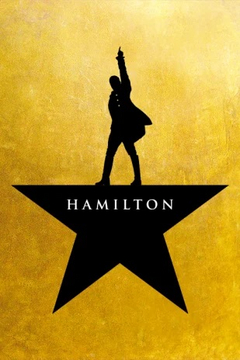
Hamilton (Angelica Company) Robinson Center Music Hall (8/25-9/01) |
|
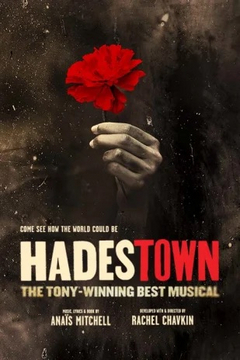
Hadestown (Non-Equity) Walton Arts Center [Baum Walker Hall] (2/05-2/07) |

|
The Woman In Black Pocket Community Theatre (10/30-10/31) |
|
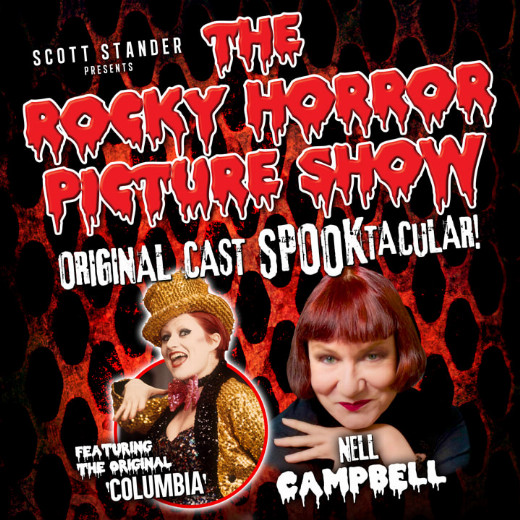
The Rocky Horror Picture Show Spooktacular Tour with Nell Campbell Robinson Center (10/20-10/20) |
Reader Reviews
To post a comment, you must register and login.