


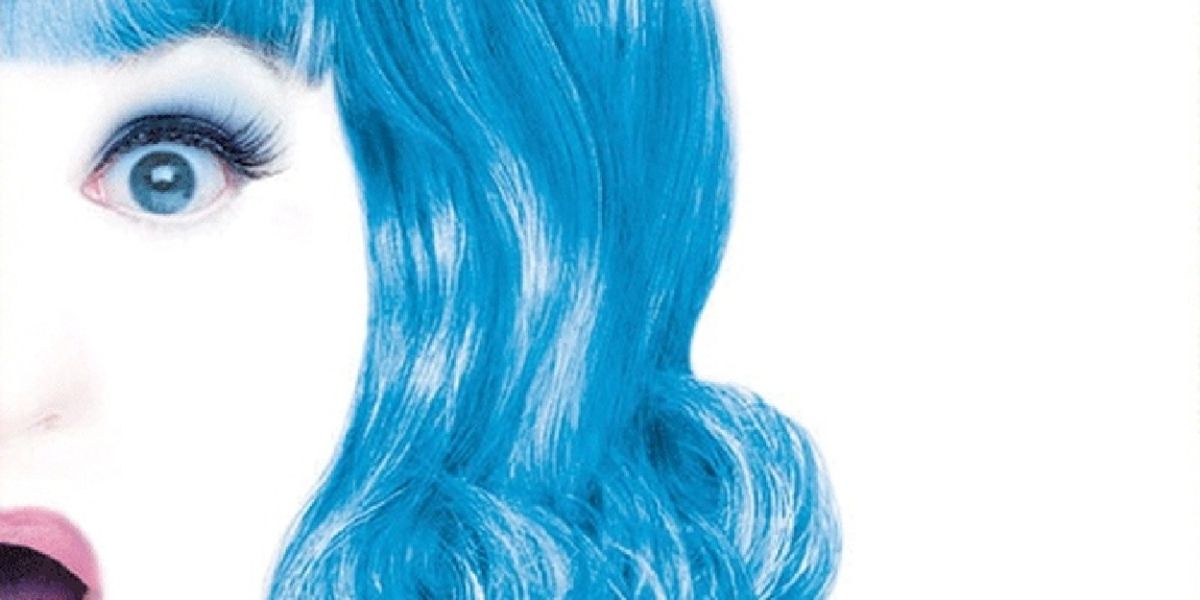
Wilmington Drama League has mounted a joyous and exuberant Hairspray, a dazzling production before a sold-out opening night audience. A joker smile was plastered on my face from first note to last. Post show, it took 2 double vodka tonics to regain a normal expression.
Superbly directed and choreographed by Patrick Murray, with music directed by Vittoria Coleman, the plot addresses racism boldly unswervingly and within the upbeat, comedic frame of a 1960s teen musical. Set in 1962 Baltimore, the show critiques racial segregation and celebrates the power of integration, individuality, and allyship through dance, humor, and heart. It cleverly uses humor, upbeat music, and a retro aesthetic to broach heavy topics
The backdrop of Hairspray is a racially divided America, where TV shows, schools, and neighborhoods are segregated. The central battleground in the musical is The Corny Collins Show, a local dance program that only allows Black dancers to appear once a month on “Negro Day.” This unjust policy becomes a symbol of the larger racial inequalities of the era.
The fact that Tracy Turnblad, (Jane Haracz) is the star of Hairspray is significant—both within the world of the story and in the broader context of musical theatre and cultural representation. It carries layered meaning: Tracy’s role directly challenges the long-standing bias that idealizes thinness—especially for female protagonists. In most musicals before Hairspray, the leading lady was conventionally slim and physically idealized. Haracz’s characterization of joyful self-confidence, and indefatigable resolve is a profound statement that beauty, worth and talents come in all body types. Tracy loves to dance, dreams big, and pursues love and justice without hesitation.
And speaking of justice, Tracy is thrown in jail simply because the Mayor did not agree with her actions. TACO Trump would have approved the incarceration – justified in a social media screed in UPPER CASE. He would surely have flown our heroine to Guantanimo on Avelo Airlines.
Casting was magnificent. Tracy’s mother Edna, the cross-dressing (Ashley Grantham) adroitly goes from high pitch voice to bass basso, accompanied by delightful response from the audience. We never knew what ‘teenage jakabagger’ was. Now we do. Edna explained.
Velma Von Tussle (Beth Dugan) and her daughter Amber (Lauren Cusick) represent white privilege and entrenched racism. Both characters are stereotypes. Yet the two ladies carry it off in a comedic way. It was brilliant of the book writer to have them join in the gayety at final curtain.
Amber’s heartthrob boyfriend Link Larkin, the talented (Cole Miller) flips the switch on normal casting of romantic leads. He decides his true love is Tracy. The character, once again, reinforcing the theme of the story.
The leading Black characters, Motormouth Maybelle (Shana Roberts) and Seaweed (Shawn Weaver) are portrayed as talented, vibrant, and integral to the Baltimore music scene, yet are systematically excluded from mainstream opportunities. Motormouth’s stirring anthem, “I Know Where I’ve Been”, is a deeply emotional centerpiece that gives voice to the pain and perseverance of the Black community. Roberts received a deserved Standing O; rare in a song half way through an act.
WDL has perhaps two of the strongest comediennes in the region. Catherine Callahan, late of the leading role in Mary Poppins, plays 4 roles. Aisle Say’s favorite was that of that of the maniacal jail warden. Callahan’s brilliant physical comedy and elastic facial expressions reminded one of “I Love Lucy” in the iconic scenes in the chocolate factory and the vitameatavegin bit, where the liquid vitamin drink was 25% alcohol and Lucy gets tipsy.
Tracy’s devoted friend Penny Lou (Hayley Hughes) was drop dead hysterical. Her glasses were classic. Monitors on SL and SR showing b & w period scenes added to the ‘60’s vibe. My favorite was when Penny draped herself outside of Tracy’s jailhouse window.
Everyone who has ever been in live theatre bonds with their mates. Aisle Say guarantees that many of the participants in this singular production will be friends for life.
The final number, “You Can’t Stop The Beat” (or, to my mind, “You Can’t Stop To Breathe”, due to its relentless energy) is a jubilant celebration of progress and inclusivity, affirming that societal change—though difficult—is inevitable and worth fighting for.
By wrapping its social message in earworm songs and embracing characters with substance, Hairspray ensures its message reaches wide audiences without compromising its convictions.
Through June 15
Welcome to the Wilmington Drama League 302.764.1172
|
Mean Girls Clear Space Theatre Company (6/26-8/29) |

|
Pretty Woman Clear Space Theatre Company (7/01-8/25) |
|
|
Clear Space Theatre Company presents Mean Girls: The Musical (Children 12 and under are free to attend and do not need a ticket when sitting in the La Freeman Arts Pavilion (8/19-8/19) |
|
She Loves Me Possum Point Players (11/13-11/22) |
|
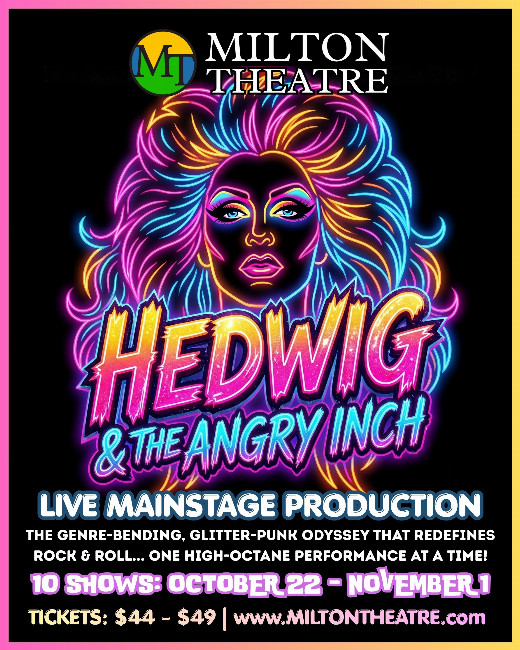
Hedwig and the Angry Inch Milton Theatre (10/21-11/01) |
|
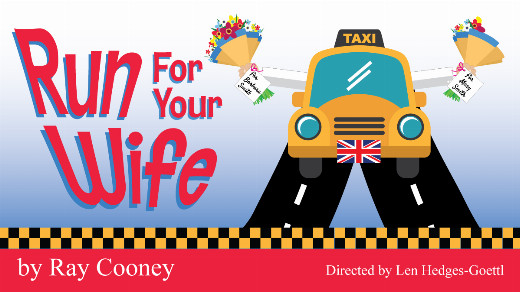
Run For Your Wife Kent County Theatre Guile (9/11-9/26) |
|
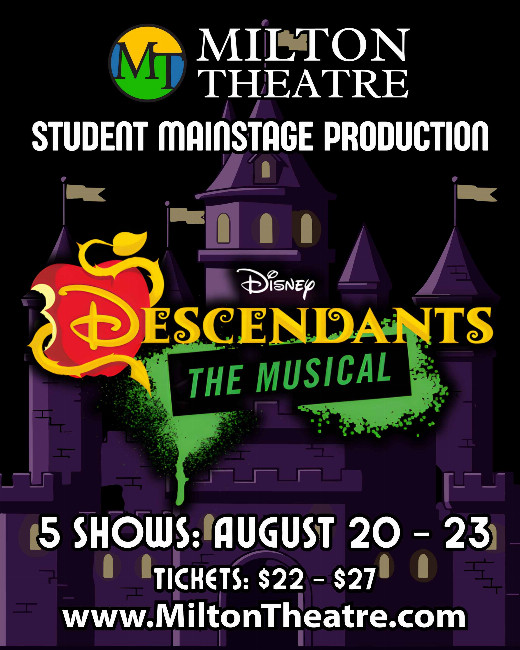
Disney's Descendants: The Musical Milton Theatre (8/20-8/23) |
|
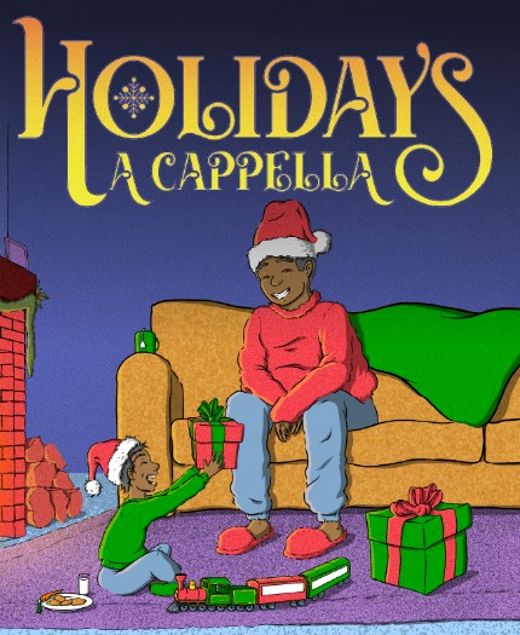
Holidays a cappella at Chicago a cappella Chicago A Cappella (10/25-8/25) |
|
Ken Ludwig's Baskerville: A Sherlock Holmes Mystery Second Street Players (8/21-8/30) |
|
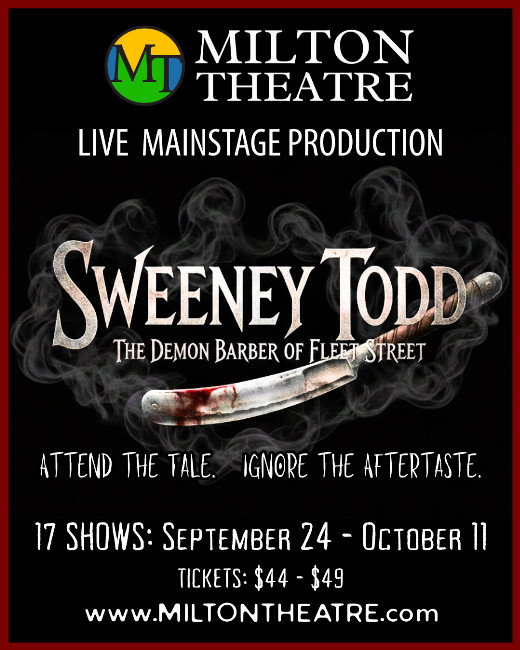
Sweeney Todd: The Demon Barber Of Fleet Street Milton Theatre (9/24-10/11) |
Reader Reviews
To post a comment, you must register and login.