


Review: AND THEN THERE WERE NONE at Resident Ensemble Players
Performances run through Nov 16
There’s something deliciously unnerving about sitting in a theater knowing that no one on stage will make it out alive. Resident Ensemble Members production of Agatha Christie’s And Then There Were None — the best-selling mystery novel of all time, is that rare, perfect storm of tight plotting, psychological suspense, and gallows humor. The latest stage revival, directed with clockwork precision and cinematic flair by Charles Fee, brought the Queen of Crime’s masterpiece to life with elegance, menace, and a wink of British propriety.
From the moment the curtain rose on the lavish drawing room of Soldier Island, the audience was transported to 1939 — a world of crystal decanters, grand pianos, and moral hypocrisy polished to a gleam. The set, designed by Rick Martin, was exquisite in every sense. The lighting by Cat Wilson was a character in itself, shifting from warm afternoon sunlight to ghostly moonbeams that slithered across the floor as the death count rose.
But what truly elevated this production were the performances — each actor embodying Christie’s morally compromised characters with uncanny specificity.
Erin Partin was sensational as Vera Claythorne, the former governess whose self-possession masks deep guilt. Her Vera was modern yet true to the period — elegant, wounded, and ultimately tragic. The climactic scene, where she confronts her own conscience, was so taut you could hear the collective heartbeat of the audience.
Stephen Pelinski, a seasoned actor whose stage gravitas recalls John Gielgud, lent gravely comic dignity to Justice Wargrave. His every word carried the authority of a man used to judgment — perhaps because he knows he’ll ultimately deliver it. His subtle, deliberate performance turned what could have been a stock “elder statesman” role into something chillingly precise. His final revelation drew audible gasps — proof that even audiences who know the story can be caught off guard by superb execution.
Mic Matarrese as Captain Philip Lombard was the evening’s charismatic wild card. With a devil-may-care grin and rakish swagger, he played Lombard as a man equally at ease flirting with danger or embracing a scotch and water.
Kathleen Pirkl Tague was pitch-perfect as the prim and judgmental Emily Brent, wielding her Bible like a weapon. Her disapproval of the “modern world” was deliciously venomous. Hassan El-Amin brought a weary vulnerability to Dr. Armstrong, capturing the torment of a man whose professional guilt has eaten away at his soul. Lee E. Ernst’s Blore provided comic relief without sacrificing menace, a balance that is harder than it looks.
If Christie’s script is a symphony of deceit and accusation, then the costumes designed by Kim Krumm Sorenson provided its visual melody.
Fee wisely resisted modernizing Christie’s world. Instead, the production luxuriated in its period detail, allowing the class distinctions, moral hypocrisies, and simmering tensions to speak for themselves.
What makes the play endue is its perfection of structure. Ten strangers summoned to a remote island under false pretenses. A nursery rhyme predicting their deaths. One by one, they perish — each punishment fitting their private sin. It is the original “locked-room” thriller, and even 85 years later, it feels fresh, eerie, and uncomfortably relevant.
By the final blackout, when only Vera stands trembling beneath the noose, the audience sat in breathless silence before erupting into applause. Few mysteries earn their chills through atmosphere and restraint alone. This one did.
This production was a masterclass in precision, tone, and theatrical craftsmanship. From the sumptuous set and period-perfect costumes to performances that mined every ounce of guilt and dread from Christie’s masterpiece. It was the kind of evening that reminds you why live theatre endures: because suspense, when rendered this elegantly, needs no special effects — just great actors.
It is not merely as a whodunit, but as a modern morality play tracing its lineage to Greek tragedy and Elizabethan revenge drama. Beneath the clever mechanics of its mystery beats the timeless question: when does legitimate authority end, and when — if ever — does an individual have the right to take justice into their own hands?
By the Elizabethan era, that impulse took darker, more psychological form. Think of Shakespeare’s Hamlet, the revenger becomes both executioner and victim, consumed by the very justice he seeks. The line between righteousness and madness blurs. So it is with Wargrave. He is an embodiment of the law unmoored from its institutions. His reasoning is chillingly logical: each of his guests has escaped earthly punishment for a grave sin, and so he fashions himself as the instrument of divine retribution. His meticulous plan satisfies the audience’s thirst for order even as it exposes the monstrousness of moral absolutism.
Why are we, as an audience, so fascinated by revenge? Because it speaks to the primal ache for balance in a chaotic world. When someone commits a crime and escapes punishment, that equilibrium shatters. We can only wait until Trump gets his retribution.
Christie gives us the ultimate fantasy of perfect justice: no loopholes, no technicalities, no corrupt systems or human frailty to interfere. Ten sinners, ten punishments, and a rhyme that keeps score. The boundaries between punishment and murder blur until justice itself becomes suspect.
In the world of And Then There Were None, formal authority — the courts, the police, the state — has abdicated its role. Wargrave steps into the vacuum, cloaked in the illusion of righteousness. There is no redemption, no forgiveness, no learning. Just the cold satisfaction of evening the score.
Yet we, the audience, lean forward. Because deep down, we recognize that same hunger in ourselves — the wish that wrongdoers might one day face a reckoning unburdened by bureaucracy. Revenge stories allow us to indulge that fantasy safely, within the confines of art.
The play remains so haunting precisely because it offers the perfect revenge — and then shows us its moral void. Solitary Island becomes a kind of Greek stage, its guests like tragic figures doomed by their own hubris.
Aisle Say is proud and privileged to say that I have reviewed them since their inaugural season in 2008-2009. Will not soon forget Pelinski, Gotch and Matarrese in that one. Rep needs to bring that back. Hint. Hint.
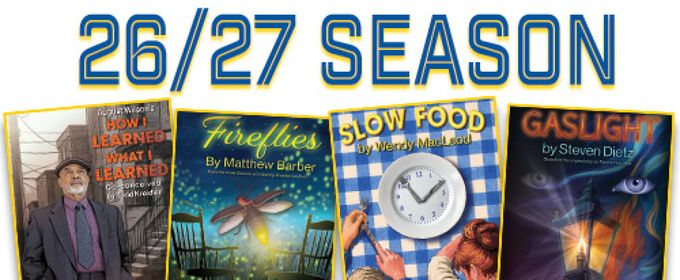

|
Mean Girls Clear Space Theatre Company (6/26-8/29) |

|
Pretty Woman Clear Space Theatre Company (7/01-8/25) |

|
Disney's Descendants: The Musical Milton Theatre (8/20-8/23) |
|
|
Clear Space Theatre Company presents Mean Girls: The Musical (Children 12 and under are free to attend and do not need a ticket when sitting in the La Freeman Arts Pavilion (8/19-8/19) |
|
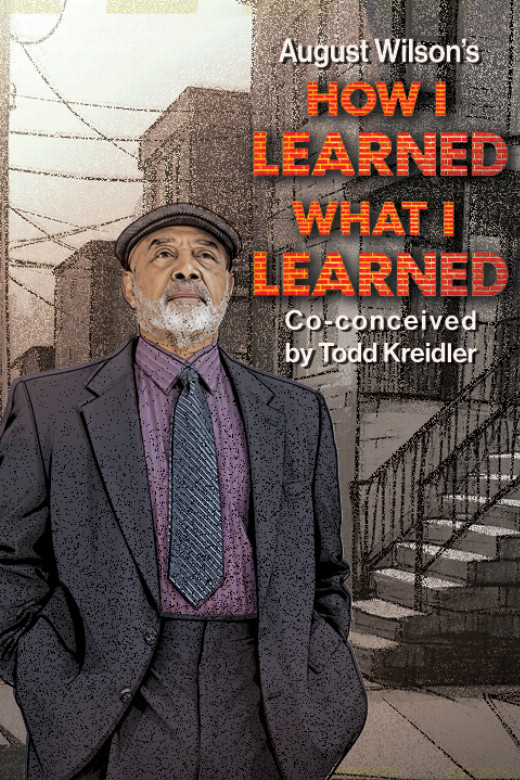
August Wilson's HOW I LEARNED WHAT I LEARNED Resident Ensemble Players (9/04-9/20) |

|
FIREFLIES Resident Ensemble Players (10/29-11/15) |

|
Beetlejuice JR. Second Street Players (10/09-10/18) |

|
Run For Your Wife Kent County Theatre Guile (9/11-9/26) |

|
Hedwig and the Angry Inch Milton Theatre (10/21-11/01) |
|
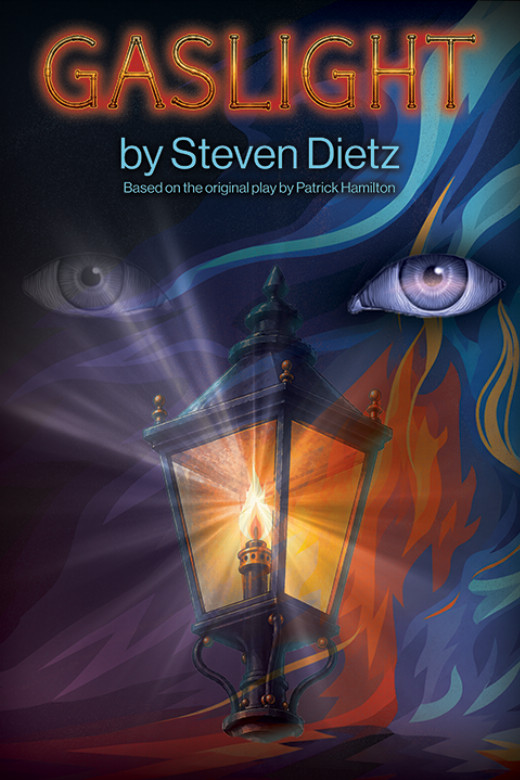
GASLIGHT Resident Ensemble Players (4/22-5/09) |
Reader Reviews
To post a comment, you must register and login.