


|
Die Mommie Die!
(11/19/2011) Comic melodrama. . Little Theatre. . Characters: 3 male. 3 female. . Interior set. . Newly revised! This comic melodrama evokes the 1960's movie thrillers that featured such aging cinematic icons as Bette Davis, Joan Crawford, Lana Turner and Susan Hayward. Faded pop singer, Angela Andrews, is trapped in a corrosive marriage to film producer, Sol Sussman. In her attempt to find happiness with her younger lover, an out of work TV star, Angela murders her husband with the aid of a poison... |
 |
|
The Diaries of Adam and Eve
(11/19/2011) Comedy . Characters: 1 male, 1 female . Exterior Set. Originally broadcast on American Playhouse, this delightful adaptation is set in a Victorian garden and is structured as a series of diary entries by Adam and Eve. The play also works as a reader's theatre piece. At first, Adam is puzzled by the new arrival in the garden and he is suspicious of her disturbing appetite for fruit. Eve, believing herself to be some sort of experiment, is curious about another experiment in the garden, perhaps s... |
 |
|
The World of Theatre: Tradition and Innovation
(11/29/2005) The World of Theatre is the first introduction to theatre book to truly focus on diversity and globalism, integrating coverage of multicultural, international and experimental theatre throughout. Theatre is presented as a global and multicultural form that reflects both traditional and evolving world views. While the American commercial theatre and European forms are central to the text, alternative theatres are placed side by side for comparison and contrast in each chapter, thus avoiding the s... |
 |
|
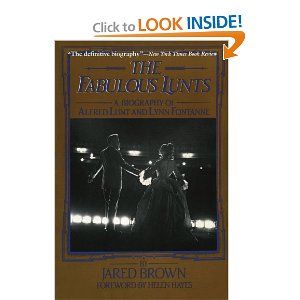
The Fabulous Lunts: A Biography of Alfred Lunt and Lynn Fontanne
(10/13/2005) For 40 years, Alfred Lunt and Lynn Fontanne were the most acclaimed stage actors in America. From 1928 (six years after their marriage) until their retirement in 1960, they appeared only togethermost notably in drawing-room comediesperfecting the subtle team playing that became their hallmark. In this comprehensive biography, Brown, theater professor at Western Illinois University, meticulously documents the couple's lives. Describing the perishable art of stage performance (the Lunts made few f... |
 |
|
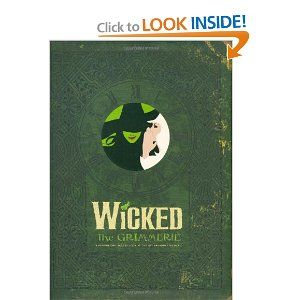
Wicked: The Grimmerie, a Behind-the-Scenes Look at the Hit Broadway Musical
(10/5/2005) Wicked is not just a musical, it is a phenomenon. Every week 15,000 people pack New York+s Gershwin Theatre to see the show. The most successful musical on Broadway in 2004, Wicked is based on the bestselling novel of the same name by Gregory Maguire. It tells the story of Elphaba, the headstrong Wicked Witch of the West, and Glinda, the good witch, growing up in the Land of Oz. The show has cast a spell on fans, many of whom return for second and third viewings. In 2005, the show begins an exte... |
 |
|
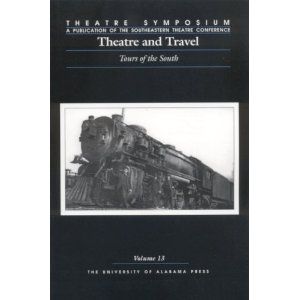
Theatre and Travel: Tours of the South
(3/2/2005) Presents rare information on traveling circus, minstrel, opera, and Toby shows. This collection of essays explores an understudied but pervasive aspect of American theatre: theatre on the road, from minstrel shows and Toby shows to contemporary African American theatre, 19th-century circus rail travel, and small-town opera houses. The challenges in gathering and compiling data on these ephemeral productions, from such far-flung sources as railroad schedules and weather reports, minutes f... |
 |
|
New York Then/New York Now
(2/21/2005) New York Then/New York Now—a collection of essays, memoirs, interviews, commentary, and plays—contemplates New York City’s history and future as a center for groundbreaking theatrical forms and ideas. Featuring the work of theater artists, producers, and critics, this special issue of Theater is concerned with the ideas and practicalities of making theater in and for New York within specific historical, political, and economic contexts. The first section, “New York Then,” reflects on ... |
 |
|
The Complete Lyrics of Irving Berlin
(1/10/2005) Gathered together in one volume for the first time: all of the incomparable song lyrics of Irving Berlin, whose career and work are the most important and all-encompassing in the history of American popular music. Berlin came from a poor immigrant family and began his career as a singing waiter, but by the time he was nineteen he was publishing his songs and quickly found fame with "Alexander's Ragtime Band" in 1911. In the extraordinary six decades that followed, Berlin wrote one popular hit... |
 |
|
The Cambridge Companion to Edward Albee
(1/1/2005) Edward Albee, perhaps best known for his acclaimed and infamous 1960s drama Who's Afraid of Virginia Woolf?, is one of America's greatest living playwrights. Now in his seventies, he is still writing challenging, award-winning dramas. The essays in this collection provide a comprehensive, multi-faceted survey of Albee's career. Written in an engaging and accessible way, this book should appeal equally to students, scholars, and general readers. |
 |
|
The Complete Annotated Gilbert & Sullivan
(1/1/2005) Lovers of Gilbert and Sullivan will be in heaven with the publication of these two books, which nicely complement each other. Stedman (English, Roosevelt Univ., Chicago) offers an outstanding study of this playwright and his often overlooked works, with much of its value deriving from its study of Gilbert without Sullivan. The author is a recognized expert on Gilbert as well as the Victorian time period, and she shows him to be a complex and interesting man who often found himself at odds with ... |
 |
|
A Hymn to Him: The Lyrics of Alan Jay Lerner
(8/1/2004) In the course of a career which produced sixteen musicals, most of them written in collaboration with his long-standing partner Fritz Loewe, Alan Jay Lerner won a place among the greatest lyricists of the century. Songs like "On a Clear Day," "I've Grown Accustomed to Her Face," "I Remember It Well," "On the Street Where You Live," and many others have transcended the musicals for which they were written and passed into common currency. This collection of Lerner's lyrics includes not only the mu... |
 |
|
The Season: A Candid Look at Broadway
(7/1/2004) Playwright/novelist/screenwriter Goldman analyzes Broadway from the perspective of the audiences, playwrights, critics, producers and actors. |
 |
|
The Cambridge Companion to David Mamet
(1/1/2004) This collection of specially written essays offers both student and theatregoer a guide to one of the most celebrated American dramatists working today. Readers will find the general and accessible descriptions and analyses provide the perfect introduction to Mamet's work. The volume covers the full range of Mamet's writing, including now classic plays such as American Buffalo and Glengarry Glen Ross, and his more recent work, Boston Marriage, among others, as well as his films, such as The Ver... |
 |
|
Golda's Balcony: A Play
(11/21/2003) The sold out off-Broadway smash has moved to Broadway! The rise of Golda Meir from impoverished Russian schoolgirl to Prime Minister of Israel is one of the most amazing stories of the 20th century. Now her life has been transformed into a one-woman play of overwhelming power and triumph by William Gibson, author of The Miracle Worker. Golda's Balcony earned actress Tovah Feldshuh a 2003 Drama Desk award."Enlightening ... Now, hearing from someone who was there at the birth of the country, who ... |
 |
|
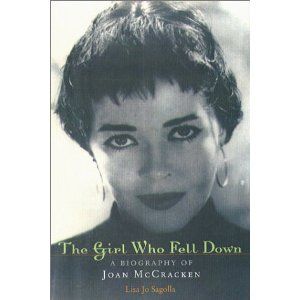
The Girl Who Fell Down: A Biography of Joan McCracken
(9/18/2003) An overnight sensation for her 1943 comedic role as "The Girl Who Falls Down" in the groundbreaking musical Oklahoma!, McCracken established the prototype dancer-comedienne, headlining in ballet, stage, film, and television productions before her life was tragically cut short by complications from diabetes. Author Lisa Jo Sagolla draws on extensive interviews with McCracken's friends, family, and colleagues to paint a complex portrait of the petite, blue-eyed, and sprightly entertainer as a w... |
 |
|
The Wadsworth Anthology of Drama
(6/25/2003) Known through three editions as the boldest and most distinguished introduction to drama, William Worthen's pace-setting text continues to provide exciting plays usefully situated within their historical and cultural contexts. |
 |
|
Let the Sun Shine In: The Genius of Hair
(6/13/2003) "Shining, gleaming, steaming, flaxen, waxen" In 1967, Hair launched a revolution. It rejected every convention of Broadway, of traditional theatre in general, and of the American musical specifically. It paved the way for the nonlinear concept musicals that dominated American musical theatre innovation thereafter. It also launched the careers of such actors as Diane Keaton, Melba Moore, Tim Curry, Peter Gallagher, and Ben Vereen. "Knotted, polka-dotted, twisted, beaded, braided" With more r... |
 |
|
John Gielgud: The Authorized Biography
(4/1/2003) Part of the generation of great Shakespearean actors that included Michael Redgrave, Ralph Richardson, and Laurence Olivier, Gielgud outlived them all--to the very end performing in movies, reading Shakespeare on the radio, and hawking California wines on TV--to die at 96, on the verge of the new millennium. Ironically, he was a late bloomer. Early stage appearances in the 1920s were awkward and unsure, as were his first attempts in the movies. But Gielgud, driven by love of the craft and his fa... |
 |
|
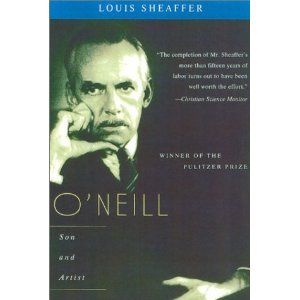
O'Neill: Son and Artist
(11/25/2002) The turbulent, often tragic life of America's greatest playwright, Eugene O'Neill, is laid bare in this acclaimed and insightful biography. |
 |
|
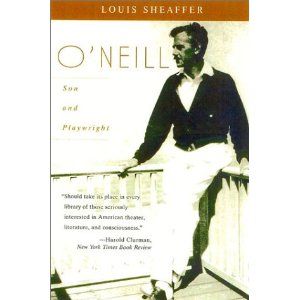
O'Neill Volume I: Son and Playwright
(11/25/2002) The turbulent, often tragic life of America's greatest playwright, Eugene O'Neill, is laid bare in this acclaimed and insightful biography |
 |
|
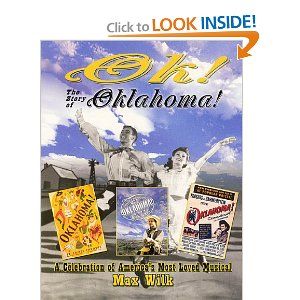
OK! The Story of Oklahoma!: A Celebration of America's Most Beloved Musical
(3/1/2002) The first pairing of Richard Rodgers's music and Oscar Hammerstein's lyrics, along with Agnes de Mille's choreography, turned the sentimental Green Grow the Lilacs , written by a playwright named Lynn Riggs, into a phenomenon that was to set the standard for musical theater. And few first-nighters attending the 1943 Broadway opening of Oklahoma! could have known that they were witnessing the genesis of modern musical comedy. Conveying a "Hey, I was there" ambience, Wilk ( Don't Raise the Bridge ... |
 |
|
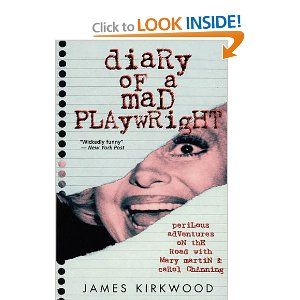
Diary of a Mad Playwright: Perilous Adventures on the Road with Mary Martin and Carol Channing
(3/1/2002) In this wild, humorous tale of the theater world, novelist and playwright Kirkwood ( A Chorus Line ) self-indulgently describes his three-year-long roller-coaster attempt to present his play, Legends! Here are vivid accounts of how Kirkwood found, lost and found again financiers, producers, directors, managers, a cast and supporting crew. Although much of the book's zany action centers on the two feuding actresses--Carol Channing and Mary Martin--who played the major roles of two feuding actress... |
 |
|
Shakespeare
(1/17/2002) Like Burgess's early novel, Nothing Like the Sun: A Story of Shakespeare's Love-Life, this equally delightful factual treatment of what we know of the Bard combines Burgess's stimulating erudition and his well-informed imagination. The result is at once a speculative biography, a theatrical history, and a re-creation of the Elizabethan age. Whether a vivid retracing of the evolution Elizabethan theater, a bravura reconstruction of the first performance of Hamlet, an infiltration of the intricaci... |
 |
|
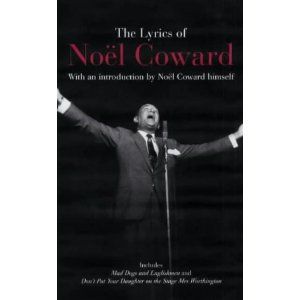
The Lyrics of Noel Coward
(1/1/2002) Mad Dogs and Englishmen, Don't Put your Daughter on the Stage, Mrs Worthington and over 250 more lyrics from Coward's musical masterpieces. Noel Coward is one of the greatest lyricists of the twentieth century. Songs such as A Room with a View, The Stately Homes of England, Mad Dogs and Englishmen and Mrs Worthington are known, sung and loved the world over. This edition gathers together over 250 of Coward's lyrics, arranged in chronological order and grouped by show. In addition, these masterp... |
 |
|
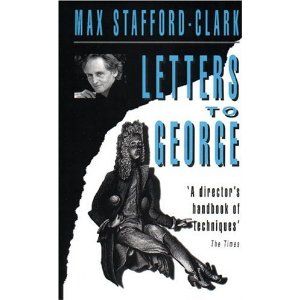
Letters to George
(3/1/2001) Letters to George is a director's handbook of techniques written from inside the theatre; a brand new kind of rehearsal log. |
 |
|
An Actor and His Time
(4/1/2000) John Gielgud tells the story of his life in the theatre, from the time of the great actor/managers like Tree and du Maurier and star actresses like Sarah Bernhardt and his own great aunt Ellen Terry, to his famous partnerships with Laurence Olivier and Ralph Richardson. |
 |
|
Theatre World 1994-1995, Vol. 51
(1/1/2000) Theatre World, the statistical and pictorial record of the Broadway and off-Broadway season, touring companies, and professional regional companies throughout the United States, has become a classic in its field. The book is complete with cast listings, replacement producers, directors, authors, composers, opening and closing dates, song titles, and much, much more. There are special sections with biographical data, obituary information, listings of annual Shakespeare festivals and major drama a... |
 |
|
Theatre World 1993-1994, Vol. 50
(1/1/2000) Theatre World, the statistical and pictorial record of the Broadway and off-Broadway season, touring companies, and professional regional companies throughout the United States, has become a classic in its field. The book is complete with cast listings, replacement producers, directors, authors, composers, opening and closing dates, song titles, and much, much more. There are special sections with biographical data, obituary information, listings of annual Shakespeare festivals and major drama a... |
 |
|
The Social Significance of Modern Drama
(1/1/2000) Out of print virtually since its completion in 1914, Emma Goldman's pioneer work Social Significance in Modern Drama bridges modern drama and political philosophy, pointing out the road that remains to be travelled toward a theatre of social empowerment. Activist, feminist, philosopher and anarchist, Emma Goldman was a passionate thinker about all things modern when the 20th century was still raw and new. The emergence of her treatise on the theatre after years of obscurity is certain to arouse ... |
 |
|
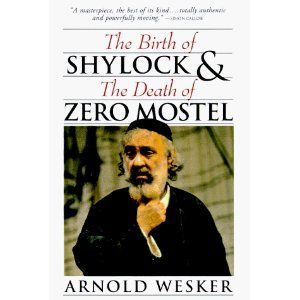
The Birth of Shylock & the Death of Zero Mostel
(5/1/1999) Shakespeare's Shylock in The Merchant of Venice--the epitome of money-grabbing avarice and cruelty--is, Arnold Wesker believes, "a libel on the Jews" and a reflection of Elizabethan racism. Wesker, one of Britain's most revered playwrights, decided to create a counter portrait to the Bard's offensive character by writing his own play, Shylock, in which the Jew is compassionate, intelligent, and deeply moral. John Dexter, the world-renowned director, arranged to have it open on Broadway in 1977 w... |
 |
|
Polaroid Stories
(1/1/1999) Naomi Iizuka’s 1997 play, Polaroid Stories, consciously uses stories, characters and themes from Ovid’s Metamorphoses to tell the stories of street kids living on the edge in a desolate, urban landscape. Because these characters are named after Orpheus and Eurydice, and Echo and Narcissus, or based on stories of Dionysus, and Ariadne and Theseus, and because scenes are entitled “The Story of Semele” or “Theseus in the Labyrinth,” Iizuka creates a world that has two dimensions: the g... |
 |
|
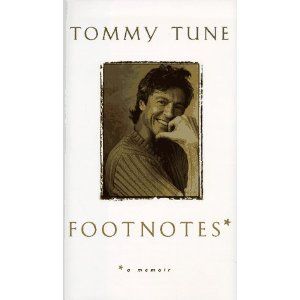
Footnotes: A Memoir
(11/6/1997) Broadway icon Tommy Tune rummages through the packed attic of his eventful life as a nine-time Tony-winning dancer, director, and choreographer for his colorful memoir, Footnotes. Tune brings forth a surprising amount of grit from the glitter and froufrou, plus several startlingly graphic passages. His Texas boyhood amid supportive parents lead to a quick rise in the world of 1970s Broadway, and brought this modern-day Fred Astaire to success at the helm of shows such as Nine, My One and Only, G... |
 |
|
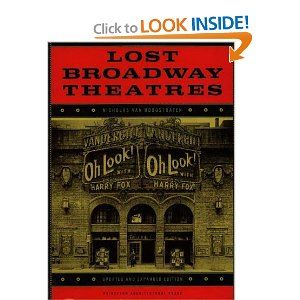
Lost Broadway Theatres
(9/1/1997) Theaters are more than just buildings, more than giant musical instruments, as some have described them. For regular theatergoers, they're old friends. When a theater disappears, there's a palpable sense of mourning. Updated to 1997, Lost Broadway Theatres recalls, in photos and memories, playhouses from the colossal and opulent American Theatre, now a parking lot, to the cozy Punch and Judy, now the site of an office building. The good news is that several of the houses previously considered do... |
 |
|
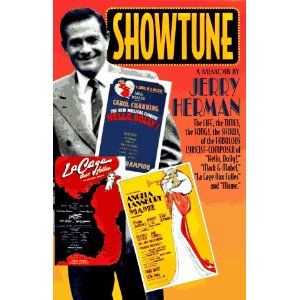
Showtune: A Memoir
(11/1/1996) This memoir is by the man who created the Broadway hits "Hello Dolly!," "Mame," and "La Cage Aux Folles." The self-described "Mr. Show Business, the razzmatazz musical comedy writer, a cheerful man whose life is dedicated to making people smile and feel good and leave the theater humming a show tune," Jerry Herman takes readers on a sentimental journey, retracing his steps toward big-time success and occasional disappointment. Though Herman relates losing his lover to AIDS, and tells of his own ... |
 |
|
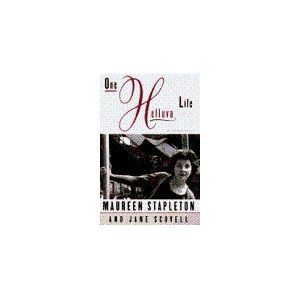
One Hell of a Life
(9/20/1995) Stapleton (b. 1925) has enjoyed a long career as a character actress and has won every award in sight: Oscar, Tony, Emmy. Her memoir, written with Scovell, covers her starstruck girlhood, her Broadway debut in 1946 and her charter membership in the Actor's Studio and offers insights into her art in such roles as Serafina (The Rose Tattoo). Along the way she talks candidly about her friendship with Marilyn Monroe, her struggle to save Montgomery Clift from self-destruction, the emotional dues she... |
 |
|
The Complete Lyrics Of Lorenz Hart
(1/1/1995) This expanded edition includes an appendix of previously uncollected and newly discovered lyrics. |
 |
|
Musicals!: A Complete Selection Guide for Local Productions
(12/2/1994) From A . . . My Name Is Alice to The Zulu and the Zayde, this second edition of a title first published in 1984 contains information about 500 musicals (100 of which are new to this edition) available for production by community theaters and schools. Listed alphabetically by title, each entry includes date of original production, playwright, composer, lyricist, plot summary, licensing agent and music publisher, recordings and librettos available (for in-depth research by the user), and cast (num... |
 |
|
Angels in America, Part Two: Perestroika
(11/1/1993) The second half of the author's Pulitzer Prize-winning drama, Angels in America, follows the characters introduced in Millennium Approaches into the 1990s as they continue to struggle with the ravages of AIDS. Original. |
 |
|
Angels in America, Part Two: Perestroika
(11/1/1993) The second half of the author's Pulitzer Prize-winning drama, Angels in America, follows the characters introduced in Millennium Approaches into the 1990s as they continue to struggle with the ravages of AIDS. Original. |
 |
|
Angels in America, Part One: Millennium Approaches
(5/1/1993) The most anticipated new American play of the decade, this brilliant work is an emotional, poetic, political epic in two parts: Millennium Approaches and Perestroika. Spanning the years of the Reagan administration, it weaves the lives of fictional and historical characters into a feverish web of social, political, and sexual revelations. |
 |
|
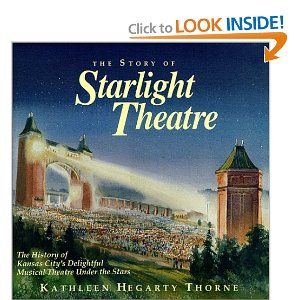
The Story of Starlight Theatre
(3/1/1992) Starlight Theatre is a magic place where an evening of musical theatre under the stars in Kansas City's Swope Park speaks so strongly of emotion that the audience is transformed by the presence of the creative experience. This book is filled with historical photos and provides a "behind the scenes" look at the real workings of the second largest outdoor theatre in the United States. A must for theatre goers everywhere. Unlike many other art forms, live outdoor theatre is a participatory expe... |
 |
|
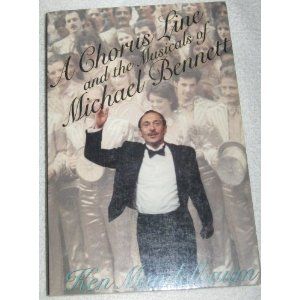
A Chorus Line and the Musicals of Michael Bennett
(7/1/1990) Mandelbaum, who writes about musical theater for several New York publications, here pays tribute to the accomplishments of the young director-choreographer who died of AIDS in 1987. He traces the evolution of Bennett's style from his early works (including Company and Follies ) to the high point of his career, A Chorus Line , and beyond ( Ballroom ; Dreamgirls ). The major part of the book is devoted to the longest-running show in Broadway history. The chapter on the improvisatory workshops in ... |
 |
|
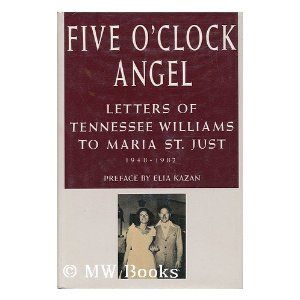
Five O'Clock Angel: Letters of Tennessee Williams to Maria St. Just
(1/1/1990) A remarkable collection of letters reveals the most intimate portrait yet available on the private life of Tennessee Williams. Maria St. Just was for 30 years Williams' closest friend, confidant, and reader and the inspiration for Maggie in Cat on a Hot Tin Roof. |
 |
|
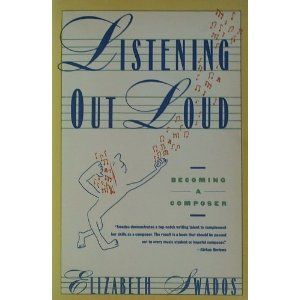
Listening Out Loud: Becoming a Composer
(9/1/1989) The latest entry in Harper & Row's series on the professions explores composition as a career. Best known for her musical theater work (e.g., Doonesbury ), Swados has also written operas, oratorios, and TV and film scores. With this broard perspective, she addresses many musical styles (rock, jazz, classical), work settings (concert hall, theater, recording studio), and the composer's job from creative impulse to the craft of composition to the practical task of getting the music performed. Some... |
 |
|
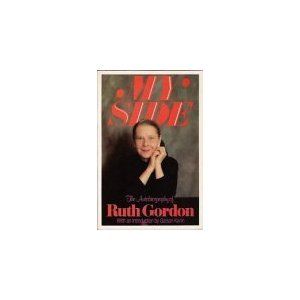
My Side: The Autobiography of Ruth Gordon
(5/2/1986) Ruth Gordon's autobiographical account. |
 |
|
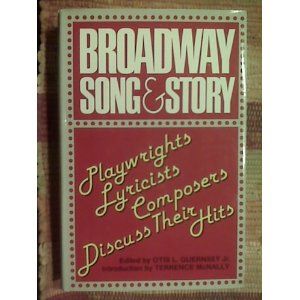
Playwrights, Lyricists, Composers, on Theater
(1/1/1986) Largely culled from the Dramatists Guild Quarterly, here are reflections about Broadway by many of its most successful professionals. The entries, most in the form of dialogues or panel discussions, are in three sections: analyses of specific shows (Death of a Salesman, Gypsy, Torch Song Trilogy, etc.) by those who created and performed in them; conversations with individual dramatists about their own careers; and group discussions of more general theater topics, such as criticism, librettos and... |
 |
|
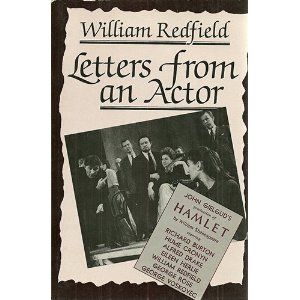
Letters from an Actor
(4/1/1984) Letters from William Redfield while he was performing in the Gielgud-Burton production of "Hamlet." |
 |
|
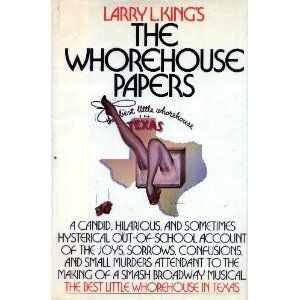
The Whorehouse Papers
(5/17/1982) A Candid, Hilarious, and sometimes hysterical out of school account of the joys, sorrows, and confusions, and small murders attendant to the making of a smash Broadway Musical. |
 |
|
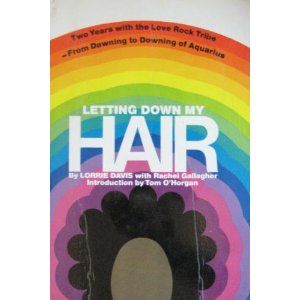
Letting My Hair Down
(1/1/1973) Lorrie Davis's account of two years with the love rock tribe of the musical 'Hair' --from dawning to downing of Aquarius |
 |
|
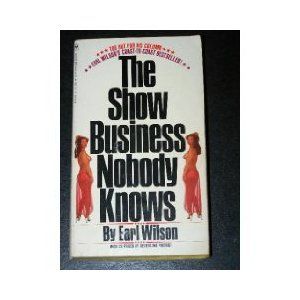
The Show Business Nobody Knows
(1/1/1973) Wilson was writer with the New York Post whose column ran from 1942 until 1983. His chronicling of the Broadway scene during the "Golden Age" of show business formed the basis for his book 'The Show Business Nobody Knows' which was published in 1971. |
 |
Videos