


Interview: Ins Choi of KIM'S CONVENIENCE at Ahmanson Theatre
The breakout hit, which inspired a popular Netflix series, runs March 21 through April 19
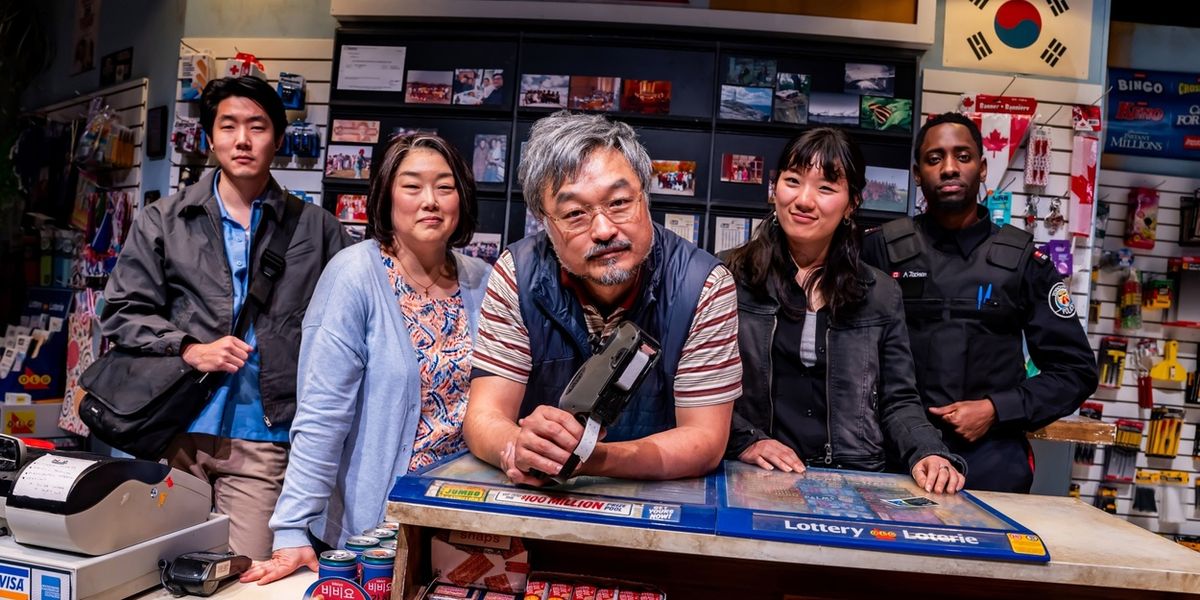
When Kim’s Convenience first premiered at the Toronto Fringe Festival in 2011, few could have predicted the global reach the small play about a Korean-Canadian convenience store owner and his family would achieve.
But the intimate family comedy—written by actor and playwright Ins Choi—quickly became a breakout hit, inspiring a television adaptation that ran for five seasons on CBC and later found an international audience on Netflix.
Now, Kim’s Convenience returns to its theatrical roots, playing at the Ahmanson Theatre in Los Angeles from March 21 through April 19 as part of a North American tour.
While fans of the TV series will recognize the characters and setting, the stage play offers a slightly different experience, blending humor with a deeper dramatic tone while unfolding in a single, live theatrical arc. Choi himself is also returning to the show. When the play first premiered, he performed as Jung, the rebellious son. Now, more than a decade later—and with children of his own—he is stepping into the role of “Appa,” the family patriarch.
Ahead of the show’s Los Angeles run, Choi spoke with BroadwayWorld about writing the play, Asian representation in theater, and what it means to bring the Kim family story to the stage again.
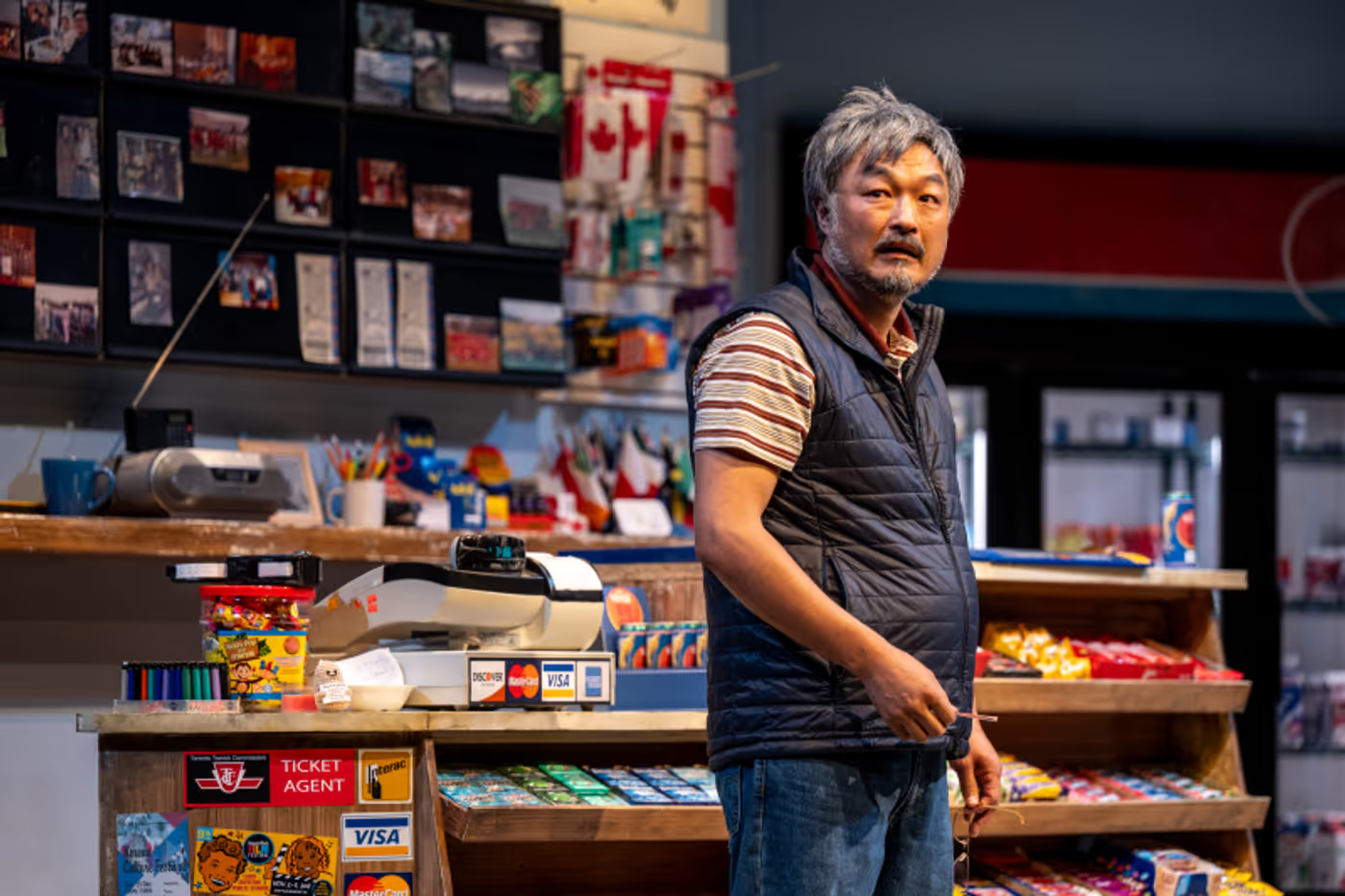
For those who may not know the story, how would you summarize Kim’s Convenience?
It's the extraordinary day in the life of a Korean shop owner, his family, and their store. They’re a working-class immigrant family trying to make ends meet, trying to communicate with their adult children. It's a broken family. They're trying to heal.
How is the stage play different from the TV series?
Well, I wrote this before the TV series. A lot of people who are fans of the TV show come to see the stage play. They are welcomed by familiar characters, the set, and the comedy from the show, but they're pleasantly surprised at the dramatic tone in the stage play. And it's live, so there's a beginning, middle, end. It's a very great time at the theater.
Tell me about the role you're playing this time around.
I originally played the role of Jung—the prodigal son—back in 2011. And since then, I've gotten old, had some kids of my own. And now I'm taking on the role of “Appa,” the dad, the patriarch. He immigrated to Canada in the '80s and he has kind of an old school way of going about things, with old school values which kind of bump up against the newer values of his daughter. He's presented with an offer for the store, which gets him thinking about what would happen if he did sell the store. And so he tries to entice his daughter to take over the store, and that starts a domino effect of a bunch of events.
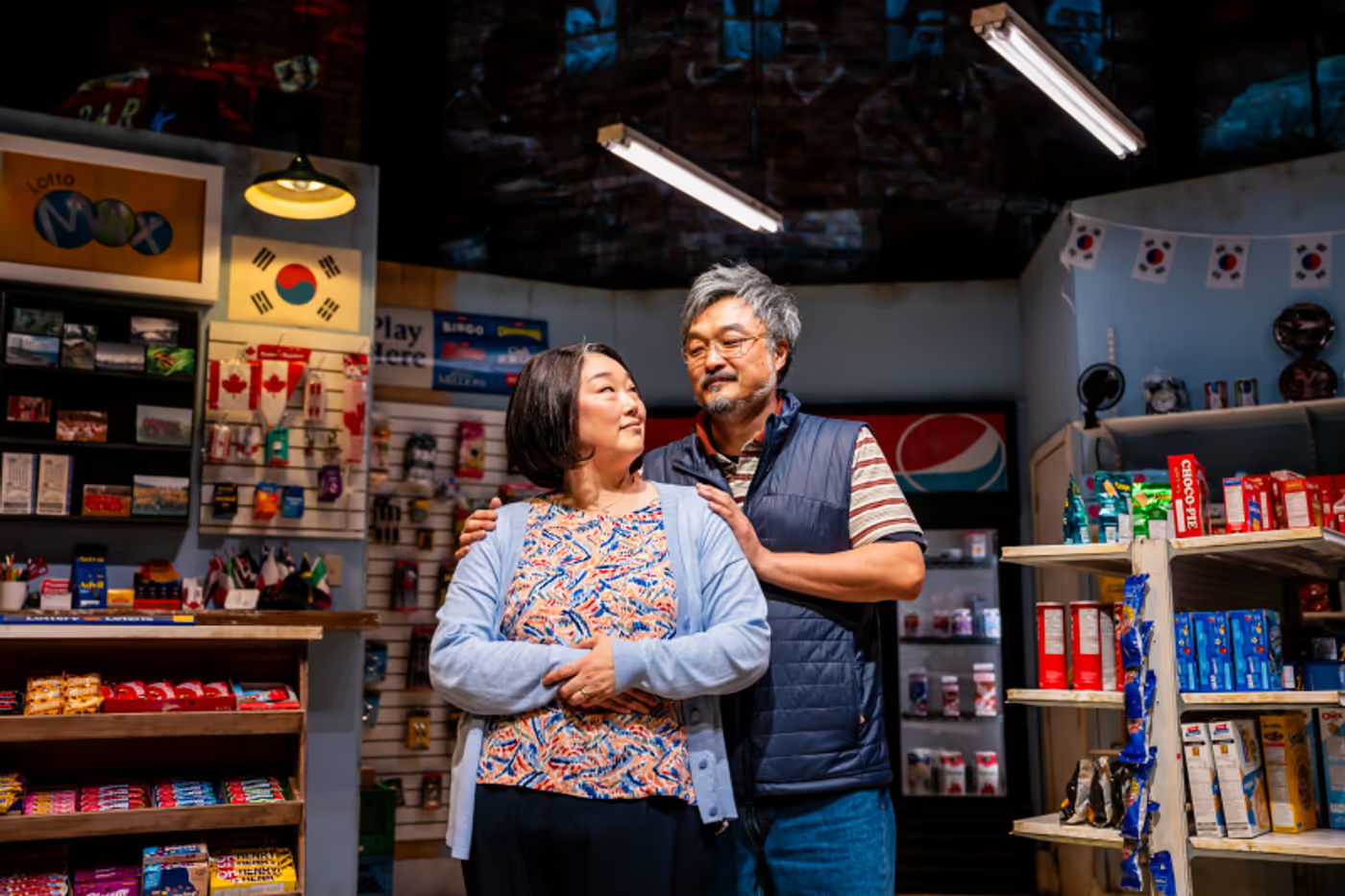
What does it feel like to step into the father role after originally playing the son?
It feels like the most normal thing. My two kids, they call their mom Mommy and they call me Appa. I taught them when they were babies to call me Appa because I really love the sound of that word. And it resonates for me with great resonance of playfulness and humor and strength like my Appa was. My kids have been preparing me for this role their whole lives.
When you first wrote the play, did you always intend to perform in it?
Yes—it kind of came out of a playwriting unit at an Asian Canadian theater company called fu-GEN, and it was a bunch of actors. We weren't seen or being cast in the theater scene in Toronto back then. And so we were encouraged to write our own vehicles.
You’ve spoken before about how few roles existed for Asian actors when you were starting out. Did that frustration lead you to write this play?
Yeah. No one else was doing it. If we weren't telling our own stories, who was going to? Who was going to cast us?
Now there are many more playwrights and many more productions featuring Asian families or Asian characters written by Asian playwrights. When I was growing up, I didn't see any Asians on stages—there was rarely an Asian in a movie or TV show. It's like, the first generation kind of lives the story. They come here; they suffer the most. And then the second generation tells the stories. Hopefully, to inspire the third generation to dream bigger.
Do you feel like representation has improved since the play premiered 15 years ago?
There's always work. I know the Toronto theater scene has shifted. There's been huge change in leadership and in representation and diversity. But there's still always a lot more to go.
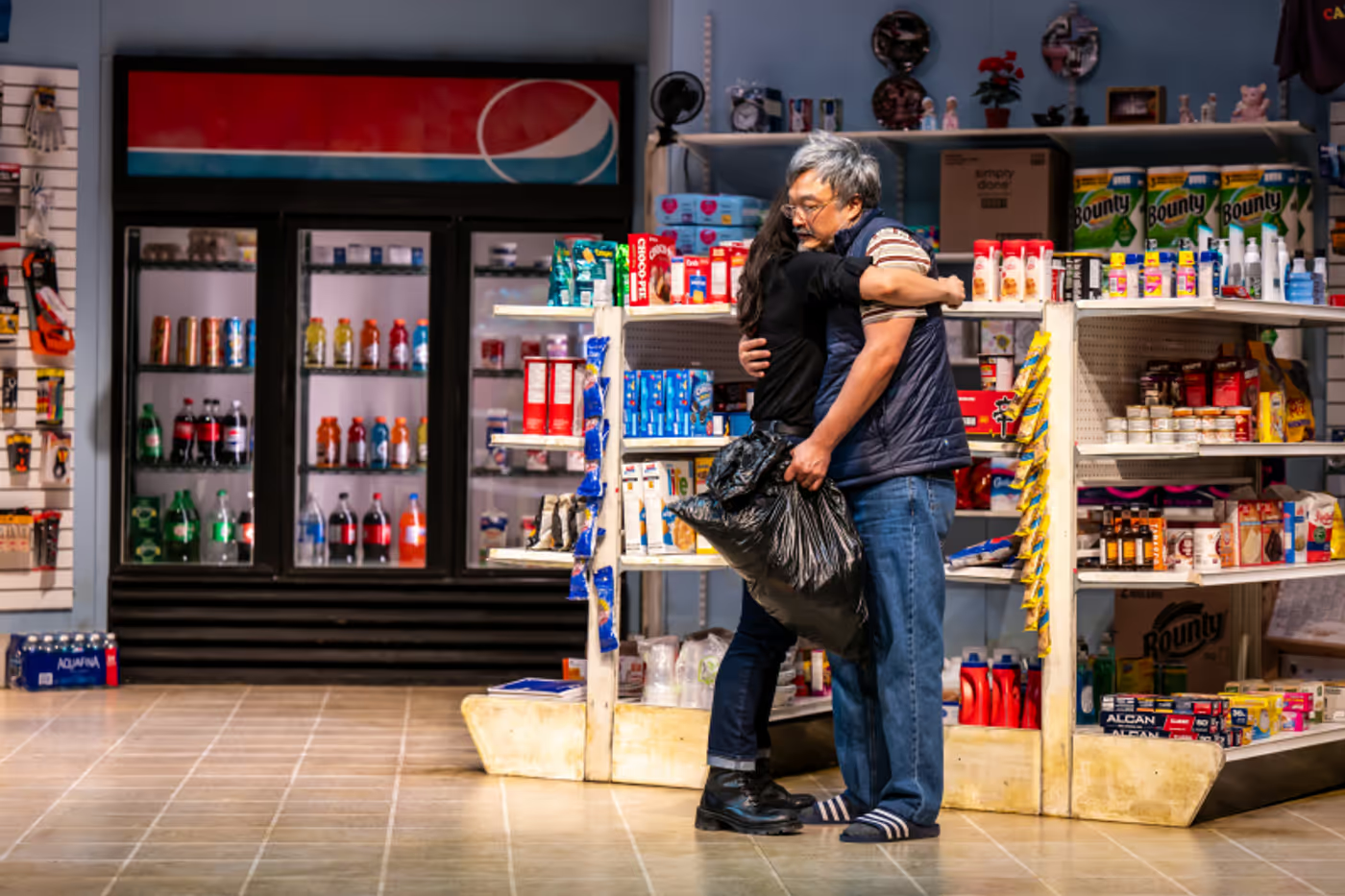
How much of the story is drawn from your own life?
I think, like many playwrights, everything's from everything. Everyone is everyone, right? The character of Appa is a hodgepodge of a bunch of men in my life. We're heading into LA, and my uncle, he owned a liquor store down there—his story is kind of featured in the play with his store and the events surrounding the Rodney King LA riots in 1992.
After that happened, he told me his story about what happened, and I was blown away. It just stayed with me. And then when I started writing the play, it kind of fit at a certain point.
How did he feel about becoming part of the play?
He loves it.
What did your parents and the rest of your family think when they first saw the play?
When I first launched at the Fringe Festival in 2011, that's when most of them came because it was $10 tickets. It was just around the corner from Koreatown, and they all loved it. They had never seen themselves featured on stage. I feel like some communities just kind of go through life and their stories aren't told, or they're not acknowledged until there's a documentary or until there's someone from that community telling their story.
There's always someone in every family back with a camcorder or a tape recorder, collecting stories. And I feel like they're uniquely gifted in every culture to spread the word, to share these stories so that other cultures can learn about these cultures and really see that there are more things that are similar to our cultures than there are differences.
But my parents and their generation—they all really appreciated the work. My dad came up to me and he thanked me after his father saw the play for the first time, which was kind of huge.
I heard the play was initially rejected by several theaters. Did that surprise you?
Oh, it was. I had sent it out to all the theater companies, but they knew me as an actor; they didn't know me as a writer. I wasn't really surprised. I was disappointed.
To be honest, it was all white, straight males who read it. They were good people—I knew them. I knew them as directors; I knew them as producers. But they just couldn't see it.
But then, when it became a big hit at the Fringe Festival, they all called me individually. They were like, “Hey, let's talk about this play again.”
Kim’s Convenience is playing at the Ahmanson Theatre March 21 through April 19. Tickets are available at www.centertheatregroup.org



|
E=MC² Einstein The Musical Kiki & David Gindler Performing Arts Center (7/03-7/26) |

|
Fool for Love Santa Monica Playhouse (7/23-7/26) |

|
Gershwin and the Golden Age Younes and Soraya Nazarian Center for the Performing Arts (The Soraya) (10/11-10/11) |

|
John Cameron Mitchell: Hedwig 25th Anniversary Movie Tour Wilshire Ebell Theatre (9/18-9/18) |

|
Matilda the Musical Lewis Family Playhouse (7/18-7/26) |
|
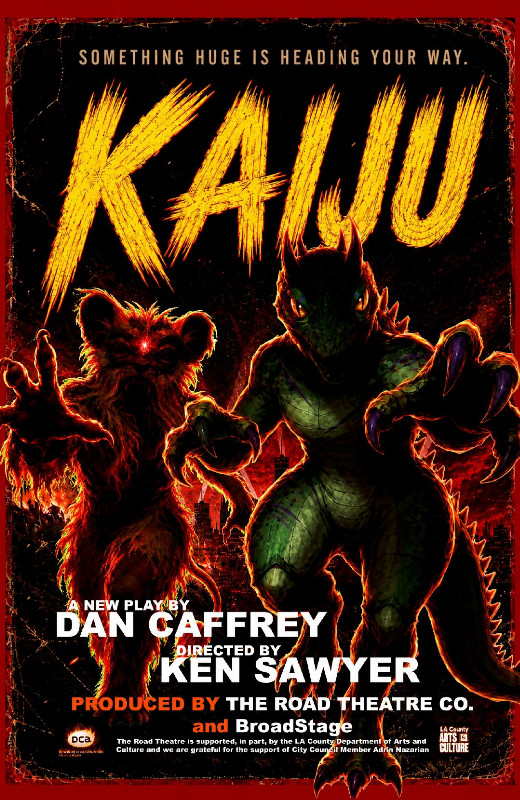
Kaiju The Road Theatre Company (9/22-11/01) |

|
Clue Ahmanson Theatre (9/08-9/12) |
|
Scapin North Coast Repertory (7/22-8/16) |

|
Liberation Gil Cates Theater (1/27-2/28) |

|
Silent Film "Battleship Potemkin" to be Screened with George Sarah's New Live Score Sierra Madre Playhouse (8/14-8/14) |