

Guest Blog: Actor David Alwyn on Duty and The Feast: Why We Still Do Dickens at THE GREAT CHRISTMAS FEAST
'Until the audience stops sharing in that euphoria with me, I'd say this tale still has some centuries in it yet.'
By: Guest Author Dec. 11, 2025
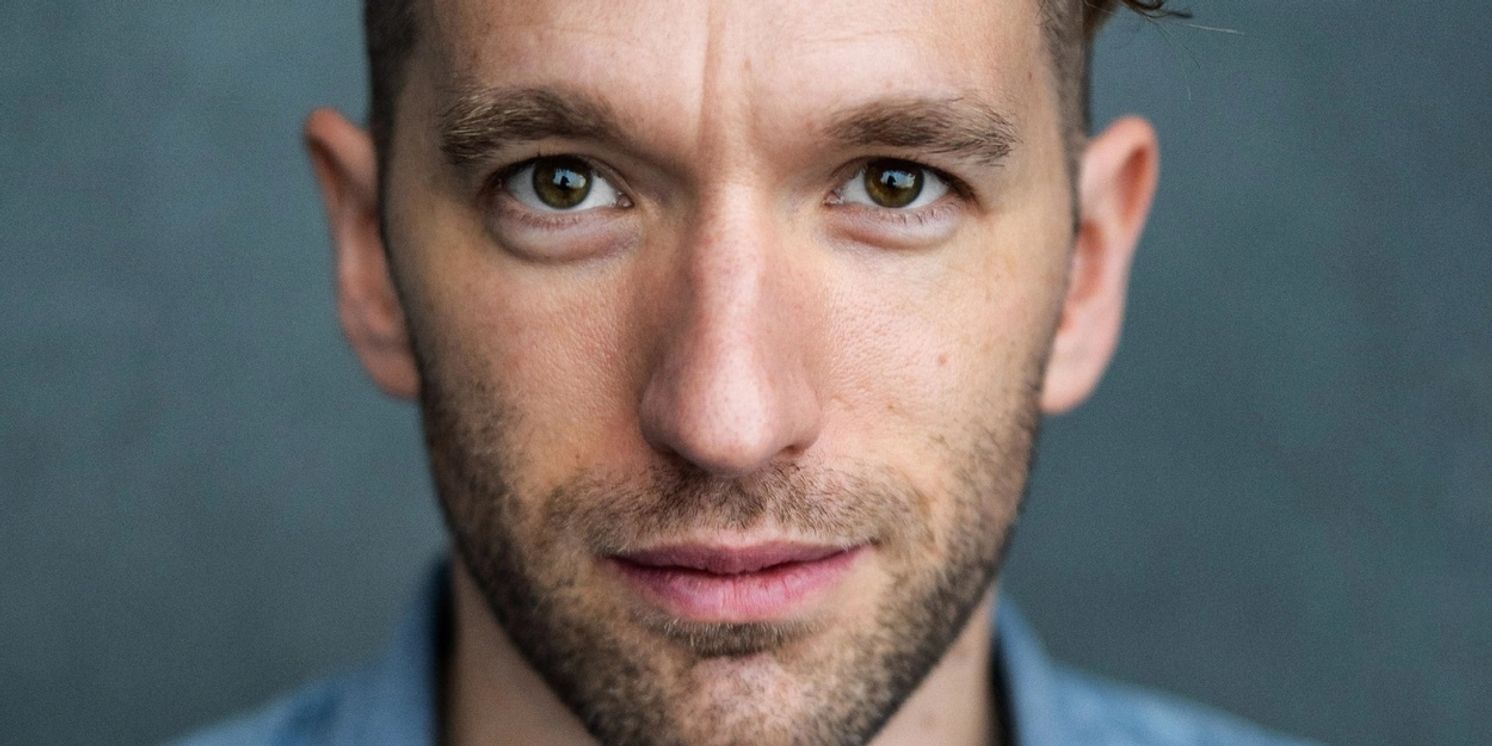
A Christmas Carol is one of the greatest stories ever told. Part of what makes it so brilliant is its universality and its malleability. There have been more adaptations of Charles Dickens's festive tale than the little knot of businessmen have had hot dinners, so why is it so often performed in its many permutations when, let's face it, The Muppets nailed it so exquisitely?
Perhaps one day we will live in a world where no one can think of a rich man who could use a ghostly visitation or three to remind them that they should engage in compassion, but until that day comes this story remains as urgent and relevant as it was in 1843.
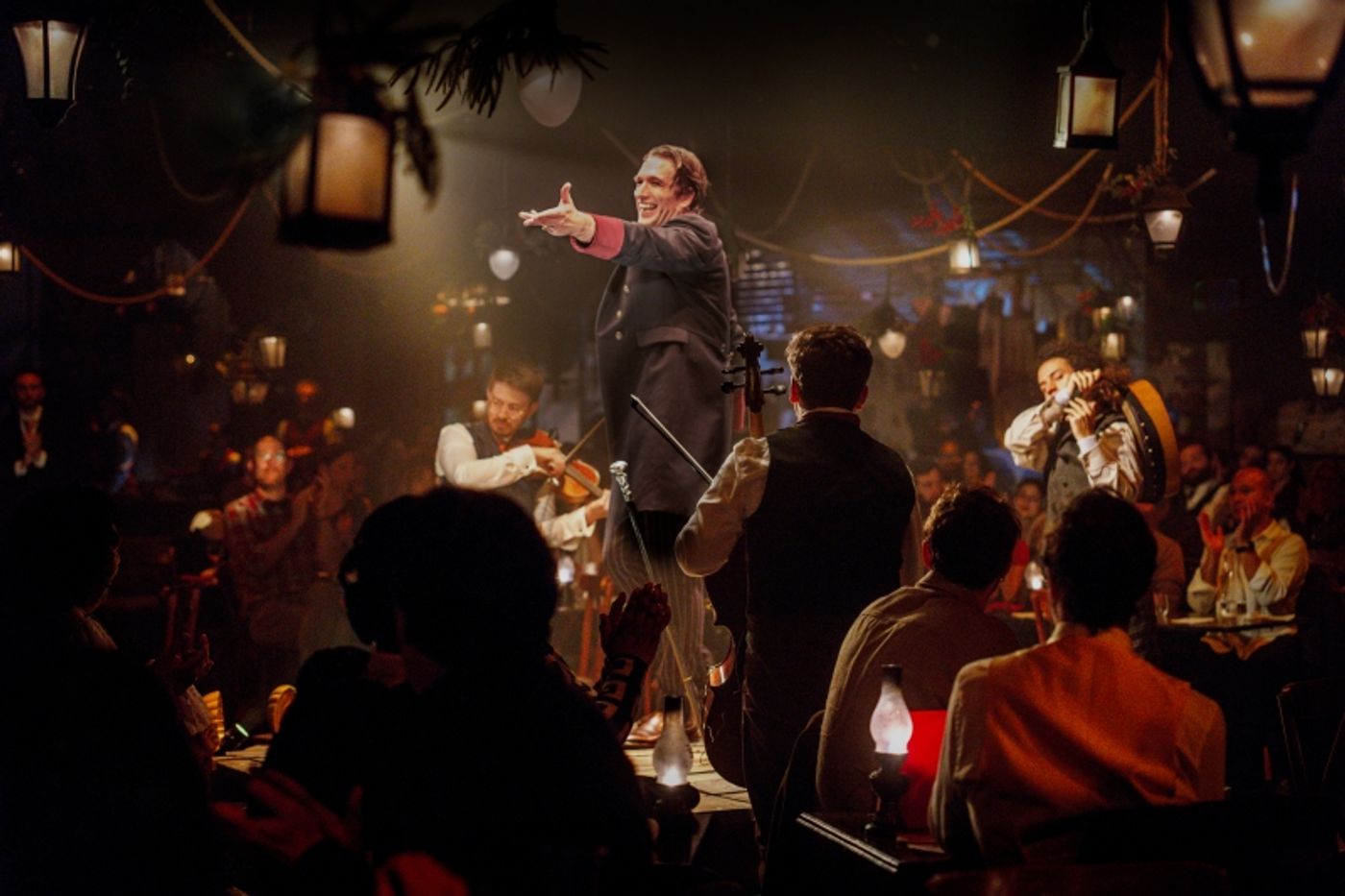
When Charles Dickens stumped up his own money to publish his red and gold covered masterpiece, he was a 31-year-old man with a fifth child on the way who was spiralling into a debt that he feared from bitter experience. It's that fizzy, aliveness in this moment of his life that makes him such a joy to play, and the story such a wonder to relate.
Motivation is key in any performance, but the motivation to tell this story as successfully as possible is a juicy bit of actor/character synergy. My favourite type of theatre is where the audience is complicit in the telling of a story. The feeling that this is the only time that it will be told just like this is what separates theatre from other forms of static storytelling. I get a real thrill out of the chaos of it.
Just the other night as I was walking about the tables as the evening's eccentric host, a gentleman informed me that he can never remember how the story ends. His partner insisted that Scrooge must be redeemed, whilst I foolishly encouraged the gentleman that in fact Scrooge is a bad man and should fall down a hole and die. I offered to flip a coin on what the ending would be. Heads: hole and die, tails: redemption. As I flipped the coin it occurred to me I had absolutely no endgame to this bit. The coin had to land tails, as otherwise I would be severely off the map script wise. Luckily it did land tails and they assumed I'd rigged the toss. I don't know how to rig a coin toss, but I will be learning before I try that bit again.
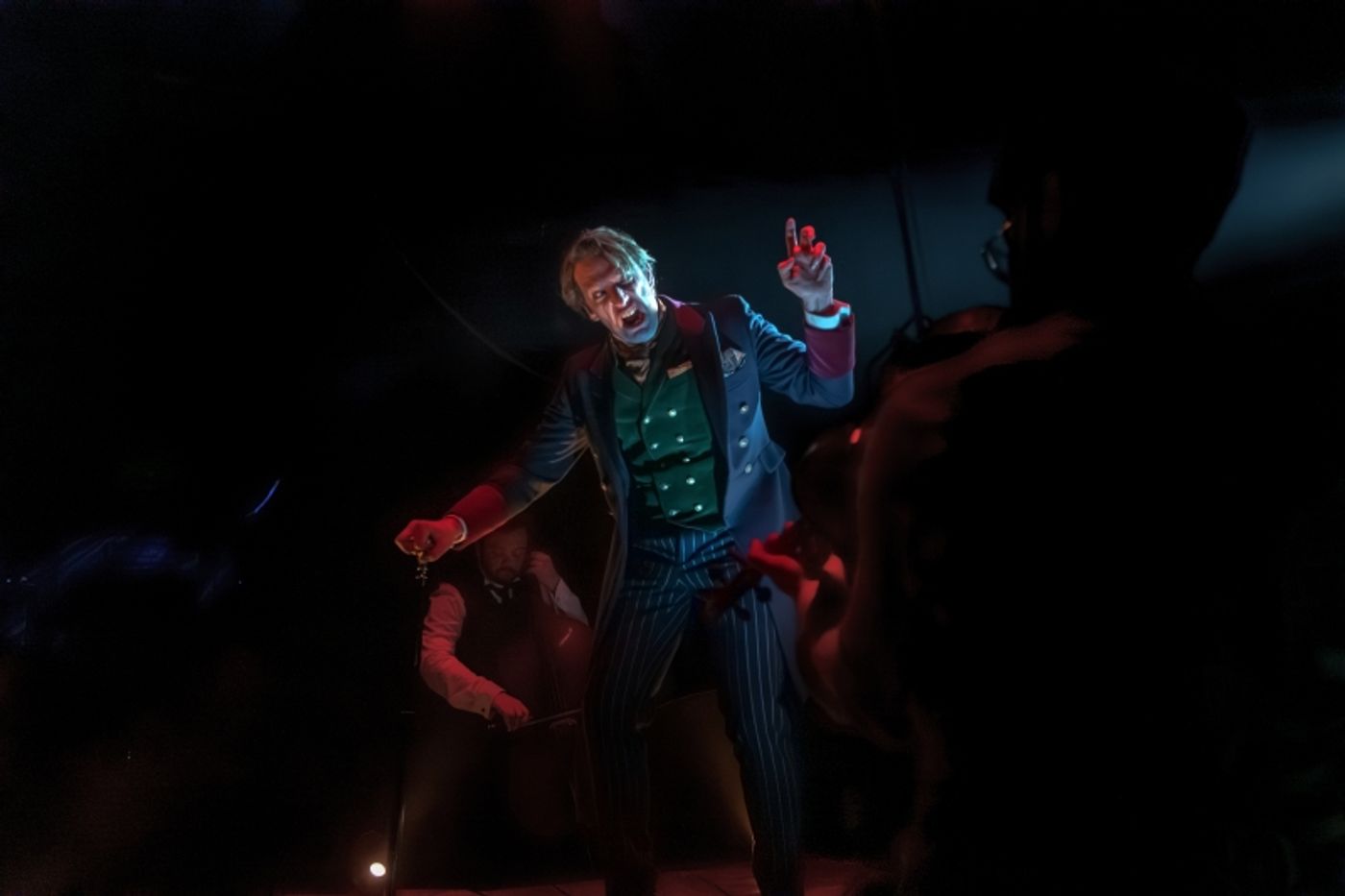
Charles Dickens's book is a fixed object, but the opportunity to bring it to life in the telling of it, much as Dickens himself did in his own home for friends and family, is a privilege. It takes an already painfully relevant story and gives it a couple of thousand volts of new life. Adam Clifford's adaptation of the original text has had seven years to evolve and I'm very fortunate to be this year's mutation.
It honestly feels disingenuous to call it a one-man show, because not only am I walking in the boots of those who came before me, but by the time I step on stage the audience have already been charmed by the hosts and serving staff, fed delicious food and treated to incredible original music by some of the best musicians I've ever met. The Lost Estate have created a beautifully safe space full of warmth, food, drink and good company, the perfect environment to be reminded how lucky you are to have what you have and how easily you could become someone who has not those things.
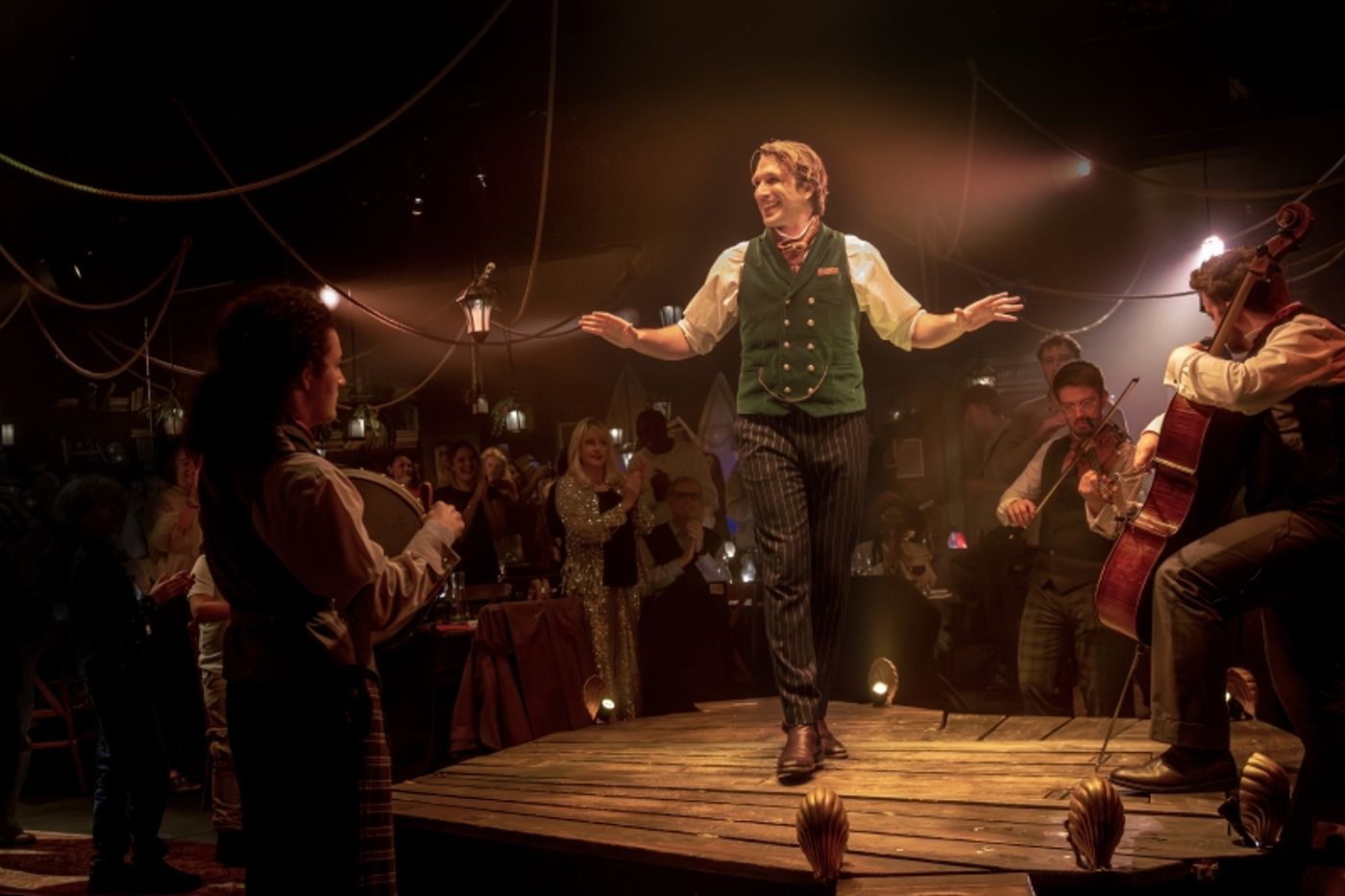
My favourite part of the show is the end, not because I get to go home, but because the house lights are up and I'm afforded the opportunity to make eye contact with as many people in that room as I can and see just how affected by this one-hundred-and-eighty-two year old story they have been. The familiarity of it, the challenge of it and the satisfaction of a glorious story told with every ounce of passion that I can muster on that given night. Until the audience stops sharing in that euphoria with me, I'd say this tale still has some centuries in it yet.
Read our review of The Great Christmas Feast here.
The Great Christmas Feast is at The Lost Estate, 9 Beaumont Avenue until 4 January 2026
Photo Credits: Hanson Leatherby
Videos