


Breaking Down Broadway's Spookiest Musicals
Celebrate spooky season by recapping some of Broadway's most macabre shows!
Do you have a burning Broadway question? Dying to know more about an obscure Broadway fact? Broadway historian and self-proclaimed theatre nerd Jennifer Ashley Tepper is here to help with Broadway Deep Dive. BroadwayWorld is accepting questions from theatre fans like you. If you're lucky, your question might be selected as the topic of her next column!
Submit your Broadway question here!
This time, the reader question was: What is the history of dark and spooky musical comedies about death?
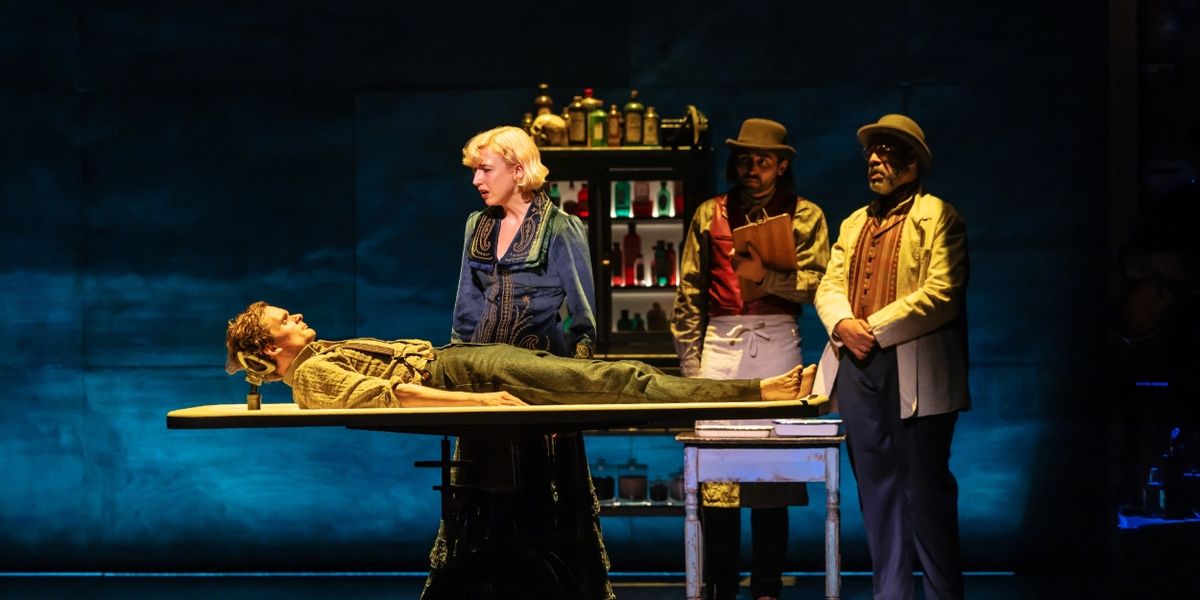
Death is a topic that unites us all. In every creative medium, from film and TV to novels to theatre, there are popular stories involving death and the afterlife. This past season contained a higher than usual amount of Broadway shows involving death; in fact, Operation Mincemeat and Dead Outlaw both specifically revolved around transporting a corpse! And Death Becomes Her leans into the hilarity as two women become gorgeous living corpses before our very eyes, thanks to a touch of magic. But plays and musicals about death and its attendant macabre topics have been a part of the theatre landscape for many decades.
While there have always been plenty of shows addressing death in a serious way, from King Lear to Death of a Salesman, theatre that addresses death in a manner at least partially comedic has become more frequently produced in recent decades.
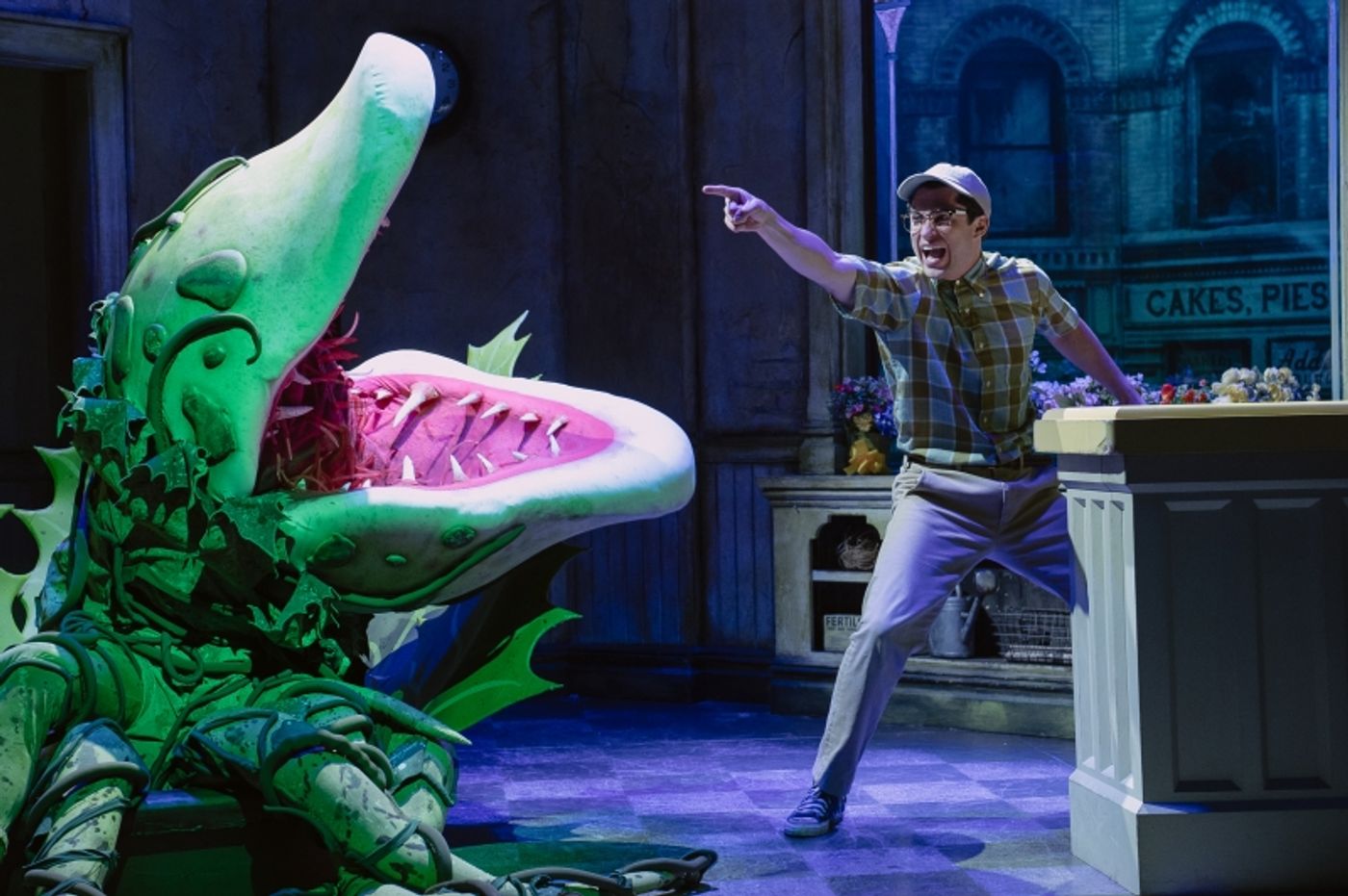
In the musical theatre world, a lot of these shows originate off-Broadway. One of the prototypes for sci-fi-laced dark musical comedies, Little Shop of Horrors made a huge splash off-Broadway in 1982. The musical about a plant that survives by eating humans was based on a 1960 black-and-white B-movie. Later that decade, another off-Broadway musical addressed death in a comedic way, with an even lighter tone than Little Shop; Lucky Stiff (1988) involved transporting a corpse, just like Operation Mincemeat and Dead Outlaw. But in the case of Lucky Stiff, the proceedings were highly farcical, involving a murdered man in disguise who is taken on a tropical vacation! Both Little Shop and Lucky Stiff were adapted into movies and Little Shop eventually made it to Broadway in 2003.
There is a common misconception that, like Little Shop of Horrors, The Rocky Horror Show also originated off-Broadway where it was successful. This is not the case. Rocky Horror originated in London in 1973, where it became a mega-hit. Following this, a 1974 Los Angeles production was also successful. But when the B-horror movie styled stage production came to Broadway, it ran for only 45 performances at the Belasco. Because the theater owners had anticipated that Rocky Horror would be a hit, they had allowed changes to be made in the space, such as the Belasco’s boxes being torn out; a new show wouldn’t enter the Belasco for two years. Despite its inauspicious original Broadway run, Rocky Horror became a cult hit in movie format after it was released that same year, 1975, and went on to a massive amount of productions all over the world, including a 2000 Broadway revival. Like other macabre shows that touch on dark topics, Rocky Horror utilizes these as an avenue for self-expression and turns them into a celebration of subversive ideas.
The delightful and underappreciated Zombie Prom was an off-Broadway hit in 1996. “Who will my escort for the prom be/ Now that the boy next door’s a zombie?” is a sample lyric from this show with a 1960s pop-infused score that is one of the rare theatre pieces about zombies. In 2006, the beloved franchise Evil Dead! added theatre to its list of formats. A musical version of the story about teenagers who are attacked by demons in the woods played at New World Stages and has become immensely popular all over the world. Also a cult favorite is Ride the Cyclone; the show had a brief off-Broadway run in 2008 but has since gathered a large fandom of young people. They relate to the story about teenagers who die in a roller coaster accident and then compete to determine which will get a second shot at life. (A somewhat similar plot line was present for the 2009 Lincoln Center musical Happiness, about characters who perish and must choose their best memory to live inside of eternally—but this show had less camp and dark humor.)
In fact, both comedic and somber takes on the dead and undead soared in popularity as the 21st century saw new musicals brought to life. From Broadway’s Ghost (2012) to Off-Broadway’s Ghost Quartet (2015), more serious takes on ghosts and other macabre topics populated the boards. The long-runner Jekyll and Hyde (1997), about a man whose scientific experimentation brings out his monstrous side also falls under this category, as does the lesser known Andrew Lloyd Webber musical The Woman in White (2005) and the Greek myth-inspired current hit Hadestown (2019).
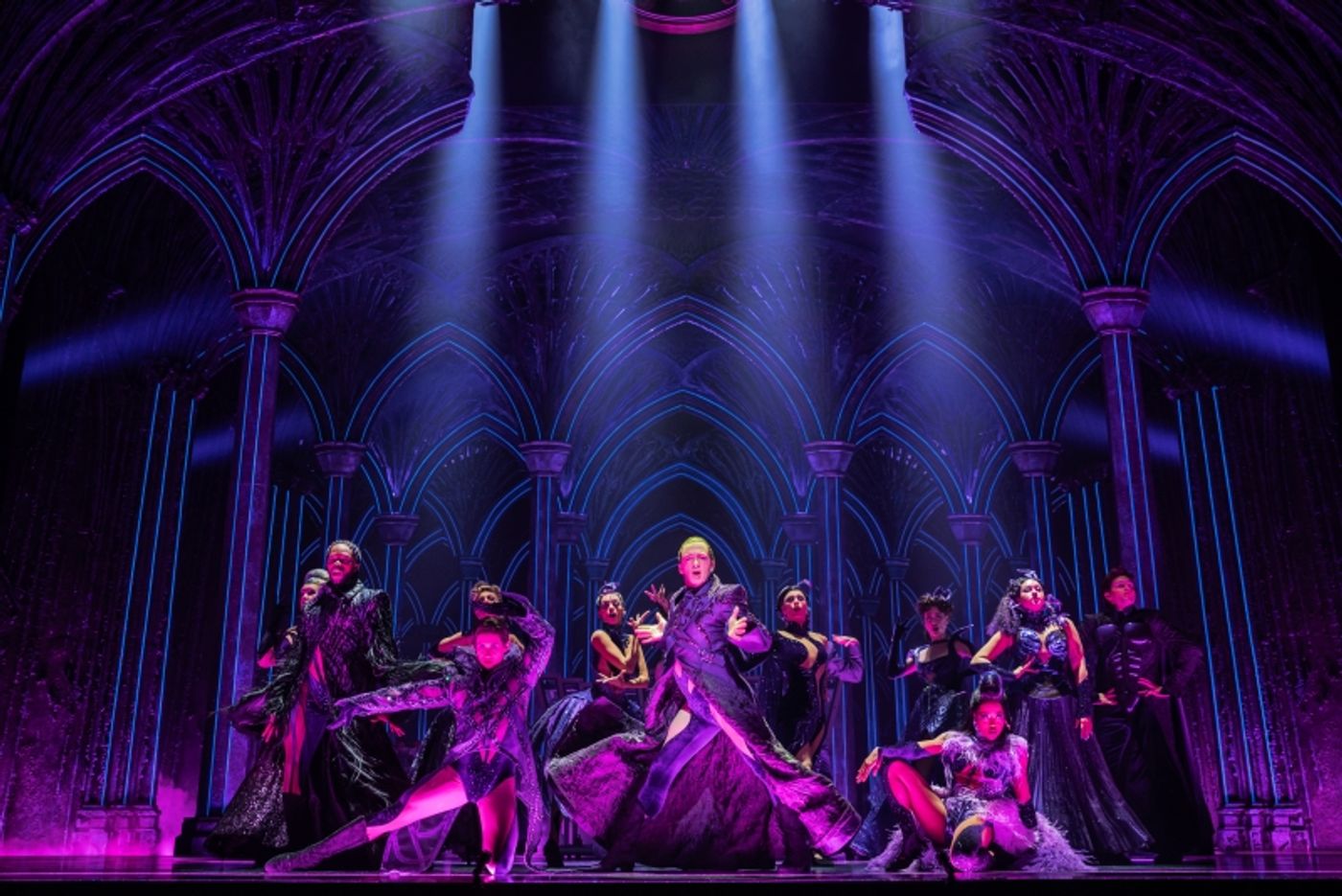
In the 2000s, Broadway famously landed three vampire musicals within 5 years. Dance of the Vampires, Dracula, and Lestat all had short runs, which seemingly put an end to the trend. With a score by Jim Steinman, Dance of the Vampires was the popular songwriter’s only original musical to make it to Broadway in his lifetime. Michael Crawford and Mandy Gonzalez were among the cast members. Dracula, based on the well known Gothic horror tale featured Kelli O’Hara, Tom Hewitt, Melissa Errico, the music of Frank Wildhorn, and nudity. And rounding out the trio, Lestat served up campy Elton John melodies to audiences at the Palace in a dramatic production that included scene-stealing performances from Hugh Panaro, Allison Fischer, and Carolee Carmello. While these three vampire-centered stories were more serious-minded than some of our other entries, they also had moments of major camp—intentional and unintentional.
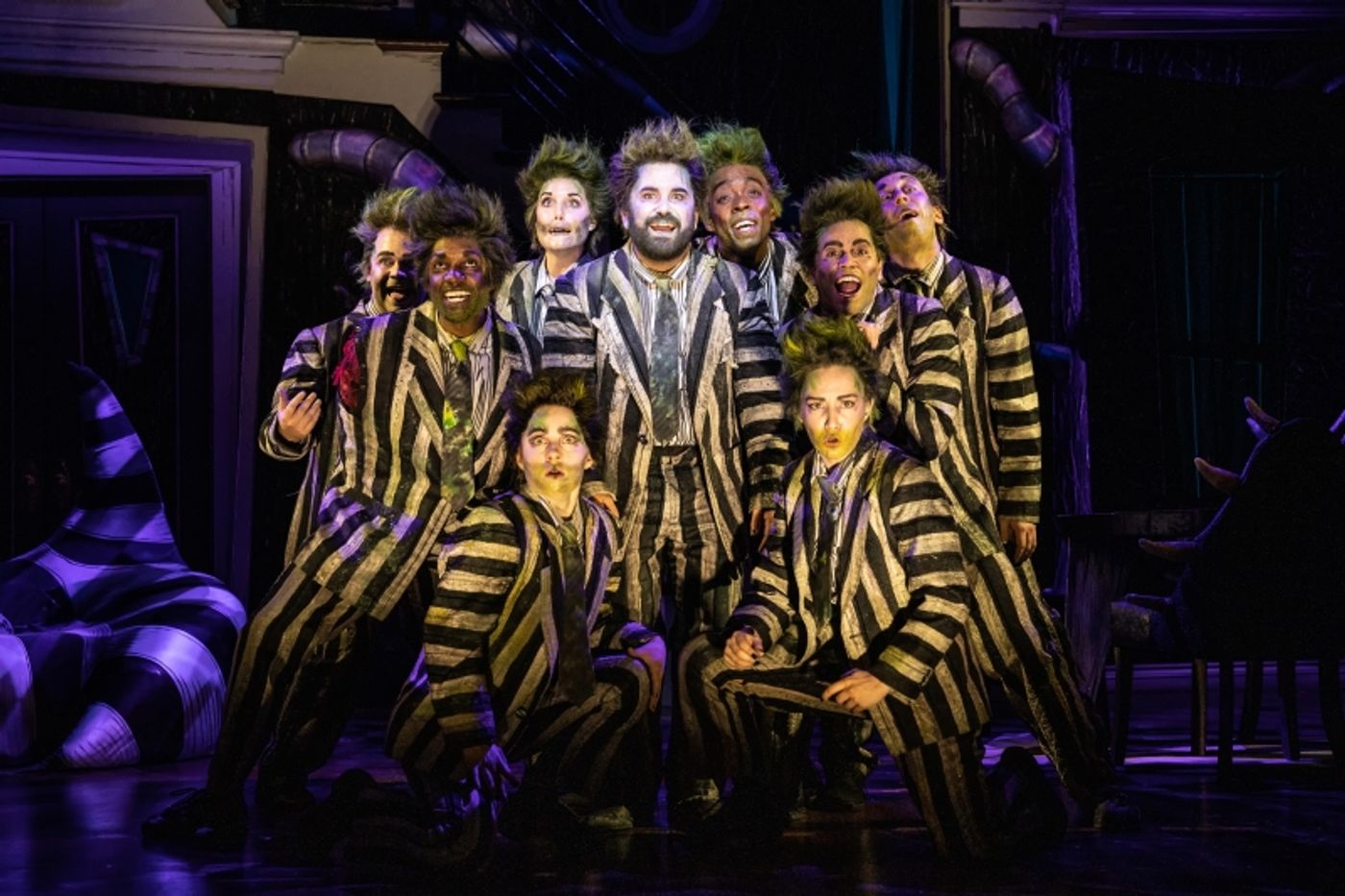
The 21st century on Broadway has also given us macabre musicals like Young Frankenstein, The Addams Family, American Psycho, and Beetlejuice. With these kinds of dark stories in vogue in general pop culture, the musical versions have taken advantage of this trend on Broadway. Young Frankenstein (2007), a follow-up of sorts to the phenomenon The Producers, was an adaptation of the Mel Brooks film. Its zany, Transylvania-set plot was a vaudevillian comedic take-off on the tale of Frankenstein, populated by outrageous characters in the Brooks vein. Also capitalizing on popular source material was The Addams Family, a starry 2010 musical featuring the beloved spooky clan well known from cartoons and films. The show has found significant popularity in its post-Broadway life, with plentiful school and regional productions. Much darker in nature was American Psycho, a 2016 adaptation of the 1980s-set book about a serial killer. Proving itself as undead as its title character, Beetlejuice’s original Broadway run started in 2019 and was cut short by the COVID-19 pandemic shutdown. It returned to Broadway for a 9-month run in 2022 and will return again later this year. The show about a devilish demon who takes the lives of an average American family in mourning by storm has proven to be an audience hit.
Some death-themed musicals are very intentionally campy like Disaster! (2016), Seth Rudetsky’s joyous send-up of 1970s disaster films, whereas others are treasured for their unintentional camp like Carrie (1988), perhaps the most hallowed cult flop of all time. While the original production of the show based on the Stephen King novel closed after only five performances, Carrie has been reworked and revised since then. The story of a bullied high schooler whose telekinetic powers enable her to seek revenge on a grand scale now resonates with new generations. Death and destruction become part of a cautionary tale about how to treat outsiders, while the show still retains some camp humor.
A lot of musical comedies that involve death are inherently oddball shows that don’t fit into a mold. Perhaps none more so defies classification than In My Life, a 2005 Broadway oddity that was never recorded or published and had to be seen to be believed. The dead speak to the living and God rides a bicycle singing jingles about Volkswagen and Dr. Pepper in this strange musical. Many decades earlier, On A Clear Day You Can See Forever (1965) which was revived in 2011 also addressed death in a wildly original way, telling a story about reincarnation and ESP.
Perhaps the most admired and celebrated macabre musical is Sweeney Todd. Widely considered a masterwork, the 1979 show with book by Hugh Wheeler and music and lyrics by Stephen Sondheim was originally directed by Hal Prince. It has been revived on Broadway three times, thrilling audiences with its exquisitely imagined characters, including the title character who is hell-bent on revenge and his eventual accomplice, Mrs. Lovett, an eccentric survivor of hard times. Set in Victorian England, the show is somewhat operatic in nature and has been presented in opera houses as well as theaters. With its commitment to genre, strange characters drawn in detail, and balance between darkness and comedy, Sweeney Todd has been an inspiration and blueprint for all other macabre musical comedies since.



Comments
To post a comment, you must register and login.