


Review: IN PRAISE OF LOVE, Orange Tree Theatre
Terence Rattigan’s penultimate play is perceptive and poignant
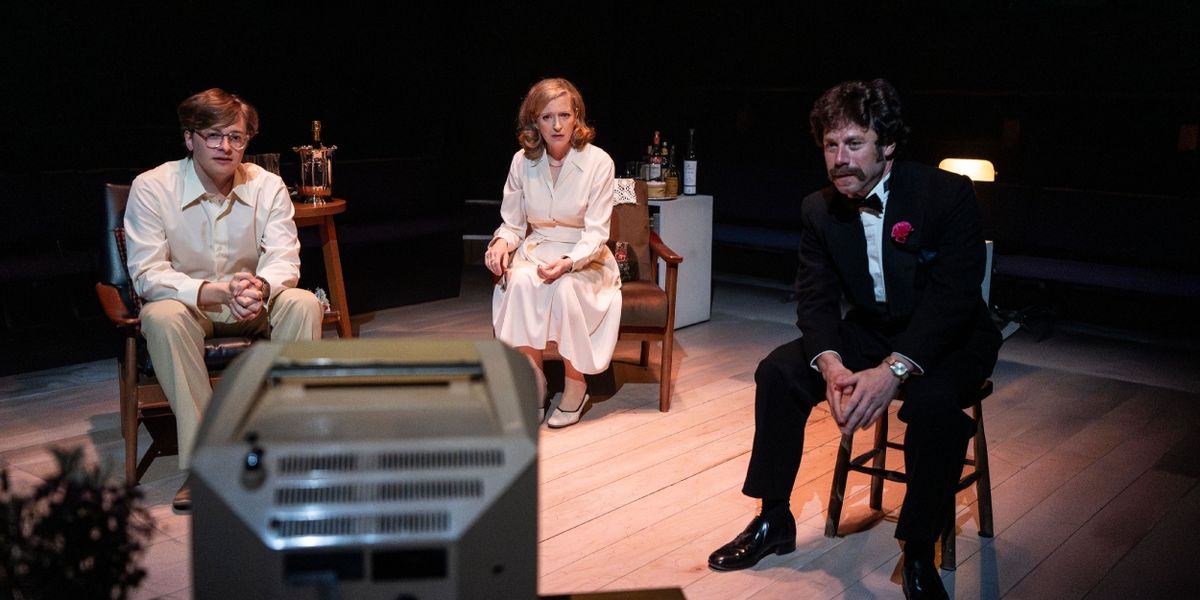
 Terence Rattigan's work remains a stalwart of the British stage. Richmond's Orange Tree Theatre has a particular fondness for his lesser revived work; lighter, frothier plays such as French Without Tears and While the Sun Shines. In Praise of Love, Rattigan’s poignant penultimate play, is a different proposition.
Literary critic Sebastian Cruttwell is indulged and cossetted by his ever-patient wife Lydia who has been told she is dying. Sebastian also knows this, but neither wants to tell the other to spare them such painful knowledge. Their own feelings are only revealed in discussions with a third character, the hugely successful novelist Mark, who holds a flame for Lydia and has a close friendship with Sebastian.
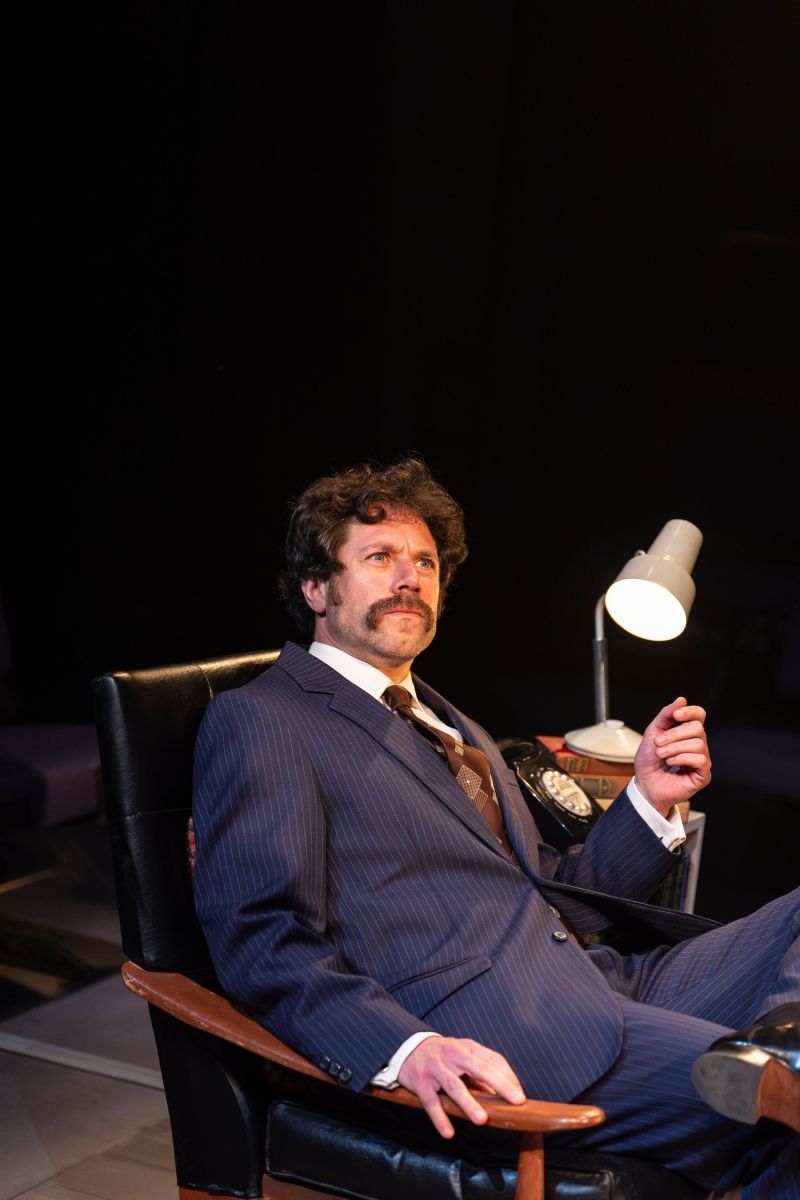
Photo Credit: Ellie Kurttz
Rattigan was inspired by his friend Rex Harrison's decision to not inform his wife Kay Kendall of her own terminal diagnosis. He himself had already been diagnosed with leukaemia when he wrote the play in 1973 and the spectre of death haunts the script. First seen as part of a double bill, it shows some uneveness in this overlong version, despite Amelia Sears' assured direction.
Claire Price is wonderful as Lydia, giving her a dignified yet steely core and hoping to prepare sufficiently so that her husband will not be disrupted too much after she is gone. Price reveals moments of tenacious and intelligent thought, but now plays the role of a suffocated wife who is taken for granted. It is a multi-layered and quietly powerful performance.
Dominic Rowan is suitably unlikable as Sebastian; aloof, distant and unconcerned with both his wife and his son. A self-proclaimed Marxist who cannot pour his own drinks or remember the name of his cleaner. His work is paramount and his belief in his superior intellect and knowledge leads to seemingly complete emotional detachment, which Rowan breaks down convincingly later in the play.
Daniel Ableson is more rounded as Mark, arguably more successful than Sebastian in his writing, yet barely mentioning the fact. In love with Lydia, Ableson acts as an amiable and kindly go-between.
Joe Edgar, as son Joey, has committed the ultimate sin in his father's eyes by acting as a Liberal Party campaigner. Decent and slightly näive, Edgar deftly shows the very different attitudes the character has to each of his parents.
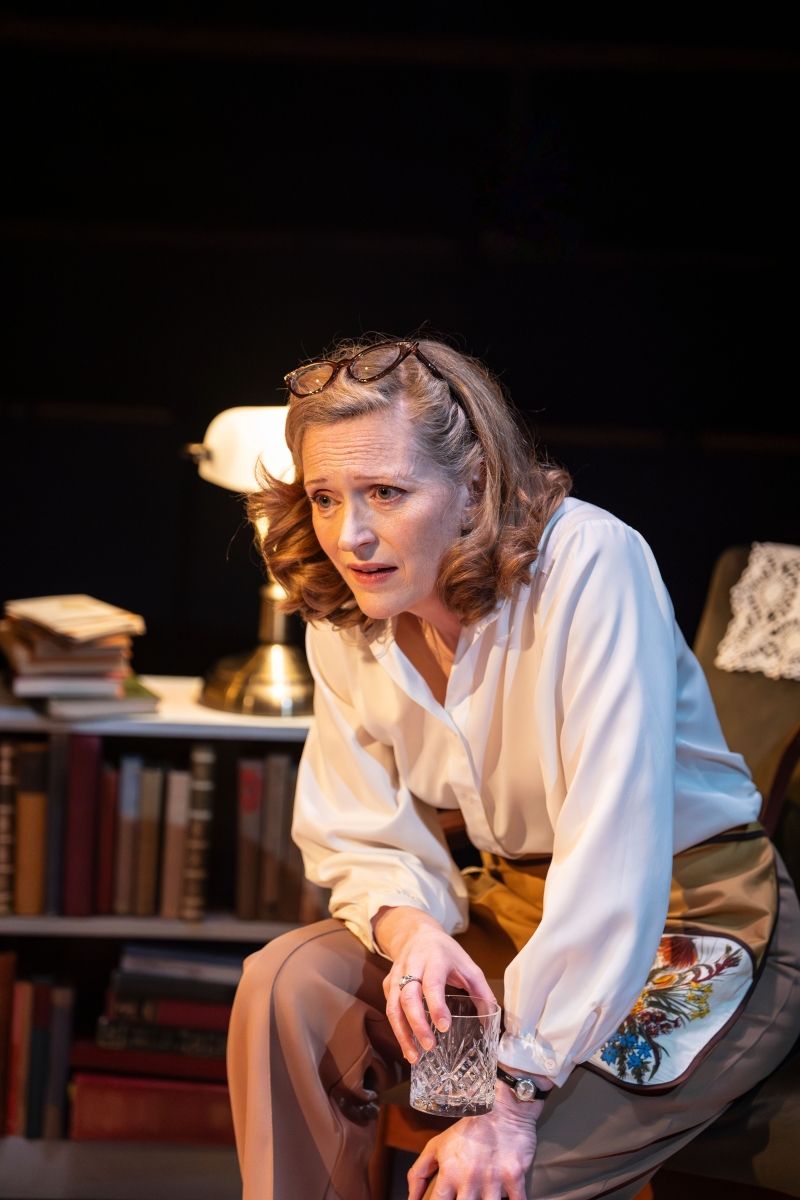
Photo Credit: Ellie Kurttz
Elizabeth Purnell's sound design thoughtfully brings some highly atmospheric Estonian choral singing into the production, which could be employed much more. Peter Butler's set gives us a living area replete with books, a pivotal chess set and a very well used drinks table.
Ostensibly a story of repression within a marriage, Rattigan also weaves in typical English emotional awkwardness and the desire to avoid confrontation at all costs. Sebastian is a former British intelligence officer and Lydia a former member of the Estonian resistance. Both learnt skills during the war that make them adept at discovery and concealment. It is a clever conceit, but occasionally feels a little clunky from a structural perspective.
Despite Sebastian's arrogance, bluster and eventual vulnerability, the play's resonance and poignancy comes through Lydia. The loss of her country to Russia has a renewed significance today and her repeated conviction that people matter more than politics punches through as the main message of this considered production.
In Praise of Love is at the Orange Tree Theatre until 5 July
Photo Credits: Ellie Kurttz






Reader Reviews
To post a comment, you must register and login.