


Metamorphoses Exhibition: A Journey at the Rijksmuseum
Highlights include Titian's Danaë, painted for King Philip II of Spain; Tintoretto's Minerva and Arachne; Correggio's iconic Jupiter and Io, and more.
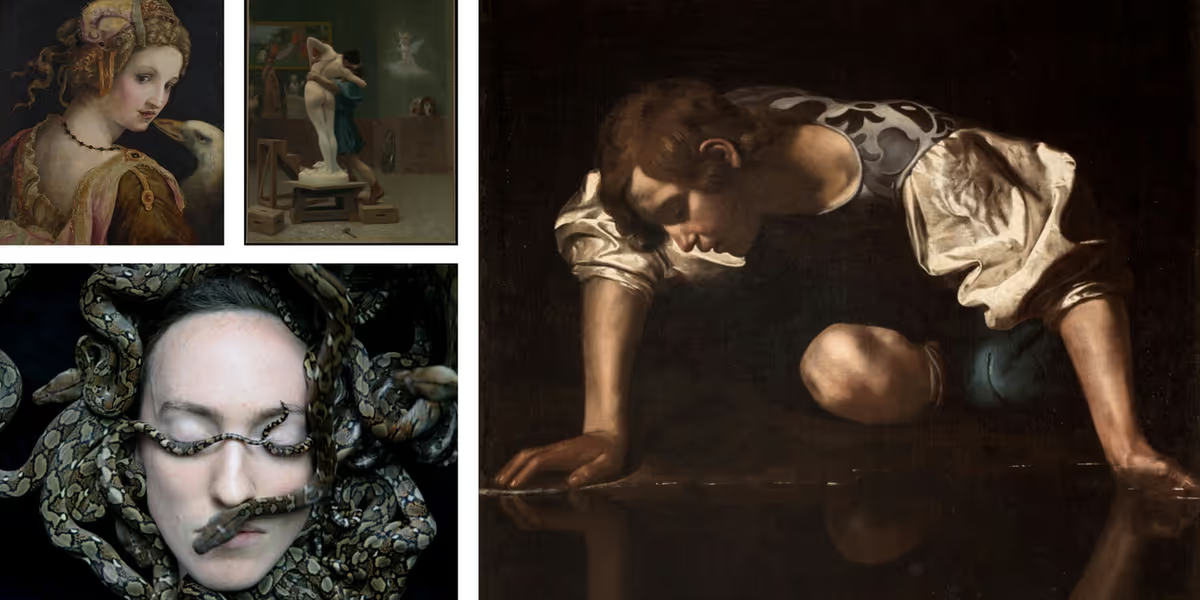
Metamorphoses, a landmark exhibition which has been developed through a unique collaboration between the Rijksmuseum in Amsterdam and Galleria Borghese in Rome will bring together over 80 masterpieces from museums and collections worldwide. The exhibition runs at the Rijksmuseum from 6 February to 25 May 2026 and at Galleria Borghese from 22 June to 20 September 2026.
Highlights include Titian's Danaë, painted for King Philip II of Spain; Tintoretto's Minerva and Arachne; Correggio's iconic Jupiter and Io, as well as Ganymede Abducted by the Eagle and Danaë (all painted for the Duke of Mantua); Caravaggio's Narcissus; and Rodin's marble Pygmalion and Galatea, presented alongside Gérôme's painting of the subject. Three of Arcimboldo's composite, grotesque faces will also be on display. In addition, the life-size bronze Perseus with the Head of Medusa, made by the Dutch artist Hubert Gerhardt for the Duke of Bavaria, will be shown for the first time together with its model, the prototype for Cellini's famous work of the same title.
Very few texts from antiquity have inspired as many artists as Metamorphoses by the Roman poet Publius Ovidius Naso (Ovid, 43 BCE–17 CE). In this monumental epic, he described a world filled with transformations of gods and humans into animals, plants or stones. It is with good reason that, in his 1604 Schilder-boeck, Karel van Mander described the work as a ‘Bible for artists'. This was by no means an exaggeration: after the Bible, Metamorphoses remained for centuries one of the most important and inexhaustible sources for painters, sculptors, engravers, composers, writers and poets. Its influence persists to this day.
The exhibition presents art from across the centuries in a variety of media including painting, sculpture, precious metalwork and ceramics, as well as contemporary photography and video art by artists including Titian, Correggio, Cellini, Caravaggio, Rubens, Rodin, Brancusi, Magritte, and Louise Bourgeois.
‘All things change, but nothing dies' is the message Ovid conveys in Metamorphoses in which gods become animals, nymphs are transformed into trees, humans turn to stone, and stones become human. Many of the stories it contains explore interactions between gods and mortals, with love playing a major role – far from always with mutual consent. Violence and treachery also recur throughout the stories. The exhibition highlights the depiction of several iconic fables. They include the creation of the cosmos and the world from formless chaos; the story of the weaver Arachne, who is transformed by the jealous goddess Minerva into a spider to weave her webs for all eternity; and the affairs of Jupiter, the chief god, who repeatedly disguises himself – as a bull, a swan, in a shroud of mist, or as a shower of gold – to deceive his jealous wife Juno and his victims.
Produced in partnership with Galleria Borghese, the exhibition catalogue will be available in three languages: Dutch, English and Italian. It discusses all the works in both exhibitions, and includes essays by Dutch and Italian specialists. Graphic design by Irma Boom Office.
The designer of the exhibition at the Rijksmuseum is Aldo Bakker, who previously designed Small Wonders (2017) and Asian Bronze (2024) for the museum.
Metamorphoses is made possible in part by The Bennink Foundation, the Rijksmuseum International Circle and the Rijksmuseum Patrons.
|
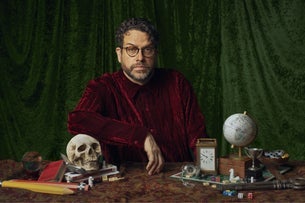
Michael Spicer - Hope All''s Well Royal and Derngate (10/28-10/28) |
|
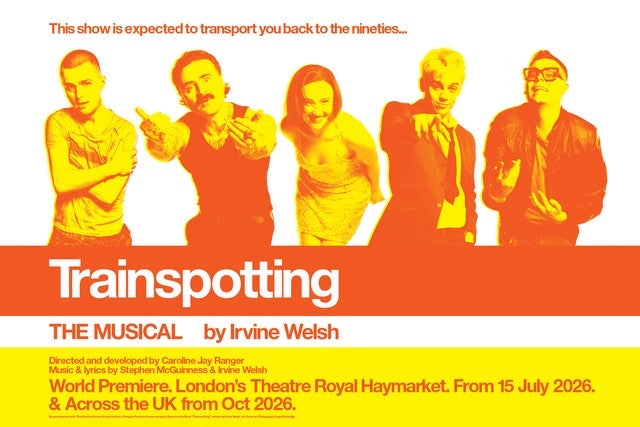
Trainspotting the Musical Theatre Royal Nottingham (1/18-1/23) |
|
Dog Man The Musical Victoria Theatre Halifax (10/03-10/04) |
|
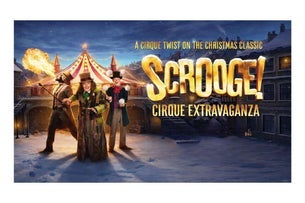
Scrooge Cirque Extravaganza Vaillant Live, Derby (12/15-12/15) |
|
|
Count Arthur Strong - And Its Goodnight From Me! The Castle Theatre (5/28-5/28) |
|
Title Goes Here Gazelle Theatre (8/17-8/30) PHOTOS |
|
|
Trainspotting The Musical Brighton Dome (3/09-3/13) |
|
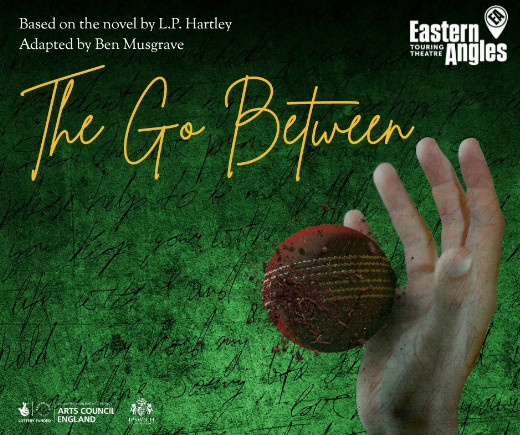
The Go-Between Norwich Theatre (8/28-8/29) |
|
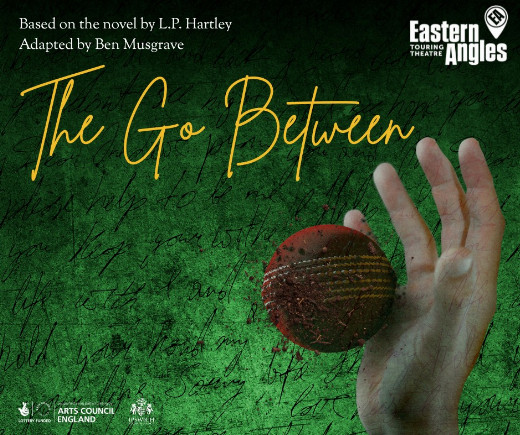
The Go-Between Chelmsford Theatre (9/08-9/08) |
|
The Go-Between Southwold Arts Centre (9/09-9/09) |