


Supporting the Stage with Raina Lawrence
Lawrence has been a stage manager on several productions for The Skeleton Rep.

Written by: Tom White
“Orchestrating harmony amidst controlled chaos.” That’s how collaborators have referred to Raina Lawrence’s masterful overseeing and coordination as a stage manager on several productions for The Skeleton Rep where boldness and imagination are foundational. For more than a decade The Skeleton Rep has undertaken a mission to bring myths of both past and present to the stage. Their adventurous productions openly embrace a transparent approach to the process, informing both creators and audience with the strong bond they share. The Salon Series of The Skeleton Rep is the epitome of this process and Raina Lawrence has served as stage manager for a number of its most thrilling and productive productions. A covert catalyst for the wonderment which takes place during The Salon Series, Raina’s talent balances hyper-awareness of the emotional tone and intent of each play with the logistics and overall needs of the collaborators who bring it to fruition.
Plays like If Angels Don’t Love This Play, We’re Dead display what is best and most defiant in theatre. The story takes on theological principals in a very personal way. Taking place after the rapture, a theatre group presents a play about two lesbian lovers to the ultimate domineering audience, angels who promise eternal damnation to the troupe if the play doesn’t appease them. The director, the actors, and the characters themselves are confronted with the dilemma of what defines them in a blend of fiction and reality. The height of tension comes when the actors complete their play and await the truly “life or death” judgement of the angels. Raina structured rehearsals to ensure the greatest drama and reaction. Because The Salon Series is meant to develop plays, this structure benefitted the reading/performance as she reveals, “In our initial run-throughs, I deliberately kept the actors in the dark about when and how the Angels (played by actors in the wings) would react. At the first unexpected moment of eerie silence, the performers instinctively hesitated, exchanged nervous glances, and began stammering explanations, uncertain if they had made a mistake. This raw, visceral reaction was exactly what their characters would experience in the story, so we decided to incorporate these genuine responses into the final staging. By introducing structured unpredictability into rehearsals, we were able to cultivate a tension that felt organic, heightening the scene’s stakes and emotional impact.” The organic quality of the acting performances was emphasized by this approach which exhibits a commitment to providing the idyllic environment and motivation.
Working with director Ria T. DiLullo on Flinch, about a young gay man’s anxious doctor visits over STD concerns, Raina worked tirelessly to provide the past-to-present time shifting for the play’s pivotal scenes. Working with the lighting and sound teams to create a distinct tonal shift for each timeline, Raina was able to devise a temporal shift simulation that allowed Sam (the main character) to trace back the moments and decisions that led to his present-day concerns. This is the result of many components working in conjunction. Raina describes, “One of the greatest challenges I faced as the stage manager of Flinch was managing the intricate transitions between past and present within the constraints of an intimate performance space. The play’s structure fluidly moves between Sam’s memories and his present-day experience in a clinic, requiring seamless shifts to maintain its dreamlike, fragmented quality. The challenge lay in ensuring these transitions felt organic and emotionally resonant while working within the limited spatial and technical resources of Le Chéile’s upstairs venue. Any abrupt or disjointed shifts risked pulling the audience out of the emotional depth of the story, making it essential to craft a smooth, immersive experience. Initially, some transitions felt abrupt, making it difficult for the audience to immediately grasp shifts in time. Recognizing the need for clearer differentiation, I worked with the lighting and sound teams to refine transition cues. We introduced a gradual fade-in effect for memory sequences, accompanied by a soft ambient sound cue, subtly signaling the shift in time. Additionally, I adjusted the timing of actor entrances, ensuring that performers in flashback scenes positioned themselves slightly ahead of the transition. This created a natural lead-in for the audience, making the shifts between past and present more seamless and emotionally resonant.”
As a professional who has pursued the path of the theatre since her childhood, Raina Lawrence takes enthusiastic delight when those magical moments occur as they did during playwright Sam Givens Echo The Originals, also directed by Ria T. DiLullo. This play takes place in modern-day where the goddess Nemesis has disguised herself as a mortal who works as a barista to observe humans. Focused on the relationship of two coworker/friends, the play asks us to consider our own pettiness and self-destructive nature under certain circumstances. The Apex of the story is when Nemesis reveals her true self to the mortals. As the lighting causes all but Nemesis, Evie, and Echo (the two coworkers) to disappear, a low vibrating sound underscores the words of the goddess. Raina recalls, “The actor embodying Nemesis fully stepped into the moment, her presence commanding the room as if she had truly transcended her mortal guise. There was a collective realization among the cast and crew—we had found it. The scene resonated exactly as intended, carrying the weight of the narrative’s themes with precision and emotional force. Watching the actors feed off this energy, seeing the director’s expression shift from concentration to exhilaration, was a powerful reminder of why we create theatre. That night solidified our confidence heading into opening, proving that every challenge, adjustment, and collaboration had led us to something truly impactful.”
When discussing her role as stage manager on all of these productions, the enthusiasm in Raina’s voice supersedes all. It’s clear that she cares most deeply about the dynamic and collaborative spirit of the theatre. She is a true believer in its ability to enlighten, inform, and provoke deeper thought about ourselves and the world in which we exist. Raina Lawrence is a true artist, regardless of whether she ever steps onstage.
Photo credit: Raina Lawrence


|
Hidden Headliner The Slipper Room (8/17-8/17) |
|
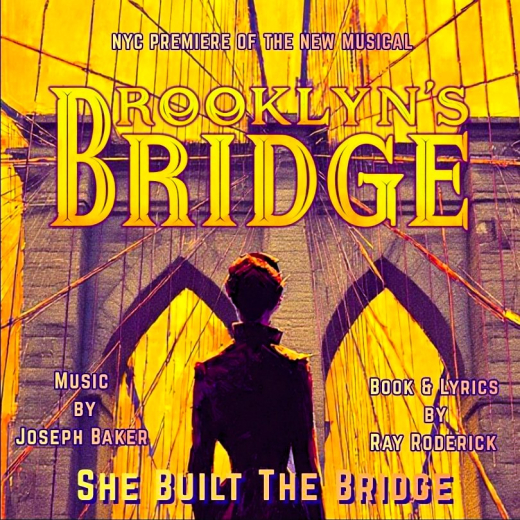
BROOKLN'S BRIDGE - A New Musical - SHE Built the Bridge! The Space at Irondale (8/07-8/23) |
|
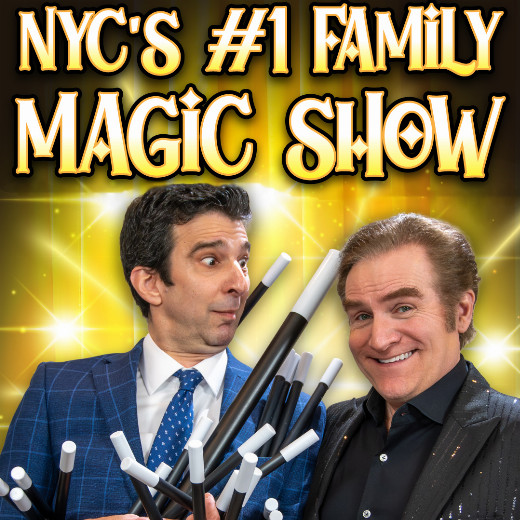
Broadway Magic Hour Broadway Magic Hour: Magic Show (7/25-1/02) |
|
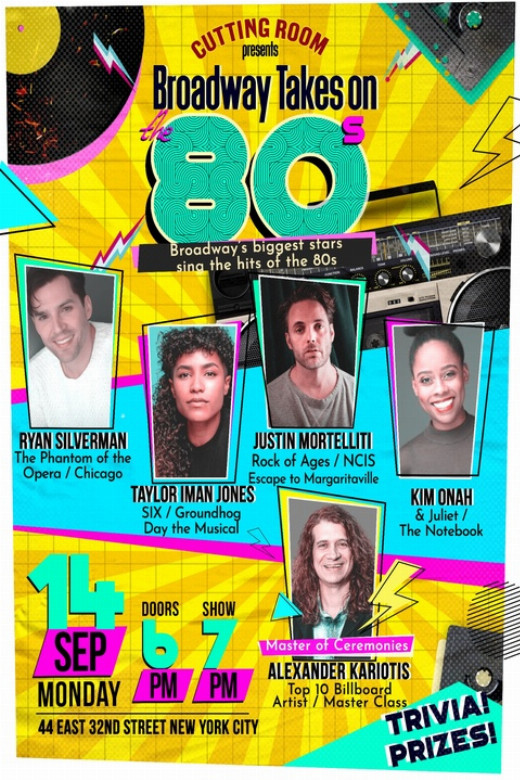
Broadway Takes On The 80s The Cutting Room (9/14-9/14) |

|
Eileen Barnett: Back Again...For The Very First Time! The Laurie Beechman Theatre (10/06-10/06) |
|
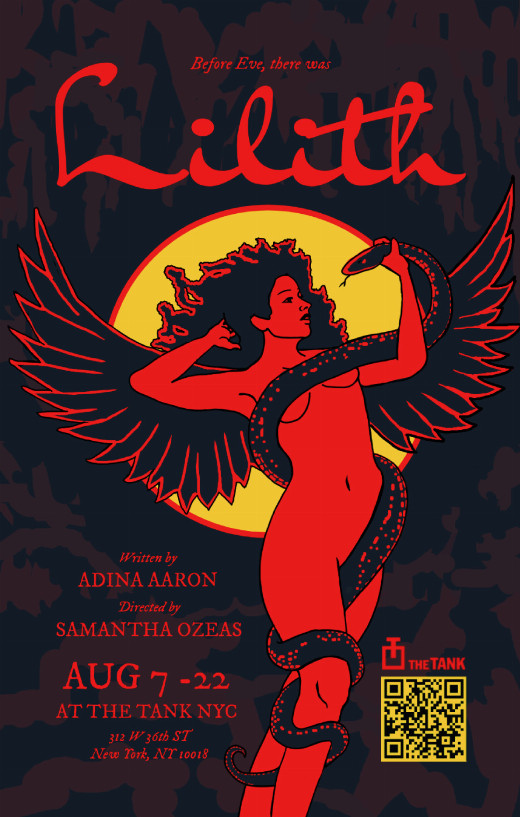
Lilith The Tank (8/07-8/22) |

|
Oh, Kentucky! Center at West Park (8/22-8/22) |

|
Rock Never Dies Hard Rock Cafe (5/29-8/30) |

|
That Math Show Theater555 (6/11-8/16) |
|
|
The Merry Wives of Windsor Stag & Lion Theatre (8/06-8/16) |