


Review: Andrew Lippa's WILD PARTY at Seacoast Repertory Theatre
Now on stage at the Seacoast Rep in a roller coaster of a ride.
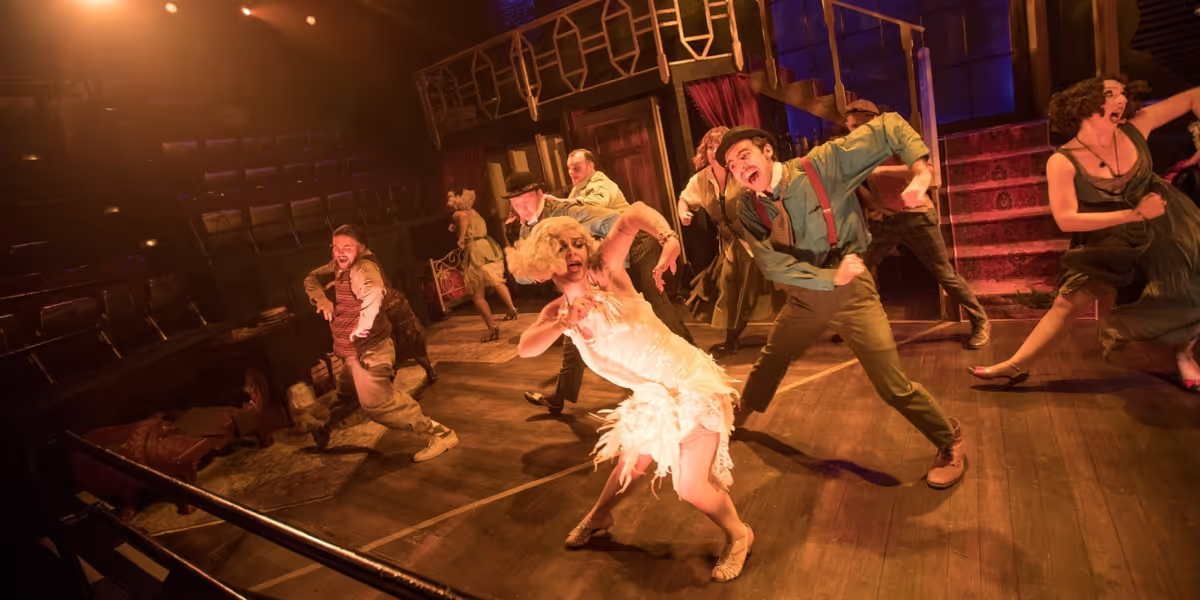
The Seacoast Repertory Theatre is no stranger to taking risks in shows that are out of the mainstream. Witness recent productions of Children of Eden or Lizzie as stellar examples.
Its current offering of Andrew Lippa’s jazz-age musical, Wild Party is among the most edgy of shows to grace the Rep stage. Based on a controversial (for the time) Joseph Moncure March’s 1928 narrative poem, this production doesn't just stage a party; it pulls the audience directly into the heart of a Manhattan apartment on a night that spirals from hedonistic madness into a stream of jealousy, betrayal, and, sometimes, violence. The result is a raw and unfiltered theatrical event that leaves you feeling as though you were one of the drunken, desperate guests, watching the train wreck in real time. In short, you’ve really experienced a wild party.
The story centers on Queenie (Alyssa Dumas), a vaudeville dancer, and Burrs (Sean Mullaney), a vaudeville clown, whose co-dependent, and physically abusive relationship is crumbling under the weight of their own self-destruction. To shake things up and, perhaps, to hurt one another, they throw an impromptu party. Their guests are a colorful, collection of Prohibition-era misfits; a flamboyant gay couple, Phil and Oscar (Seth Turner and Sam Flurey), a promiscuous lesbian chorus girl (Kate Sheridan), a sophisticated prostitute, Kate (Alexandra Mullaney), a washed-up boxer, Eddie (Liam Henry Ellis), and a slick, mysterious man named Mr. Black (Christian Cornelio).
An array of other flapper era guests include Mae (Hadley Withington), Max (Jared LeMay), Jackie (Robert Fabricio Armstrong), Dolores (Tia Marie Apicella), and Sam (Ben Hanley).
As the night progresses, fueled by bootlegged gin, cocaine, and sexually induced drama, Queenie sets her sights on Mr. Black to make Burrs jealous, a move that ignites a powder keg to the story. This party quickly takes a nosedive that will change lives forever.
The show reminds me of a few other musical productions. There are elements of Hair as a story unfolds played out by a tribe of actors. You’ve seen the early 20th century time period played out in the likes of Chicago and Ragtime. And the ending? From the playbook of West Side Story.
The musical score entertains with remnants of the dance crazed Charleston of the 1920s, followed by numbers with a Latin flair (“Raise the Roof”), handclapping spiritual revivals (“Let Me Drown”), and a modern jazz, even rock sensibility, that never lets up.
The genius of this production lies in its casting and direction, which takes full advantage of the Seacoast Rep’s immersive stage and its core talent.
Dumas as Queenie delivers a performance of profound vulnerability and inner strength. Her voice navigates the show's score with a mix of sultry jazz and gut-wrenching emotional honesty, particularly during her solos, “Maybe I Like It This Way” and “How Did We Come to This?” Dumas always finds a way to command the stage and she does so brilliantly in this production.
Mullaney, as Burrs, dynamically embodies a combination of charisma and explosive rage. His descent into madness and his psychological decay, are played with a nuance that is engaging yet terrifying in the same moment. His vocals match Dumas’ note for note and the interplay between the two is a live wire where every interaction, whether loving or toxic, feels real and genuine. This duo is extraordinary in this production.
Cornelio as Black is a magnetic presence, radiating a cool confidence that makes him the perfect foil to the volatile Burrs. Alexandra Mullaney as Kate, is at her usual top of game infusing her character with an energy that makes her show-stopping number, “The Life of the Party,” an absolute highlight.
Other musical highlights come alive in Cornelio’s, “Poor Child,” Ellis and Withington’s, “Two of a Kind,” and Sheridan’s, “An Old-Fashioned Love Story,” an ode to the lesbian life.
Set designer, Justin Lahue, wonderfully translates the show’s dark spirit into a tangible world. The set is minimalist but effective, transforming the small stage into a cramped, decadent apartment. The use of period furniture and scattered props creates a sense of lived-in chaos. However, it is the lighting designer, Matthew Brian Cost that deserves special praise for dramatic pools of light illuminating key moments, while shadows obscure the more sinister events, a visual metaphor for the good versus bad dilemmas played out through the show.
Director and choreography, Shaina Schwartz powerfully handles the moral murkiness of the characters in a script that boldly depicts the worst of human nature. Adeptly directed, these issues are portrayed as real life situations with real life consequences. There is no subtlety in The Wild Party choosing to create a powerful theatrical experience that is very genuine. Schwartz shows a creative genius in a script that could challenge even the best of directors.
Her choreography, a blend of sharp, frenetic jazz steps and wild drug-induced movements, perfectly captures the shifting mood of the party, from energetic rebellion to exhausted desperation.
This production of Andrew Lippa's Wild Party is hypnotic. It is a show that is not afraid to get its hands dirty, exploring the darkest corners of human nature. If you have an open mind and enjoy being challenged with differing perspectives, then you will be enthralled by this production. If you cannot handle the intensity and the graphic depictions of violence, drug abuse, assault, and verbal abuse that are everyday occurrences for some, you may want to skip a ride to this wild party.
|
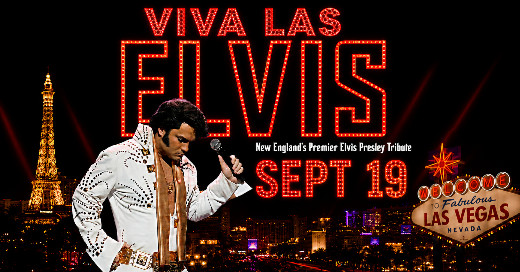
Viva Las Elvis Claremont Opera House (9/19-9/19) |

|
ArtsCinema Series Music: In Search of Chopin The Park Theatre (8/19-8/19) |
|
Shear Madness The Barnstormers Theatre (8/20-8/29) |

|
Collected Stories The Barnstormers Theatre (9/04-9/06) |

|
Skynyrd's Hatchet Claremont Opera House (10/03-10/03) |
|
The Music of The Beach Boys featuring Pet Sounds LIVE Claremont Opera House (8/15-8/15) |
|
|
Golden Girls: The Laughs Continue - Ages 18+ The Music Hall-NH (10/08-10/08) |

|
Don Jovi Claremont Opera House (9/26-9/26) |
|
|
Count Arthur Strong - And Its Goodnight From Me! Portsmouth New Theatre Royal (3/11-3/11) |
|
Doctor Dolittle The Park Theatre (8/30-8/30) |
Reader Reviews
To post a comment, you must register and login.