


Review: Kokandy's JEKYLL & HYDE at the Chopin Theatre is not to be missed
Kokandy's Broadway-caliber production and runs through Dec. 21
 Click for Tickets
As Leslie Bricusse’s lyric urges you In Kokandy Productions’ stellar production of JEKYLL & HYDE, look behind the façade of The Chopin Theatre, past the lobby of eccentric odds and ends that define the space as “garage sale chic”.
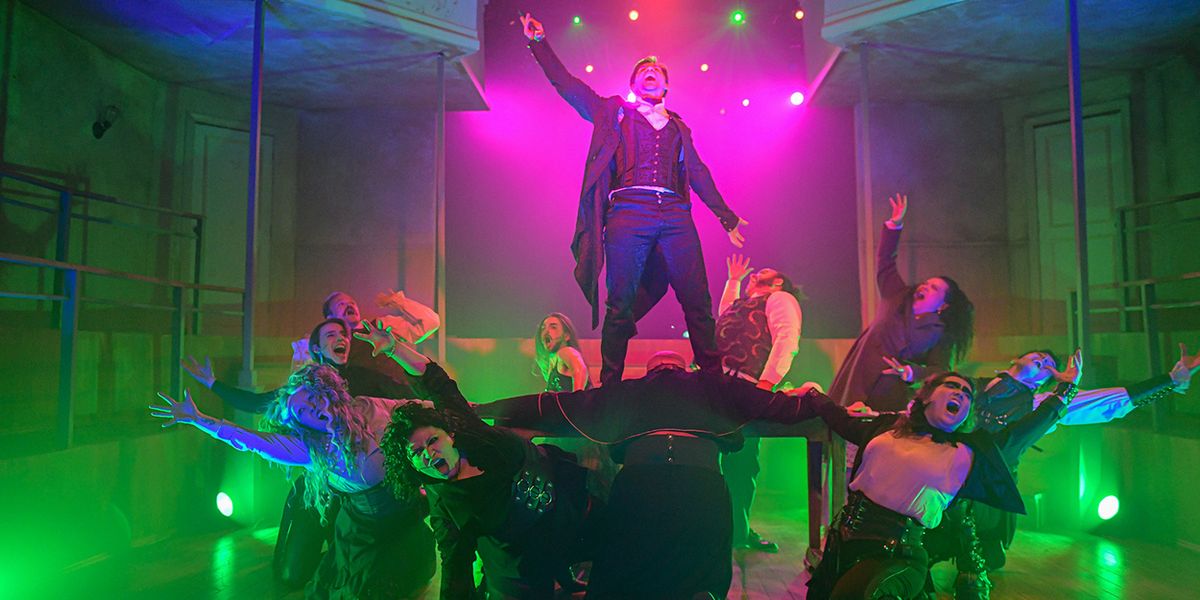
You’ll be glad you did. There, on the main stage that features a set that resembles a 19th Century surgical theater (scenic design by Sotirios Livaditis), with a 15 piece orchestra dressed in period surgical scrubs, you’ll be treated to a Broadway-caliber production of the Frank Wilderhorn and Steve Cuden musical with books and lyrics by the late Bricuse. Store front theater productions often have to rely on a great amount of creativity and talent to bridge the gap between an artistic director’s vision and the harsh financial reality that is non-Equity theater in this city.
It may very well just redefine what you think is possible from a non-Equity theater company, because this production could easily transfer to any of the lauded Broadway in Chicago houses and you’d be hard pressed to say this isn’t a million dollar production. My jaw is still on the floor after this past weekend’s official opening of the musical, which runs at the Chopin Theatre (1543 W. Division) through Dec. 21.
Vibrant, creative and imaginative, director Derek Van Barham’s production, featuring music direction by Nick Sula and brilliant choreography by Brenda Didier just might be the best non-Equity Chicago production I have ever seen.
The show is a musical reworking of the novella by Robert Louis Stevenson, about a noble doctor who initially sets out to free humanity from its darker impulses via a chemical formula only to fall prey to his own hubris when he experiments on himself.
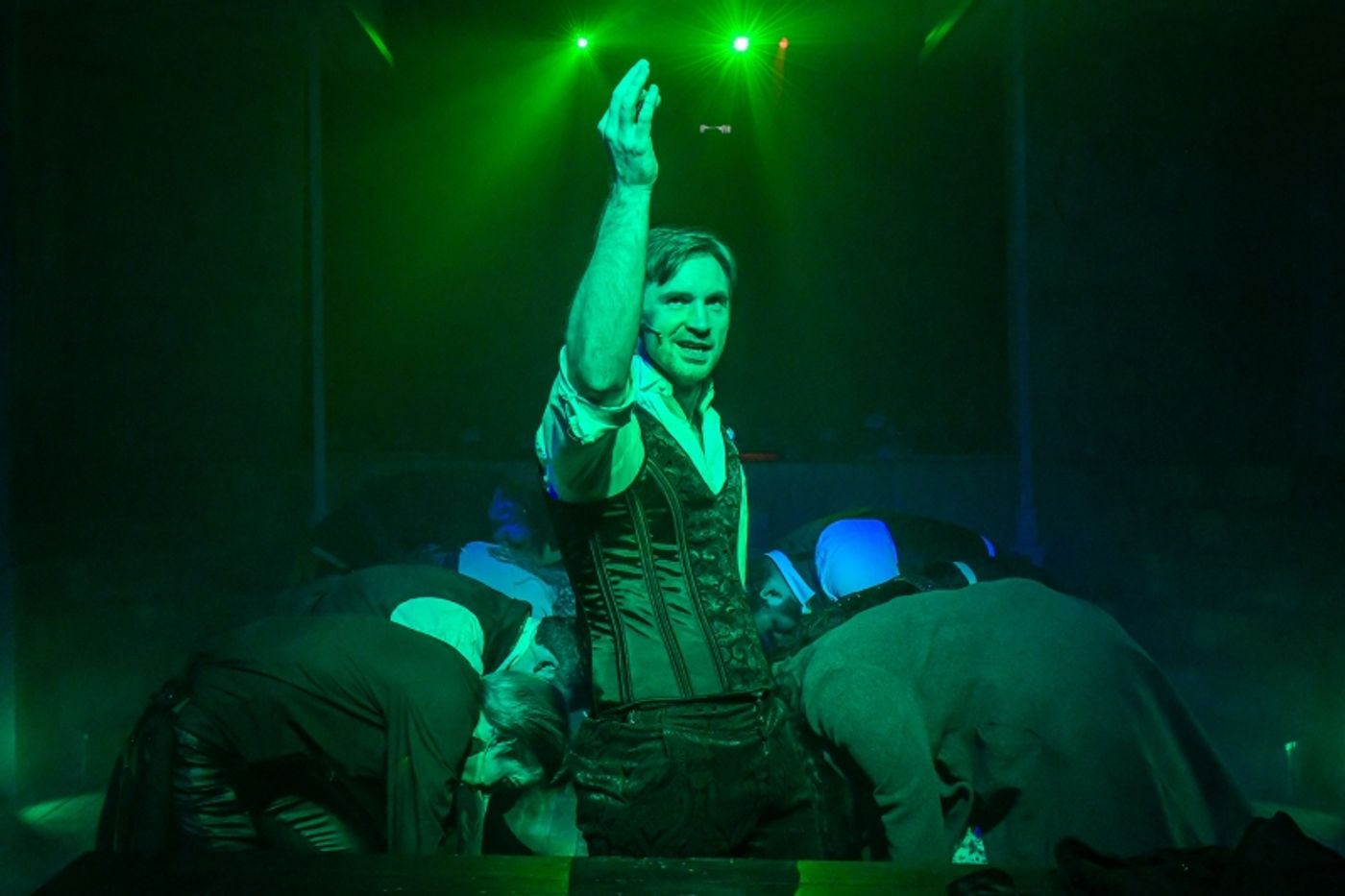 David Moreland has the daunting task of playing both Dr. Henry Jekyll and his darker personality Edward Hyde with only lighting effects and his acting chops to bring the illusion of two creatures inhabiting a single body and Moreland is more than up for the task, alternating a divine tenor voice with a gravely, angry baritone.
G “Max” Maxin IV’s lighting design is a character in and of itself, illuminating the strength of the show and all it’s singing and acting, particularly the show’s famous second act scene in which Jekyll and Hyde argue with each other with both actor and lighting conjuring up a spellbinding and gripping moment.
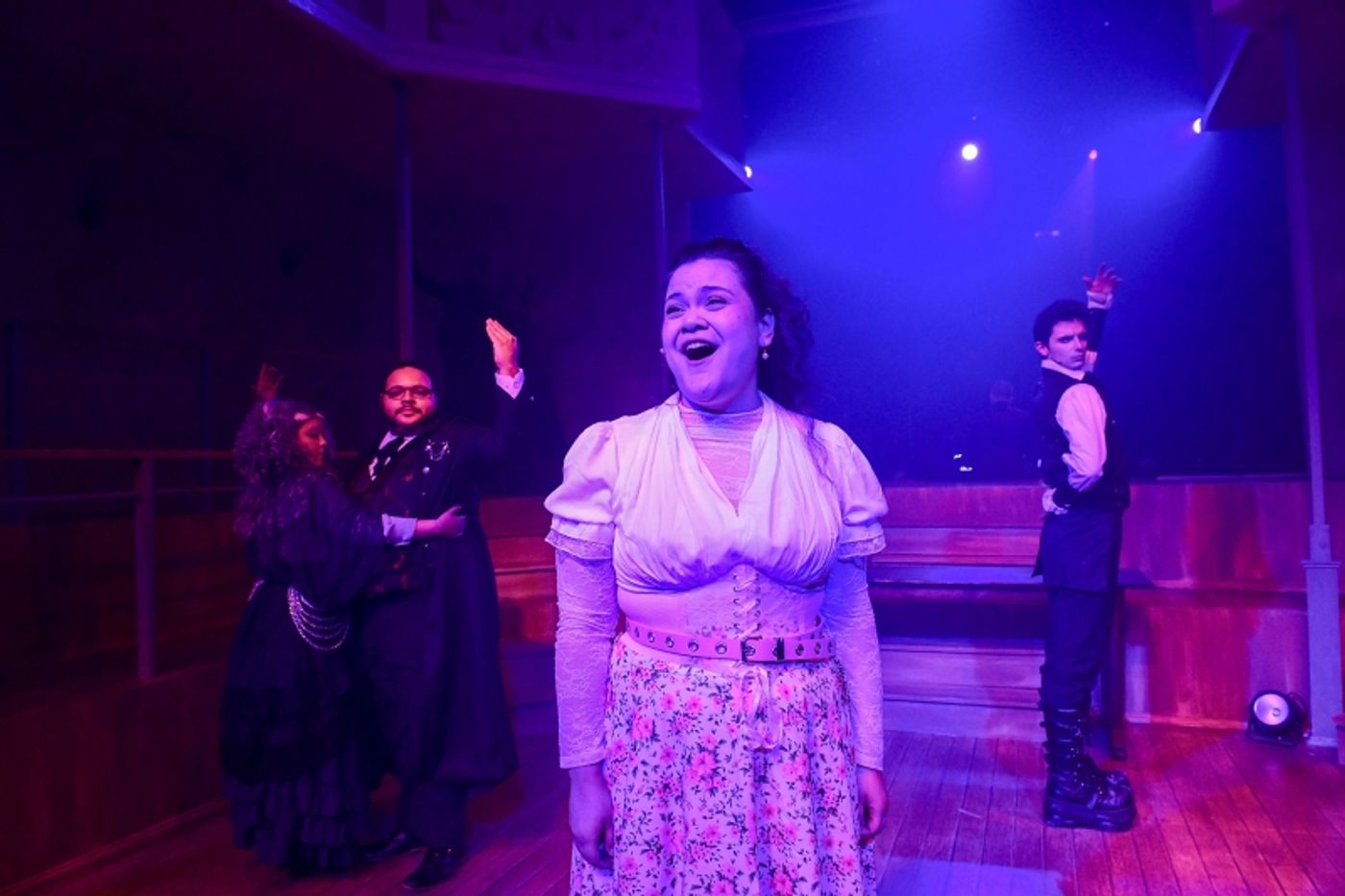 The two women in Jekyll/Hyde’s life reflecting two distinct sides of Victorian London: wealth socialite Emma Carew and dance hall entertainer Lucy Harris. The former character usually is the weakest link in the show (the latter role was originally written for Linda Eder, Wildhorn’s wife at the time). Ava Lane Stovall’s Lucy has some of the show’s best songs and moments, but Emily McCormick unearths some touching aspects to her Emma that elevates the character from just the fiancé that spends most of the show literally waiting in the wings. The pair’s performance of second act duet “In His Eyes” shows that each actress is on equal footing and the moment is riveting as a result.
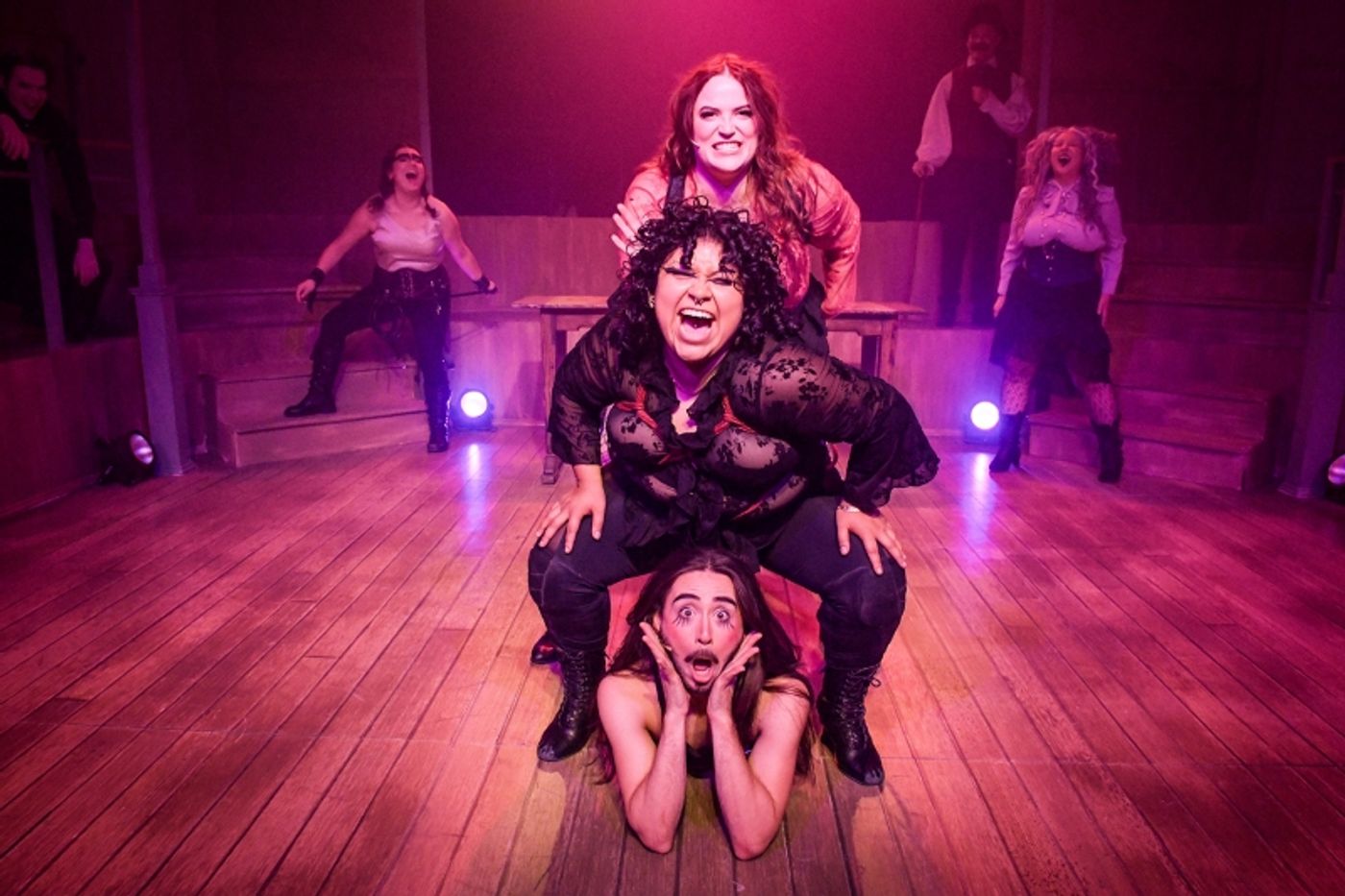 Van Barham has also assembled an extraordinary ensemble cast, with a pair of Quinns both deserving shout outs. Quinn Kelch plays Jekyll’s rival suitor Simon Stride as well as abusive tavern owner Spider that gives equal weight to the minor character. The casting makes sense, given both roles are technically entangled in the lives of both the women in Jekyll/Hyde’s life. The other Quinn deserving of additional spotlight is Quinn Simmons, who plays Jekyll’s caretaker Poole as well as one of the Lucy’s fellow ladies of the night.
The ensemble all have exaggerated, Brechtian-style make up and hair (make up by Syd Genco and hair/wig design by Keith Ryan). The costuming by Rachel Sypniewski is mostly blacks with a few spots of appropriate red. There is an edgy undercurrent to all of Sypniewski’s designs that reminds me immediately of Clive Barker (appropriate given the more ghoulish, penny dreadful aspects of the original story).
Perhaps the show’s boldest statement is that gender is a façade. With all the current animosity aimed squarely at the Trans community both here and nationally (one of our most oppressed minority groups), the production double-casts ensemble talent from scene to scene, blurring the concepts of gender, leaving us to question if such constructs are merely –again, Bricusse’s lyrics—society’s mask/society’s way.
This is the kind of production that will be talked about for years. You owe it to yourself to see it. And probably more than just once.
|
Fleetwood Max Raue Center For The Arts (10/03-10/03) |
|
Love Story: A Tribute to Taylor Swift Raue Center For The Arts (11/07-11/07) |
|
Rotary Rocks The Raue: James Garner's Tribute to Johnny Cash Raue Center For The Arts (10/24-10/24) |
|
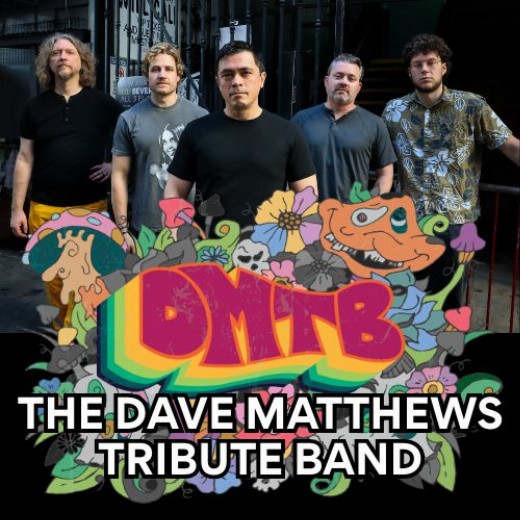
The Dave Matthews Tribute Band Raue Center For The Arts (9/25-9/25) |
|
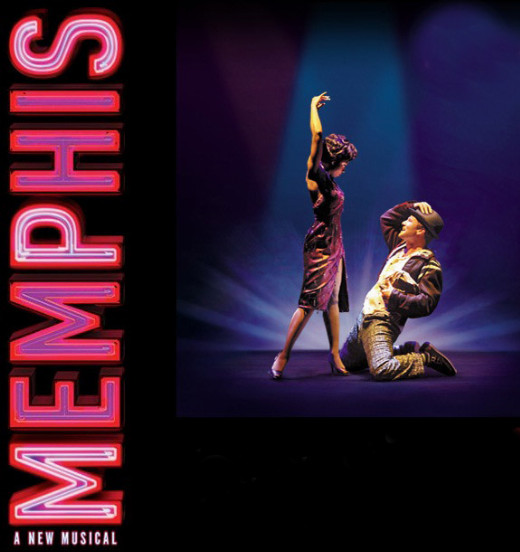
Memphis The Musical Studebaker Theater at the Fine Arts Building (10/24-10/25) |
|
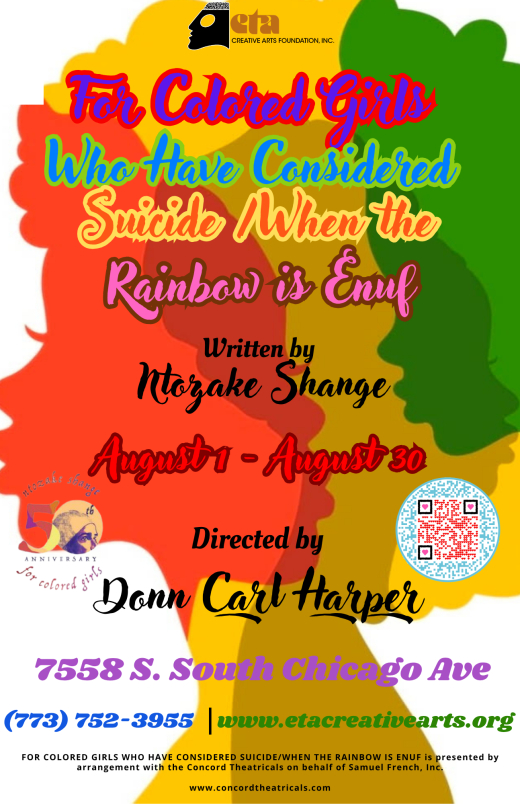
for colored girls who considered suicide when the rainbow is enuf eta Creative Arts Foundation (8/01-8/30) |

|
Jagged Little Pill: A Tribute to Alanis Morissette Raue Center For The Arts (10/16-10/16) |
|
Mozart's Summit North Shore Center for the Performing Arts in Skokie (9/27-9/27) |
|
The Book of Mormon Cadillac Palace Theatre (10/23-11/01) |
|
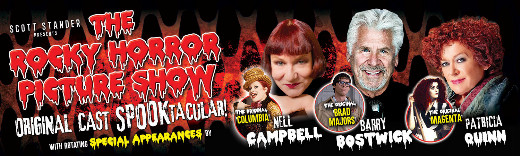
Rocky Horror Picture Show Original Cast Spooktacular Tour with Barry Bostwick, Nell Campbell, and Patricia Quinn Chicago Theatre (10/31-10/31) |
Reader Reviews
To post a comment, you must register and login.