


Interview: Dorian Woodruff of FOREVER ME WITH LOVE at Chelsea Table + Stage
"I never share my subtext with anyone, because when I'm singing this lyric, I want you to have your experience through me."
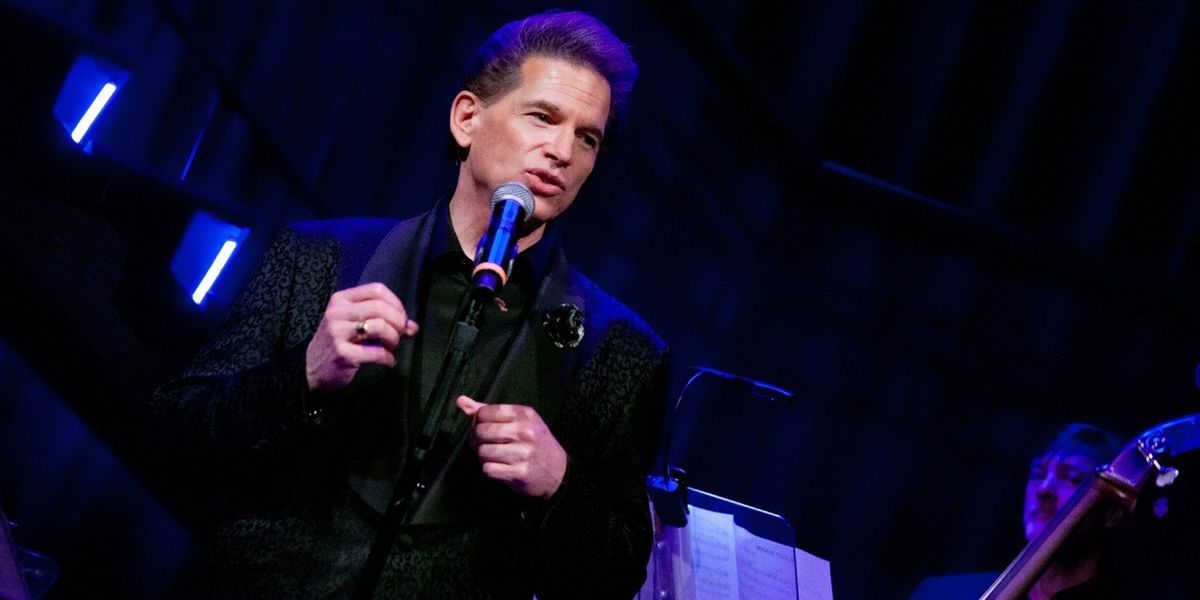
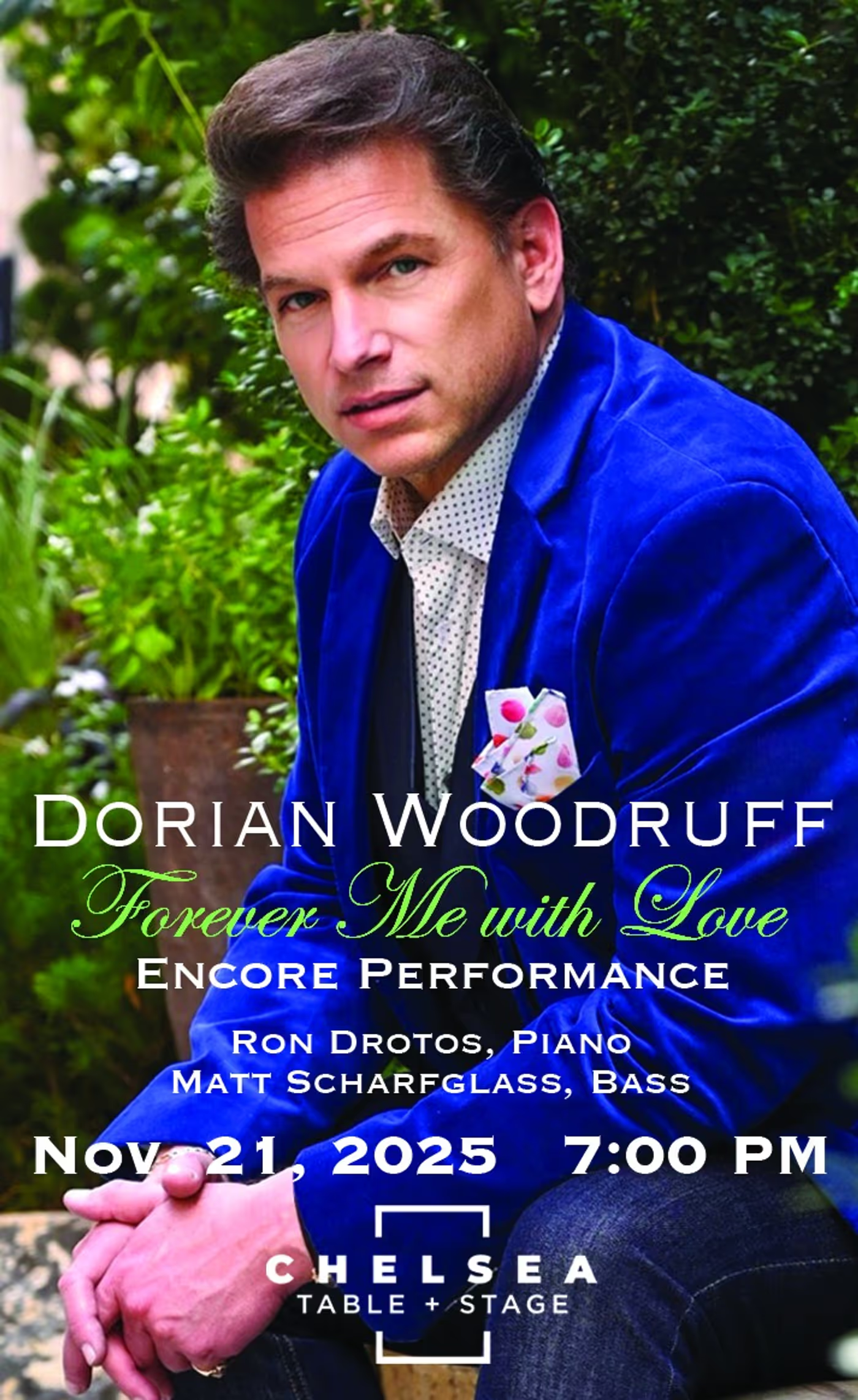
Prolific creator of cabaret and fashion, Dorian Woodruff had a big event his year, a first time that every maker of music never forgets - the release of his first-ever solo CD. Decades into a varied and vivacious career, the musician and singer was driven into the studio by one remark by a new colleague he greatly admired and respected, the result being a luscious album of tunes ranging from classic standards to original compositions, the final cut on the album being a very special recording that bids farewell to a music industry legend. When FOREVER ME WITH LOVE was released earlier this year, Woodruff did an album release show that BroadwayWorld Cabaret reviewer Andrew Poretz praised enthusiastically (read it HERE). Now, as Dorian prepares to encore the show (November 21st at 7 pm, tickets available HERE), he stopped by Two-A for a pot of tea and the spilling of the Tea regarding his craft, his community, and his very first CD.
This interview has been edited for space and content.
Photos by Stephen Mosher, except the cover art for FOREVER ME WITH LOVE.
SM: Dorian Woodruff, welcome to BroadwayWorld!
Thank you.
SM: How are you today?
I'm well!
SM: You are gearing up for your encore performance of Forever Me With Love…
Yes.
SM: You debuted this show last summer, but it wasn't just the debut of a new show - it was the debut of your inaugural cd.
Yes.
SM: Your very first recording.
First.
SM: You have been working in the music industry for a couple of decades.
More than a couple.
SM: Why did it take you so long to record your first ever recording?
I don't think it's something that ever entered my thought process because I was working so much, providing backing vocals and doing jingles, and, at that time, you could make good money doing that. Now, everything is computerized.
SM: Yeah.
I had fun doing that, and it was at a time when shows would hire pit singers to augment what was happening on stage, I somehow, I have no idea how, landed on a list of singers that could sub for shows for the pit.
SM: So you were busy making money?
I was busy making money. Also, I could play keyboards. I could play piano, so sometimes I could double dip.
SM: So what changed? What made you decide, “Well, I'm ready to record an album”?
After doing so many workshops with Lina (Koutrakos, Woodruff’s director), and having the opportunity to work with Mike Renzi in that workshop that happened in Rhode Island - sitting and having a conversation with Mike pushed it forward.
SM: That experience has had a really lasting effect on you.
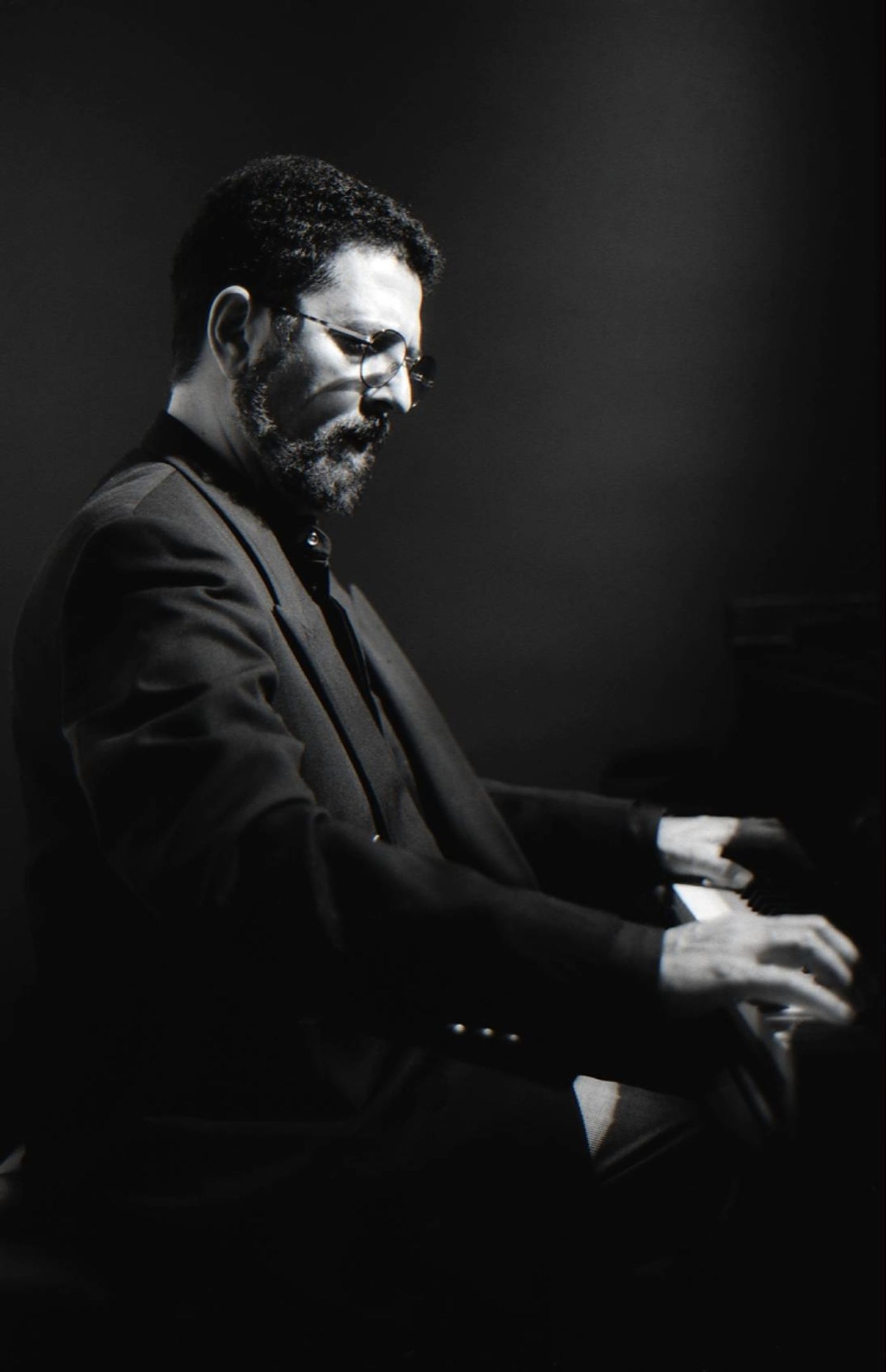 Yes. Because I've known of Mike Renzi for many years, if not decades… forever. I had run into him here and there, over the decades, but had never had a conversation with him, was never formally introduced to him. So, here we were, in this amazing studio where Mike, for years, had done all of his stuff, because he lived in Rhode Island, and we ran through one tune, and he stopped and looked at me and he said, “Why aren't you recording?” It was a recording workshop, but it wasn't (one) where we thought that these tracks would be used for anything. I wanted to go and do the workshop because Mike was going to be there - I thought, “Ooh, this is an opportunity to really meet Mike,” and when he said, “You should be recording,” that stuck in the back of my head. I had a friend in Nashville (who) used to go, “Dorian, I want you to think into the deep, dark crevices of your mind,” - that's how he would start conversations. Mike's statement just stuck into those deep, dark crevices. I got two tracks out of that workshop, one of which is the final tune on the album.
SM: You were the last person to record with Mike.
I was the last person to record with Mike before he went into the hospital.
SM: That is a weighty legacy to carry with you.
It's a very weighty legacy to carry. Lina and I have talked about this 'cause, for the longest time, I thought I didn't want to boast about that. I didn't want to be that person. But Lina pointed out to me, “You can be that person to a point, but not be boasty about it. You can be that person because you were given a legacy. So, be the legacy person and not the boast person” - that really stuck.
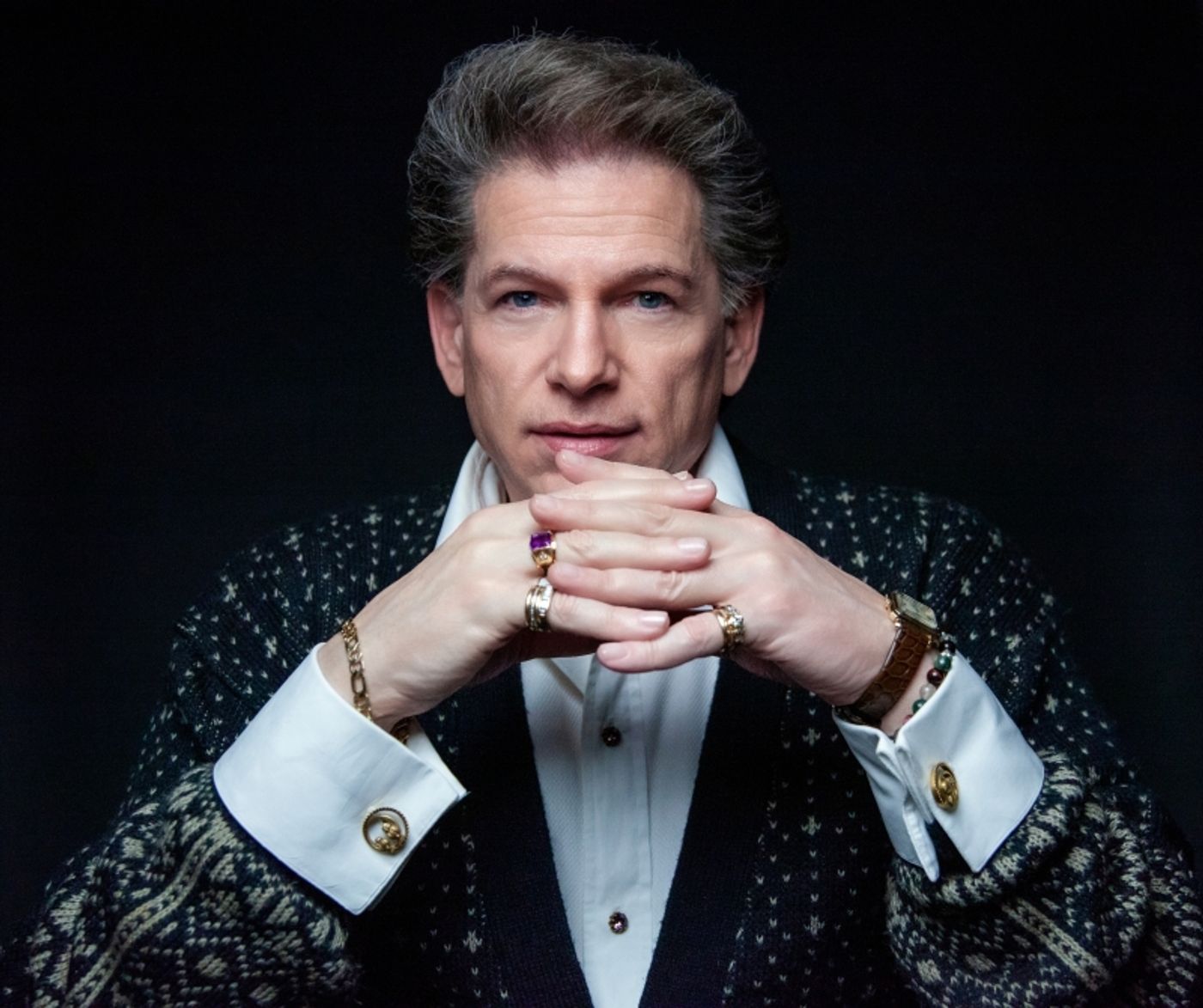
SM: You have worked with Lina Koutrakos for many years.
Yes.
SM: As a teacher and as a director.
Yes.
SM: You must have a kind of a shorthand that you speak together.
Very much so. Lina and I can look at each other for 45 seconds and have an entire conversation without saying a word. She is someone that I can write 50 pages of patter and send it off to, and she condenses it down to three pages, fully cohesive, and with a full story arc. I can present a tune to her in a way that I think I'm connecting everything, and she'll tweak one or two things, and it just brings it all together. In the studio with Mike Renzi, she stuck her head in the door and said, “Don't sing tired,” and I knew exactly what she meant. It's things that she does with me that I understand.
SM: Is she different as a director than she is as a teacher?
There is the same intensity for both. She is more on the coaching side because, when you come to her, you got to have your chops. You have to know the melody, because she's not there to teach you a melody. She's not there to teach you a lyric. You have to come in knowing the tune so that she can coach you on it. I've also had this amazing, wonderful conversation with KT Sullivan about the placement, in a phrase… are you putting the comma before the verb? Are you putting it after the verb? Because where you put it changes the meaning of your lyric. And I just adored that conversation with KT; so taking stuff from Lina and taking that from KT… I combine those. And when I'm working on a lyric, I have this wonderful journal that Jamie Salzano gave me for my birthday… it's nine inches by twelve inches, when you open it up, you get double that. Down the center of this, I write out all of my lyrics as full sentences. I take the poetry and make it full sentences. On the right side, I'm writing all the questions to each sentence, and on the left side, I'm writing my full backstory, my full subtext. I never share my subtext with anyone, because when I'm singing this lyric, I want you to have your experience through me. I don't want to dictate what you are hearing.
SM: You tell it in the story.
Yes, absolutely.
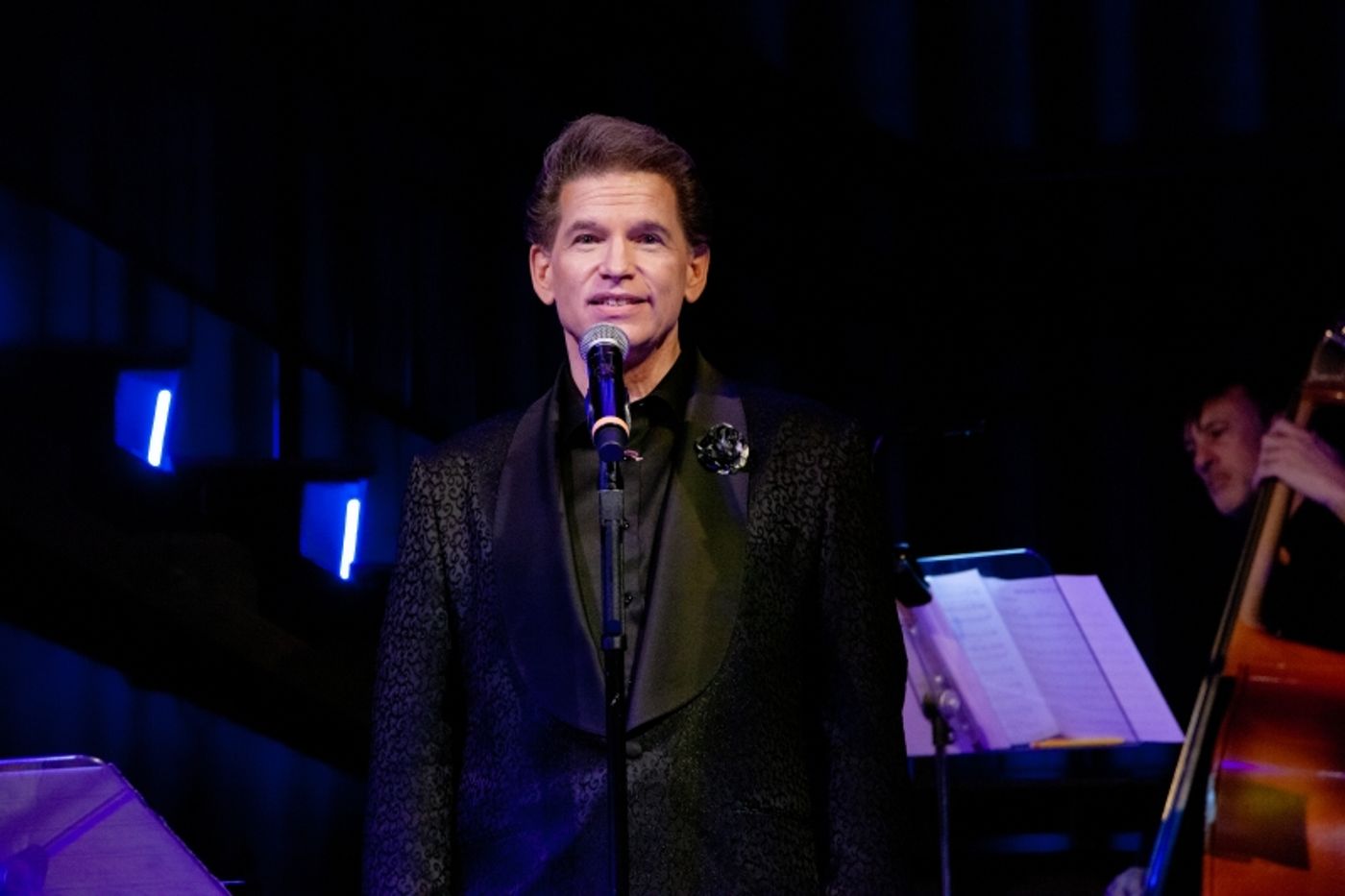
SM: In the last 10 minutes, you have said Mike Renzi’s name, Lina Koutrakos’ name, KT Sullivan's name and Jamie Salzano’s name.
Yeah.
SM: You are deeply entrenched in this community.
I love this community.
SM: You really work at it. You work at being a part of this industry, of this community. You show up for everyone's show.
When I can.
SM: You're one of the people that’s at everyone's show, like KT Sullivan or Leanne Borgeshi.
Yeah.
SM: Why is it so important to lean into the community?
I think support is important. Someone said to me, “I go to cabaret shows, and all it is is other singers,” and I thought, “Well, if all you ever get is other singers, that means they want to be there for a reason. There's a specific reason they want to be there and support you.” And on the other side of that coin is we love it when there are people in the audience that we don't know. The last show I did at Pangea, it was one of the Bergman shows, and I was talking about my time in Paraty, Brazil, and, afterwards, these four gentlemen came up to me and said they were just walking by and saw that there was a show and came in. They were from Paraty! And when I was talking about that, and speaking in my broken Portuguese, one of them said, “You took me home.” So, say I go to Mary Sue Daniels’ show, where she's talking about growing up in Montana around the copper mines and everything - she has such a way of telling it that you are right there with her. She'll also say something that is so relatable to something that happened to me when I was a kid in New York City, and I get it. Your patter is equally as important as the tune you're singing.
SM: Were you always good at writing your script?
I've always been good at writing. I don't know when the script development came into it. I never took a script writing class in college. I think the book that carries me into that is by Fannie Flagg, and it's called Daisy Fay and The Miracle Man - I think that the forward says something to the effect of “everything you are about to read is true, but not really,” and I'm paraphrasing there a little bit. I think when I write scripts, that's the book that has the effect on me more than others.
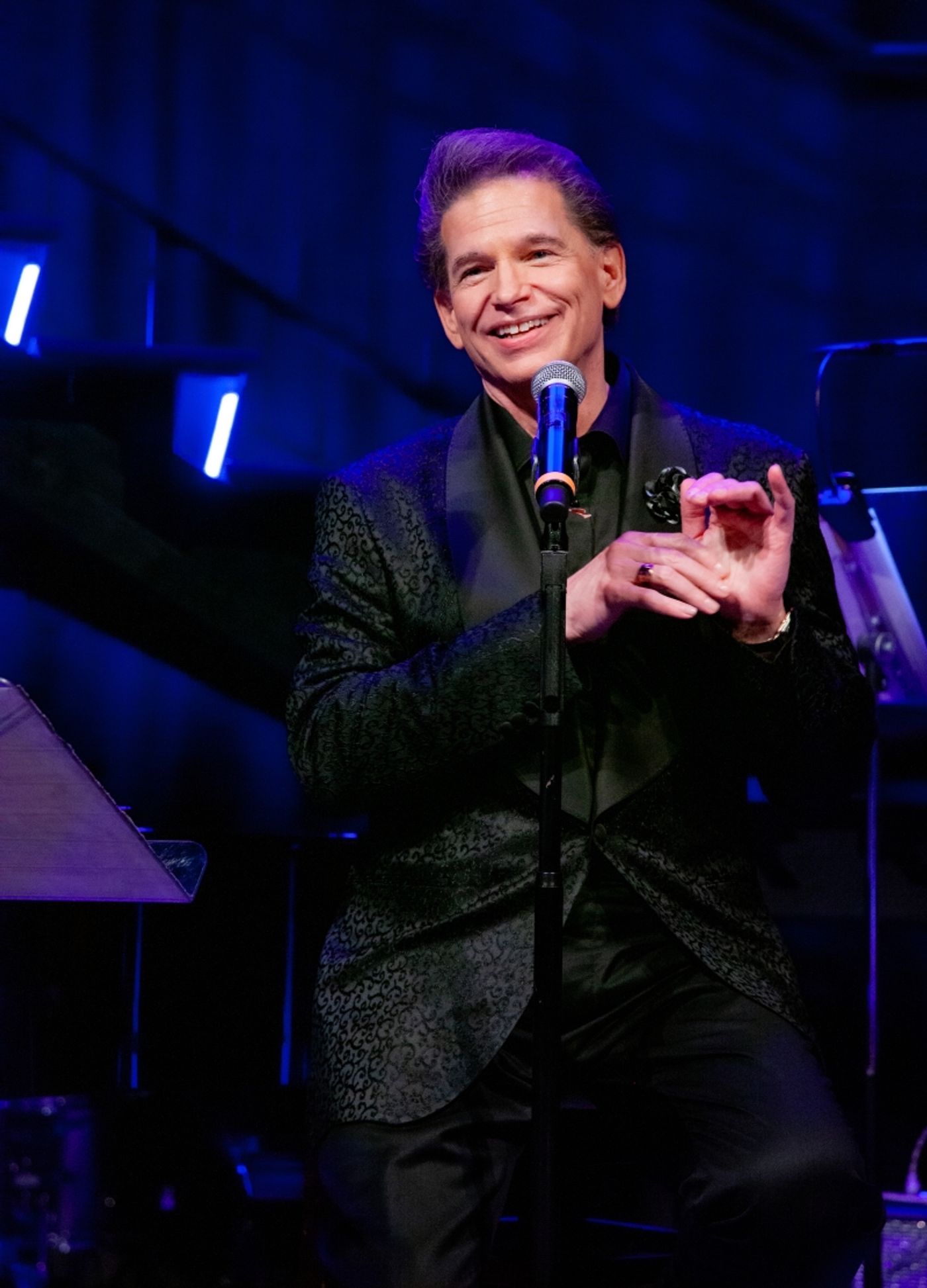
SM: You also have a background in jazz.
Yeah.
SM: And there are times when people have referred to you as a jazz singer, though that's not ever been my experience of you. I see you putting cabaret shows on…
Yes.
SM: Jazz singers have a set list, and they sing their set… But you are indulging in the art of crafting your cabaret book.
Yeah.
SM: Was there a point at which you said, “I don't want to sing a set, I want to do a show.
I was talking to Sally Mayes - I was living in DC and Sally had come down there to do a workshop at Alex Tang's house. Alex is one of these wonderful piano players, and has this house that is set up where he can host a large group of people, and Sally came, and we were at dinner after (the workshop), and I was telling Sally, “When you were working with that one woman, she had put those two tunes together and you were discussing how the lyrics were so different in each and they didn't relate to each other, and you started talking about story arc... that was the moment I was like, story arc, story arc, story arc. Don't give me a history lesson, give me a story arc. And why is this story arc personal to YOU? I remember watching Lisa Yeager at the Metropolitan Room and Rick Jensen was playing for her. Rick had done all these amazing arrangements for her, and I was trying to put a show together, and I was looking at different piano players, and one of the tunes she sang in there was “I want to Dance with Somebody” - the arrangement that Rick Jensen did of that tune… I was sitting with Lina and leaned over and I said, “Rick's playing my show.” Rick and Lisa had a way of talking to each other, it was spectacular.
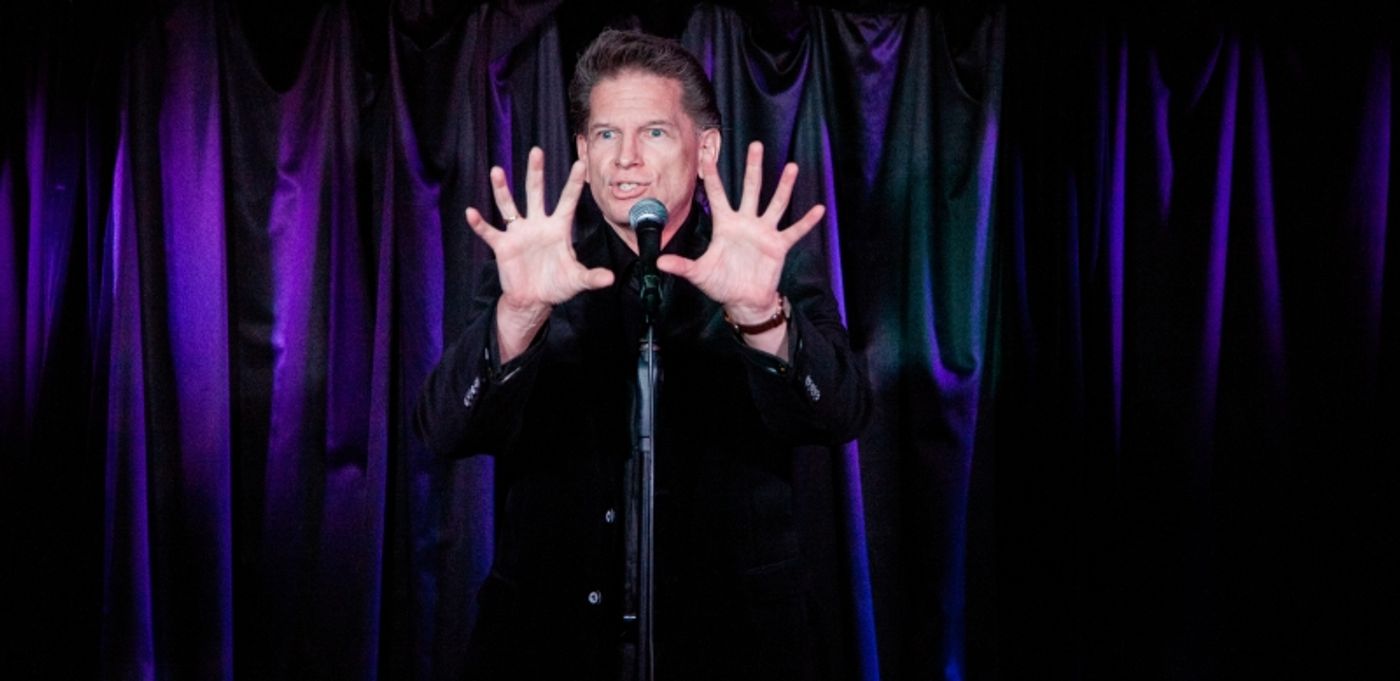
SM: You and I have attended a number of cabarets together.
And sometimes we have bad luck at those .
SM: Some of them have been wonderful, and some of them haven't been quite so wonderful.
Right.
SM: But you still show up and you still clap, and you're still very supportive and very appreciative. When you are in the audience, what are you willing to forgive from a cabaret performer?
I'(M) Willing to forgive not perfect singing if you are fully committed to your story, and you believe it, and you are presenting it, and I'm right there with you. There's one person that, when the patter is happening, you are walking down the sidewalk with him. You see the colors of the car. You see the gray skies that he's talking about. You see the red sweater that his mother was wearing. He has a way to tell it like no other. It's all about the storytelling.
SM: And yet you love the jazz shows at Birdland.
I do love the jazz shows at Birdland, but with jazz shows, you can't be just a good jazz singer because a good jazz singer, and the singer's trio, will construct that set list where the order of those tunes tells a story.
SM: That's what I was hoping you would say.
If you go back and look and look at jazz albums, especially, Ella, the order of those tunes tell a story. Nancy Wilson, they tell a story. You know, Frank Sinatra, big story. Tony Bennett, big story.
SM: In the case of your album, how did you put your story together?
Behind the piano in my apartment, the entire wall is just one big cork board. Of course, I had to cover it in silk 'cause I couldn't just leave it ugly - I have three by five cards, and I put the title of every tune on a separate card. I knew that I wanted to open with “Nice and Easy,” 'cause it's a medium swing, and that’s that. And then the total of 14 tunes, I was like - fast, slow, fast, slow, fast, slow - I didn't want that. And I made sure that every tune was a positive lyric. I didn't want anything that was sad. If you look at them, if you look at “The Way We Were,” you're talking about great, wonderful memories that have shaped who you are. “Alone in The World”... Why not pretend we're alone in the world? And “Fly Away,” you're talking about, “I know a place where seagulls play,” you're wanting to go to that secluded lagoon and make passion.

SM: Are you a positive energy person?
I try to be. I am not always successful, but I try.
SM: Are you able to keep what isn't positive out of your art?
I don't sing sad songs. There's only one song that I sing that the last line is not positive and that's “Falling in Love With Love,” because the last line is ”But love fell out with me.” That's a down note. But I do that tune as a jazz waltz. And if you look at the beginning, “Fallling in Love With Love”... “is falling for make believe”... that's the only sad tune I have in my book. Everything else remains pretty hopeful.
SM: When you were presenting this show in June, it was the companion piece to the release of your album.
Yeah.
SM: And your album is lined up to tell a story. Do you go out on the stage and sing the album as it is? Do you sing it in order in your show?
No, because I took patter from a couple of different shows and put this together so that it gives everyone the sense that, right now, here in this club, this is home.
SM: But you're able to make every club, every show cozy and, and like a home.
I try - when the Metropolitan Room was around, I struggled to make that one cozy.
SM: That was a hard room.
It was a beautiful room. It was a lovely room. But I struggled with that room Pangea is like you're sitting in the living room.
SM: I was at the show at Chelsea Table and Stage, and you made it very accessible, very warm. You were able to reach all of the audience. You found a way to take in all three sides of your audience.
I did see that there were a couple people at the bar, 'cause the first thing I do when I get up there is scan the room - I may not be able to see faces but I can see the shapes of heads, so I know where people are, 'cause when the lights come on, you see nothing. But you're able to sing in the general direction of a human being.
SM: Why is it so important to connect to your audience?
Because if you just stand up there and sing, are you just standing up there for yourself? Why wouldn't you want to connect?
SM: Well, you and I have both seen singers that don't connect.
My litmus test for those rooms, when those singers don't connect, is if I start listening to your piano player more than I'm listening to you… Molly, you in danger girl.
SM: So for the last few years, you tend to put out a show a year, but you also had a strenuous work schedule, which inhibited your ability to put out long runs.
Yeah.
SM: But you retired this year to focus more on your art and your home life.
Yeah.
SM: Does that mean that you'll be doing more shows and doing more albums? What's, what's the artistic future for you?
I think more recording, 'cause I had this conversation with Lori Mechem, who's a dear friend in Nashville, Tennessee, and she has said, “Come here and record.” She and her husband, Roger Spencer, have built this amazing studio onto their home and it's set up as an entire recording atmosphere, and she would play and her husband, Roger, would engineer, so I think more recording. I am structuring a show right now about my mom. I don't know if it will ever come to fruition, but I'm writing it.
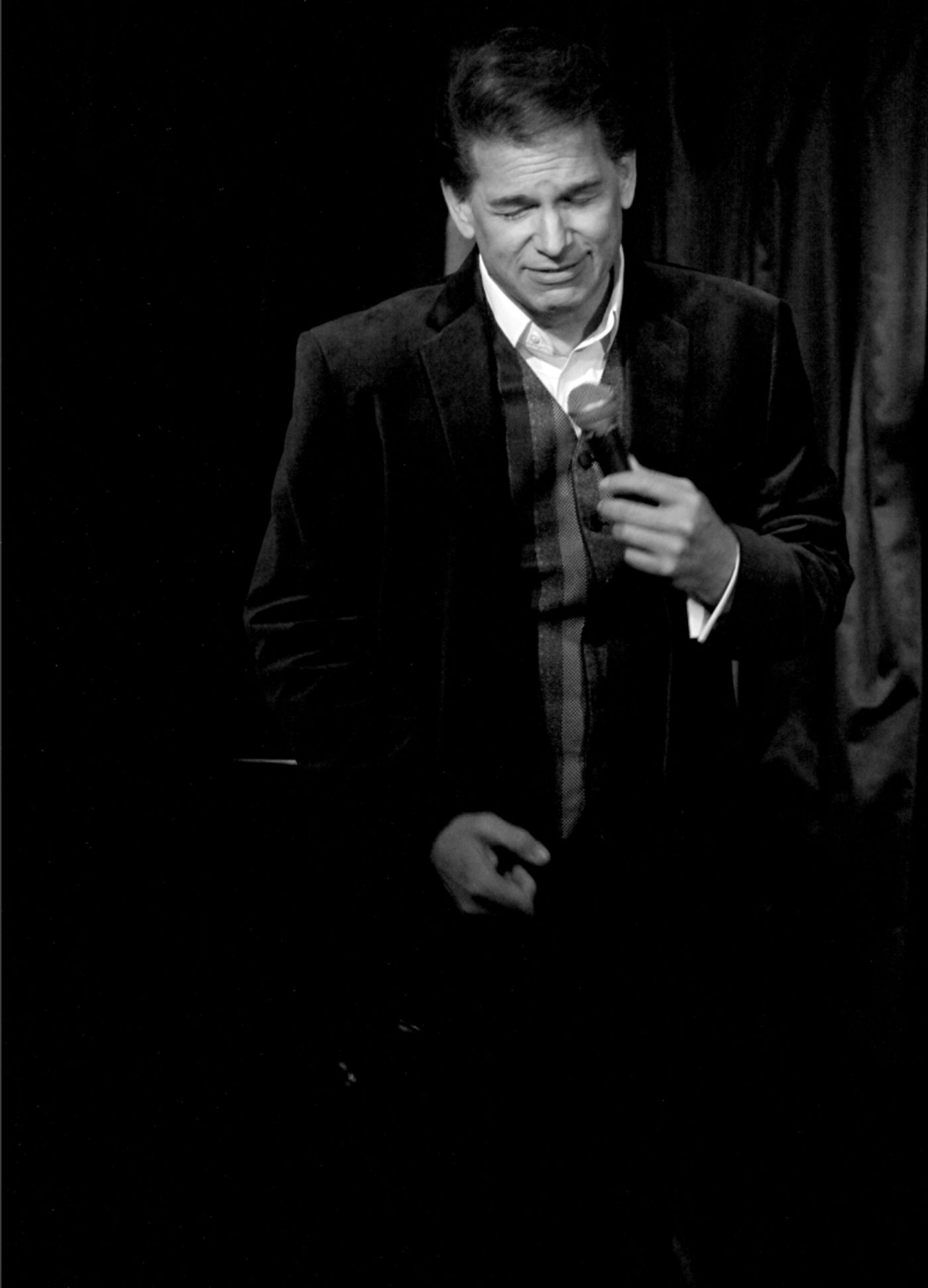
SM: There is a strongly personal aspect to every show that you do.
Yeah.
SM: You're a very discreet person, yet you tell some rather intimate stories in your show. How do you decide how much to share? How do you decide to be delicate when telling the personal stories about your life and the lives of the people around you?
I think it's part Kenneth Williams, and a little bit of Joan Rivers 'cause I adored her, and part old Hollywood glam, when they would appear on talk shows and how elegantly they told a story, but never went over the edge.
SM: You carry that old Hollywood glamor with you. That sense of elegance.
I hope I don't do it pretentiously, but there was something about that old system where they taught you how to walk, how to speak, how to hold a fork, which fork to use, et cetera.
SM: That's important to you.
It is, 'cause I grew up with parents and grandparents that said, “This is how you set a table, you're served from this side, this glass is for this…”
SM: You're keeping your family aesthetic.
Yeah.
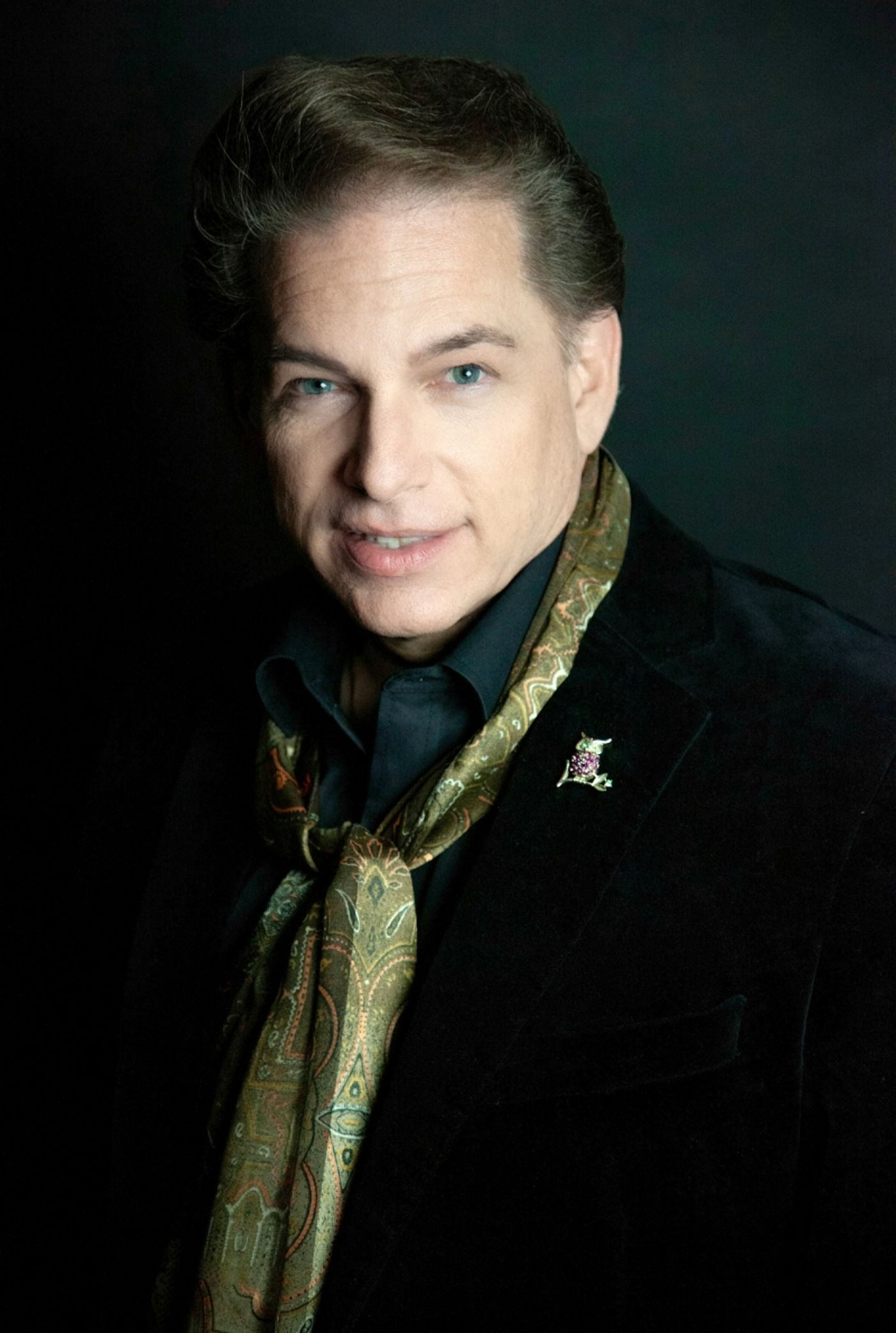
SM: Earlier we were talking about the cabaret community
Mm-hmm.
SM: Which you've been a part of for a very long time - you recently sat on a committee for the American Songbook Association.
Yes.
SM: Why did it take you so long to get onto one of the many committees in the cabaret world?
One reason is time - I didn't really have a lot of free time. And I was never asked. I want to help with an organization, but unless you're asked, it's difficult to get in with a group. So I was asked, and everyone that worked on the American Songbook Association Gala went above and beyond.
SM: So you had a good experience with that side of the community aspect of the industry.
Yes. Very good experience.
SM: When you write your shows, how frequently does Lina say take this story out?
There have been several times, when it hasn't moved the story along.
SM: Do you always trust her when she wants to take something out, or do you try and save your baby?
There have been times where I've tried to save the baby and we've had full 30-minute discussions about it, weighing why I want it there, and weighing why she doesn't want it there. I mean, we're not one of those working relationships where I've got to have everything my way. And she's not that way either. We're both going to do what's best for the show.
SM: You're very loyal to your creatives.
Yes, I am.
SM: What is the benefit to finding collaborators and staying with them?
When you find a director that works for you, that understands you, and you can speak the same language and you can be co-creative, you don't want to let that go. It's the same with piano players.
SM: This album…
Yeah.
SM: It's on Apple Music…
Apple Music, Spotify, uh, actually 250 something different streaming platforms.

SM: So how does it feel being a recording artist that can be downloaded?
It’s a little bit daunting knowing that someone in Nigeria can download, someone in London can download, someone in Antarctica can download, it's not just local.
SM: I remember, in the nineties when Nancy LaMott would show up for her gigs with a cardboard box full of her CDs, and that's how you got your music out there.
Yeah.
SM: And these days, with the push of a button, your music went live around the world.
That's crazy.
SM: What is the greatest lesson you learned from your two days working with Mike Renzi? Or your takeaway?
The fact that he saw something in me and heard something in me to say, you should be recording.
SM: How's that for validation?
It's really good. Yeah. It's really, really good.
SM: Dorian, thank you for talking to me today, have fun at Chelsea Table on November 21st!
It was my pleasure, and I intend to!
Dorian Woodruff FOREVER ME WITH LOVE plays Chelsea Table + Stage November 21st at 7 pm. Buy tickets HERE.
Follow Dorian Woodruff on Instagram HERE.


|
Flame: The Songs of Brady & Browne 54 Below (8/23-8/23) |
|
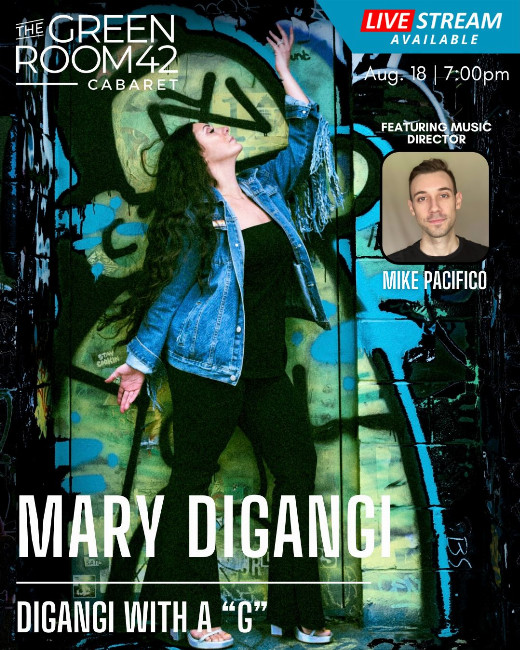
DiGangi With A “G” The Green Room 42 (8/18-8/18) |
|
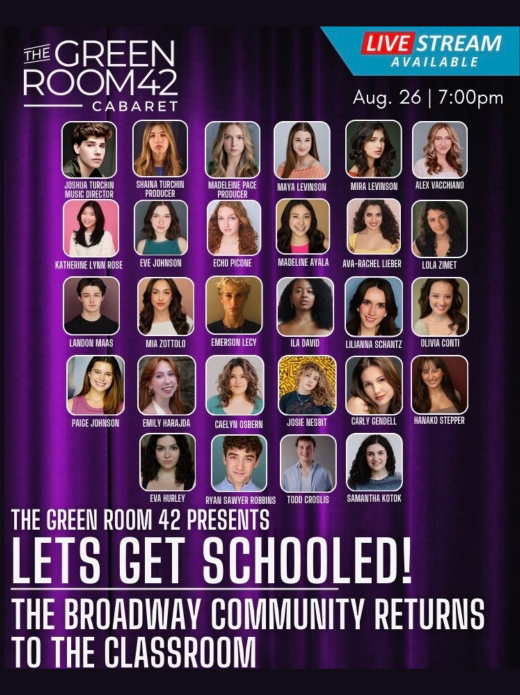
Let's Get Schooled: The Broadway Community Returns to the Classroom Green Room 42 (8/26-8/26) |

|
Troy: Crooner to the Stars The Green Room 42 (8/21-8/21) |
|
Will Kelley: For the Record Laurie Beechman Theatre (8/29-8/29) |

|
Spamilton: An American Parody 10th Anniversary Concert 54 Below (9/03-9/03) |

|
Blacc Cherry's Fire Island Adventure The Laurie Beechman Theatre (8/22-8/22) |
|
Andy Statman Trio Joe's Pub (8/26-8/26) |

|
Seth Sikes with Tedd Firth: If You Feel Like Singing, Sing! 54 Below (9/22-9/22) |

|
Ethan Iverson: The Beatles (aka Pepperland) Joe's Pub (10/27-10/27) |