The Jewish Museum Will Present an Exhibition Exploring The Zodiac
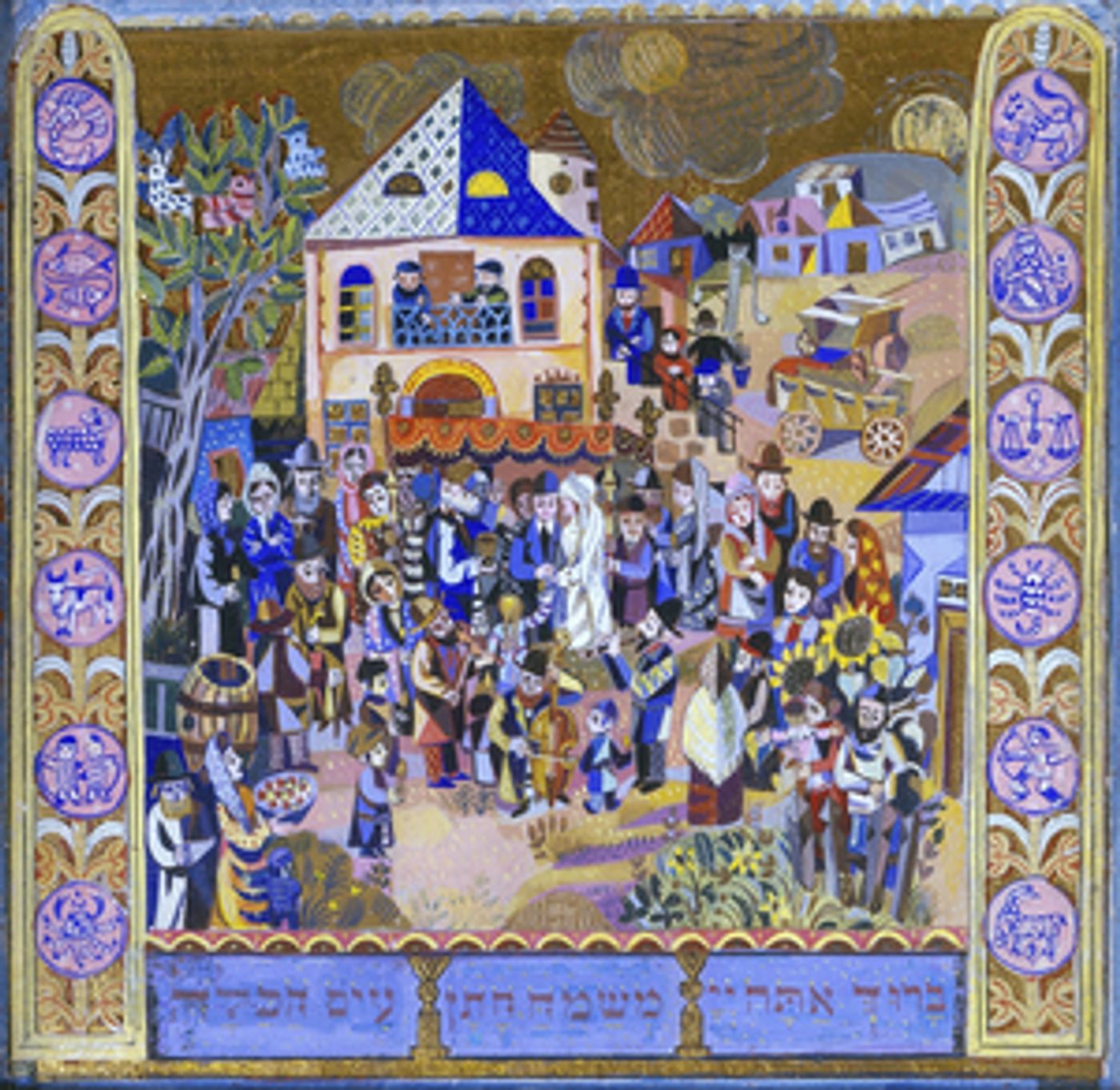
The Jewish Museum will present Signs and Symbols: The Zodiac from November 15, 2019 through September 14, 2020, featuring works from the Museum's collection that depict the astrological signs. Jewish communities, adapting and adopting local practices over the centuries, incorporated these symbols into ceremonial objects, synagogue architecture, and art even though rabbinic authorities reject astrology as part of Jewish practice.
One of seven sections that make up the Jewish Museum's third floor collection exhibition, Scenes from the Collection, "Signs and Symbols" explores the significance of a particular iconic element or motif in a variety of works. Objects on view in The Zodiac range from c. 1300 to the 1950s and originate from Austria, Denmark, Germany, Iran, Israel, Italy, Poland, and the United States. Depictions of zodiac signs display distinctive traits and also emulate other traditions. In Jewish contexts the sign of Aries is often a lamb, in accordance with the Hebrew name of the sign (taleh or lamb), instead of the usual ram. Aquarius-dli (pail) in Hebrew-is a figure drawing water from a well or simply a bucket. Symbols were often divested of human representation, yet Virgo at times was rendered as a woman holding a flower following Christian tradition. Such depictions were often included in richly decorated works used to mark life cycle events and holidays.A Torah crown created at the Bezalel School in Jerusalem in the 1910s exemplifies the school's use of multiple techniques and materials with both Eastern and Western influences. An eighteenth century Torah crown and shield from Lwów (present-day Lviv, Ukraine) combine the zodiac with rococo forms common to synagogue design of the time.