


Review: FIDDLER ON THE ROOF at Cultural Arts Playhouse-SYOSSET
Revolution for a Simple Life
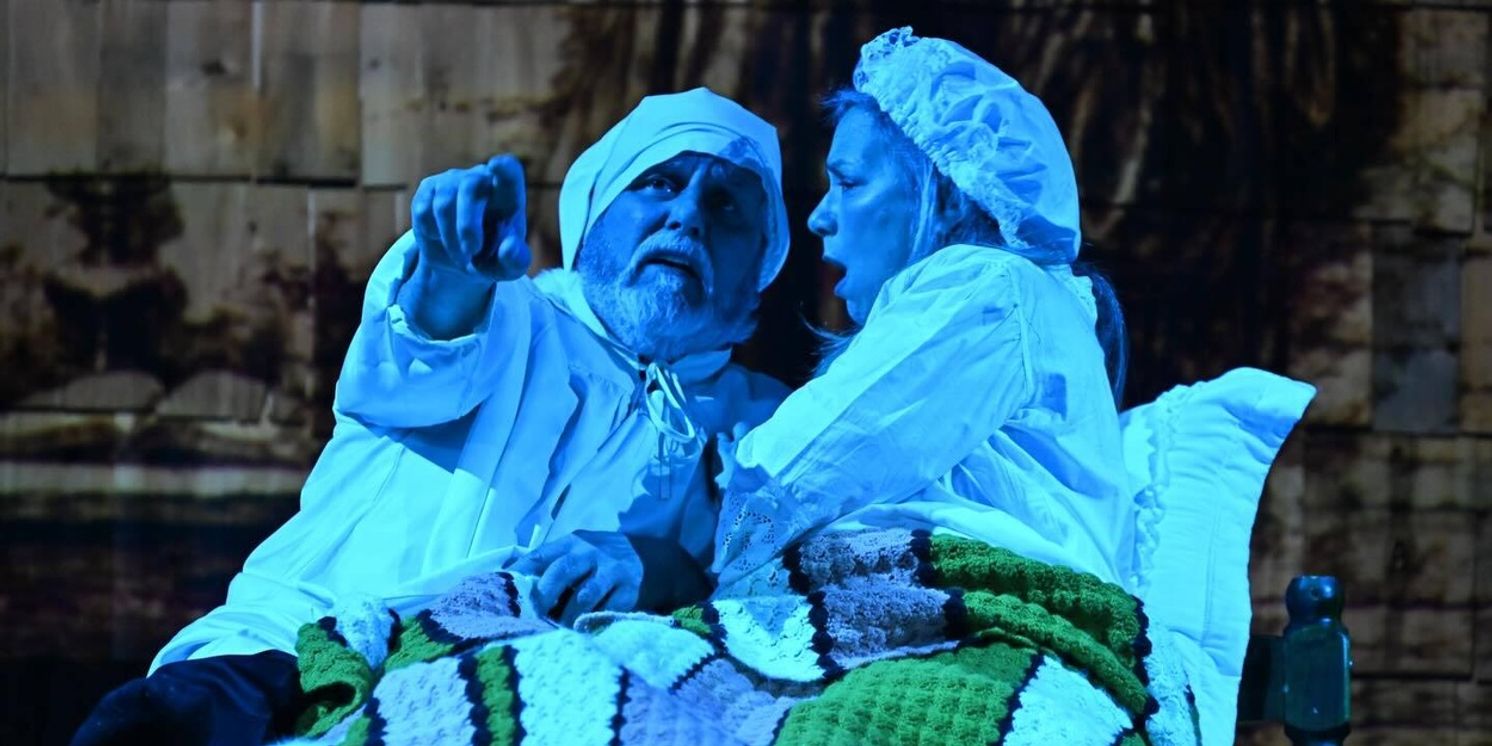
A devastatingly timely production of “Fiddler on the Roof,” by Cultural Arts Playhouse in Syosset brings us to the small, earnest existence of Anatevka, a Jewish town in the Russian empire during the tumultuous turn of the century.
Director Tony Frangipine created a beautifully tragic arc for Anatevka and its citizens from the proud boasting of “Tradition,” at the opening to the solitary, silent exile by the patriarch of the family at curtain down. The tone shift is dramatic and demoralizing because of the joyous celebrations and ever-present humor we witness the cast go through to contrast with the acceptance of defeat at the end.
Choreographer Danielle Coutieri had a challenge in choreographing so many large ensemble numbers, but handled it with energy, enthusiasm, and even a bit of a cheeky confidence, especially in the famous “Bottle Dance.”
Costumer Carmela Newman (who also played lead, Golde) seemed to take inspiration directly from the bucolic Russian peasant paintings of Alexey Venetsianov in the color palette and silhouettes for the production.
Michael Newman fittingly portrayed father and narrator Tevye as much a curmudgeon as he is a mensch. The physicality of Newman’s bone-tired dairyman, with the pained shuffling in his feet and even reticence in raising his arms in “Tradition,” captured the aging and weary Tevye’s undying work ethic for his family. In “If I Were a Rich Man,” and “Tevye’s Monologue” Newman’s voice soared with celebration and zest for a life he loved even if it was an impoverished one.
Carmela Newman as Golde was the quintessential girls’ mom, encapsulating her oscillating discipline and dreaming for her dowry-less daughters. A generous actress, Carmela shone with great chemistry with both Newman and Mara Kaplan as Yente. The exasperated sisterly-relationship between Carmela and Kaplan served as both a cultural and comedic high point. Even in the penultimate scene where Kaplan’s Yente is leaving her home, her endless list of complaints is delivered with such fierce apathy to the regime.
Eldest daughter Tzeitzel, played with dignity and charming sweetness by Jillian Cordeira sung with a warm, full, and inviting voice for “Matchmaker, Matchmaker.” The clandestine meetings she has with adorably nervous Brandon Schroh as Motel were some of the most heart-warming duets in the whole show.
Briana Ebinger as Hodel, played her character with the requisite sass for a second oldest and in “Now I Have Everything” and “Far From the Home I Love,” Ebinger’s commanding voice was carefully tuned to belie moments of weakness in her character’s resolve for following her student turned political prisoner love. Ebinger’s numb, but devastated expressions at the train station scene where Hodel awaits her fate to Siberia was movingly tragic.
Andrew J. Koehler as Perchik, the student that Tevye hires to teach his daughters, is a unique character in the show because he is an outsider to Anatevka and Koehler makes a stolid dichotomy--his wariness of some customs, yet his motivations for revolution lie in the salvation of Russians like Tevye’s famiy. Reminiscent of “Peaky Blinders” socialist Freddy Thorne, Koehler’s Perchik plays a harbinger of change with fiery dissent and modeled so with his emphatic words and dead-set eyes.
Contrasted with all the youthful aspirations was Jay Braiman’s middle-aged Lazar Wolf. Braiman’s makes Lazar’s simple wish for a wife to share his success with genuine good intentions earnest and paternal. The equal respect he pays Tevye, apparent in Braiman’s warm smiles and celebratory attitude, despite Tevye not being his economic equivalent endeared him to the audience even though the eye-brow raising age gap snaps reality back into the arrangement.
“Fiddler on the Roof” was produced in 1964, a time of societal shifts and only first beginning to understand, yet alone atone, for the Red Scare blacklisting of the first half of the century. The musical is a reminder of the muscle needed to preserve the simple, good life and how outsiders can sometimes envision the salvation better than those directly affected.
Reader Reviews

Videos