


Review: Breathtaking BEAT OF A WANDERING HEART Bows at The Laurie Beechman Theatre
The revue is alive and well and hanging in the basement.

Do you remember your first revue? I remember mine. When I was a teenager in High School the big local theater was doing the play As You Like It at 8 pm, but at 11 pm one night, the cast of the Shakespeare play performed a revue titled As WE Like It that consisted of musical numbers, sketches, comedy bits; and many of the musical numbers I heard there, for the first time, would lead me to the cast albums of the shows from which they originated. (Fun fact, in the cast of As WE Like It was OG Phantom of the Opera star Steve Barton.) The musical theater education inspired by the song list of As WE Like It led me to the album Side By Side By Sondheim, where I was introduced to the composer revue. An immediate fan of the format, I sought out revues on stage (where I could find them) and on cast albums, and discovered the detailed work that goes into creating a revue, the various styles of revue that get made, and the working parts of the art form. It seemed that some composer revues simply presented the songs of the creative, while others offered a script with facts and histories. There were revues that crafted a story arc, while other revues offered each song as a chapter in a theme-based evening of storytelling. There were roles that needed to be filled by the actors playing the parts, and there were relationships that occurred in nearly every one of these musical plays without dialogue. I became an ardent admirer of the revue, as a theatrical entity, and devoured productions and record albums of revues centered around Stephen Sondheim, Eubie Blake, Kander & Ebb, Duke Ellington, Jerry Herman, Jacques Brel, Fats Waller, and the greatest writers of revues, Messrs Maltby & Shire. And let there be no confusion: a revue is not the same thing as a jukebox musical or a catalogue musical - it is an art form all its own, and it takes proper crafting and specific storytelling skills; let that be understood and acknowledged.
Well, kids, the revue is alive and well, and thriving at The Laurie Beechman Theatre.
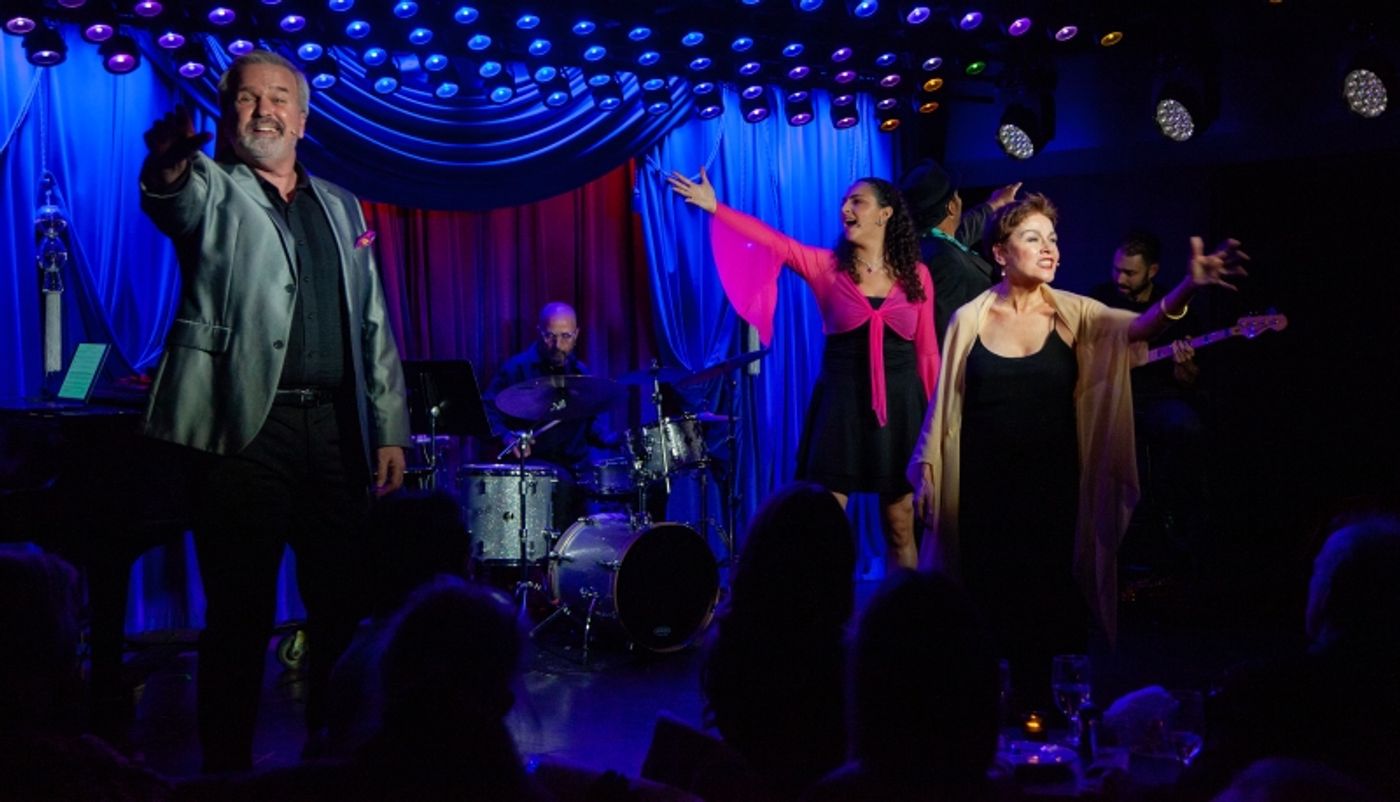
Last night was the official opening of THE BEAT OF A WANDERING HEART (there was a preview performance the night before, to lock it all in), and this writer is happy to say these words: there is finally, finally, finally (finally) a revue centering around the compositions of Martin Silvestri and Joel Higgins. The duo, as explained in Mark Nadler's pre-show curtain speech, has been creating songs for fifty years, with Silvestri (who prefers Marty to Martin) providing the music, and Higgins writing (predominantly) the lyrics. Their songs have turned up on albums and in cabaret shows and at open mic nights, and their plays have been produced around town, around the country, and across the pond in Jolly Old England. A journey through their canon is a voyage of discovery, where can be found intricate melodies easy to listen to (and easy to want to sing) and lyrics that paint visceral pictures full of imagery and emotion, poetry and profundity. Together, Higgins and Silvestri have built pictures in song and stories through shows, pictures reminiscent of Edward Hopper and stories that harken back to Carson McCullers. No mere collection of intro-verse-chorus compositions have we here: these are layered, nuanced, complex musical monologues with which director Mark Nadler has played a theatrical game of chess, arranging every vignette in a specific order so as to create a story arc and characters, all sent to breathe life into The Beat of a Wandering Heart. And for such an outing, for such a story, for such creativity, one must compile a community of actors expertly able to embody all of the facets of this new play.
Enter the actors.
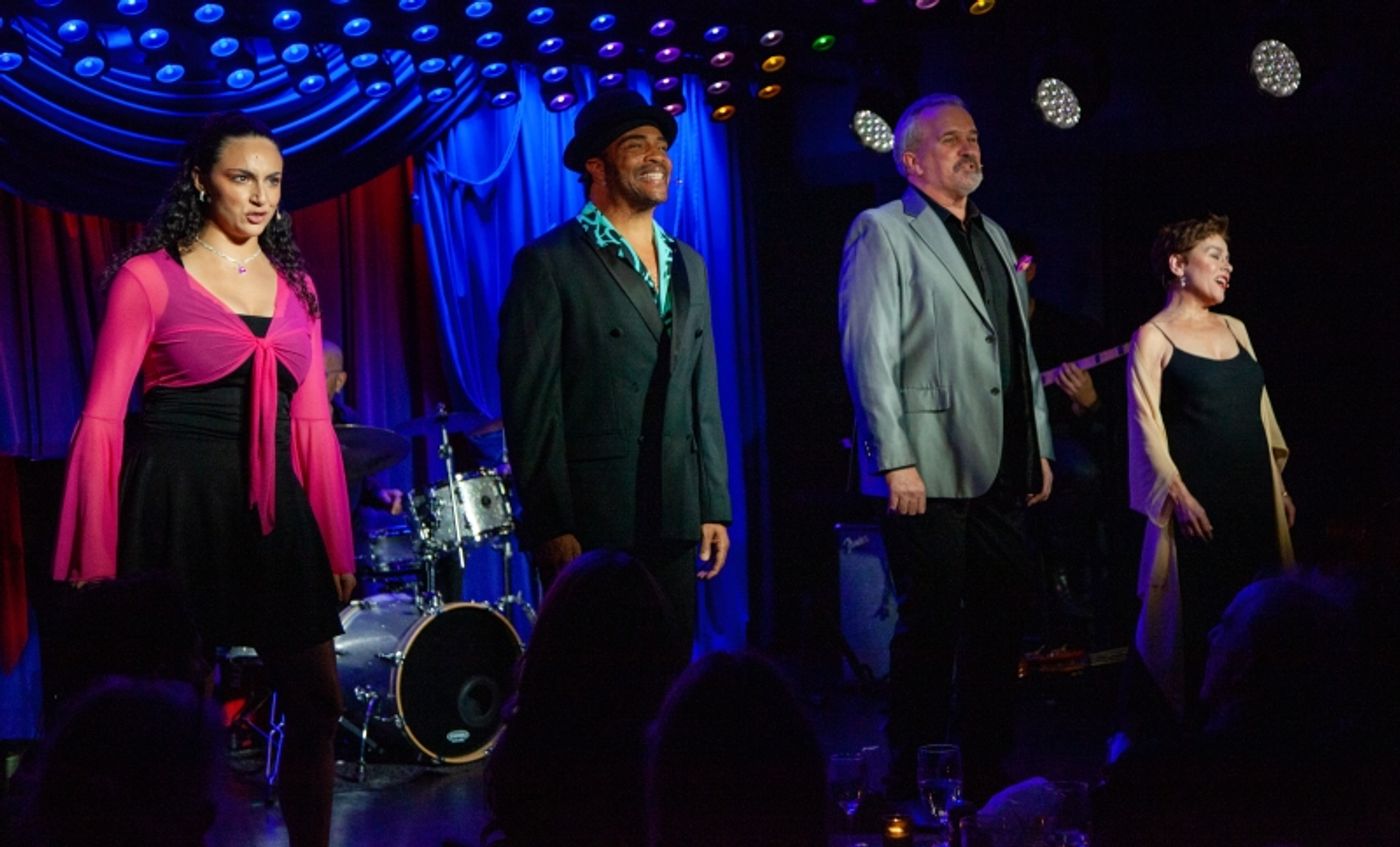
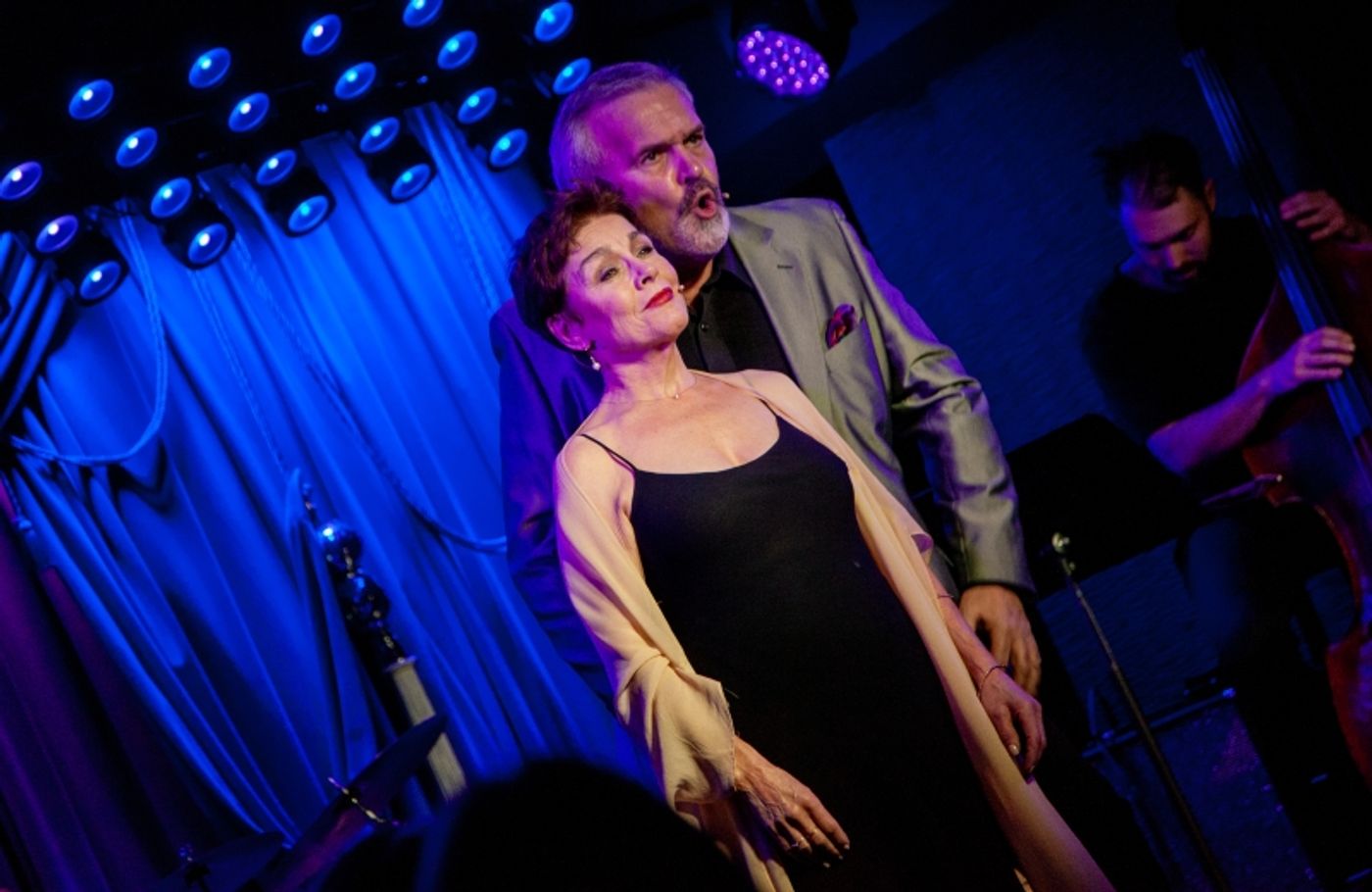
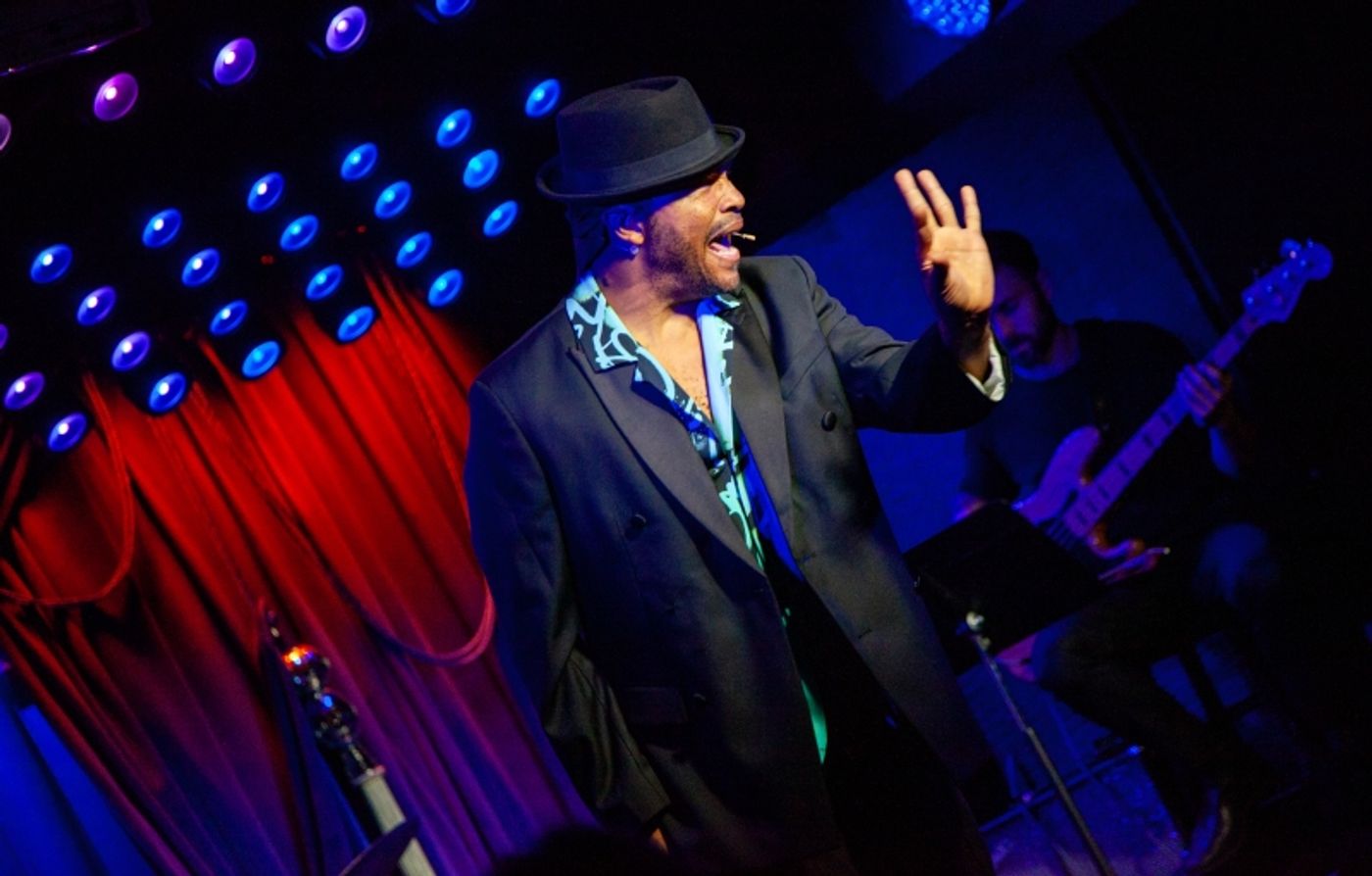
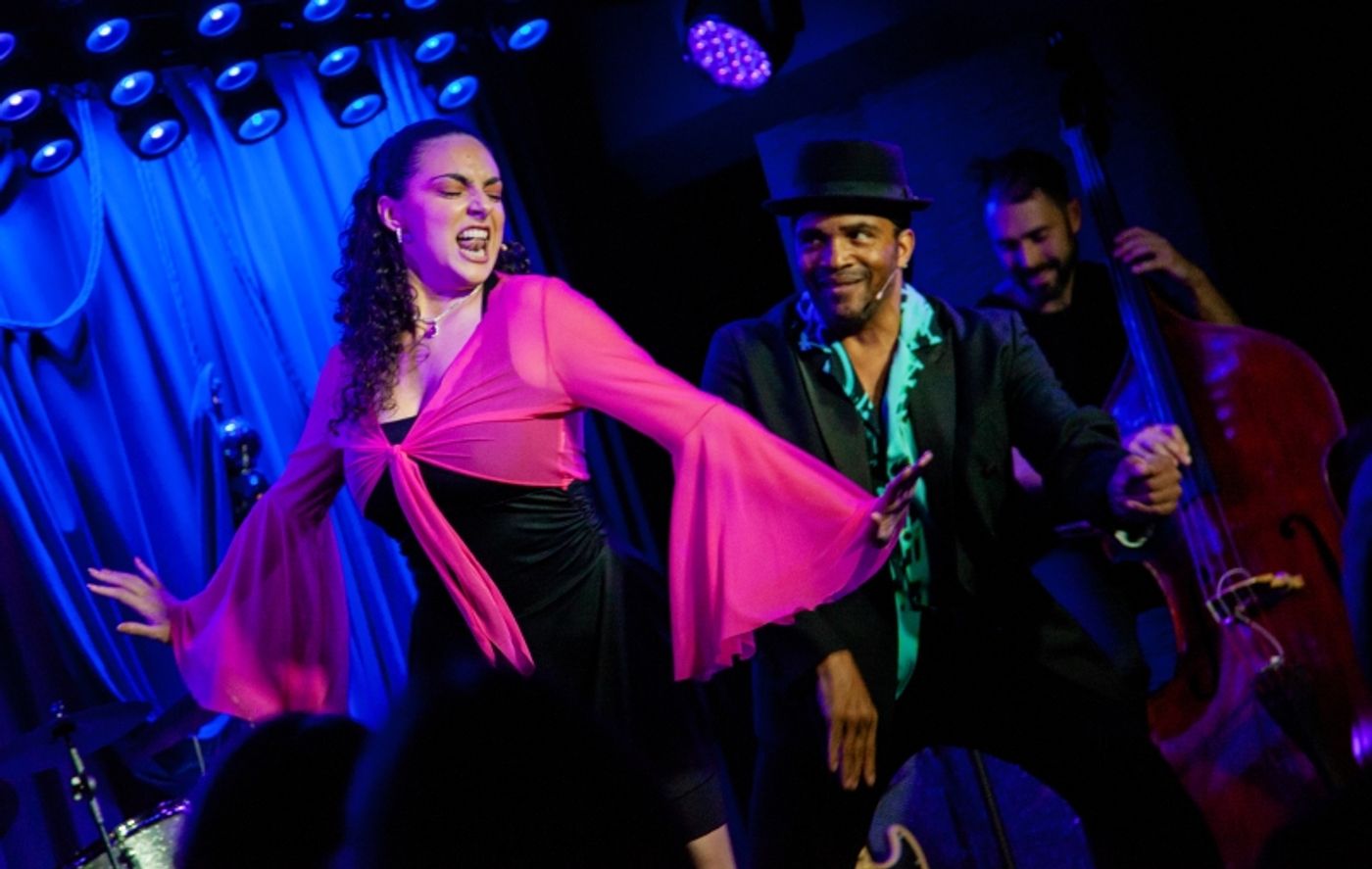
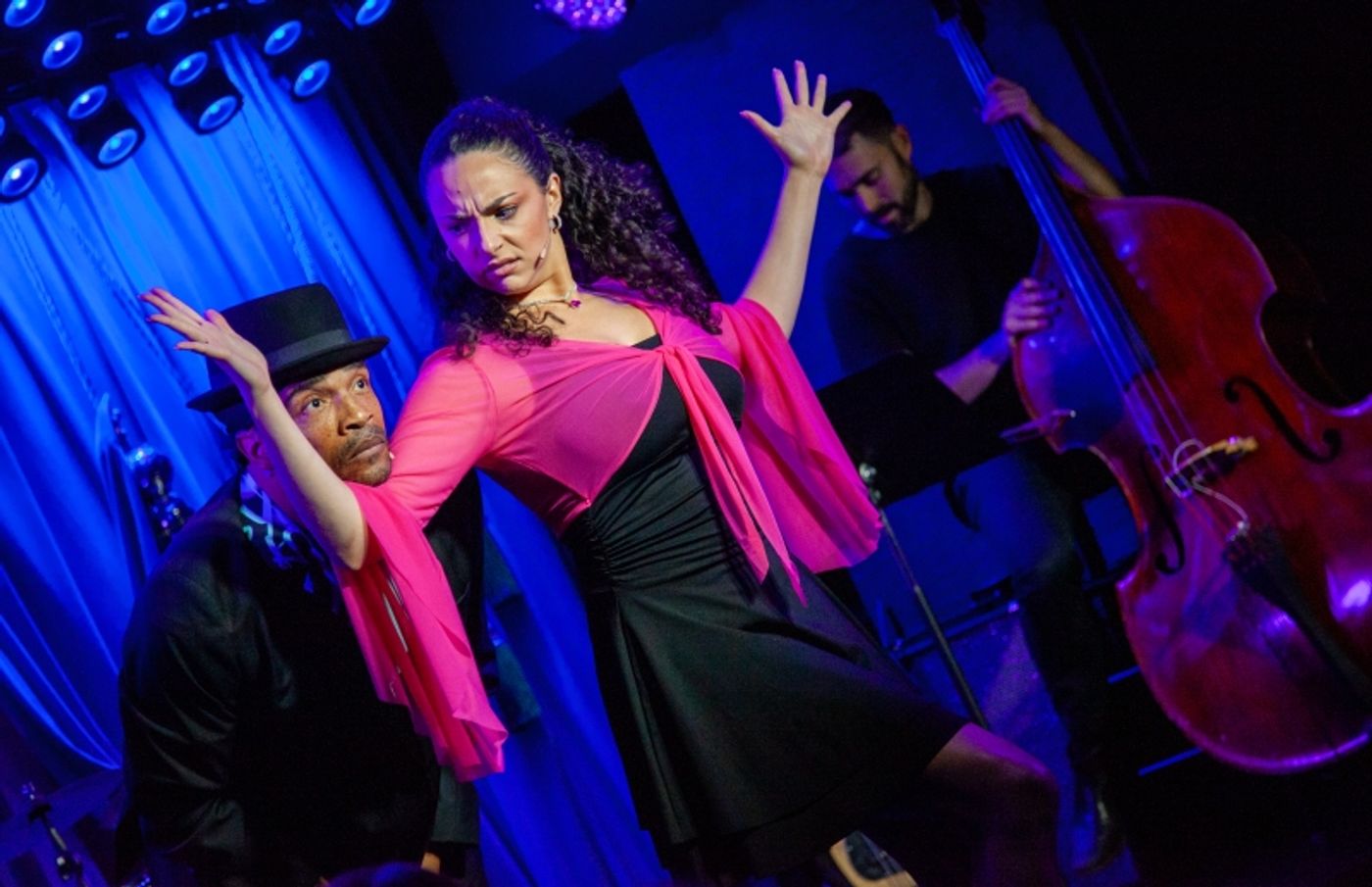
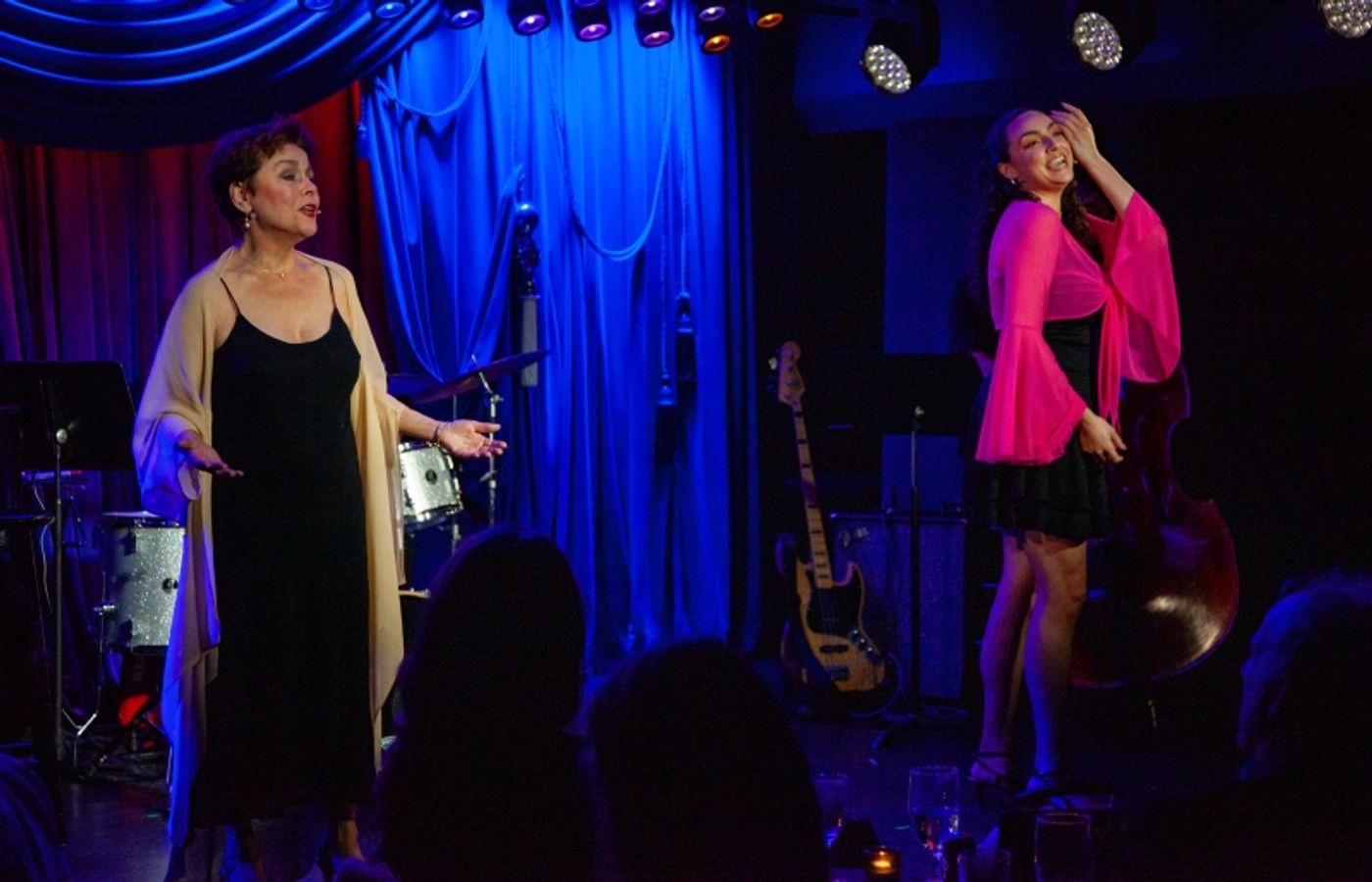
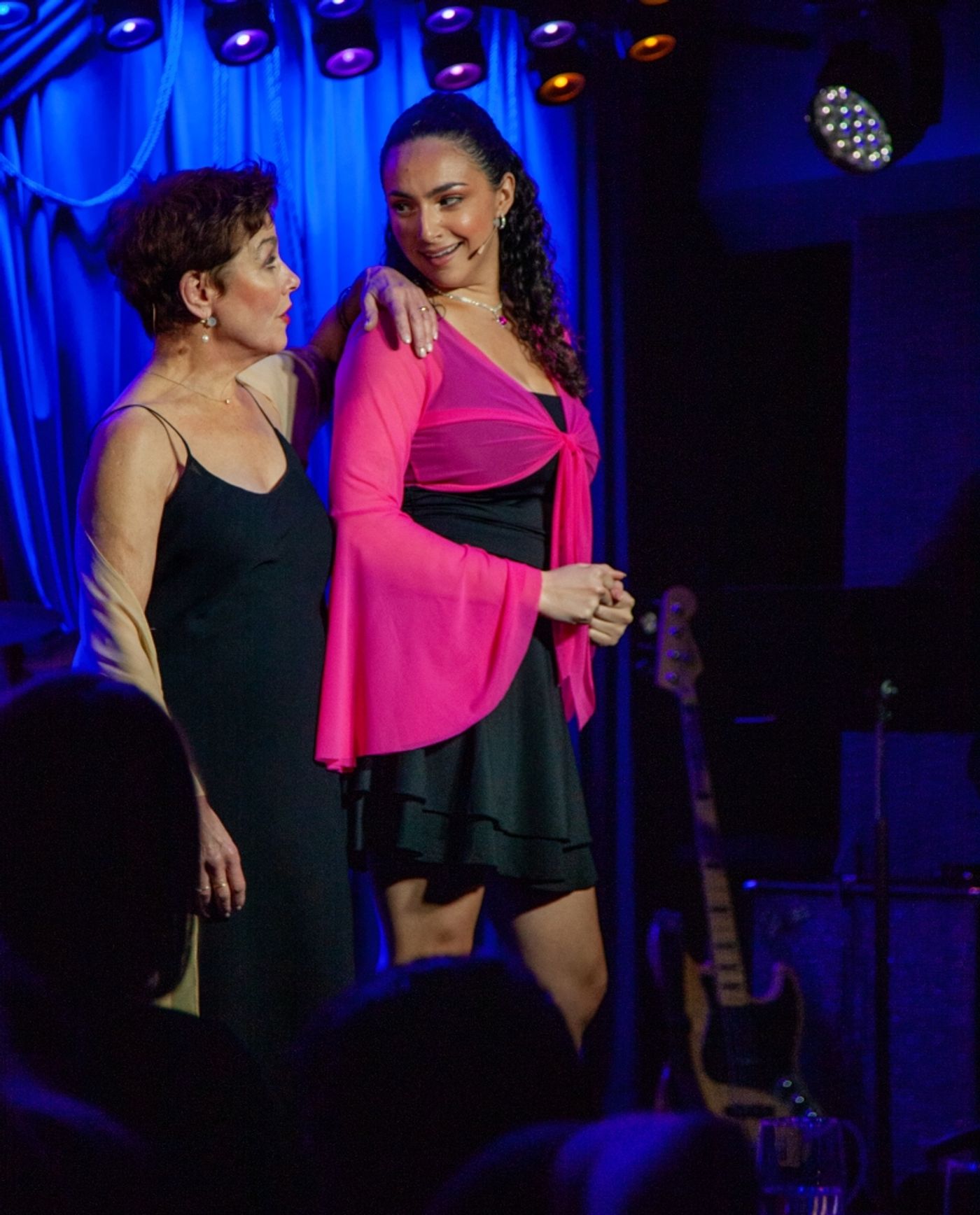
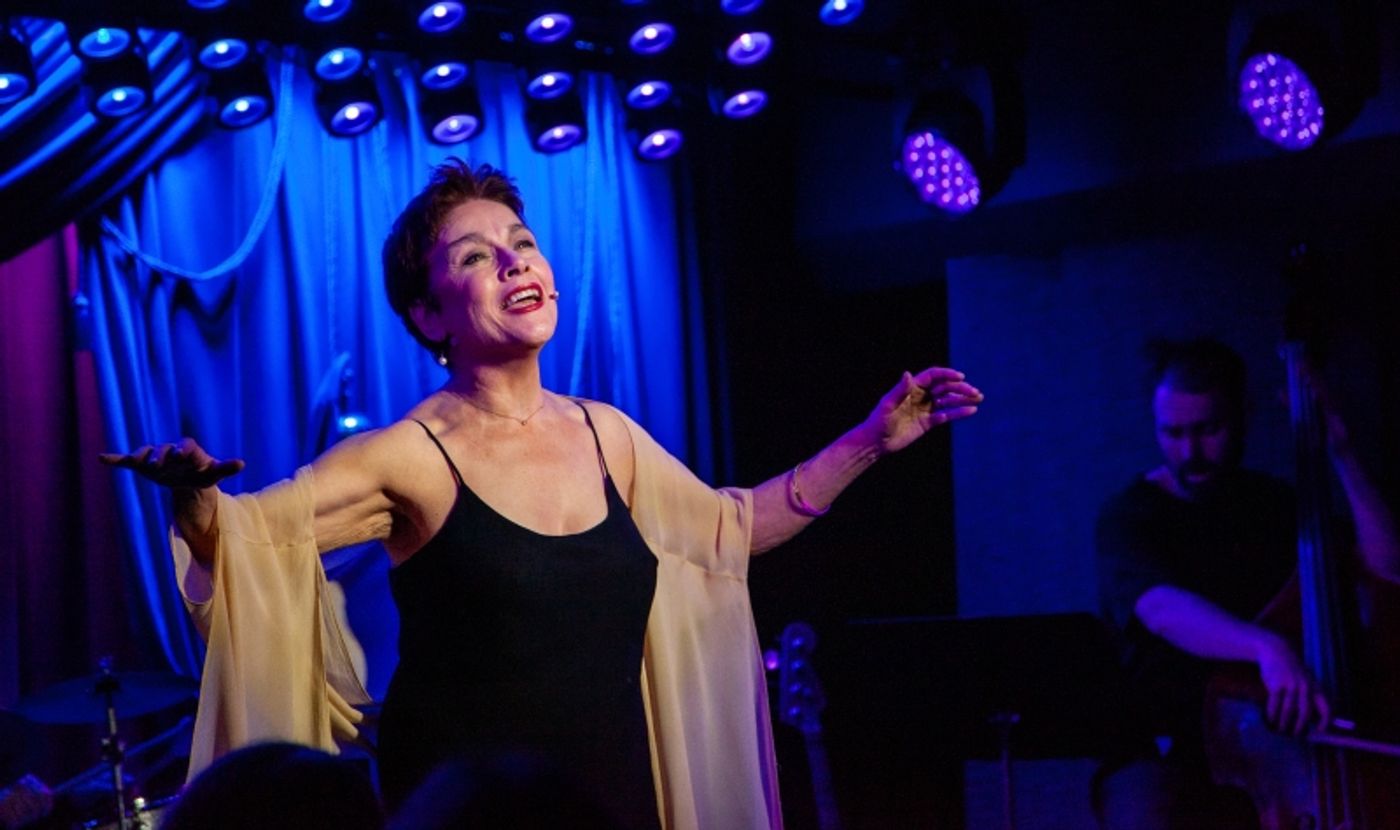
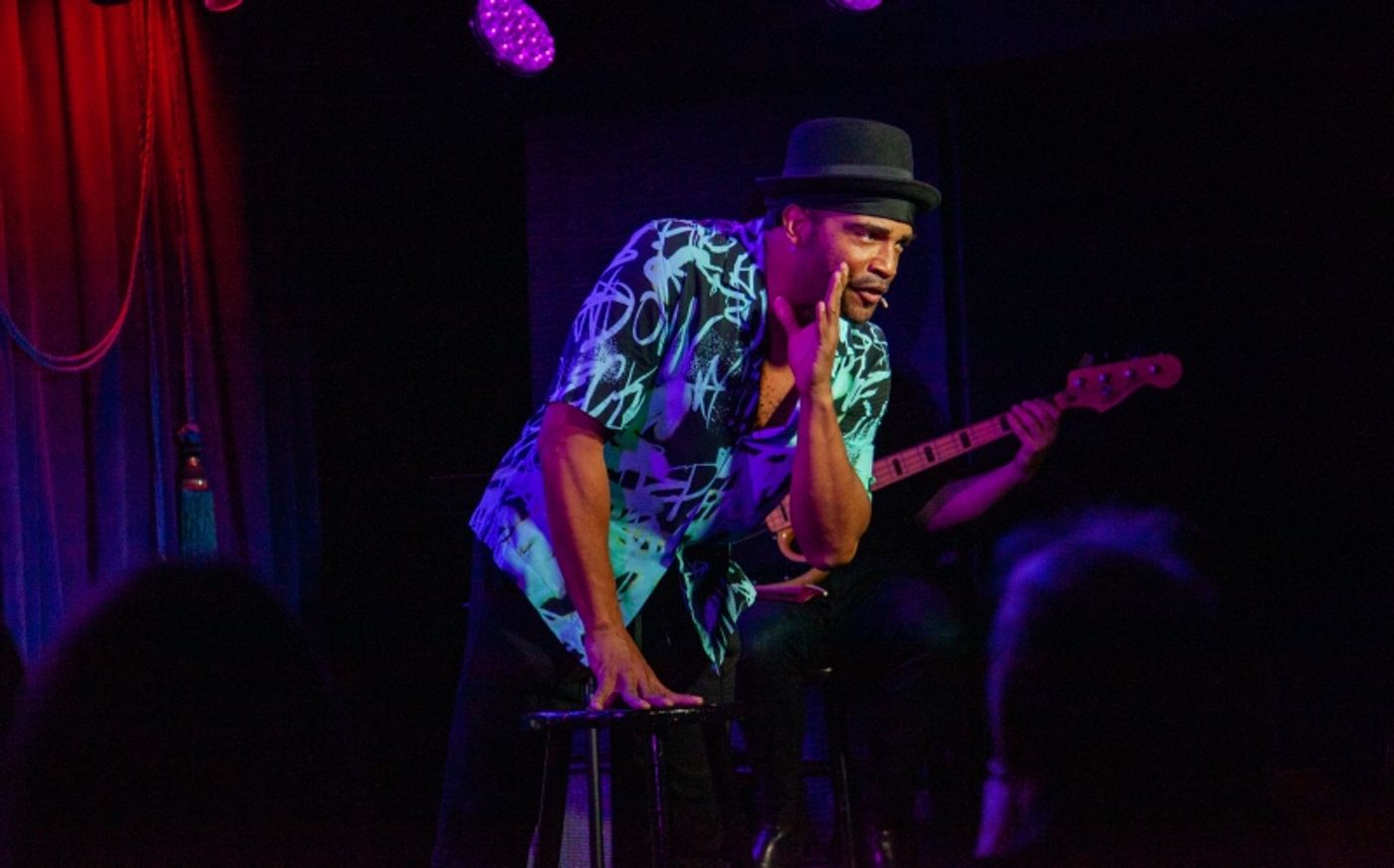
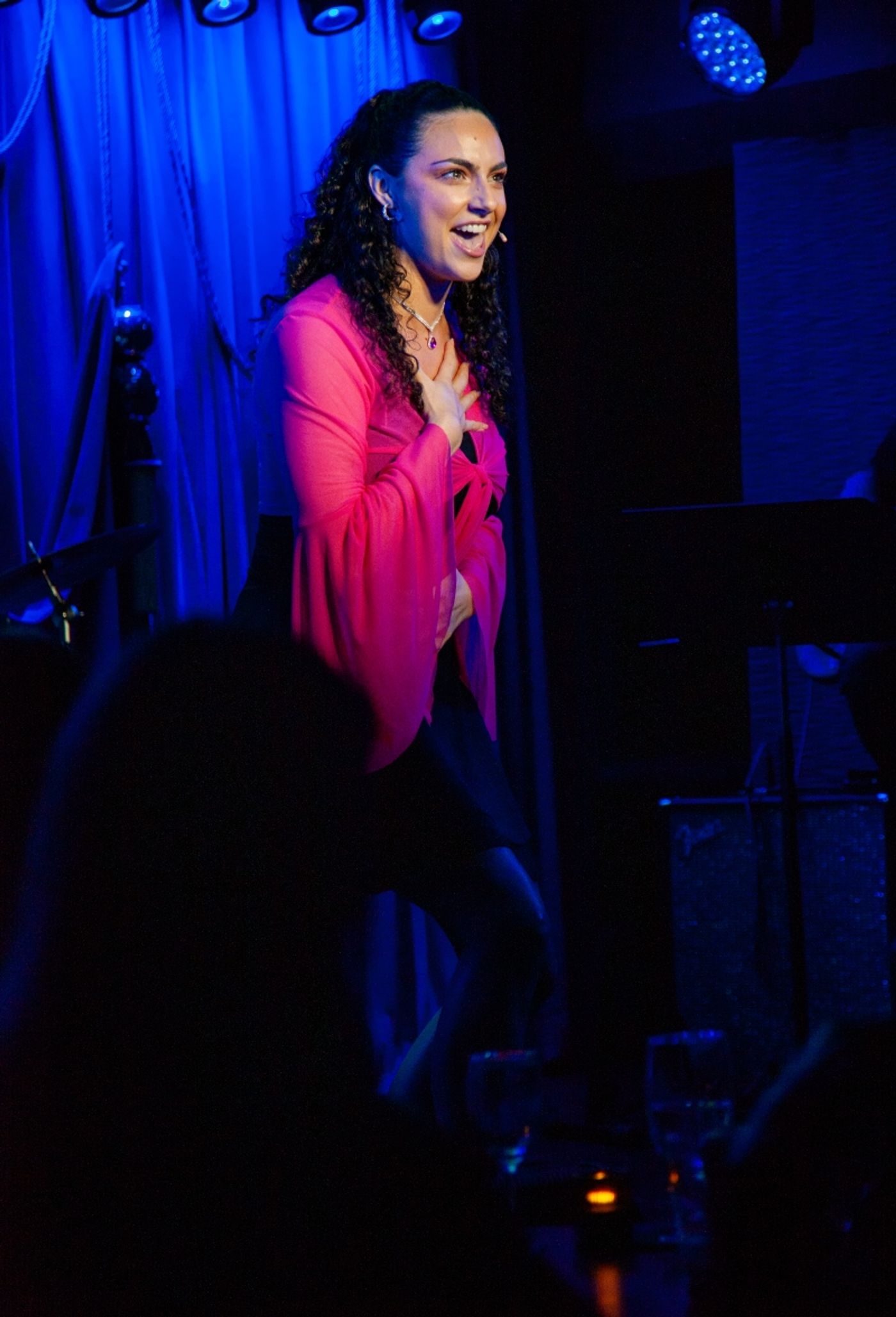
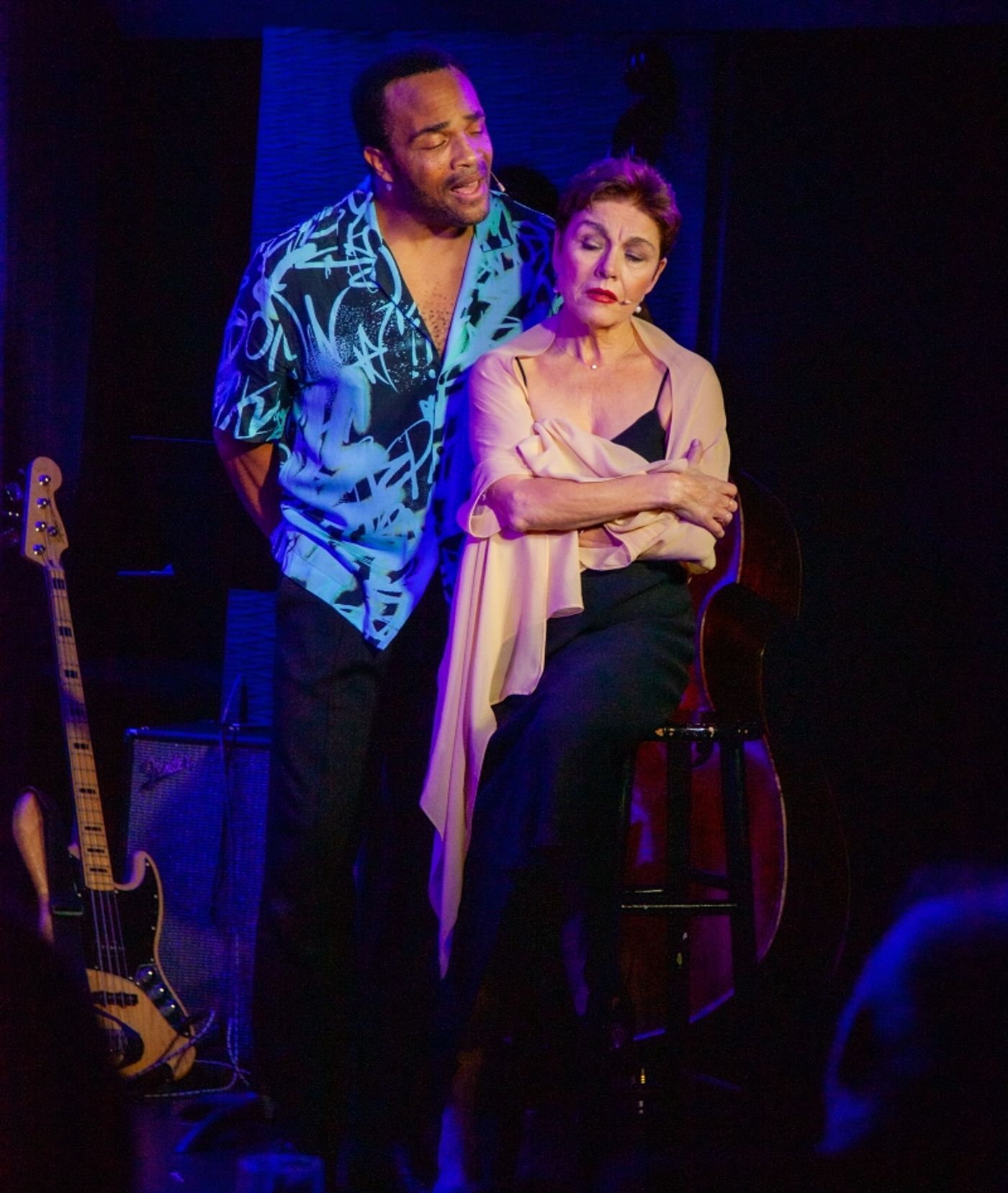
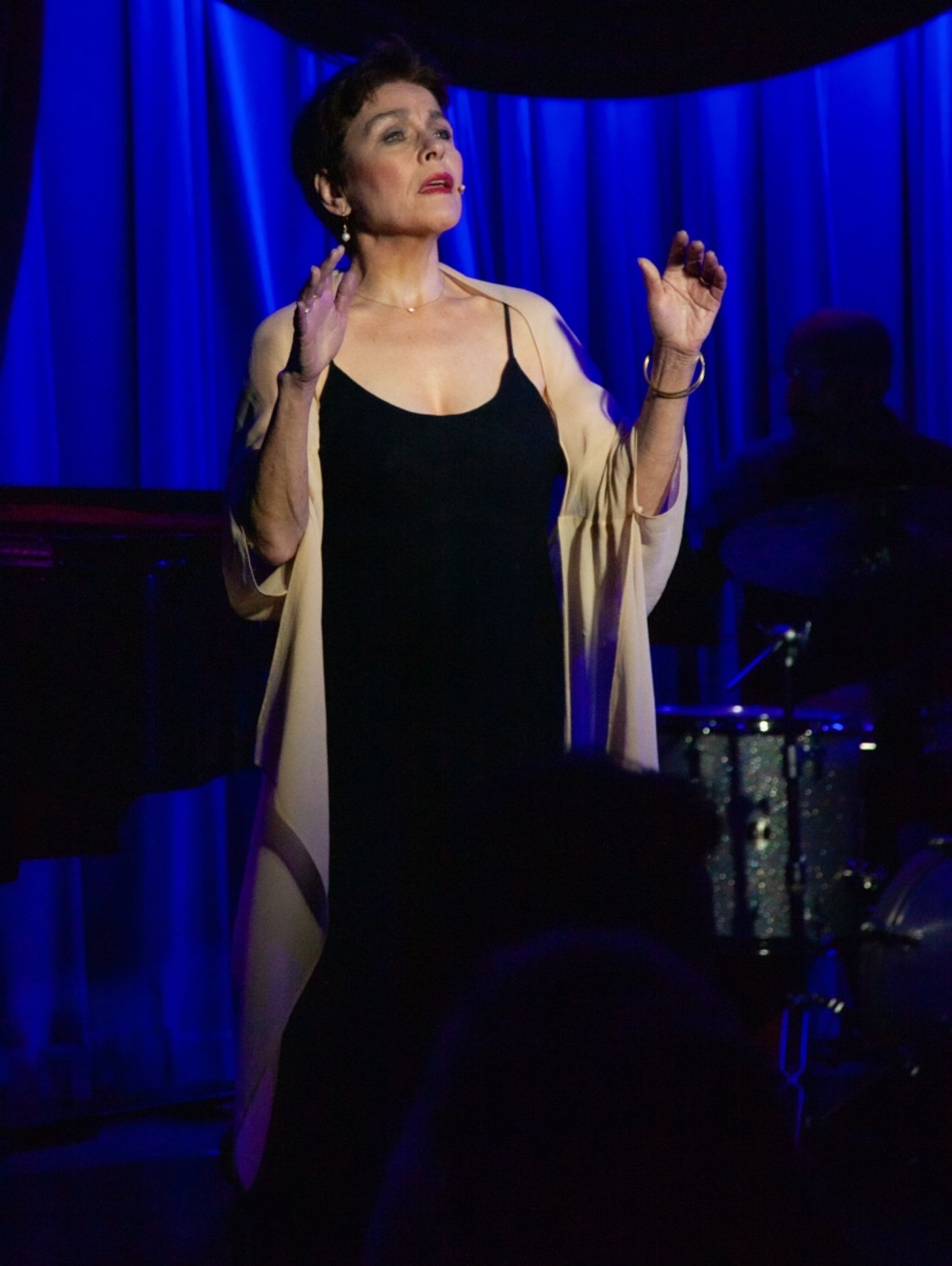
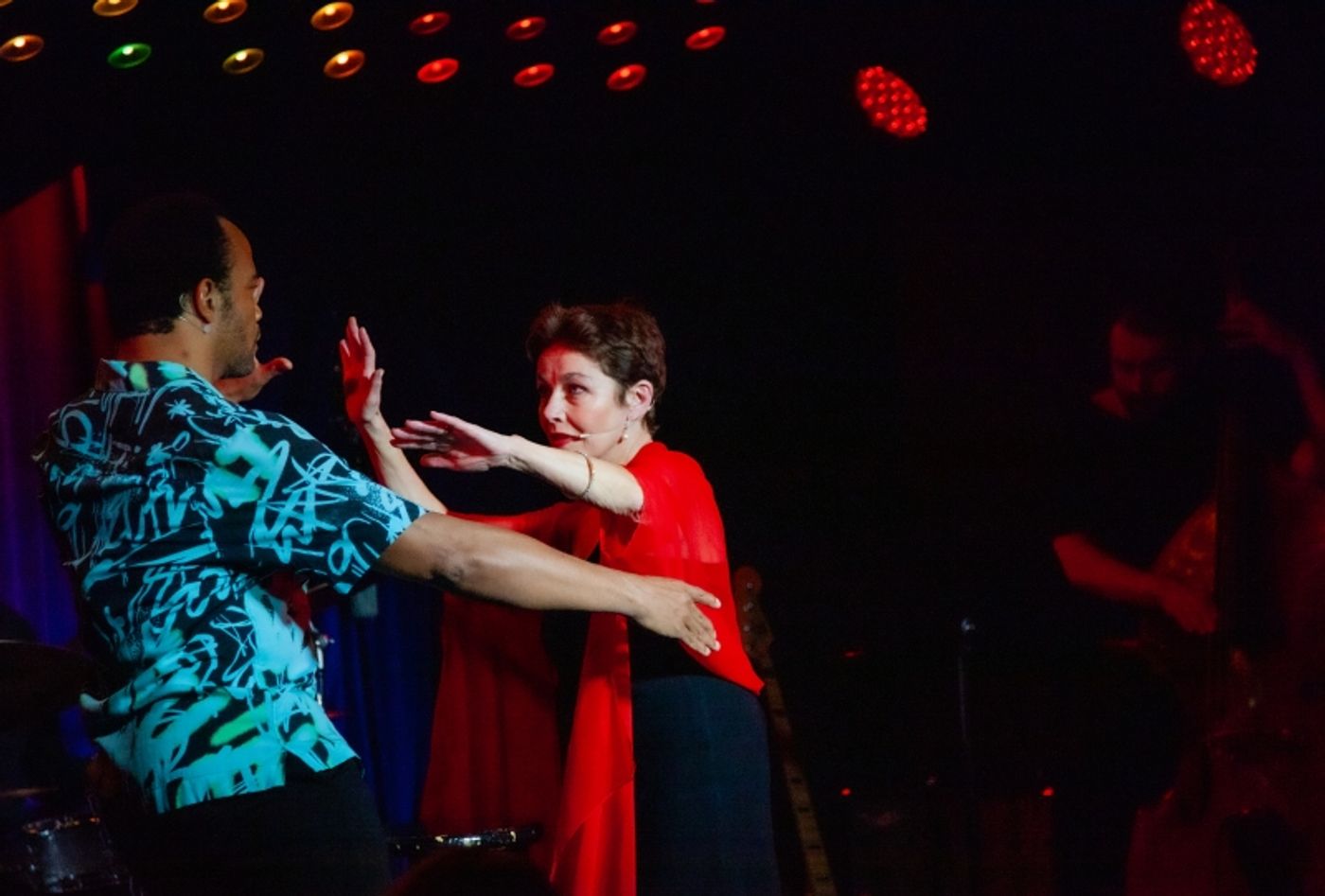
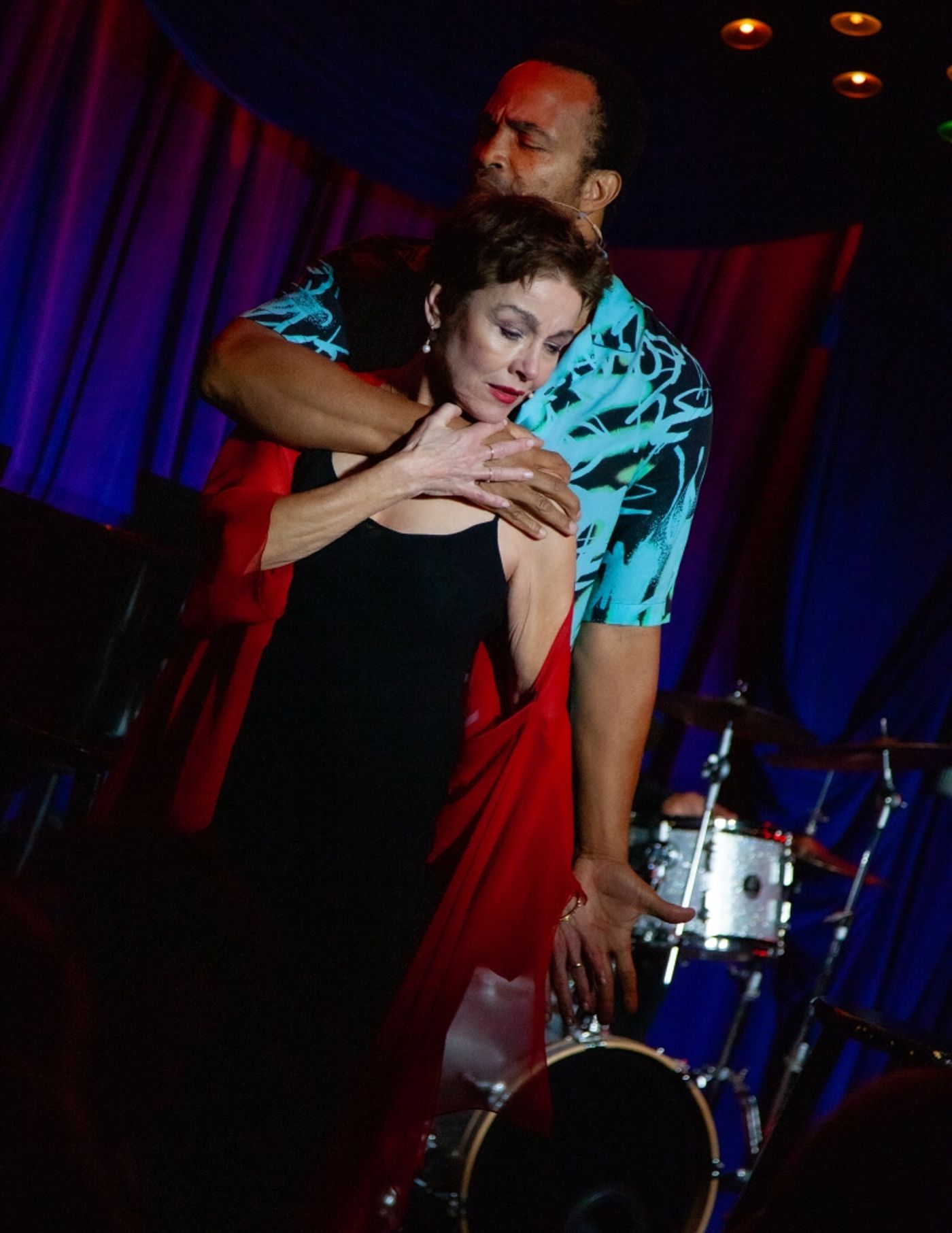
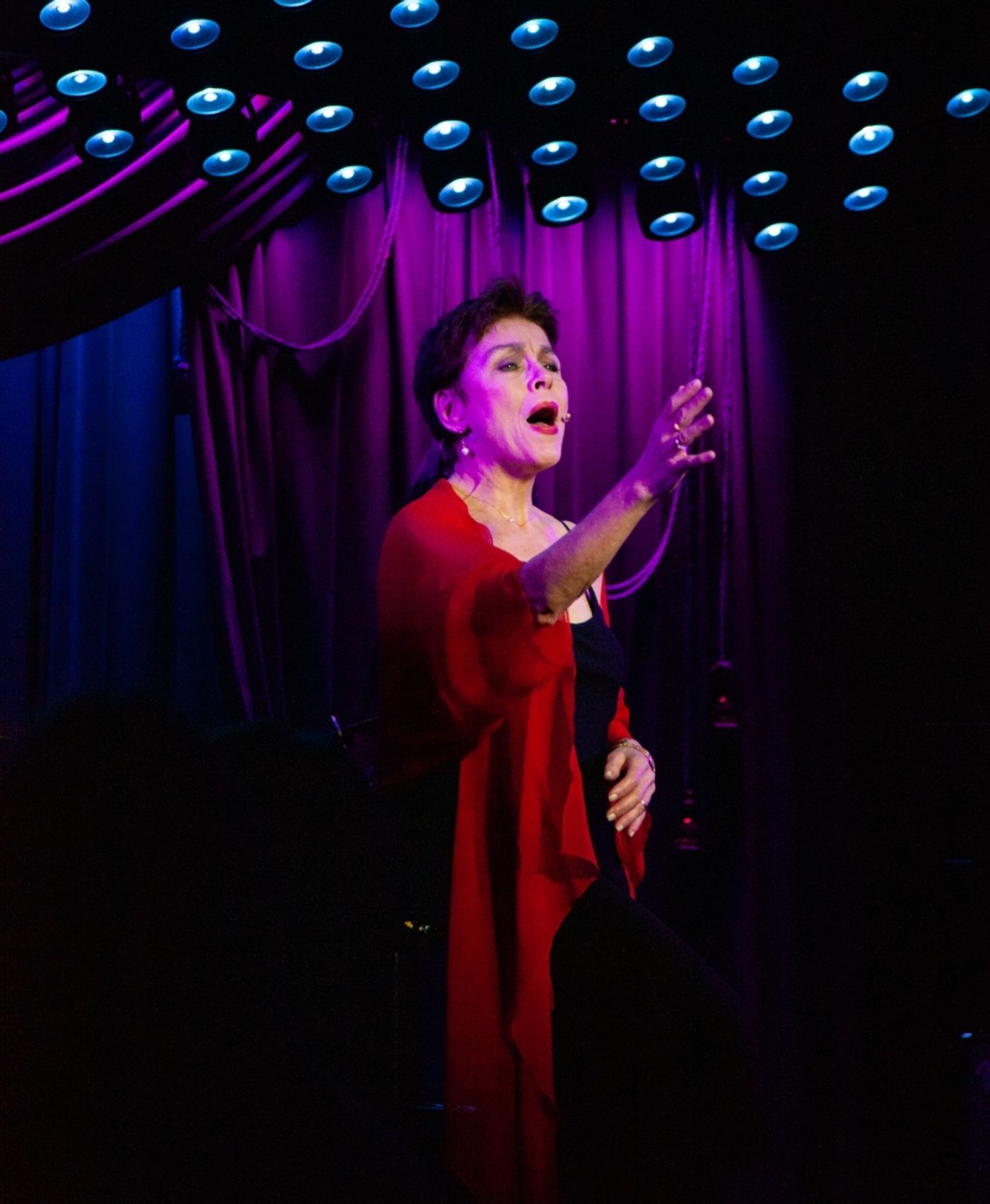
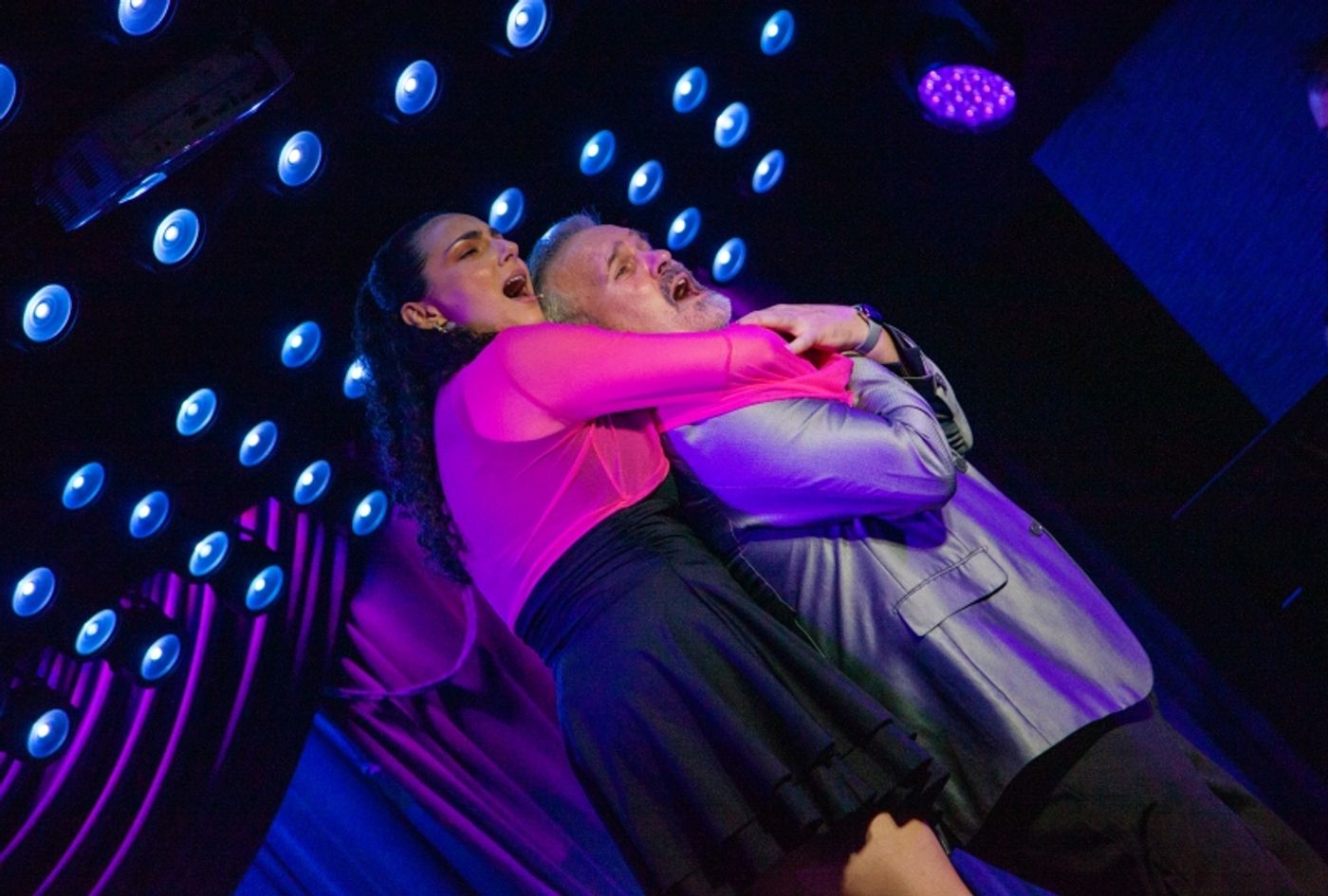
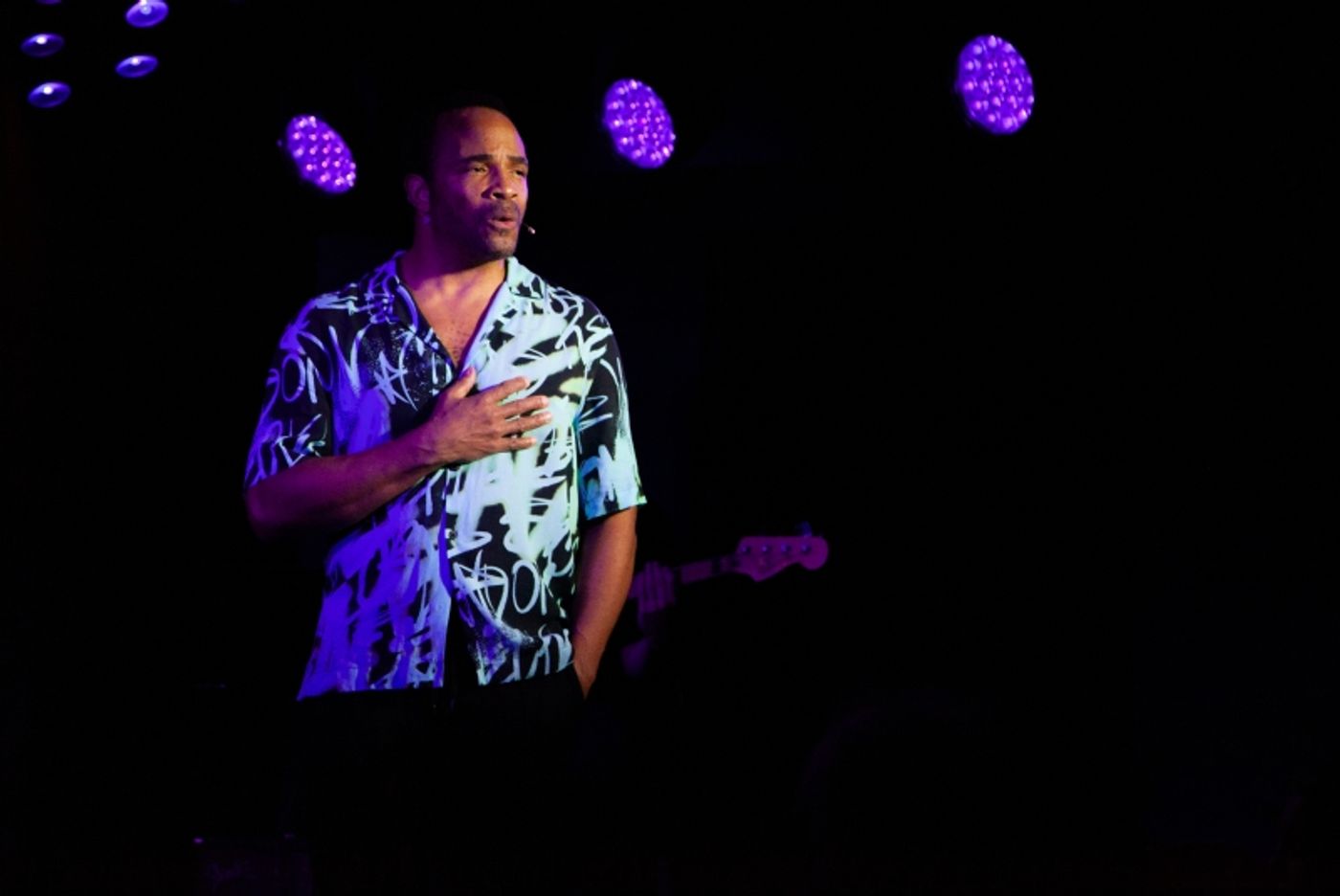
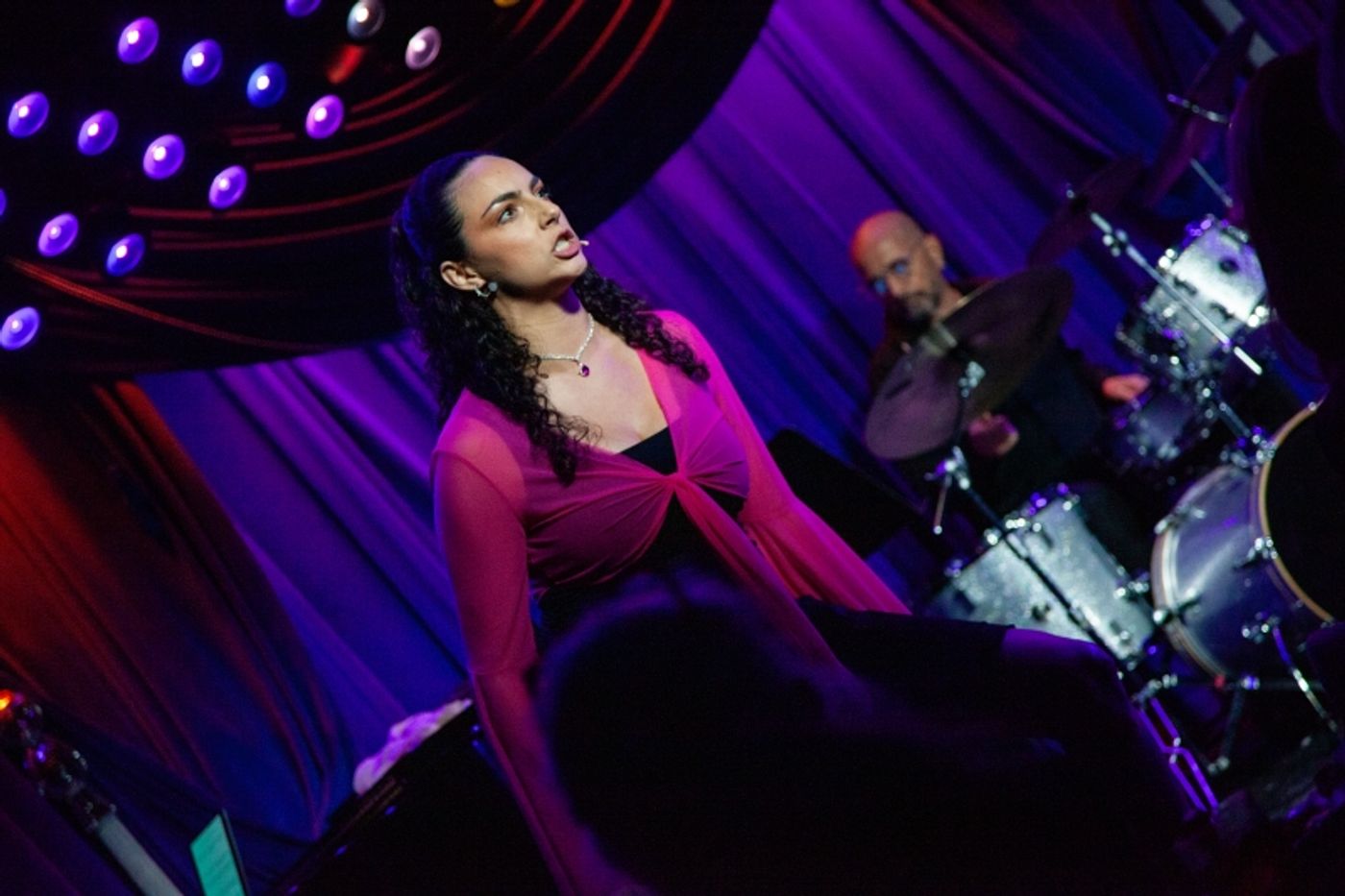
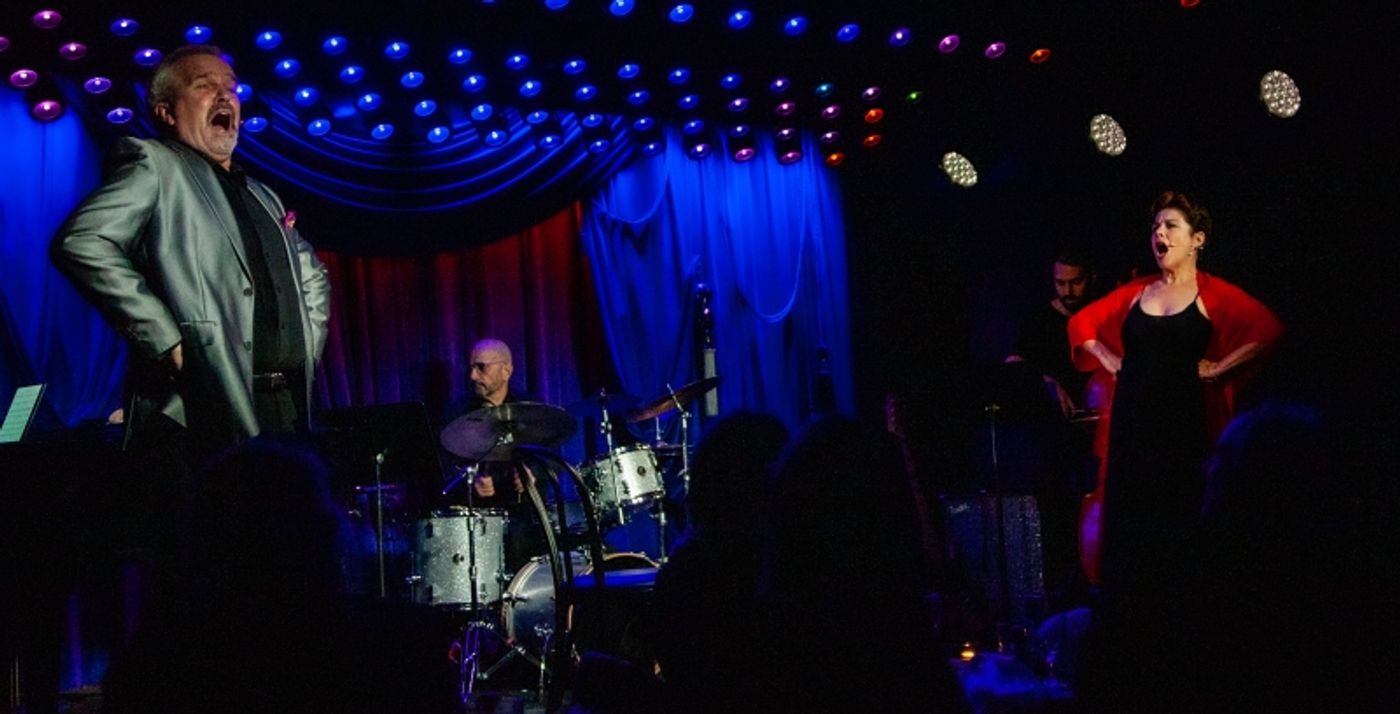
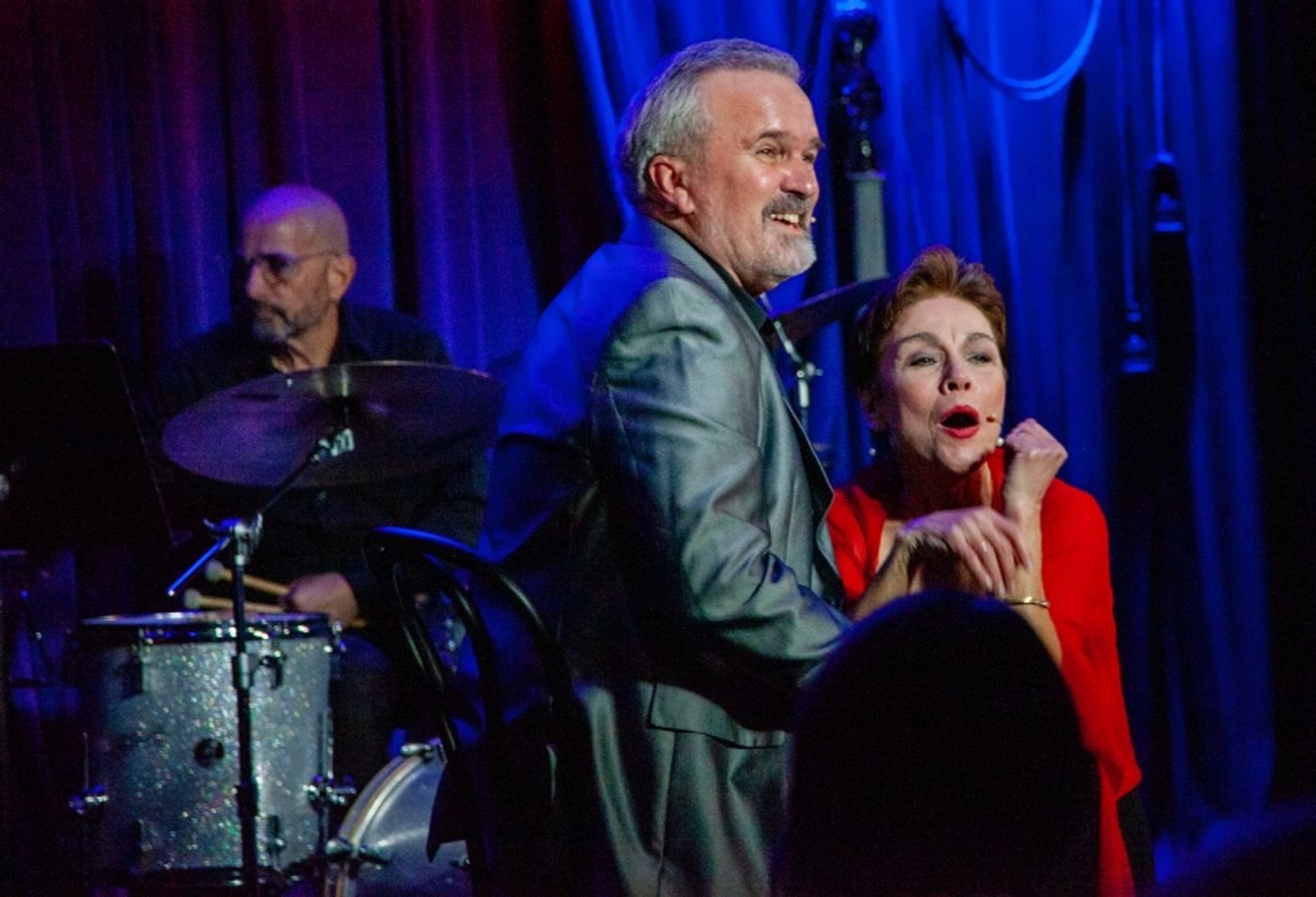
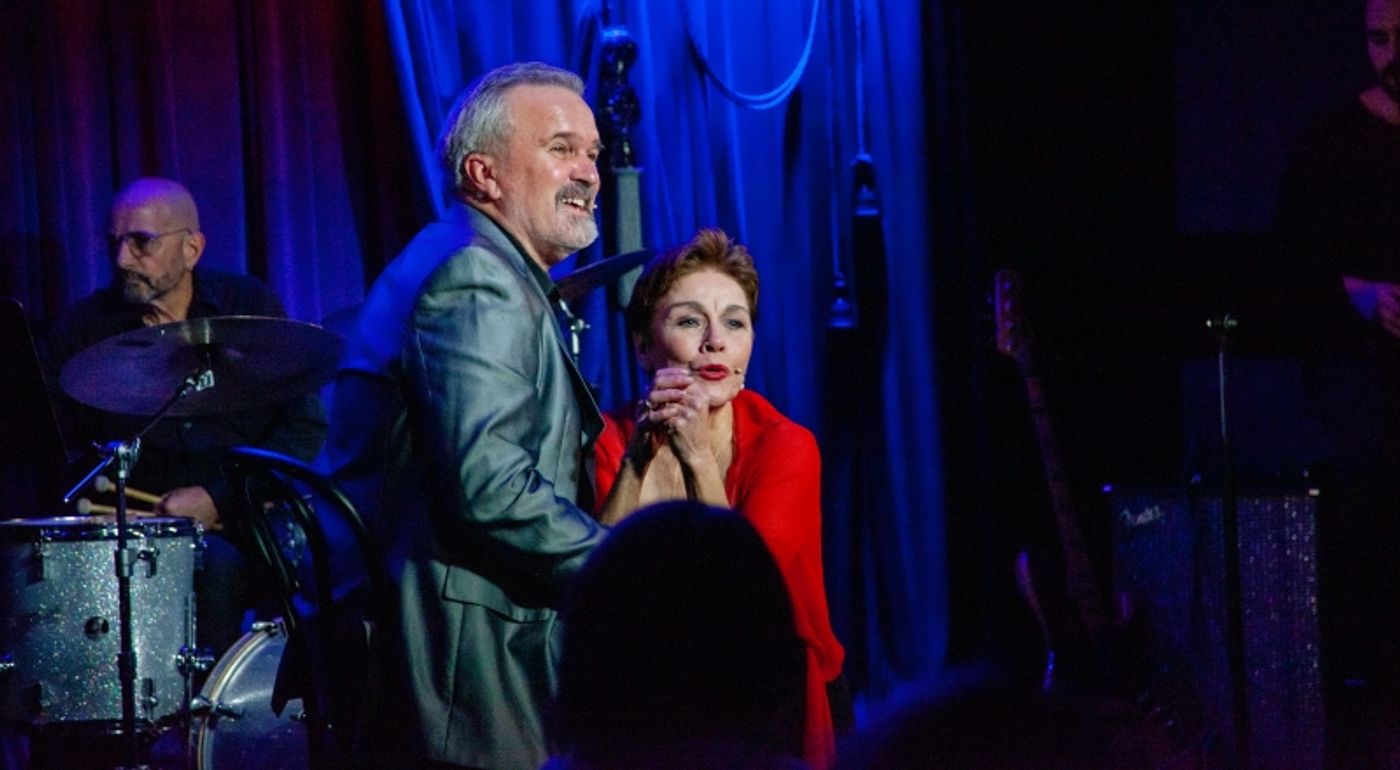
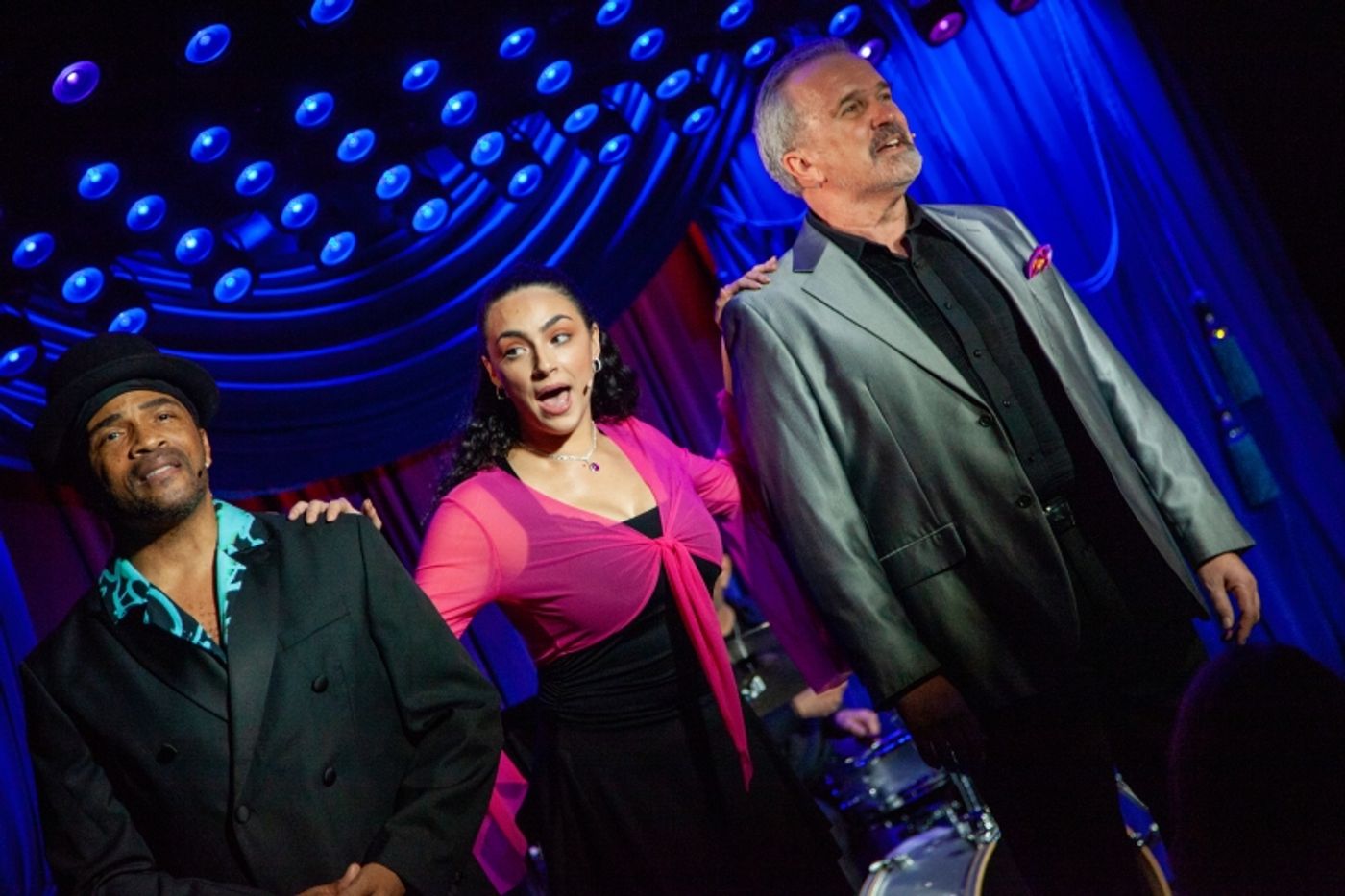
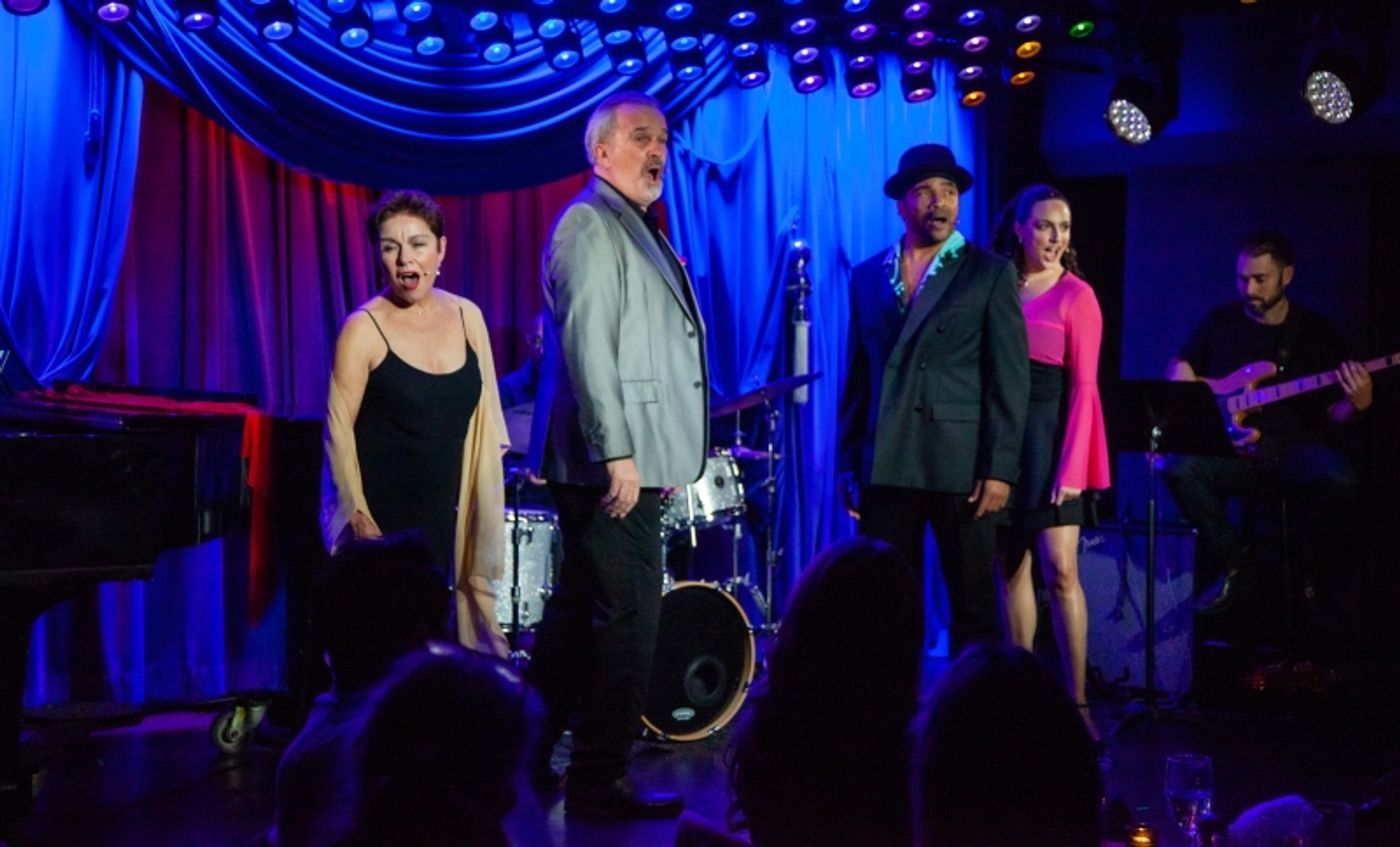
Christine Andreas, George Dvorsky, James Harkness, and Casey Borghesi are the actors tasked with telling the tale of The Beat of a Wandering Heart, and Marty and Joel are, indeed, lucky to have them representing their catalogue, embodying their art. See, the key to a good revue (or great, if you’re lucky) is having actors who can sing, singers who can act, and actor/singers who can 1) represent the story arc of the revue, and 2) capture, quickly, and present to the audience the story in each single song. Most of the time, in a revue, the songs have been culled together from pre-existing works. That means each three-and-a-half-minute story has a history, has a body that previously inhabited the words, has a story that belongs only to itself - those histories deserve to be respected… but so do the history and the story that is being created today, in real-time. With the right actors on the stage, an audience has a chance at a wealth of layered, all-encompassing storytelling. Ta-da. Misses Andreas and Borghesi and Misters Dvorsky and Harkness are all equal to the task, as evidenced by their performances last night. And (and it has to be said) even if the foursome weren’t accomplished actors and storytellers, The Beat of a Wandering Heart would excel merely on the merit of their voices. Have mercy. The songs are being sung to absolute perfection as the actors move fluidly about the theater, the audience, and the stage like ice skaters moving about the mill pond on Christmas Day. As they present their seventy-five-minute musical play without dialogue (the story of which this writer will not spoil, for future audiences), the actors exude emotion through movement and vocal prowess. Ms. Andreas is in great voice, as great as ever, the Pied Piper of the production, setting the tone with her rich, crystal voice and her intent connection with her fellow players. Mr. Dvorsky, a man possessing of one of the best male voices of the industry, supports the production on massive shoulders and voice. Mr. Harkness brings spine and swagger with spark and savvy, as well as prominent dance skills, and Ms. Borghesi is on hand with quirk and character, and daring defiance. The revue roles are filled, right and proper, with actors who understand their task. And as beneficial as they are to the telling of the Silvestri/Higgins stories, they are also fortunate in the material they have been gifted, as actors.
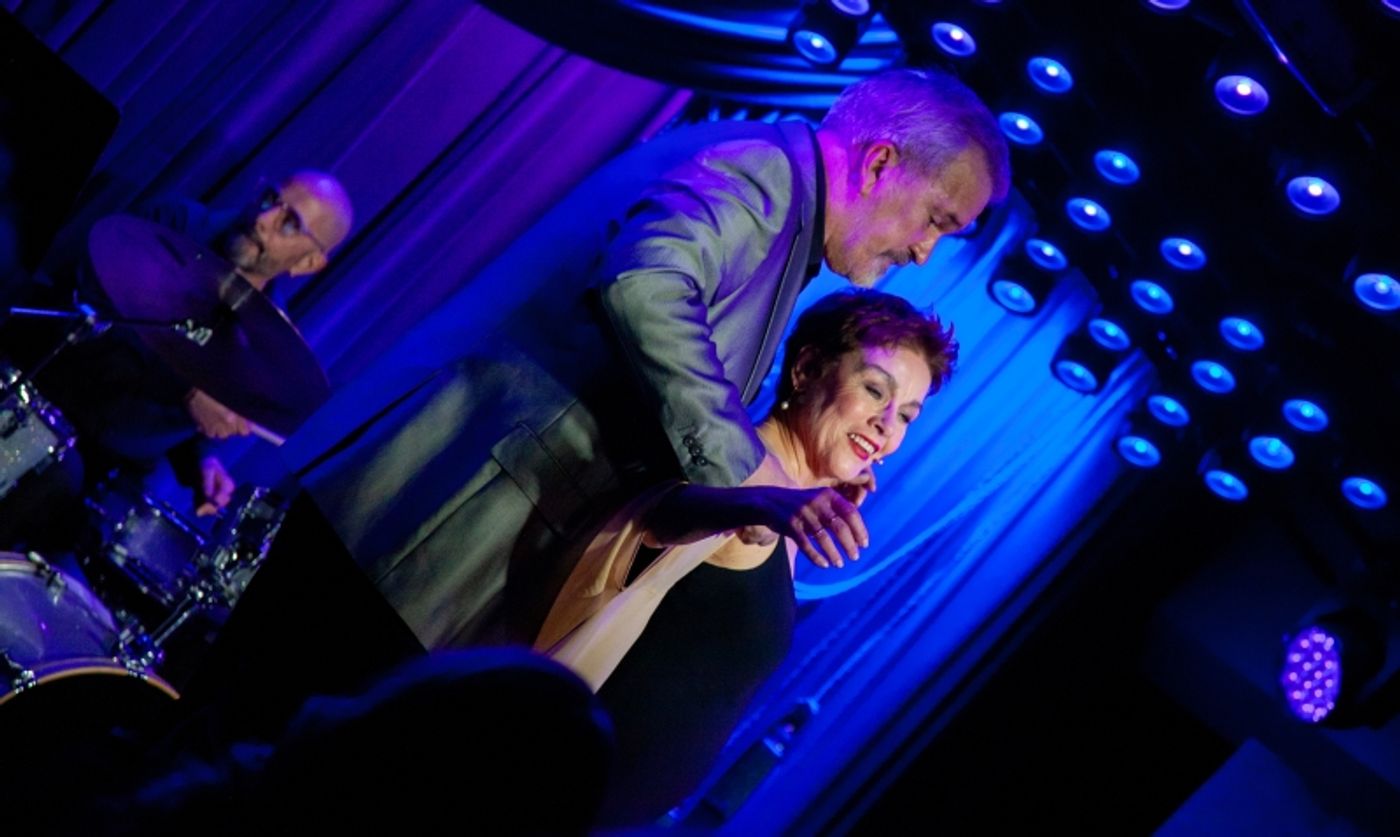
Joel and Marty have a wonderful collection of songs, and Mr. Nadler dove deep into the trunk to study them all, thus curating that which has been built here. Working from the musicals The Fields of Ambrosia, The Countess of Storyville, Casanova, Two Over Easy, and Johnny Guitar, Nadler has not only structured the show and story, but also a sampling of musical styles, finishing off the piece with songs from films and albums that are not part of a score, but simply compositions standing on their own. From start to finish, The Beat of a Wandering Heart is a piece of cabaret theater to be enjoyed on artistic, emotional, and intellectual levels, with so many standout moments that it becomes hard to single out highlights. That being said, Ms. Borghesi is shown to electrifying extreme advantage in the numbers “Lady” and “Branded a Tramp,” while Mr. Dvorsky is given opportunities to showcase his famously luscious voice with “La Serenissima” and his sense of playfulness with the title song, performed with James. Steadfast and strong, Mr. Harkness elicited strong responses from the audience with the patter song “Step Right Up” and the powerful “Not Only Love,” as well as his dance skills (Harkness is billed as the choreographer for the piece). And Ms. Andreas, who seems to guide the piece on the whole, as well as the other characters, excels in all things, though audiences will derive much satisfaction from “Is This The Way It Feels To Love?” and “Too Bad,” and well she should, since the latter was one of her songs when the play Fields of Ambrosia had its world premiere in the West End. The presentation packs a powerful punch at the play’s end with the Johnny Guitar ballad “Welcome Home,” thanks to the storytelling skills of the actors in the spotlight, and the authors who have provided them with a melody and lyrics that could touch the heart of anyone with an ounce of understanding about love, family, and the homestead. It is a fitting denouement for a piece that is sophisticated, sensual, intelligent, intellectual, sexy, silly, and blissfully theatrical - all things that serve, well, any storytelling effort.
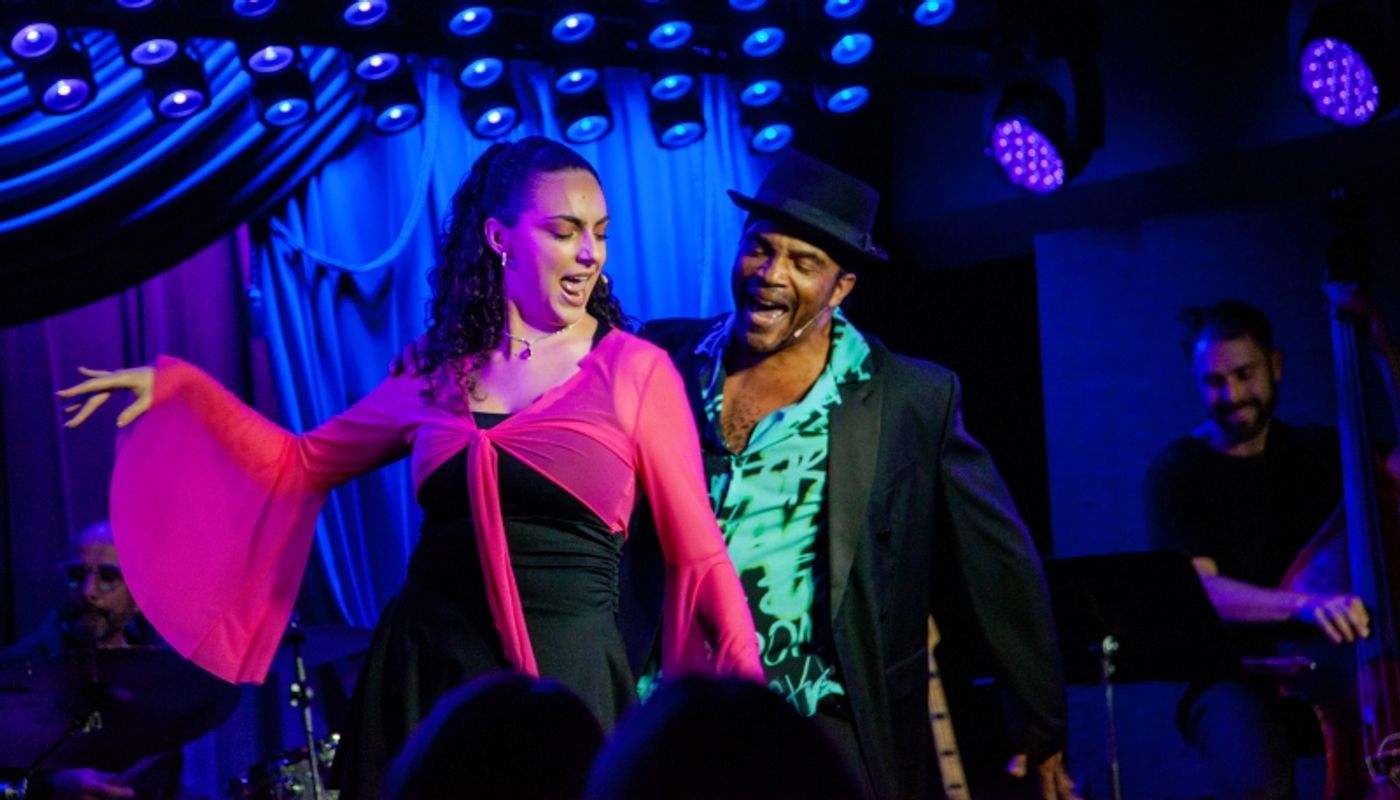
The company of The Beat of a Wandering Heart is buoyed in their efforts by a band made up of guitarist Paul Livant, bassist Benny Lipson, drummer Ray Marchica, and pianist and conductor Harry Collins - it is an excellent source of support and ear candy they are providing on the stage of The Laurie Beechman. Rounding out the creative team are sound designer Brent Michael Jones and lighting designer Michael D’Angora, who are working their fingers to the bone at their consoles, and, of course, Mark Nadler, who is just the creative force this new work needs, he being a detail-oriented research enthusiast and a collector of wandering hearts. What he has managed to do, here, is create a musical revue that feels germane to the works being presented. Every revue must resonate in and around the authors’ original intent, and if you were to make a study of some of the revues of the past, mentioned above, you would note that they are all perfect representations of their composers’ aesthetics. That’s what this one is: from tip to tail, The Beat of a Wandering Heart is the (THE) Marty Silvestri/Joel Higgins show.
Finally.
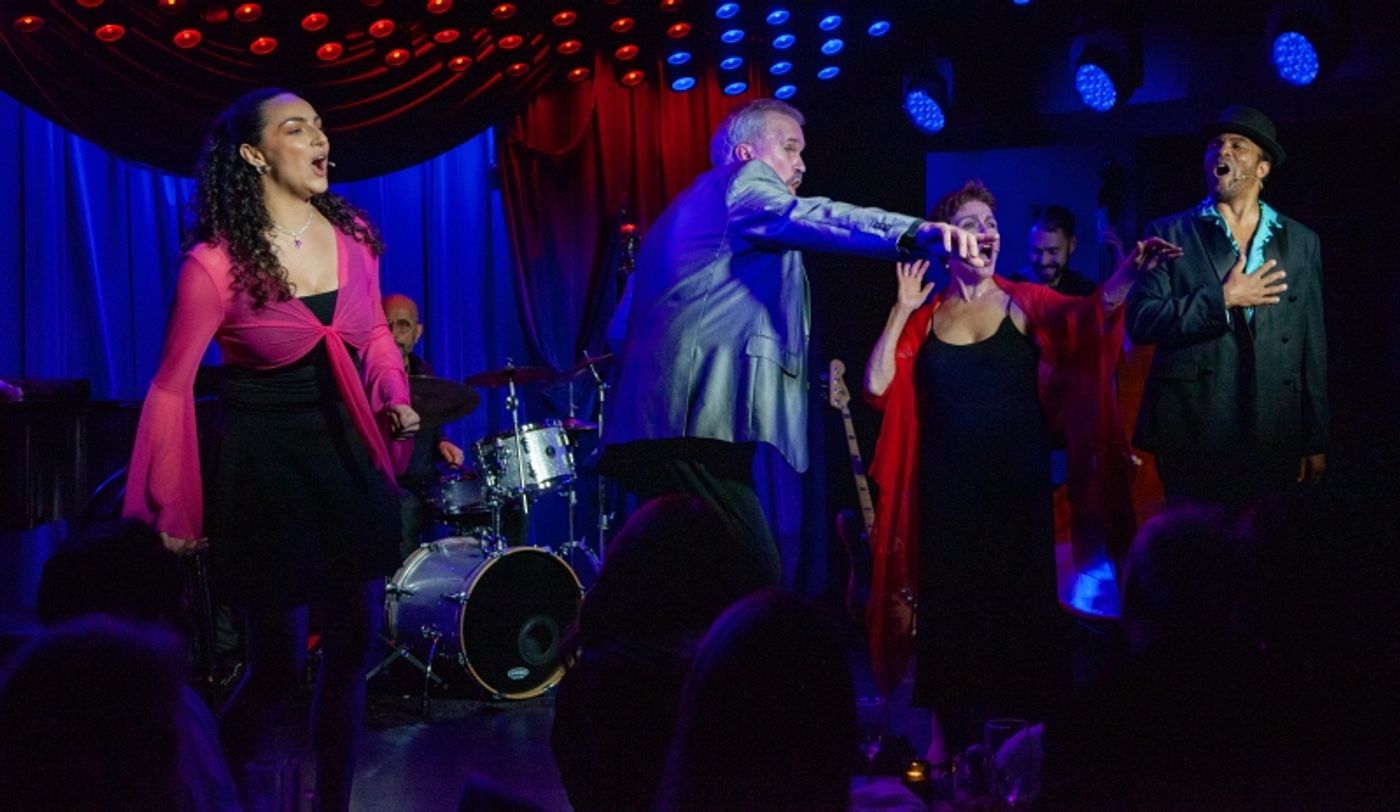
The Beat of a Wandering Heart plays The Laurie Beechman Theatre November 13, 14, and 15. Tickets accessible HERE.
The Beat of a Wandering Heart will live stream on November 15th. Access tickets HERE.
Find great shows to see on the Laurie Beechman Theatre website Homepage HERE.
Photos by Stephen Mosher












|
Flame: The Songs of Brady & Browne 54 Below (8/23-8/23) |
|
DiGangi With A “G” The Green Room 42 (8/18-8/18) |

|
Troy: Crooner to the Stars The Green Room 42 (8/21-8/21) |

|
Adam Pascal & Anthony Rapp: In Resonance 54 Below (8/29-8/29) |

|
Housso Sémon 54 Below (10/12-10/12) |

|
Oh Em Gee, They Sang This on Glee! 54 Below (9/27-9/27) |

|
54 Sings The Princesses of Pop 54 Below (10/06-10/06) |

|
Tomorrow, the Island Dies by Ryan Scott Oliver 54 Below (10/26-10/26) |

|
Allison Bailey, feat. Casey Cott, Lauren Paley, & Talia Suskauer! 54 Below (8/16-8/16) |

|
Marilyn Maye 54 Below (11/26-11/26) |
Reader Reviews
To post a comment, you must register and login.