


Feature: Ground Floor Theatre Celebrates Ten Year Anniversary
You can bet they’ll continue building community and connection for the next ten years and beyond — making it easier for the rest of us to do the same.
COMING OUT
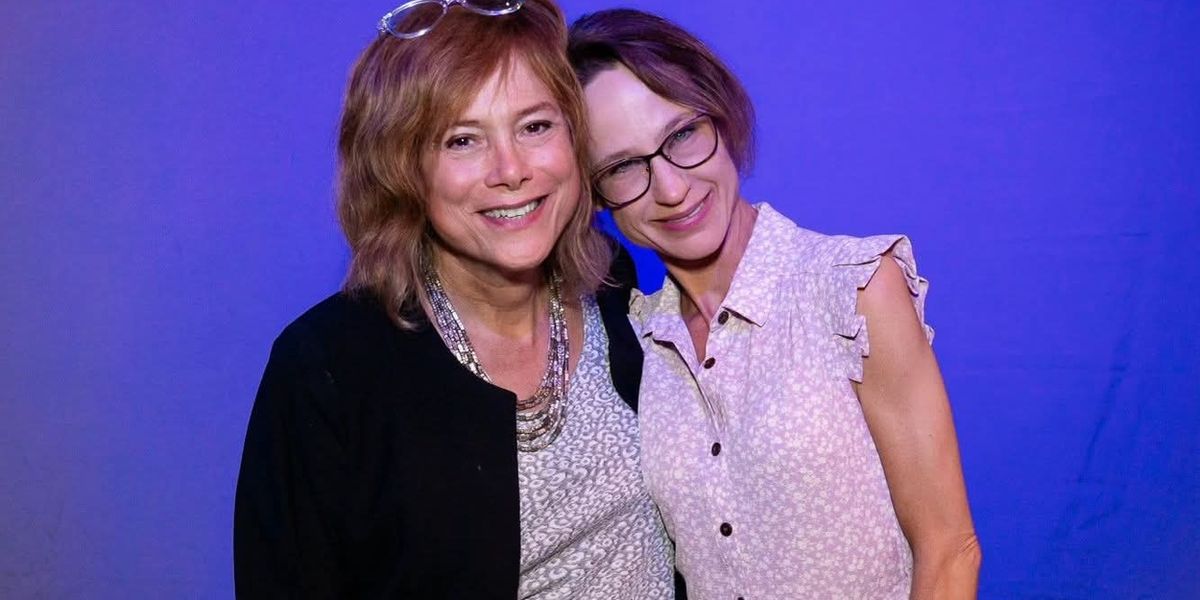
For ten years, Ground Floor Theatre has been one of Austin’s most intentional and boldly inclusive arts organizations, committed to producing theatre for everyone by centering stories and artists from underrepresented communities. Founded by Lisa Scheps and Patti Neff Tiven, the theatre quickly became known for championing new work, supporting marginalized voices, and nurturing a creative environment where people come first. One of the company’s earliest productions was a 2015 concert staging of PARADE, which set the tone for socially resonant storytelling. This season, Ground Floor Theatre brings PARADE back in a full-scale remount, honoring its history and showcasing its evolution.
LISA & PATTI
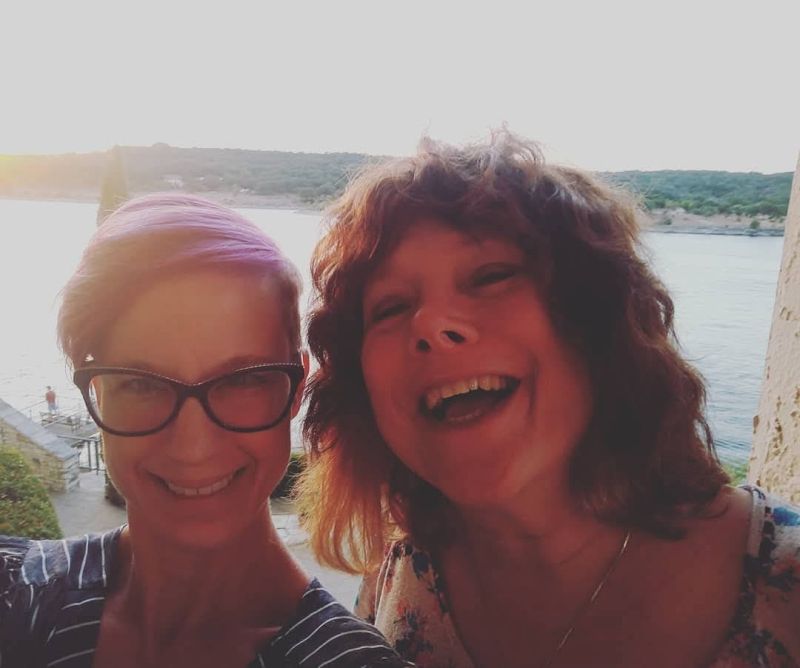
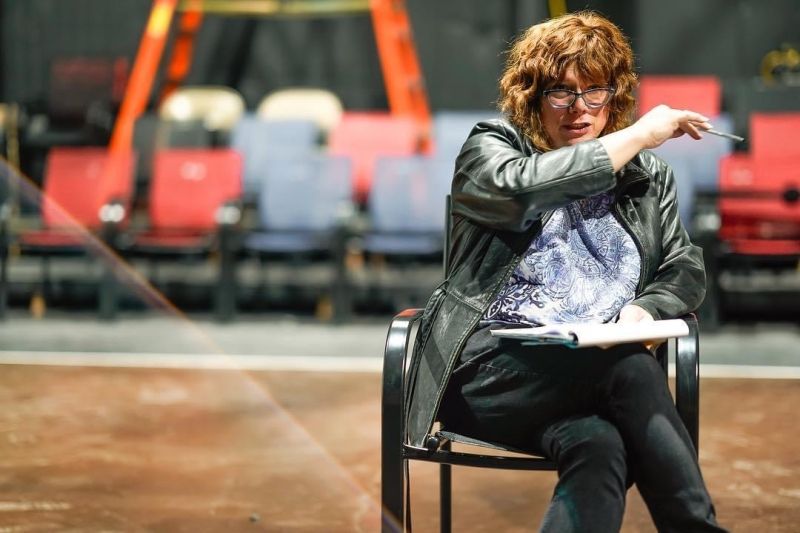
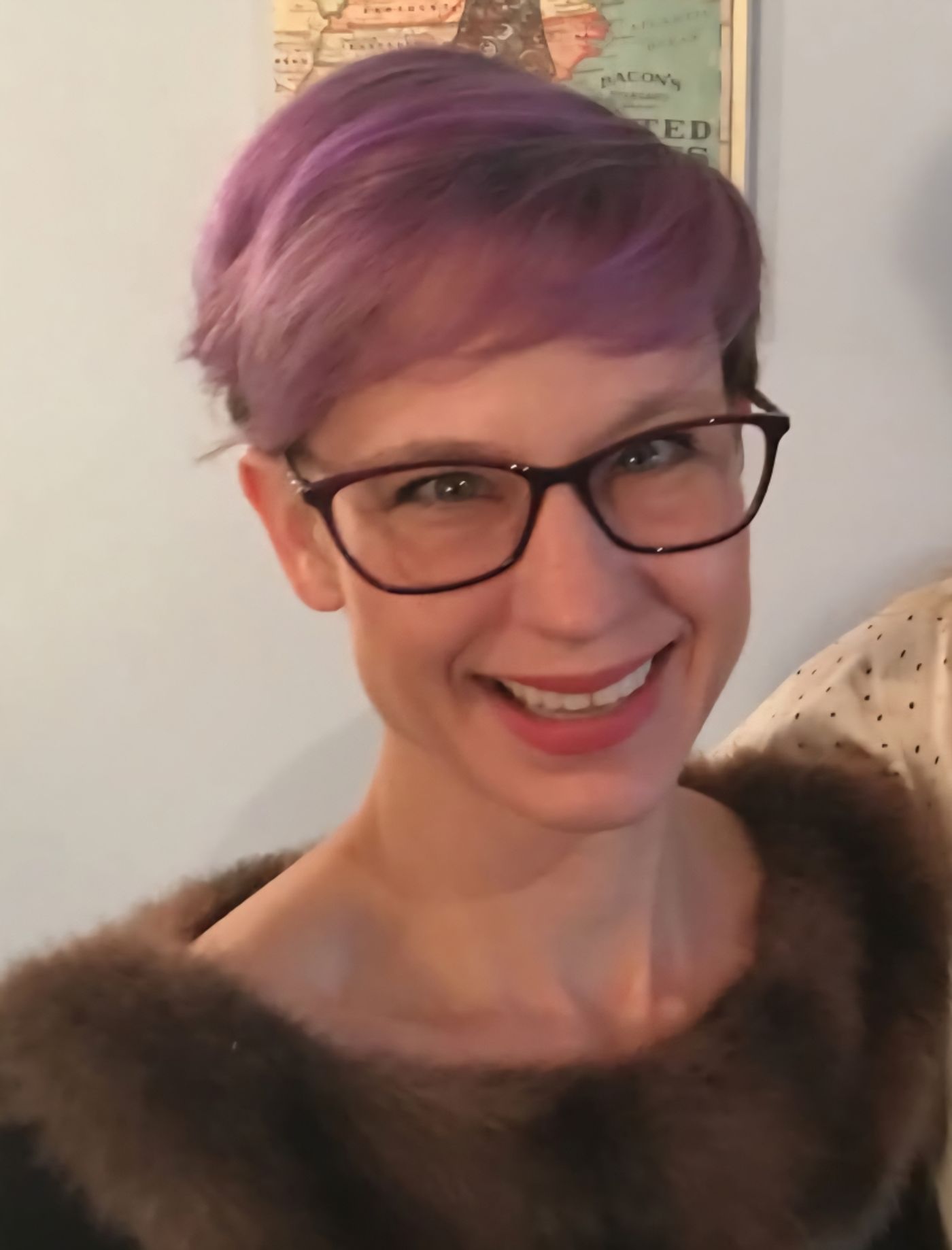
Lisa Scheps and Patti Neff Tiven co-founded Ground Floor Theatre with a shared commitment to radical inclusion, social justice, and community-centered artmaking. Lisa, a longtime Austin theatre artist, activist, radio host, and transgender woman, envisioned a theatre uplifting underrepresented voices. Patti, a director, producer, educator, and arts advocate, brought creative intuition and organizational clarity. Together they built one of Austin’s most mission-driven companies supporting trans voices, Deaf artists, Queer youth, emerging playwrights, and directors.
 10 YEARS OF COMMUNITY, COURAGE, AND CHANGE
A Conversation with Lisa Scheps and Patti Neff Tevin
BWW: Rogers and Hammerstein say the beginning is a very good place to start. Can you start me at the beginning? Tell me how it happened.
LISA: Patti and I met through Fusebox, and I fell in love with her. It was love at first sight for me.
PATTI: Same.
LISA: And I said, "You want to go on this journey with me?" And she said, "Okay, yes!"
What we both felt was really important was for this theatre to be mission driven. For it to have a focus that was something greater than us. For me personally, I went through life in the most protected class in this country. After I transitioned, I suddenly found myself in a disenfranchised class. It became really important for me, as someone with a voice, to represent people who had less of a voice than I did. That is why we decided to focus on underrepresented communities.
We also wanted to build a home for the theatre community. Something people could walk into and say, "This feels nice. This feels like home. This feels like theatre church." We took that on with a lot of intentionality. And I think we have done pretty well.
PATTI: We spent a lot of time thinking about what the mission would be and how we would stay focused. The most important thing has been keeping it mission driven so decisions are made with the mission in mind: what we are doing, who we are hiring, how we do things. We continue to update our mission as society changes, always with an eye toward social justice activism inside the theatre world.
BWW: When did you know GFT would have a heartbeat of its own?
LISA: I still don't know whether it is going to work. But one of the first things we did was a co production with Tilt Performance Group. I remember sitting in the house watching these incredible actors of differing abilities and thinking, "I don't know if anyone is ever going to come see our stuff, but we are so doing the right thing."
Getting audiences is the hardest thing because we don't tend to produce things that are wildly popular.
PATTI: Or known at all. And we sort of fell into new work. That is one of the glories of Austin: so many decent playwrights. There is enough to produce.
LISA: One of the other things we did from the beginning was involve the community. We didn't name Ground Floor Theatre. That was Rudy Ramirez. And originally I didn't want a black box theatre. It was Natalie George who convinced me.
When we were starting out, we went to almost every theatre in town for our Kickstarter. Everybody, including Dave Steakely, did a video saying, "Please give money to this new theatre." That community involvement made us realize how important that piece was and that we were doing the right thing.
.jpg?format=auto&width=1400) BWW: Over ten years, has the meaning of"underrepresented" changed for you?
BWW: Over ten years, has the meaning of"underrepresented" changed for you?
LISA: It has. The most obvious change is in the trans community. Ten years ago, trans people were barely represented. For the record, I am transgender, male to female, so it was important to me that we have a voice there. I wanted us to create a devised play around the trans community, which we eventually did with Transom. I didn't want another miserable trans narrative. I wanted joy and difficult times and everything in between.
Now transness is everywhere. Trans people are still underrepresented, but less so than ten years ago. And the same with the Deaf community. When we first started working with them, it was not happening much at all. Now Zach has done a show with the Deaf community, and Vortex is opening one. It shifts.
PATTI: It comes organically from what is happening in the world and what we see. In 2020, after the murder of George Floyd, the We See You White American Theatre list of demands came out. We spent intentional time with Simone, who had just come on as our development director, reading through this long list and discussing how we could apply it. These were not always comfortable conversations, but they gave us intentional focus.
LISA: And what we discovered is that we were already doing much of that work. But now it is more focused and intentional around representation. We have not always done the right thing.
PATTI: No. For example, in 2018 I directed THERE AND BACK, an original play by Raul Garza about a Latina immigrant. And I am not the right person to direct that. At the time we didn't think much of it. But afterward we said, "Intentionality. Every part of what we do needs it." And we changed.
BWW: Given the mission and your commitment to it, what kind of pushback have you gotten?
LISA: Very little. One of our proudest moments was last year when we got our first one star Google review. He wrote, "This is the wokest theatre in Austin. For a Black person, you would be very comfortable there," and he meant it as an insult.
PATTI: I said I was going to print that out and put it on shirts.
LISA: On a more serious note, less than a year ago, four or five of us received death threats. The police shut down Georgetown because our board chair, who lives there, was one of the targets.
When the drag ban was threatening to pass, people asked me, "What does that mean for you?" And I said, "Nothing. We will do drag performances here, and I will go to jail if I have to." I will stand proudly with communities being treated unfairly by our government.
PATTI: Absolutely.
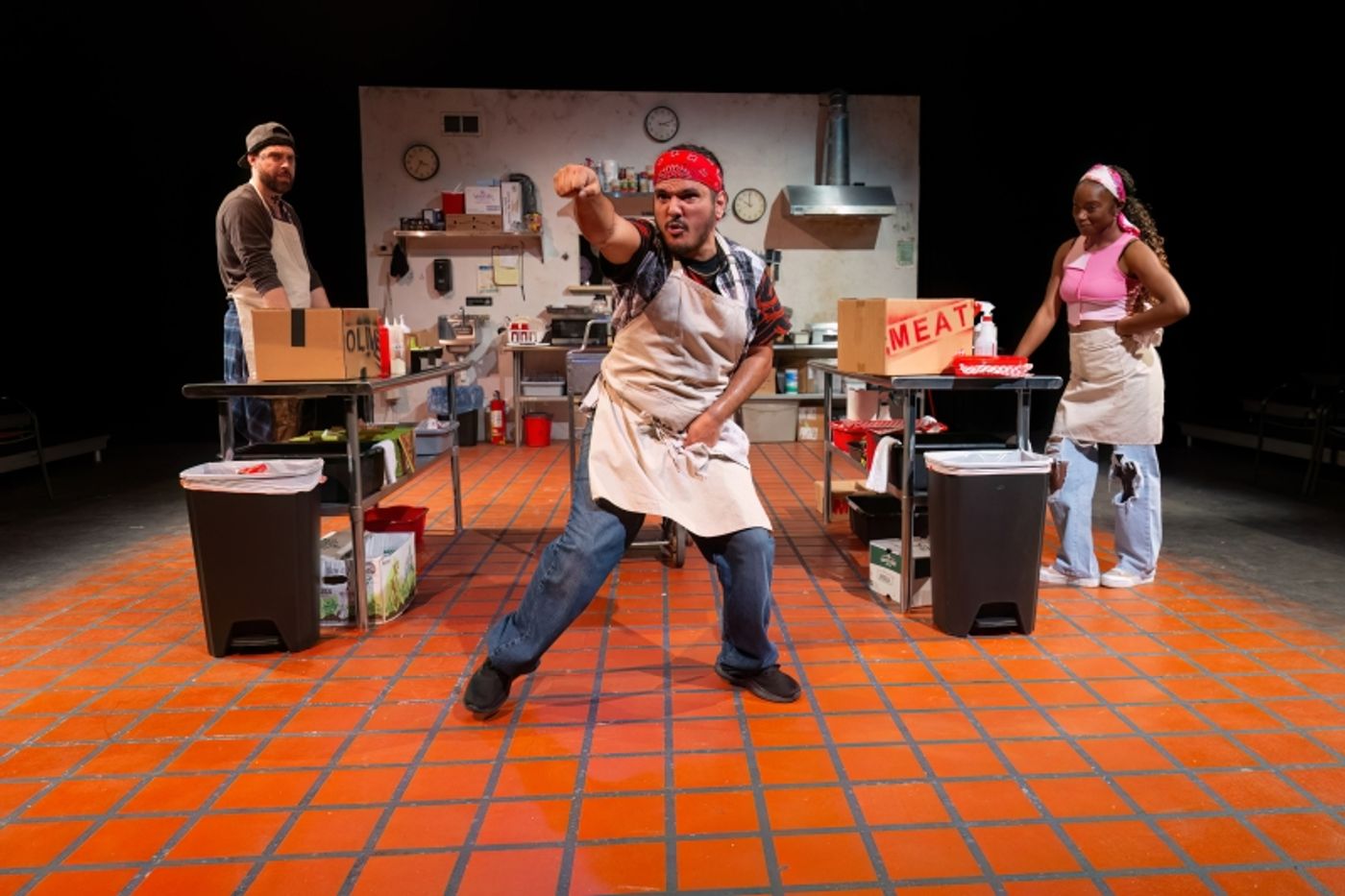 BWW: How has the work at Ground Floor Theatre changed you?
LISA: Immeasurably. I am old school. If you are dead that is barely an excuse to miss rehearsal. But Ground Floor has a different mindset. The show does not always need to go on. Our people, our mission, and our community are more important than the piece of art onstage.
We once canceled a full weekend of shows because an artist was not up to performing. And we said, "Okay." That is so contrary to who I am. I hate it, but I also celebrate it. It has opened my eyes to a new way of approaching art. People who work with us know how much they are valued, and that makes a huge difference.
Every time someone at B. Iden Payne or another event thanks Ground Floor Theatre for existing, I well up. Because we did this on purpose, and it is not about me or Patti. It is about the family we are growing.
BWW: What do you want GFT to be known for in the next ten years?
LISA: Building community and doing excellent theatre. I would love to see GFT be a leader in a new way of doing theatre. If every theatre copied what we do, I would be thrilled. We create a community where people can be creative and can fail big if they want to.
PATTI: I agree with Lisa.
BWW: Anything else you would like people to know?
LISA: It is not just about Ground Floor Theatre. It is about the theatre community in general. There is theatre in Austin beyond Zach and Broadway in Austin. There are companies people just don't know about.
And the arts are worthy of financial investment. We are one of the few industries where it is acceptable for artists to live below a living wage. No one at Ground Floor gets paid a living wage. We need philanthropic giving. There are 80 theatre companies our size here. We all deserve stability.
PATTI: I am in Albuquerque now, and the community is totally different. Austin has something very special. It is prolific, scrappy, supportive. People should be proud of that.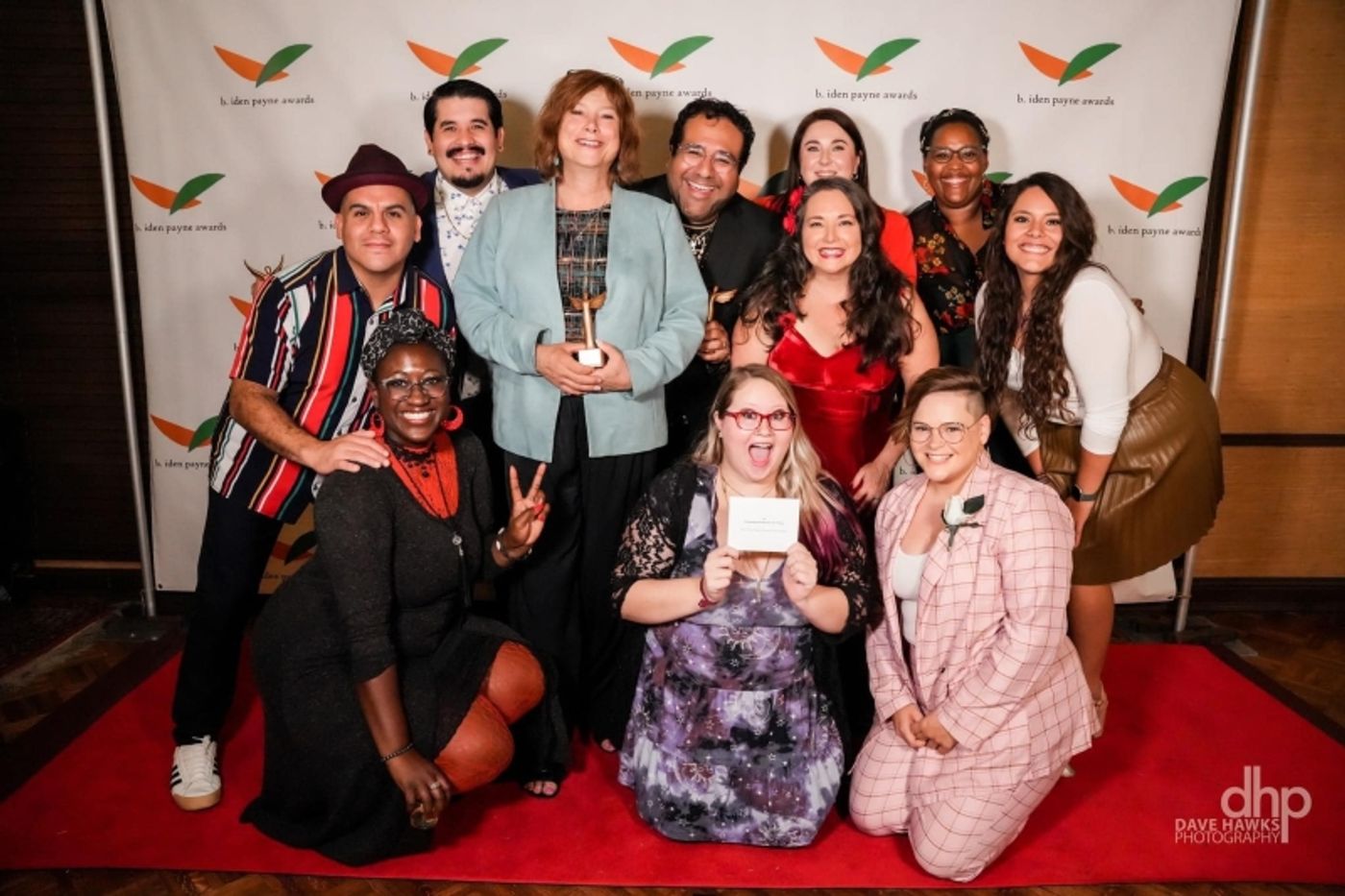
 VOICES FROM THE GROUND FLOOR COMMUNITY
Carl Gonzales is an Austin-based director, actor, playwright, and educator whose work spans companies like Ground Floor Theatre, TexArts, Teatro Vivo, and The Vortex. After seeing GFT’s 2015 production of PARADE, he felt drawn to the theatre’s ethos. Directing ANNA IN THE TROPICS in 2022 solidified GFT as his artistic home. Carl now serves on GFT’s board and champions equitable, artist-centered theatre.
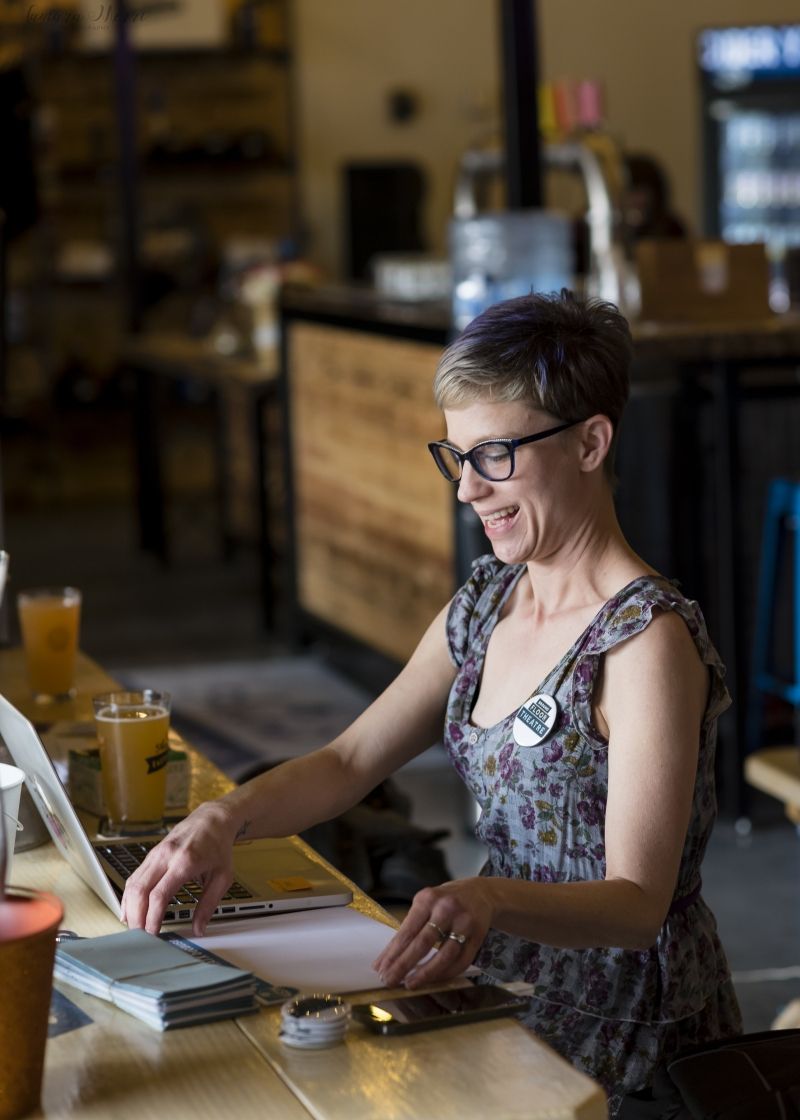
Lacey Cannon Gonzales, Ground Floor Theatre’s Director of Marketing, is an arts advocate committed to amplifying inclusive, community-centered theatre. With a background in communications and strategic storytelling, she ensures that GFT’s programming, mission, and values reach audiences with clarity and authenticity. Lacey champions new work, emerging playwrights through GFT Writes, and Queer youth through GFTQ Camp. Her leadership strengthens GFT’s presence in Austin’s cultural landscape and reinforces its commitment to “theatre for everyone.”
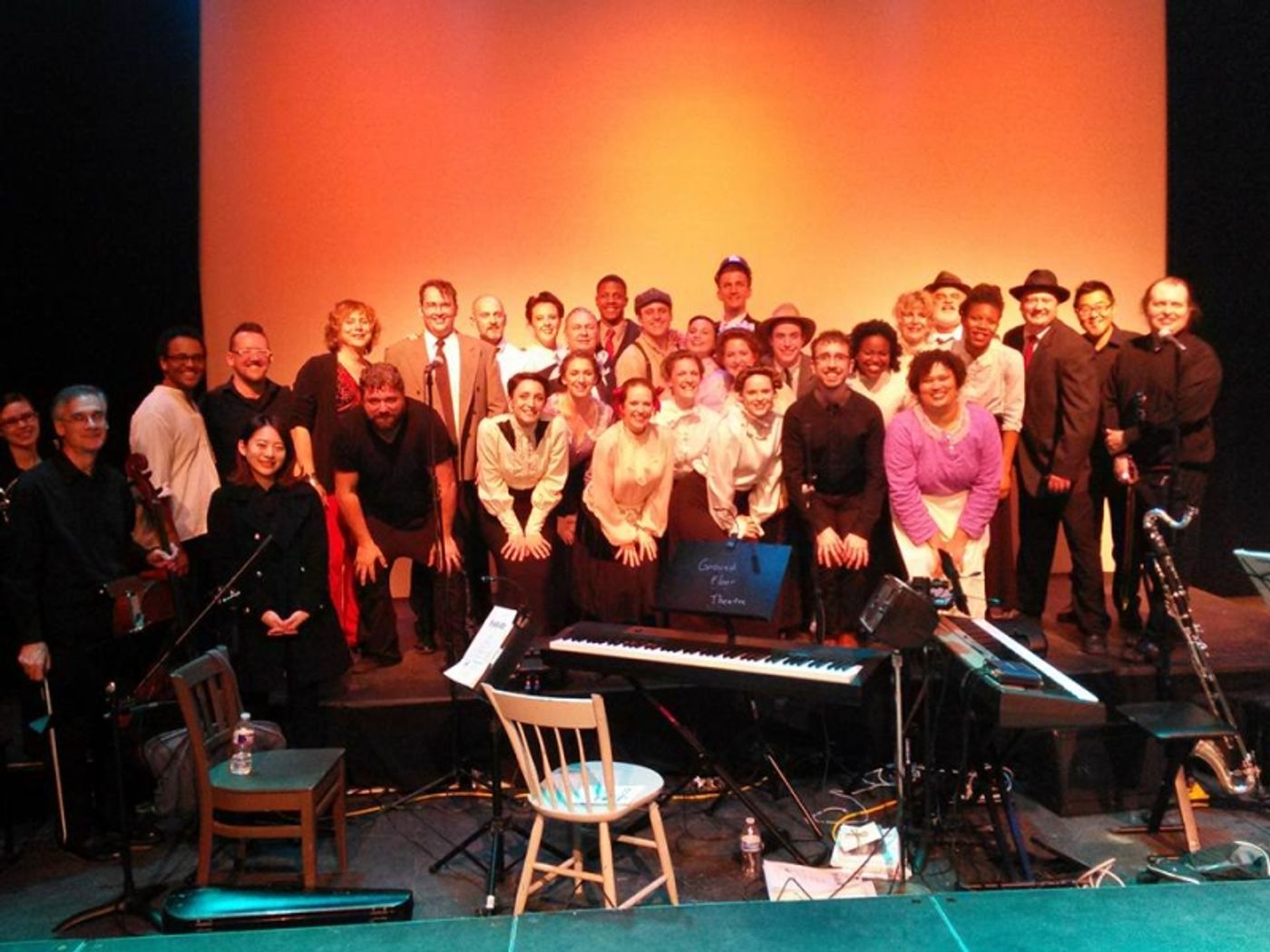
CARL and LACEY
BWW: What first brought you to Ground Floor Theatre, and what has kept you connected over the years?
CARL: Lacey and I were fortunate enough to witness Ground Floor Theatre’s very first production, a concert version of Parade back in 2015. Even though it was our first time there, we could feel this theatre was different.
It wasn’t until 2022 that we had the chance to work at GFT. I directed ANNA IN THE TROPICS with Lacey as my assistant director, and that production genuinely changed our lives. We met collaborators who have since become some of our favorite artists to work with, and in that process we found what we now proudly call our theatre home.
What keeps bringing Lacey and I back, whether as theatre goers, employees, or board members, is Ground Floor Theatre’s unwavering commitment to inclusivity in every corner of the building. You see it onstage, backstage, and in the rehearsal room. You feel it in how artists are treated throughout the process. No theatre company is perfect, but at Ground Floor Theatre we have never once worried that we would be treated as anything less than valued professionals.
The remarkable thing is that the quality of the work is directly tied to that ethos. The respect, the equity, the thoughtfulness built into the GFT process are not separate from the art. They are the reason the art is so consistently strong and why Ground Floor’s work is regularly recognized and awarded across our region.
In a post-2024 election climate, where we are seeing theatres drift back toward regressive and exclusionary models that don't reflect the world we live in, Ground Floor Theatre stands firm. They continue to hold their doors open to people of all identities, abilities, and orientations while producing ambitious, resonant, high quality work.
To me, Ground Floor Theatre demonstrates every day that an equitable and inclusive space can also be a space that produces high quality theatre. That combination is rare, and it is why I continue to choose Ground Floor Theatre as a place where I want to work, create, and show up as part of the community.
BWW: In your view, what makes Ground Floor Theatre essential to Austin’s theatre community today?
LACEY: Ground Floor Theatre is essential because of the work it chooses to put on its stage. They are drawn to stories that push Austin theatre forward with new, innovative work that centers communities who rarely get the spotlight. Each production is built with intention and a level of detail that matches the ambition of the stories it takes on. I have never left a a Ground Floor show without feeling changed, more aware, and more connected to communities I might not have encountered otherwise.
At a time when many theatres are scaling back the programs that help artists see themselves reflected in the work, Ground Floor Theatre continues to hold firm. They remain committed to radically inclusive theatre that challenges perspective and invites audiences to reconsider what they think they know. What makes that commitment even more meaningful is that GFT upholds this mission without sacrificing artistic quality. The work is thoughtful, rigorous, and built with the same care expected from larger institutions.
That level of care also shows up in the way GFT supports artists. It is one of Austin’s highest paying non-equity theatres, and a single production like Parade employs dozens of people. These opportunities are essential in a community where many artists struggle to stay afloat.
Ground Floor’s programs are equally vital. GFT Writes supports playwrights by giving them space and structure to develop new stories in community. GFTQ Camp, our summer program for Queer youth, invites young people to spend two weeks devising an original play of their own creation. Both programs make room for different perspectives and new ways of telling stories, and they are run with the same commitment to excellence that defines the mainstage work.
I believe Ground Floor Theatre has become part of the artistic backbone of Austin. “Theatre For Everyone” is not lip service. It is a practice that guides every decision. Because of that, the Austin arts community feels Ground Floor Theatre’s presence in a real and tangible way. It is a place where artists and audiences alike can recognize themselves, take risks, and experience theatre that genuinely expands the cultural landscape.
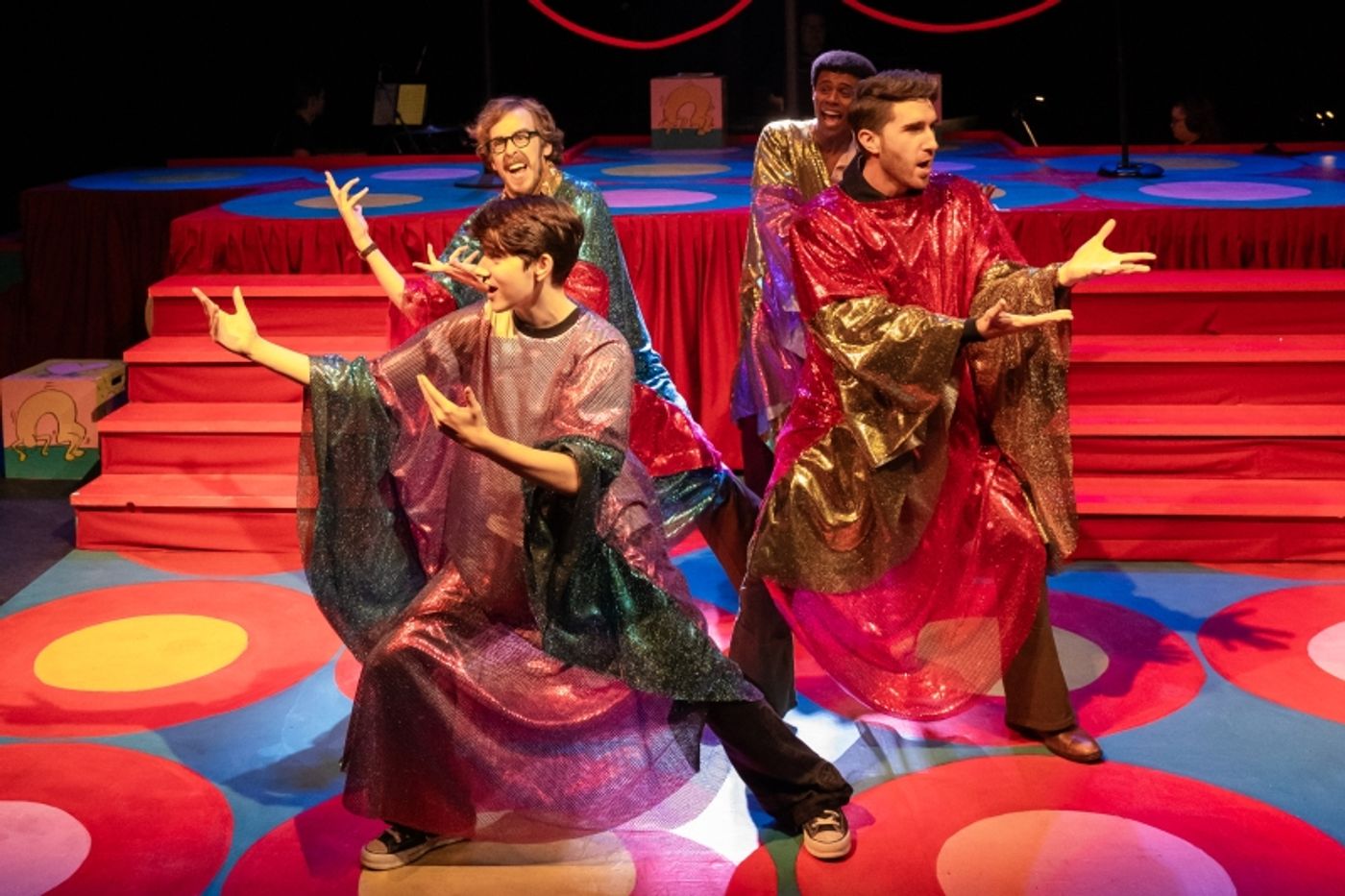
MATREX KILGORE
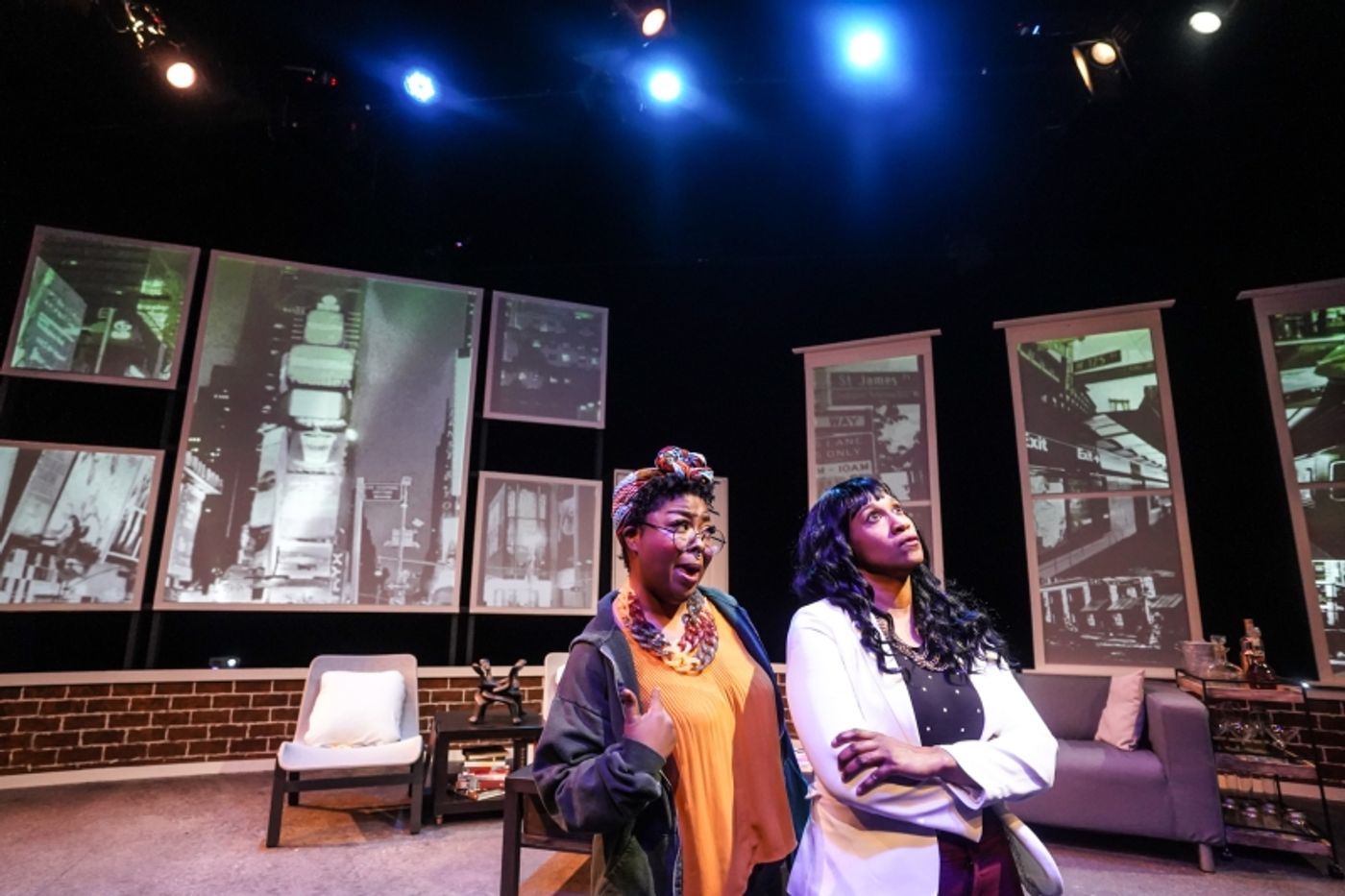
Matrex Kilgore is a director, actor, and collaborator whose work centers Black stories, community empowerment, and theatrical innovation. He connected with Ground Floor Theatre through ScriptWorks’ Out of Ink Festival and immediately aligned with the mission. Productions such as BLACK DO CRACK and SINGLE BLACK FEMALE deepened his bond with GFT, where he found trust and creative freedom. Matrex remains a vital artistic voice in Austin, championing equity, access, and bold new work.
BWW: What first brought you to Ground Floor Theatre, and what has kept you connected over the years?
MATREX: I first came to Ground Floor Theatre through my work with Patti Neff Tiven on Scriptworks’ Out of Ink Festival. Patti shared the theatre’s mission with me and introduced me to Lisa—and from that moment, I knew I wanted to be part of what was happening. The commitment to uplifting stories that have historically been underrepresented on stage resonated deeply with me. I believe theatre should be accessible to everyone, and that financial barriers should never prevent people from experiencing diverse perspectives and powerful storytelling.
What has kept me connected over the years is the artistry and collaboration that happen on stage. I’ve witnessed countless stories told in imaginative, authentic ways that truly honor the artists behind them. And Lisa is a singular force in our theatre community—her vision and programming have nurtured and elevated artists time and again. Whether through the New Director Initiative, giving emerging directors their first production, or the new play development program that amplifies bold new voices, Lisa’s leadership continues to inspire me and strengthen our community.
BWW: Is there a particular moment, production, or experience at Ground Floor that changed you or stands out as unforgettable?
MATREX: Two productions stand out as truly transformative for me: BLACK DO CRACK and SINGLE BLACK FEMALE. Both explored different facets of Black womanhood and directing them was an unforgettable experience. Building my team and creating freely—with Lisa’s support—was powerful. Even when she didn’t fully understand my choices, she trusted me to make them, and that trust meant everything.
These plays allowed me to tell stories that spoke directly to my mother, my sisters, and other Black women—stories that reflected their realities while also opening up new possibilities for how to be. Whether examining the weight of the “strong Black woman” trope and its impact on mental and physical health, or exploring the lives of college-educated, middle-class Black women, these works were deeply personal.
What made it unforgettable was the freedom to center who was telling the story and who it was for. That kind of artistic integrity is rare, and Ground Floor truly walks the talk of being people-first. That commitment will always stay with me.
BWW: In your view, what makes Ground Floor Theatre essential to Austin’s theatre community today?
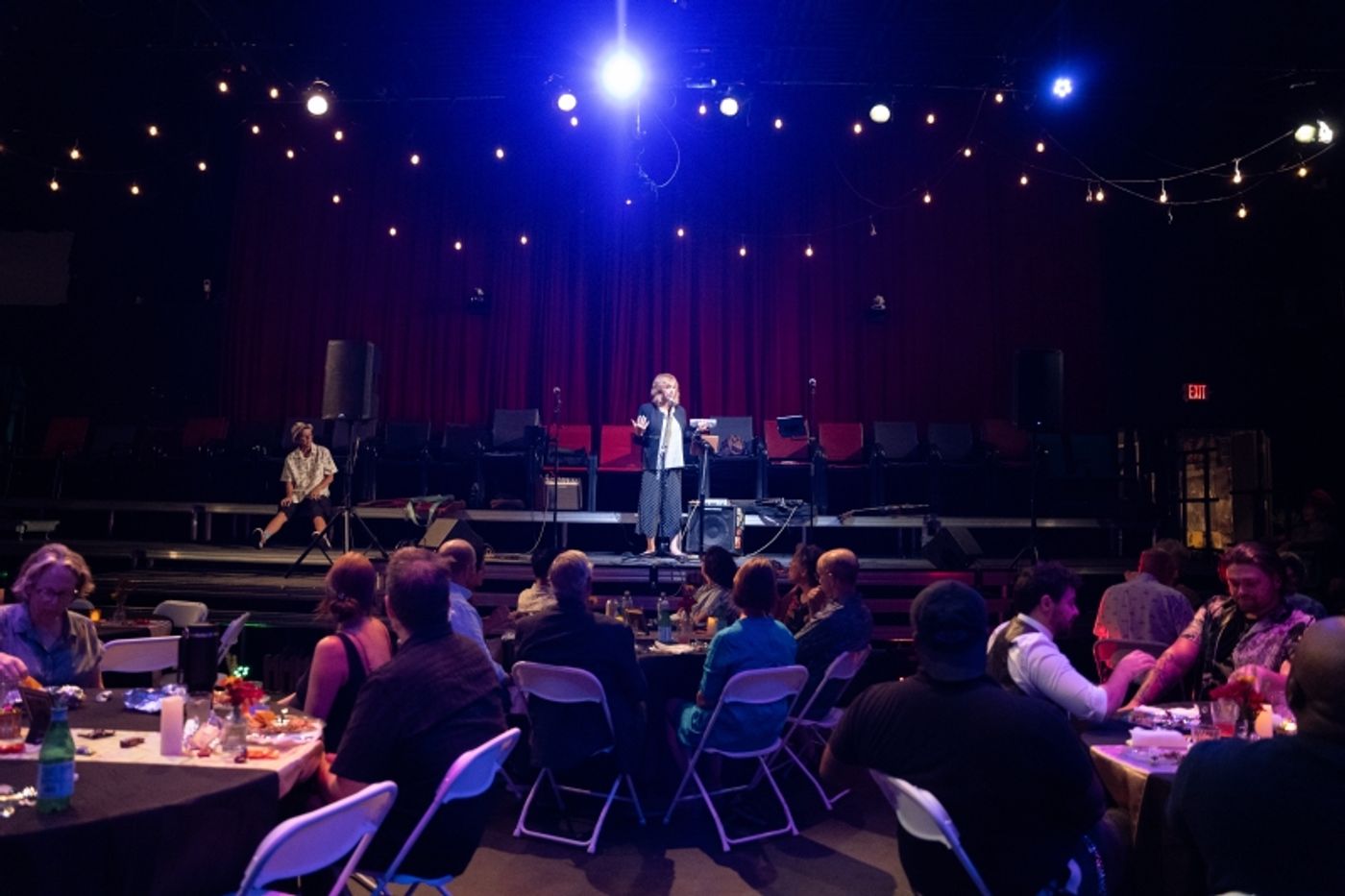
MATREX: Beyond elevating voices and stories that have been historically and strategically excluded from the stage, Ground Floor Theatre plays a vital role by opening its doors to other theatre companies that don’t have a space of their own—at prices they can afford. In a city where accessible theatre space is scarce, Ground Floor has become a hub for collaboration and creativity.
They are incredible hosts to the community and consistently step up to support the work of others. This theatre is truly of, for, and by people who believe in making theatre that matters—work that has something to say and reflects the world we live in. That commitment makes Ground Floor essential to Austin’s theatre ecosystem today.
 WHAT'S NEXT?
GFT "amplifies and lifts up voices that need to be heard to people who need to hear them, working to create equity through art." Collaborative and bold, Ground Floor Theatre is forging new ways of creating theatre by courageously stepping forward as Austin’s premiere inclusive space for underrepresented voices. We can count on Lisa, Patti, and GFT to keep blazing a path toward the center for those on the margins. And you can bet they’ll continue building community and connection for the next ten years and beyond — making it easier for the rest of us to do the same.
To celebrate their tenth anniversary, GFT is reviving the musical PARADE from their first season. If you are ready for a change from the Scrooges, White Christmases, and Grinches this season, the show opens this Thursday, and runs through December 21st. Learn more here.

|
Rock of Ages TexARTS (7/10-8/09) |

|
8th Fresh Squeezed Ounce of Opera dadaLab (7/17-7/25) |

|
Noon Tunes: Critter City & Sing-Along Draylen Mason Music Studio at KMFA (7/28-8/11) |

|
Adobro’s Filipino-Fiesta-meets-Texas-Dancehall “Right Here, Right Now” Album Release Party on July 12 Adobro (7/12-7/12) |
|
C.S. Lewis' The Screwtape Letters - October 11, 2026 Wagner Noel Performing Arts Center (10/11-10/11) |

|
The Addams Family Magnolia Musical Theatre (7/15-8/15) |

|
Just Another Country Fest Big Mike's Studio Theater (10/08-10/08) |
|
Chayanne Don Haskins Center (10/01-10/01) |

|
Kung Fu Cowgirl: The Musical Zilker Hillside Theater (9/03-9/13) |

|
& Juliet Bass Concert Hall at the University of Texas in Austin (7/14-7/19) |