


Review: THE IMPORTANCE OF BEING OSCAR, Jermyn Street Theatre
Red velvet and razor wit
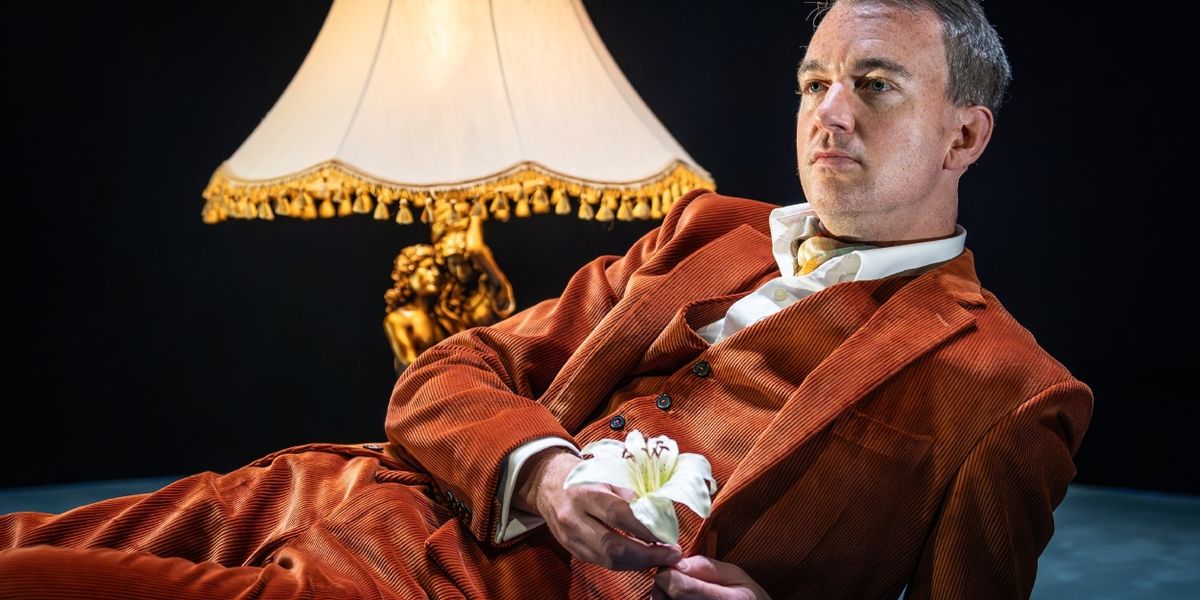
 In a captivating one-man performance at the intimate Jermyn Street Theatre, Alastair Whatley breathes new life into Oscar Wilde's complex character through Michael Mac Liammóir's enduring play, The Importance of Being Oscar. First performed in 1960, this production shifts focus to Whatley's interpretation, which proves both nuanced and engaging.
From the moment Whatley appears on stage in a striking red velvet three-piece suit (one of two thoughtfully selected costumes by Madeleine Girling), he establishes a visual connection to Wilde's famously flamboyant aesthetic. This immediate association sets the tone for a performance that delves deep into the writer's turbulent life with remarkable conviction.
For Wilde enthusiasts, this production offers a valuable opportunity to gain deeper understanding of the writer's world. Whatley's performance illuminates both the triumphs and tribulations of Wilde's life, exploring the contradictions and complexities that made him such a fascinating figure. The actor navigates the writer's wit, wisdom, and eventual downfall with equal conviction, creating a portrait that feels authentic rather than caricatured.
The Importance of Being Oscar reveals how Mac Liammóir's text has maintained its relevance over decades of performances. Yet Whatley brings his own distinctive interpretation to the role, balancing reverence for the material with fresh energy. His delivery of Wilde's epigrams and more poignant reflections demonstrates a thorough understanding of the writer's distinctive voice.
What makes Whatley's portrayal particularly compelling is his delivery of Mac Liammóir's carefully selected extracts from Wilde's works alongside biographical elements. The playwright draws attention to the similarities between Lord Henry Wotton's relationship with Dorian Gray and Wilde's own relationship with Lord Alfred Douglas, suggesting an almost autobiographical quality to Wilde's writing. These connections, crafted by Mac Liammóir and brought to life by Whatley, offer the audience fresh insights into how Wilde's personal experiences informed his literary output.
%20Marc%20Brenner.jpg?format=auto&width=1400)
Photo Credit: Marc Brenner
The technical elements of the production complement Whatley's performance without overshadowing it. Chris Davey's lighting design employs simple but effective spotlighting techniques that focus attention precisely where needed. Meanwhile, Barnaby Race's sound design subtly influences the mood throughout, enhancing emotional transitions without becoming intrusive.
Jermyn Street Theatre itself contributes significantly to the success of this production. Its cinema-style seating arrangement brings audiences remarkably close to the performance, creating an intimacy that draws viewers into Wilde's world. This proximity allows for a more personal connection with Whatley's portrayal, making even subtle expressions and gestures visible to all.
This production succeeds in presenting a multi-faceted portrait of Wilde that acknowledges both his artistic brilliance and personal struggles. For those familiar with Wilde's work, the performance offers new perspectives on familiar texts, while newcomers will find it an accessible introduction to his life and writing. The combination of Whatley's committed performance, thoughtful production elements, and the theatre's intimate setting makes this a worthwhile theatrical experience that captures the essence of Wilde's enduring appeal.
The Importance of Being Oscar is at the Jermyn Street Theatre until 19 April
Photo Credits: Marc Brennar






Reader Reviews
To post a comment, you must register and login.