


Review: TORONTO FRINGE FESTIVAL REVIEW ROUNDUP 2 at Toronto Fringe
Reviews of Who Drinks Mocktails On the Beach?, Milk Milk Lemonade, and Don't Fall In

The Toronto Fringe is in full swing, and if you're not seeing any of the 100+ shows available from now to Sunday, what are you doing with your life? BroadwayWorld continues its coverage with reviews of WHO DRINKS MOCKTAILS ON THE BEACH?, MILK MILK LEMONADE, and DON'T FALL IN.
WHO DRINKS MOCKTAILS ON THE BEACH? (Tarragon Extraspace)

Billed as a Fleabag-esque monologue, WHO DRINKS MOCKTAILS ON THE BEACH? follows hot mess Candace at the destination wedding of her college bestie and the man she introduced her to. Rarely seen without a drink in hand and talking a mile a minute, Candace feels like an also-ran the moment she enters the Mexican resort. The bride has moved on from her college days, scheduling early morning yoga and cultural hikes with her partnered, goal-oriented friends, while this single gal pal parties into the night and bemoans the carefree, emo punk-loving young people she and bestie used to be. Candace can make friends at the bar in an instant—so why can’t she do anything right in the eyes of the woman who meant so much to her? And why wasn’t she asked to be part of the wedding party?
MOCKTAILS is billed as a comedy, and writer-performer Sara Mayfield and director Damon Bradley Jang largely keep things light and fast-paced, blasting karaoke, detailing hookups, and advising what drink not to order unless you hate your bartender. What’s truly captivating, though, is the sadness at the heart of the piece. Mayfield is adept at capturing the feeling of being an outsider and the small tragedy of knowing that everyone else has progressed without you. An instantly recognizable character, Candace is the poster child for social overcompensation for feelings of loneliness, her ability to get hundreds of “likes” on social media belying her inability to maintain anything but fleeting friendships. The play asks: what happens when the only way to stop feeling like an interloper to the party is to become the life of it?
Mayfield ably conveys Candace’s vulnerability, yearning, and awkwardness under a veneer of bubbly hashtags, talking a little too loudly or protractedly, carrying on after the moment has passed, or simply letting the handle of her bag slip off her chair with a thud. She may be barely holding it together, but she sure can belt out “My Own Worst Enemy.”
Photo of Sara Mayfield provided by the company
MILK MILK LEMONADE (Soulpepper RBC Finance Studio)
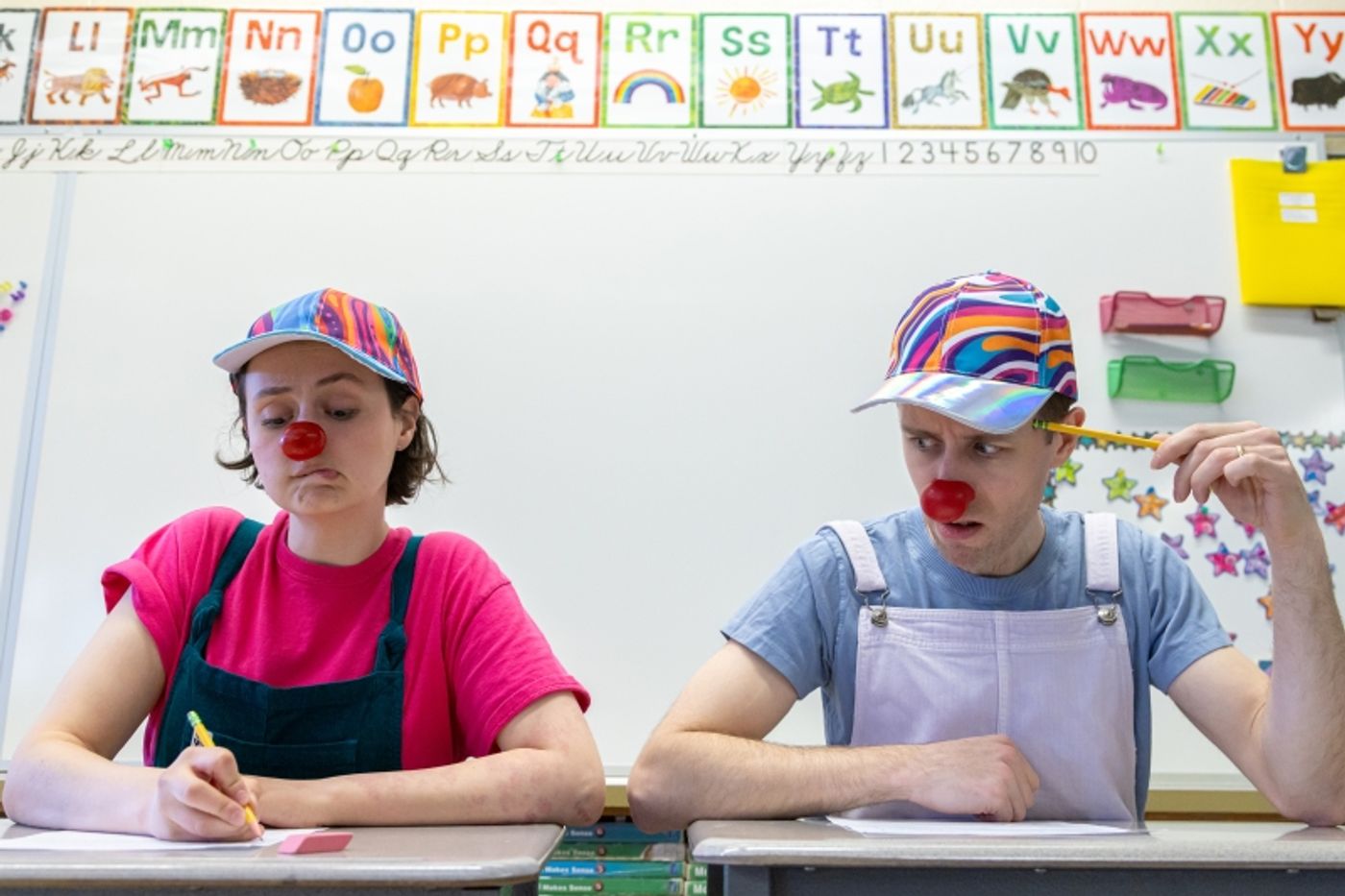
Get Ready to Play MASH, trade lunches, negotiate your first crush, and draw like an angry toddler. In Emma Nelles’ and Jonas Trottier’s whimsical clown show (directed by Jack Davidson), MILK MILK LEMONADE, two kids from Mallowmarsh P.S. cavort through the classroom, making (and eating) macaroni art, bombing tests, spreading schoolyard scuttlebutt, and getting the audience to do their homework. Nelles and Trottier’s child characters delight in breaking the fourth wall, commenting on the difficulty of hitting technical cues and the forgiving nature of the Fringe audience. There’s nothing to forgive in this charming, playful experience, a silly and sweet return to childhood.
Though the age range portrayed feels a bit malleable, Trottier and Nelles skillfully convey the body language of childhood. They cycle between freely cavorting with abandon and occasionally shrinking with apprehension when trying to navigate slightly more adult responsibilities and topics. A section where they portray the adults in the children’s lives strays from the vibe, but also contains some of the strongest humour, including an exasperated parent-teacher night conference that provides commentary on parents who completely abrogate responsibility of raising their own children, and two teachers who describe children’s drawings (provided by audience members) like avant-garde art critics. If you wish you could briefly go back to a time where the toughest part of your day involved appropriately dividing a Fruit By the Foot, this is the show for you.
Photo of Emma Nelles and Jonas Trottier by Barry McCluskey
DON’T FALL IN (Alumnae Theatre)
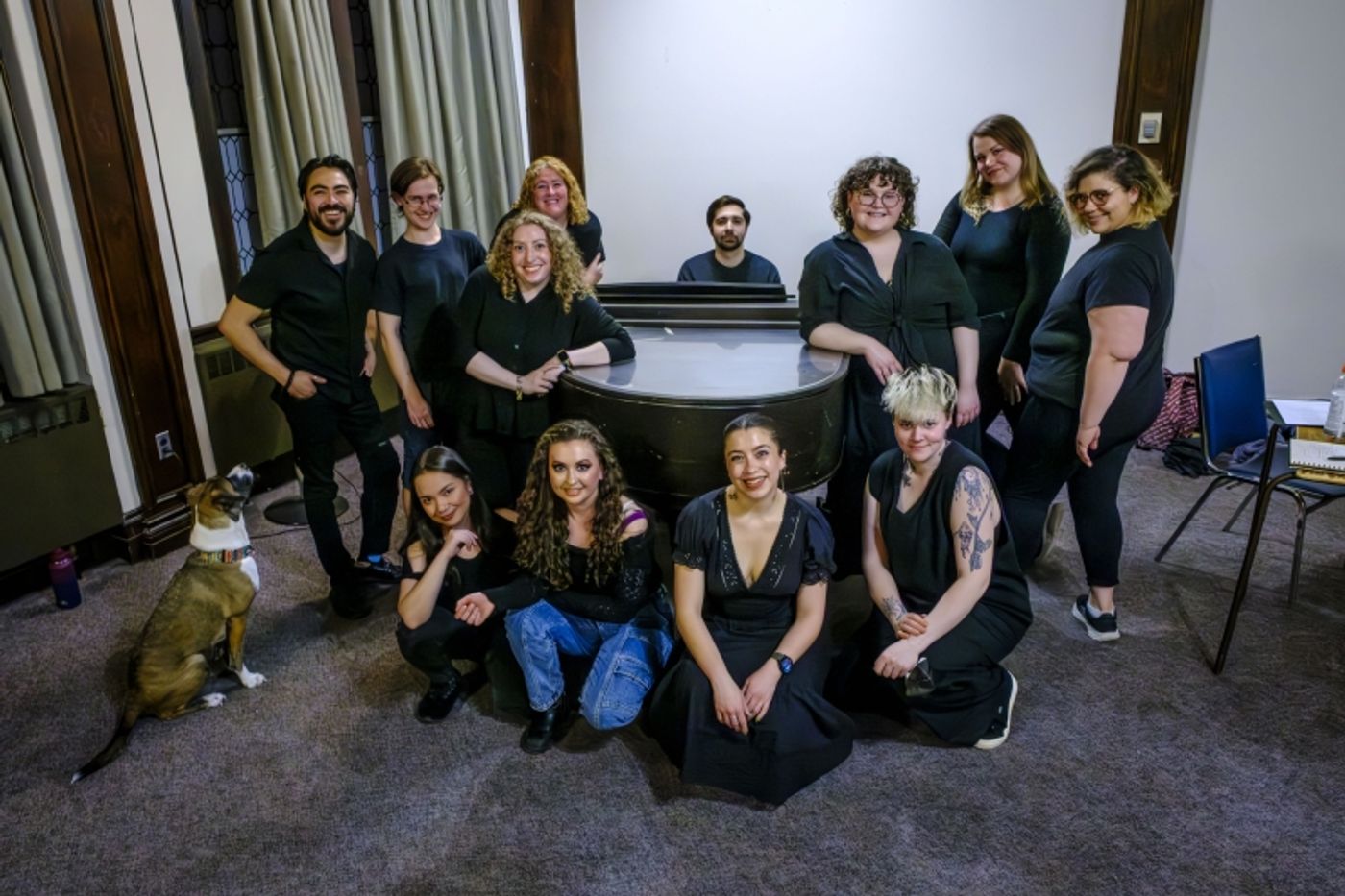
DON’T FALL IN sounds like advice you might hear in an elementary school washroom, but this Fringe Festival musical by Holland Ziemann is instead an author’s warning about getting too involved in your writing. Kara (Reo Reilly) is a student at a magic school where the wizardry is all about narrative and students create stories by dropping ideas into cauldrons. Final projects are coming due, and Kara can’t find an ending their recalcitrant cauldron will accept. When Kara’s crush Eva (Catherine Fergusson) offers some special ink to help Kara find an ending, Kara is transported into the world of the story, learning the perils of relying on cliché rather than nuance and solid foundations.
The premise of the show is intriguing, with Wizard of Oz-style double casting between Kara’s classmates and the narrative’s characters. Some analogues are clearer than others, Carlos Bastarrachea’s bombastic, conceited but talentless prince a fun stand-in for a plagiarizing student, while the professor/jester or love interest/villain pairs less obviously connected. Ziemann’s pleasant music, directed by Michael Ippolito, is a treat to listen to due to the cast’s lovely voices, with an a cappella number really showing off their layered harmonies. (In the accompanied pieces, there are some sound balance issues, the piano drowning out the occasional lyric.) Benjamin Massey makes the most of a small role as an entertainingly sycophantic, fast-talking knight, and a song where multiple courtiers glorify the prince’s rule without any evidence as to his qualifications or good he’s done feels politically relevant. (The curse on the wish that we could throw our ideas into a pot and have the stories write themselves also seems like it could be a cautionary tale about AI.)
DON’T FALL IN is a fun show with appealing production values (kudos to designer Richard Karlov) that would benefit from a longer run time to develop the relationship between Kara and their love interest, and to flesh out the purpose of the storytelling cauldrons and the characters inside. The difficulty with the whole premise being the underdevelopment of Kara’s characters is that one needs to both establish this deficiency and work against it quickly, creating increasingly nuanced characters so that we can care about them. The show more adeptly manages the former than the latter, relying on sudden, high-emotion musical numbers to do the work of character growth that requires a slower build-up.
Photo of the cast and Production Team by Michael Yaneff

|
ELEGANCE AND IMAGINATION Flato Markham Theatre (10/17-10/17) |

|
ANNULÉ - Il était une fois... Noël Théâtre Capitole (11/25-11/29) |
|
THE PIRATES OF PENZANCE Terminal Theatre (6/18-6/20) |
|
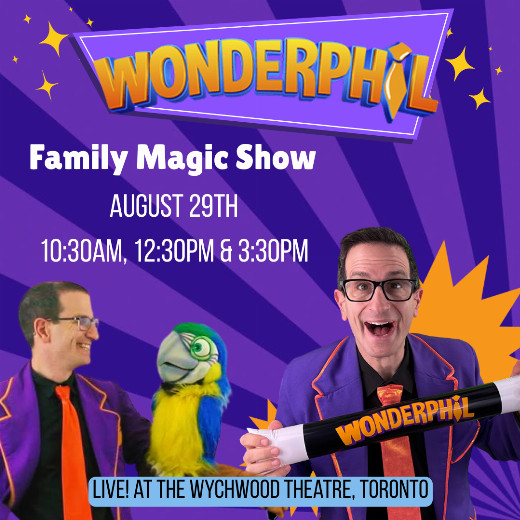
WonderPhil the Magician Wychwood Theatre (8/29-8/29) |

|
Mamma Mia! Princess of Wales Theatre (8/04-8/30) |
|
Fletch, Vaughan and Hayley LIVE - The Genuine Friends Tour BNZ Theatre (10/10-10/10) |
|
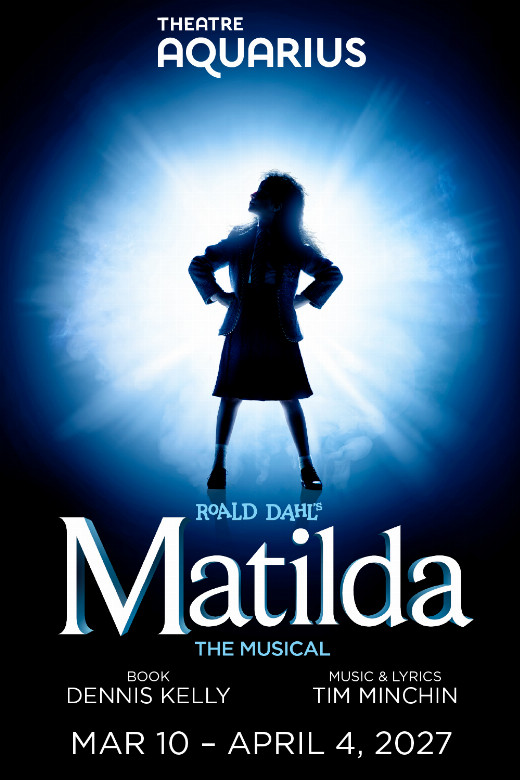
Matilda The Musical Theatre Aquarius (3/10-4/04) |
|
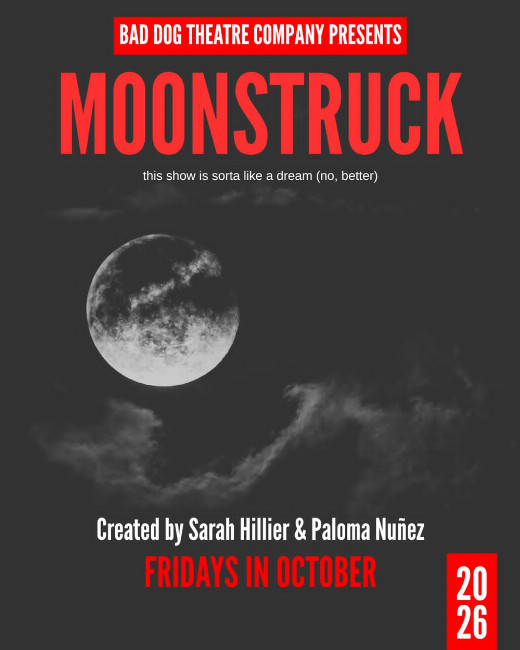
Moonstruck Comedy Bar (10/09-10/30) |

|
SHADOWS AND LIGHT Flato Markham Theatre (2/06-2/06) |

|
Bee Gees Celebration Théâtre Capitole (12/16-1/02) |
Reader Reviews
To post a comment, you must register and login.